Hiroshima, Life After the Bombs
Tragically famous for being the site of the first atomic bombing in history, the city of Hiroshima is working to rebuild itself today.
Tragically famous for being the site of the first atomic bombing in history, the city of Hiroshima is working to rebuild itself today. Located on the north coast of the Seto Inland Sea, it is the largest city in the Chugoku region of Japan. Remnants and ruins have given way to a thoroughly modern city that brings hope to its residents and attracts an ever-growing number of travelers…
Hiroshima Then and Now
Founded in 1589 by feudal lord Terumoto Mori, the city of Hiroshima was a strategically important zone in Japan in many respects. First, it was an important urban center during the Meiji era. From the First Sino-Japanese War through the Showa era, it became a logistical base for the Imperial Japanese Army. During World War II, Hiroshima emerged as a strategic center for Japan's defense. At the same time, the city transformed into an industrial hub where various chemical weapons (mustard gas, cyanide, etc.) were manufactured.
It was on August 6, 1945 that the city descended into tragedy. It became one of the targets of atomic bombings ordered by the United States. In total, the bombs resulted in the deaths of approximately 250,000 people (from the explosion and subsequent exposure to radioactive materials). After being devastated, Hiroshima embarked on a major reconstruction project based on a city of peace. Thus, the charred ruins gave way to modern construction. Today, the city continues to evolve and attracts more and more tourists. Yet, even though this change of scenery is synonymous with hope, Hiroshima does not forget its heavy past…
What to See When Visiting Hiroshima?
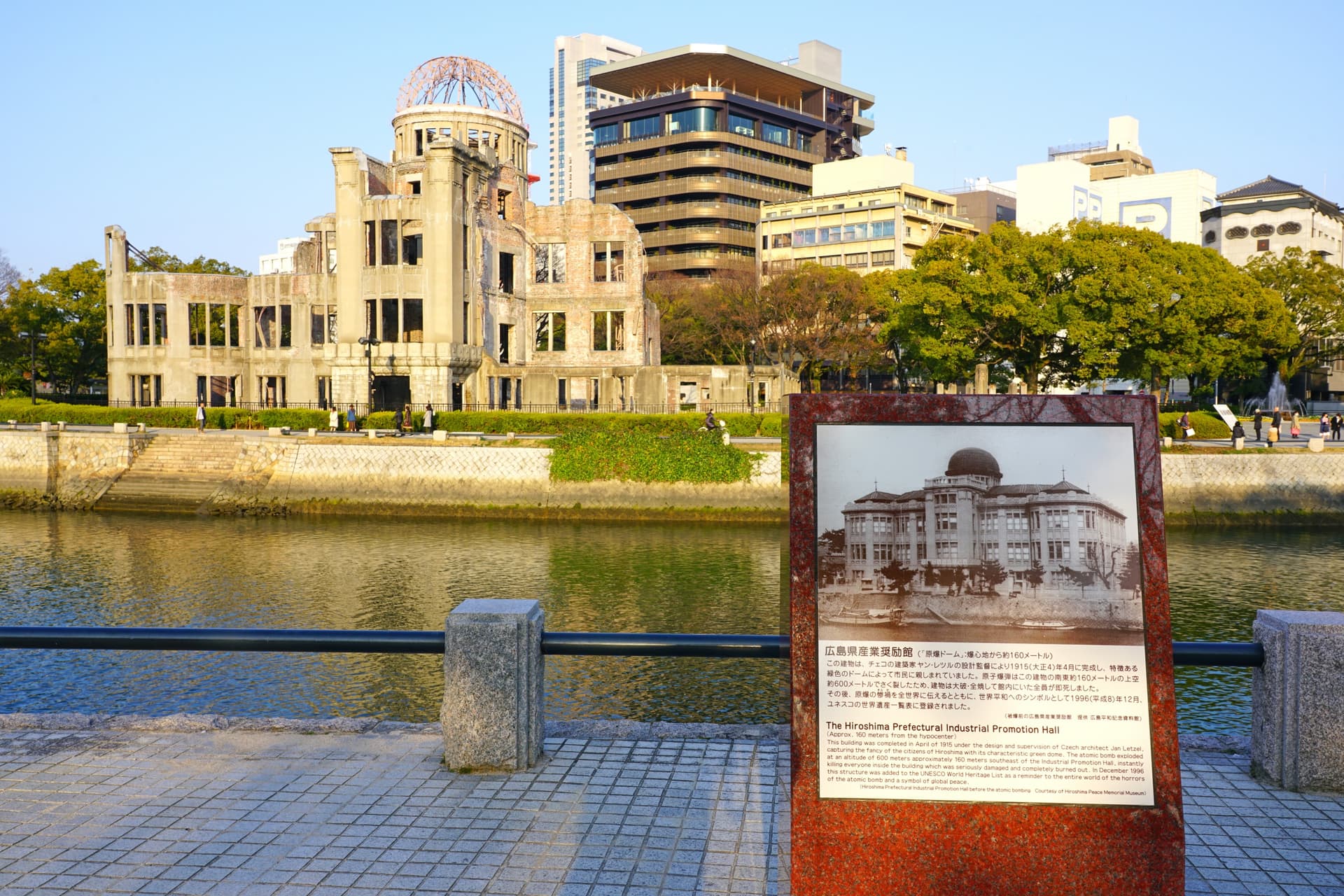
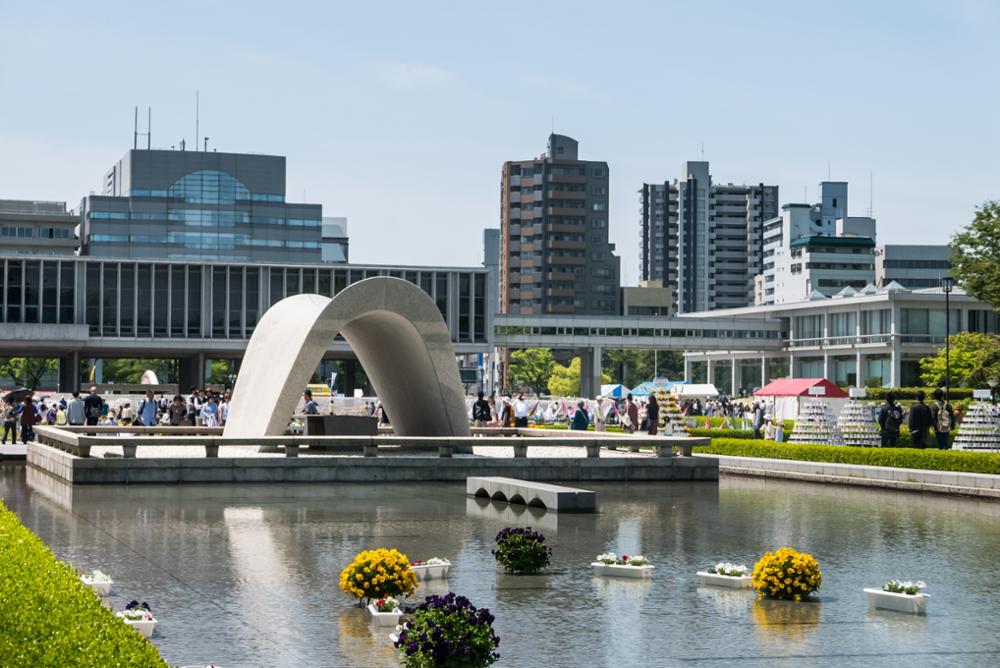
A symbol of peace and hope, the Peace Memorial Park is the must-see attraction in Hiroshima. Here you'll find the famous Genbaku Dome, a relic that survived the atomic bomb and is now inscribed on the UNESCO World Heritage list. Don't miss the Peace Museum and take some time to relax in the memorial park, a genuine green space in the heart of the city, particularly beloved by locals and visitors alike during the cherry blossom season!
History enthusiasts should not skip the Hiroshima Castle to learn more about the city's origins. Built in 1590, it was damaged by the 1945 atomic bomb and was faithfully reconstructed in 1958. Hiroshima is also home to numerous temples and shrines, the most famous being the Buddhist Mitaki-dera temple and the renowned Itsukushima Shrine, the only shrine with a torii gate rising from the sea. An opportunity to discover Miyajima, a sacred island where deer and deities live…
To finish your stay in Hiroshima in a more relaxed manner, we highly recommend (depending on dates) experiencing the atmosphere of a match of the city's legendary baseball team, attending a traditional Kagura performance, or treating yourself to a break in one of the region's hot springs.
Frequently asked questions
Hiroshima is easily accessible from Tokyo or Kyoto by Shinkansen (high-speed train). From Tokyo, allow approximately 4 hours of travel; from Kyoto, less than 2 hours. The JR Pass is highly recommended to reduce costs if you're visiting multiple cities in Japan.
One to two days are enough to discover the main sites of Hiroshima: the Peace Memorial Park, the Genbaku Dome, the Peace Museum and the castle. By adding an extra day, you can head to Miyajima island to visit the famous Itsukushima Shrine.
Spring (March-April) is ideal for enjoying the cherry blossom season in the Peace Memorial Park. Autumn (October-November) also offers beautiful colors and pleasant temperatures. Summer can be very hot and humid, while winter remains mild compared to the rest of Japan.
No, the Genbaku Dome (or Atomic Bomb Dome) cannot be visited from the inside. It is a relic preserved as is in memory of the victims. You can walk around it on the outside; it is located within the Peace Memorial Park, inscribed on the UNESCO World Heritage list.
Hiroshima is famous for its okonomiyaki, a local version of the Japanese savory pancake with multiple toppings, different from Osaka's version as the ingredients are layered in tiers. The region is also renowned for its farmed oysters, which can be enjoyed fresh or cooked in many local restaurants.