Machiyas
Machiyas
Machiyas, traditional wooden townhouses in Kyoto, Nara and Kanazawa, are rented as complete homes for independent stays in historic surroundings.
Machiyas are traditional wooden townhouses that still make up certain historic neighborhoods in Kyoto, Nara and Kanazawa. Staying in one allows you to lodge in architecture designed centuries ago for merchants and artisans, while enjoying contemporary comfort.
Why choose a machiya
The machiya holds a special place in Japanese accommodation. Unlike a ryokan, which is an inn with service, or a shukubo (temple inn), a machiya is an entire house rented independently. You sleep here as a resident would, with no staff on-site.
This type of stay particularly appeals to:
- families or small groups wanting an entire house to themselves ;
- architecture enthusiasts and heritage lovers ;
- longer stays, where you have time to cook and truly inhabit the neighborhood.
Architecture inherited from the Edo period
Machiyas have origins dating back over 1,000 years, but it was during the Edo period (1603-1868) that they developed their distinctive architecture as seen today. Fires and the humidity of Japan's climate destroyed most ancient buildings: the oldest machiyas still standing date from the late Meiji era (1868-1912), and the newest were built in the 1950s, before anti-seismic building codes took effect. Before World War II, merchants and artisans were the primary residents of these homes.
The exterior: a discreet facade
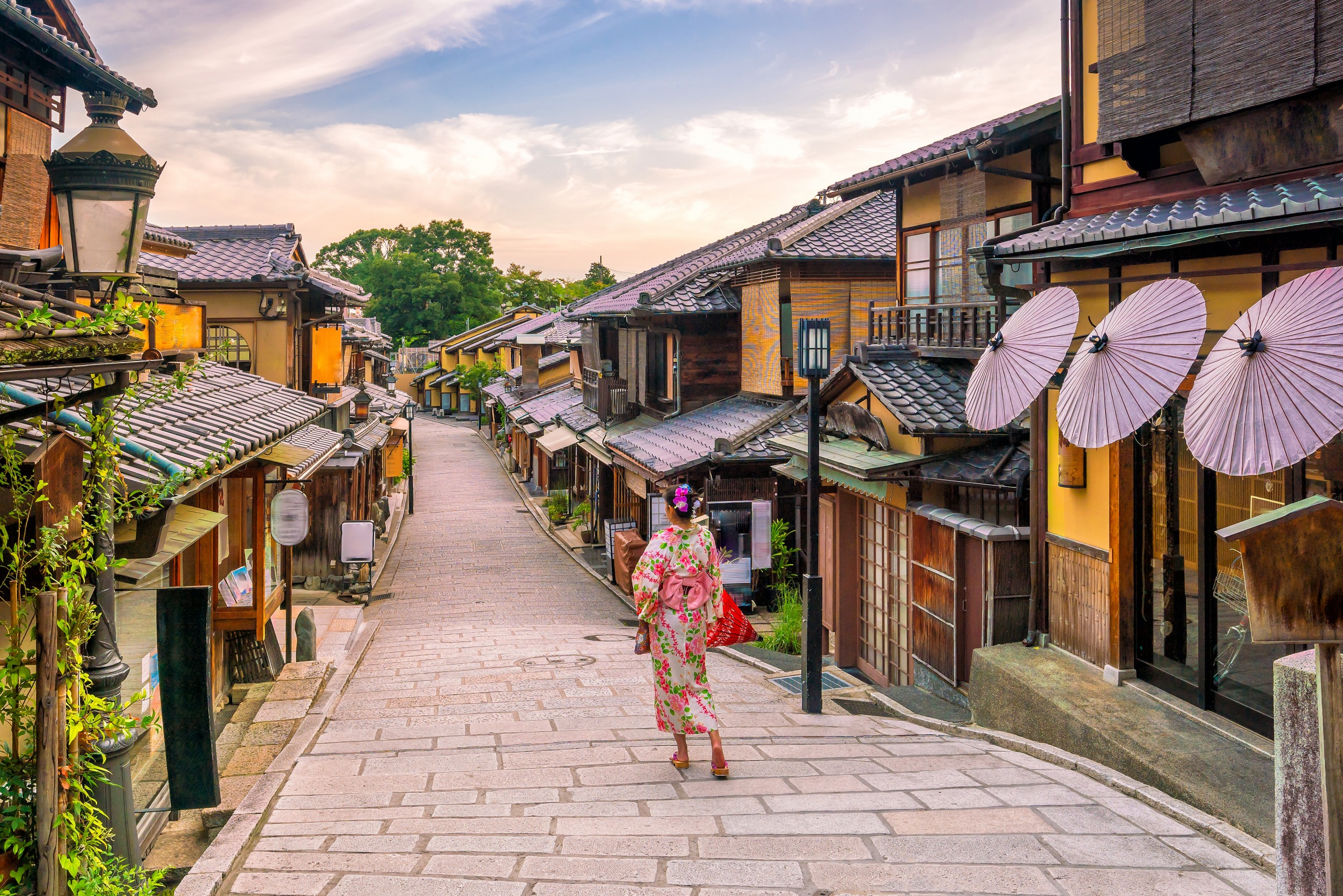
Machiyas are rarely isolated. Nestled against one another, they form homogeneous clusters of low buildings whose width rarely exceeds six meters. The front is recognized by its wooden lattice screen called "kimusuko". Materials are entirely natural and construction uses no metal nails for wood assembly—a technique also respected during restorations.
The interior: a sequential floor plan
Behind the narrow facade, the house extends deep into its plot, sometimes stretching up to 50 meters long, earning it the nickname "needle-maker's bedroom". The layout follows three successive rooms:
- Mise no ma: the front room facing the street, where merchants received clients ;
- Naka no ma: the middle room, a transition to private spaces ;
- Oku no ma: a private reception salon, featuring the tokonoma where art objects and seasonal flower arrangements are displayed.
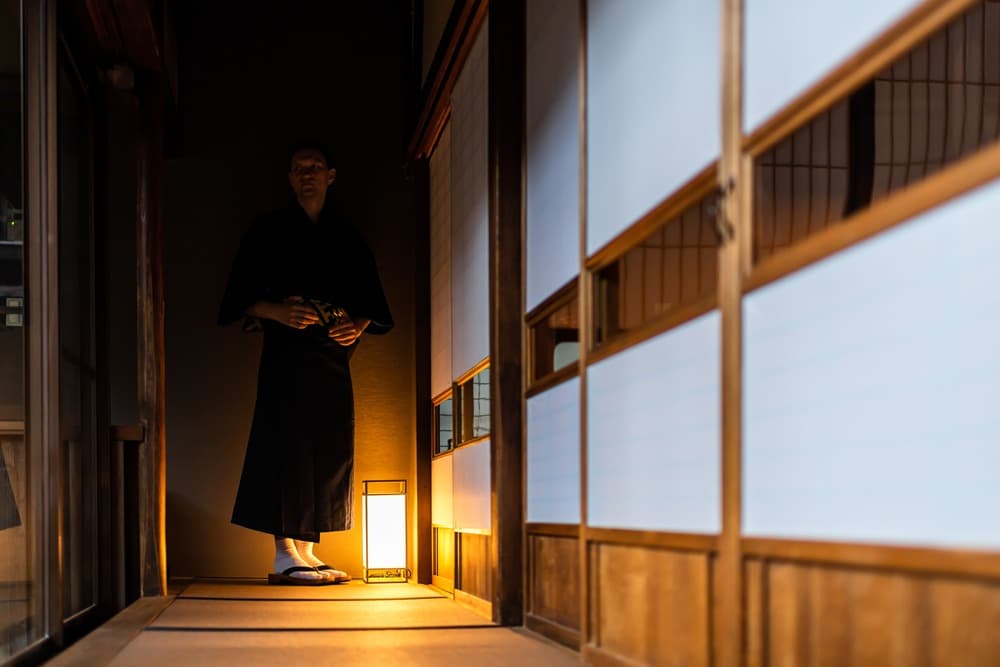
Rooms are separated by sliding doors called fusuma and shoji. A side corridor named "tori niwa" serves the kitchen and allows circulation to the back of the house. Small interior gardens bring in light and open the volumes to the sky.
Amenities and comfort
Machiyas rented to visitors have been restored to offer contemporary comfort without compromising the original structure. They typically include:
- wifi, heating and air conditioning ;
- laundry facilities and basic furnishings ;
- equipped kitchens in some properties ;
- bedrooms with traditional futons or beds depending on the house ;
- concierge service for neighborhood advice.
Where to find a machiya
The number of machiyas is declining due to maintenance costs and a shortage of skilled craftspeople. In Kyoto, the Machiya Machizukuri Foundation was established to support their preservation, and the city still has approximately 20,000 machiyas. Three cities are particularly well-suited for this type of stay.
Kyoto
The former capital offers the widest selection. Machiyas can be found in the Gion and Nishijin neighborhoods and around temples in the historic center. Many have been converted into rental homes, cafes or galleries.
Nara
In the former merchant quarter of Naramachi stands the Naramachi Koshi-no-Ie, a 15-minute walk from Kintetsu Nara Station and approximately 20 minutes from JR Nara Station. Entry is free and the site is open from 10am to 5pm, closed Mondays (hours should be verified before visiting).
Kanazawa
Machiyas line the Higashi Chayagai geisha district. Some have become shops, restaurants or museums, others remain tea houses. The Shima house is designated an Important Cultural Property of Japan.
Other traditional accommodations
If you're visiting multiple locations in Japan, it's worthwhile to alternate between different types of lodging:
- Ryokans, traditional inns with meals and bathing ;
- Shukubos, accommodations within a temple compound ;
- Temple stays, for nights shaped by monastic rituals.
Frequently asked questions
Frequently asked questions
A machiya is a townhouse rented independently with no staff on-site. A ryokan is a traditional inn with service, meals included and hosts.
Primarily in Kyoto, which still has approximately 20,000, but also in Nara (Naramachi neighborhood) and Kanazawa (Higashi Chayagai district).
Yes. The entire house is private, the sequential layout offers multiple rooms and the equipped kitchen (where available) makes longer stays easier.
Both options exist depending on the house. Some machiyas retain traditional futons placed on tatami, while others have been furnished with beds.
Planning your stay
To include a night in a machiya in your itinerary and combine Kyoto, Nara and Kanazawa with other destinations, explore our Japan trips.
Fancy staying here?
We can book this accommodation for you.