Practical information Japan
Preparing a trip to Japan requires precise information that our team based in Tokyo refines with each traveler. Regarding formalities, visa requirements and exemption periods depend on your nationality and the purpose of your stay. You must verify the conditions with the embassy or consulate of Japan in your country of residence and with your own national authorities before booking. Your passport must be valid for the duration of your stay. No vaccinations are mandatory, though Japanese encephalitis may be recommended for extended stays in rural areas depending on health guidelines—consult your doctor.
Budget around 150 to 250 euros per day and per person excluding international flights for moderate comfort, with stays in ryokan being more expensive (200 to 400 euros per room with half-board). The currency is the yen. While credit cards are widely accepted in Tokyo and Kyoto, cash is essential in rural areas and small restaurants.
Climate varies significantly by region: Hokkaido experiences snow while Okinawa sees around 20°C in February; June brings rainy season on Honshu; typhoons are possible from late August to October. For transport, the shinkansen connects the archipelago at 320 km/h. The JR Pass becomes cost-effective beyond two long-distance journeys and can be purchased before departure or online.
Safety is not a concern; Japan has one of the lowest crime rates in the world. Regarding etiquette: remove shoes in homes and certain restaurants, never tip, and respect silence on trains.
Plan your trip by theme
Explore our practical guides organized by category to quickly find the information you need.
Before You Go
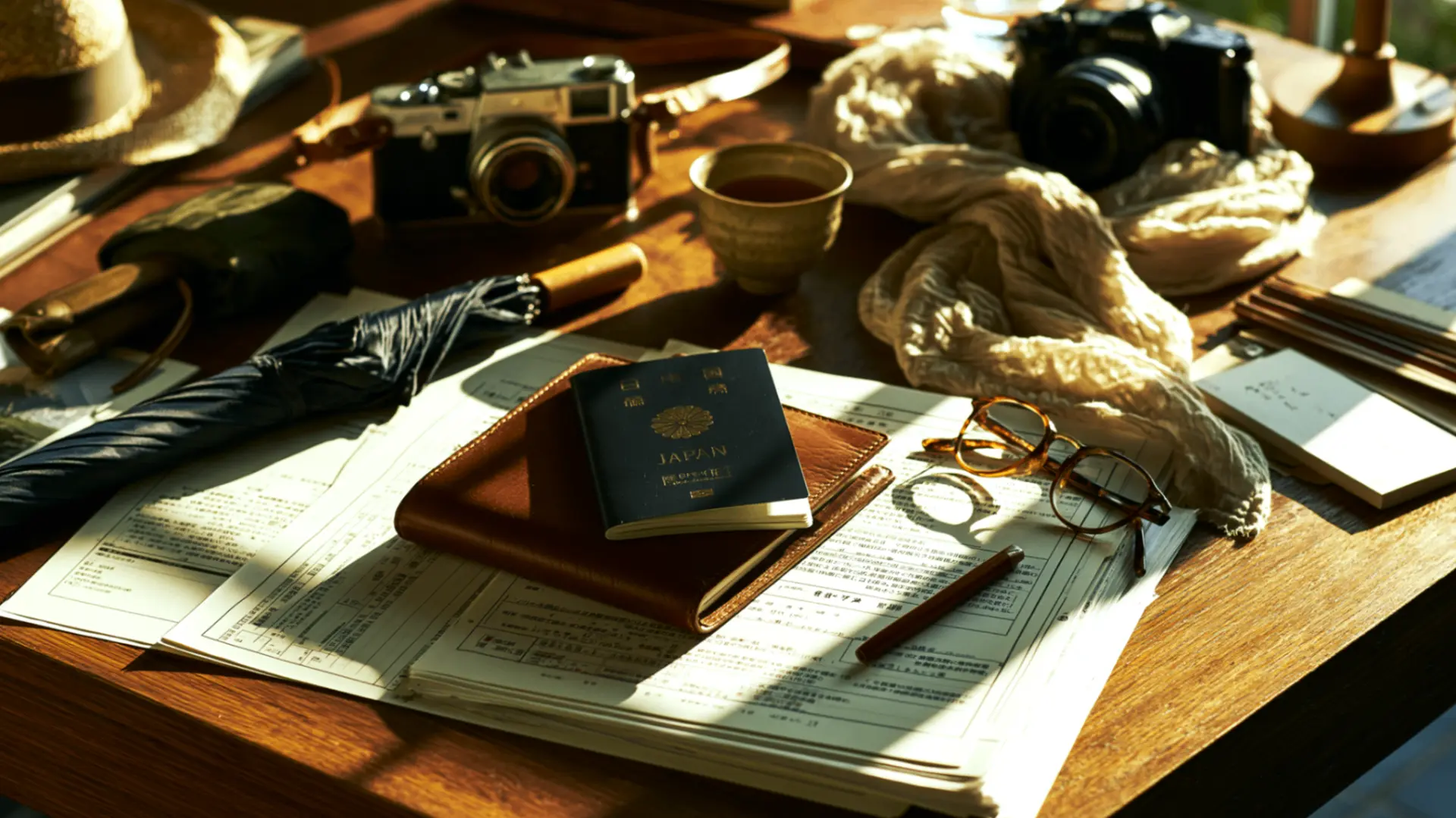
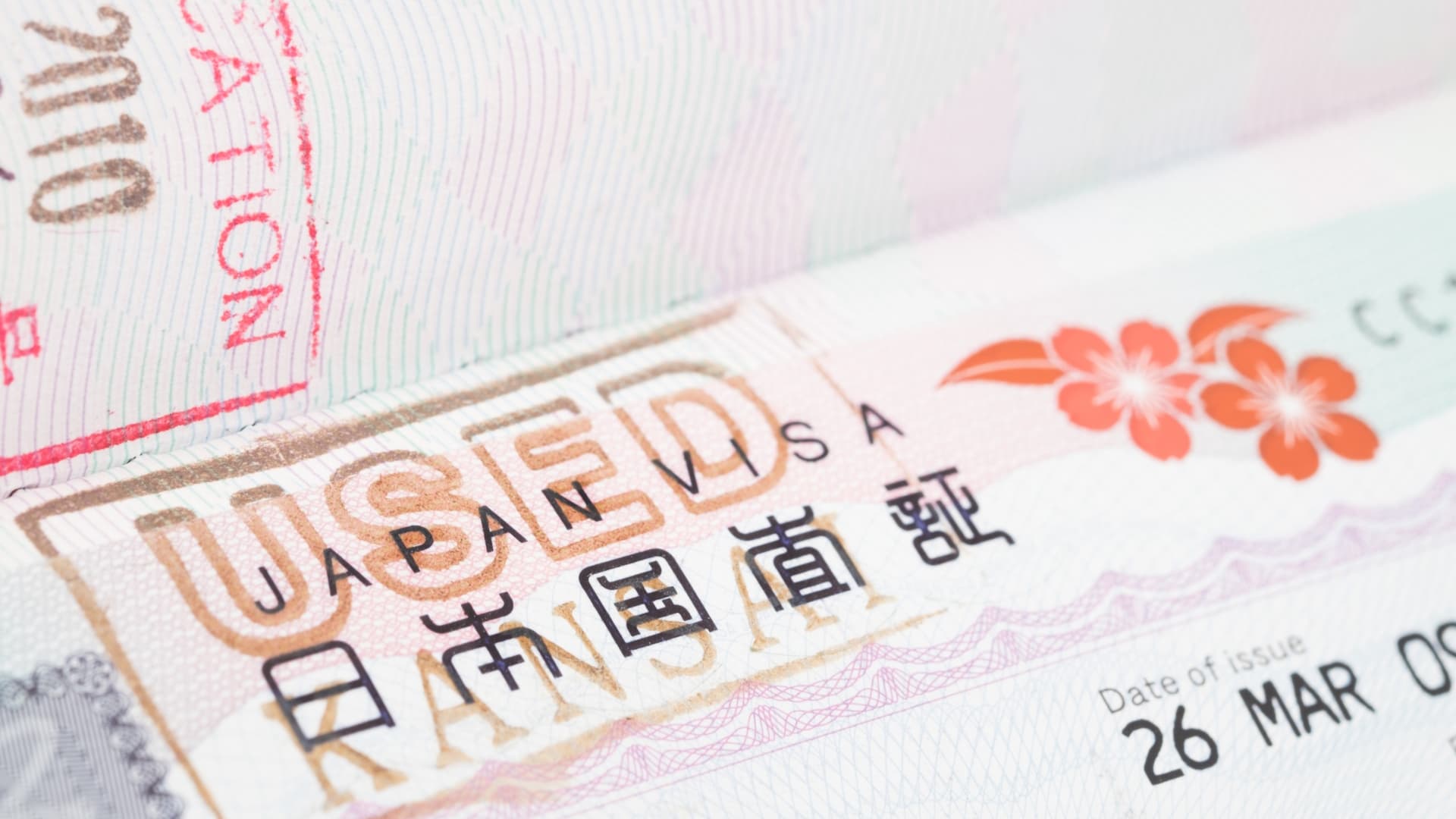
Visa requirements depend on your nationality. Verify the entry conditions with the embassy or consulate of Japan in your country of residence, and check any requirements your own country may impose on return. Required documents: - Passport valid for the duration of your stay - Return or onward ticket - Travel insurance (recommended) Customs formalities should be anticipated before your trip to Japan.
4 articles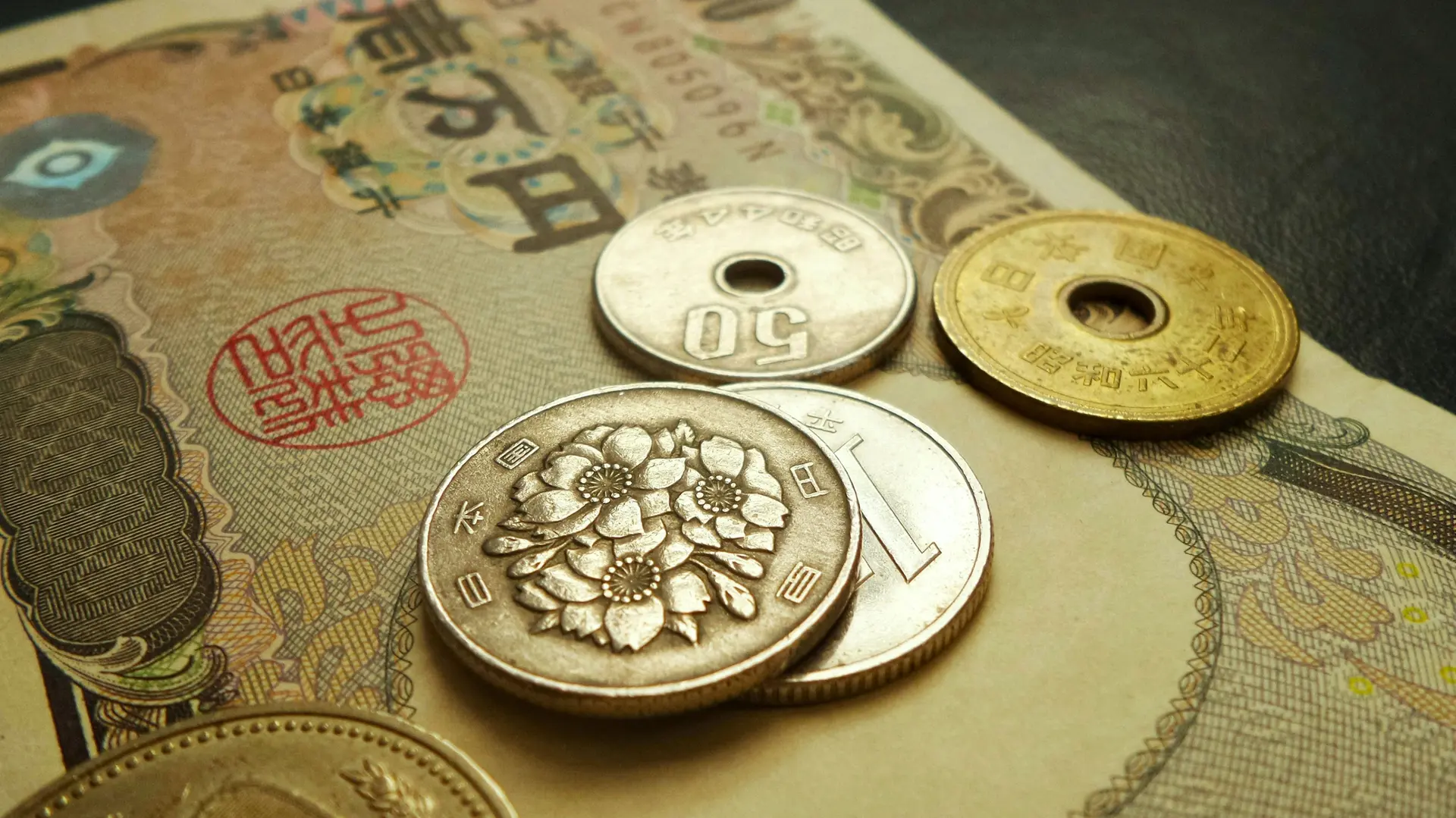
Budget & Currency
Japanese yen, 150 to 250 euros per day and per person, cards accepted in cities, cash useful in rural areas, no tipping.
Climate Season
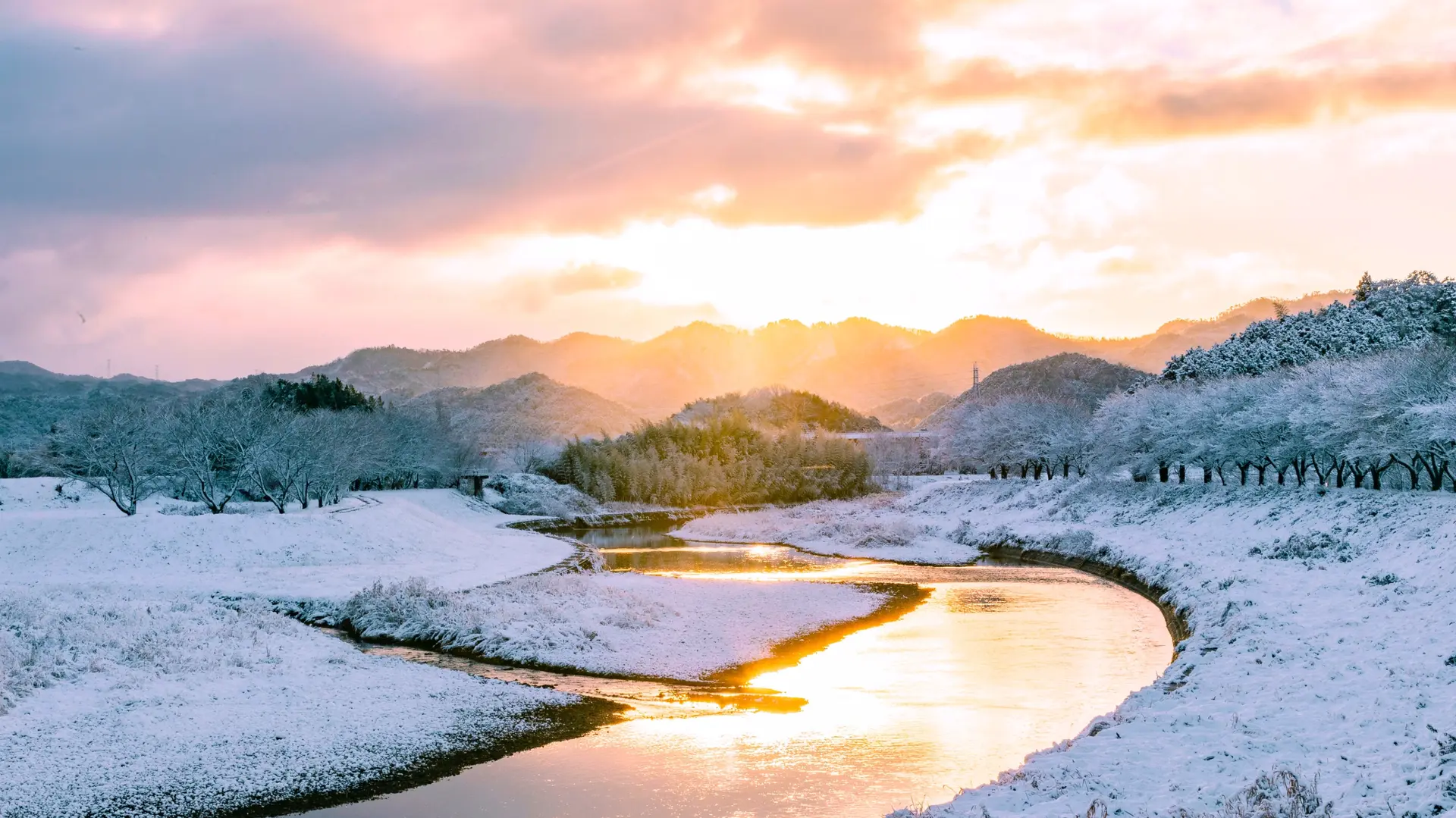
Four distinct seasons, cherry blossoms in late March, monsoon rains in June, August heat, autumn maples, and snow in Hokkaido in January.
1 article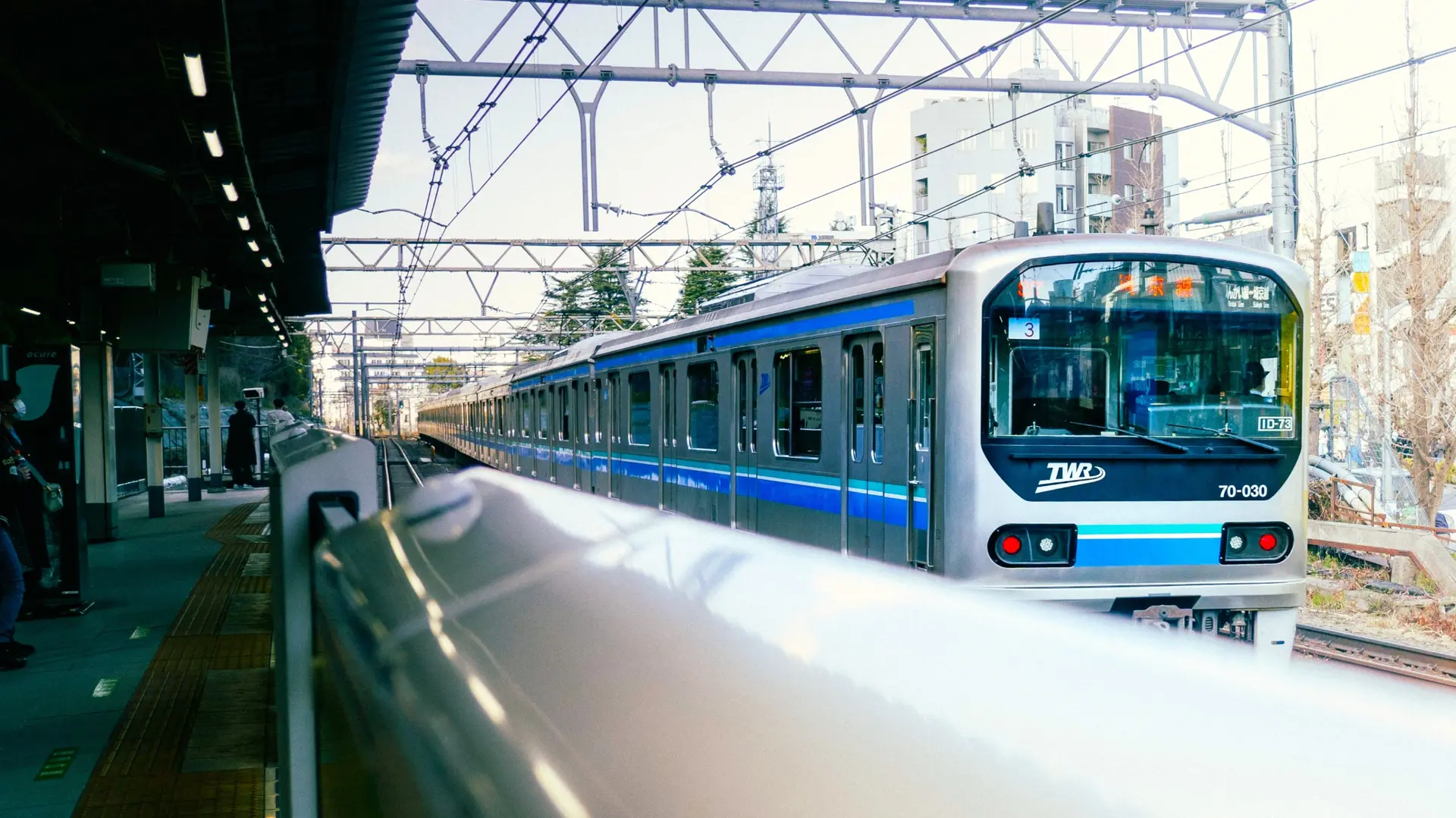
Transports
Shinkansen at 320 km/h, JR Pass, urban metros, local buses in the Alps, car rental useful in Hokkaido and Kyushu.
4 articles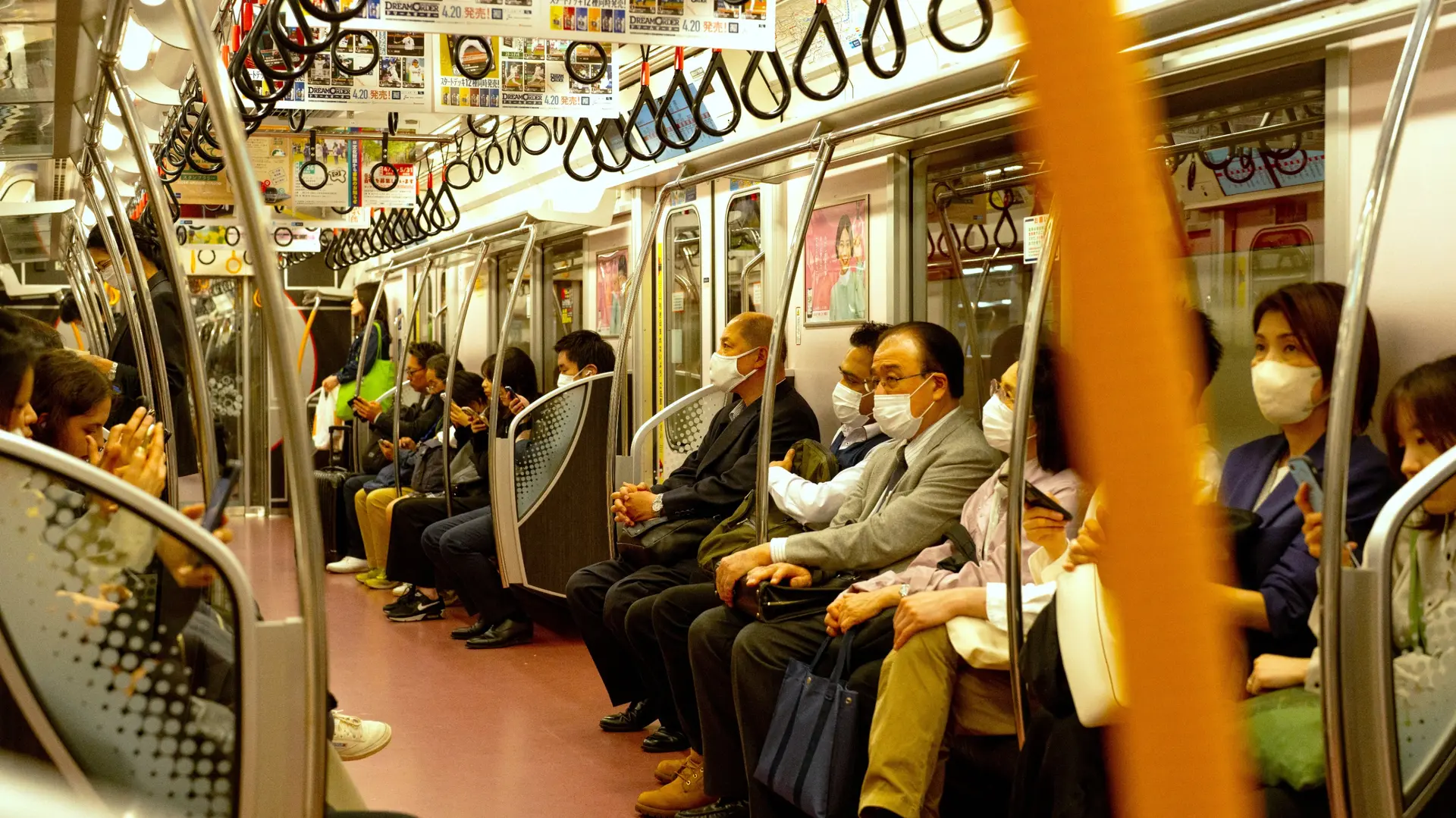
Culture
Shoes removed at the entrance, silence on trains, contactless greetings, hot spring etiquette, chopsticks placed flat on the rest.
27 articles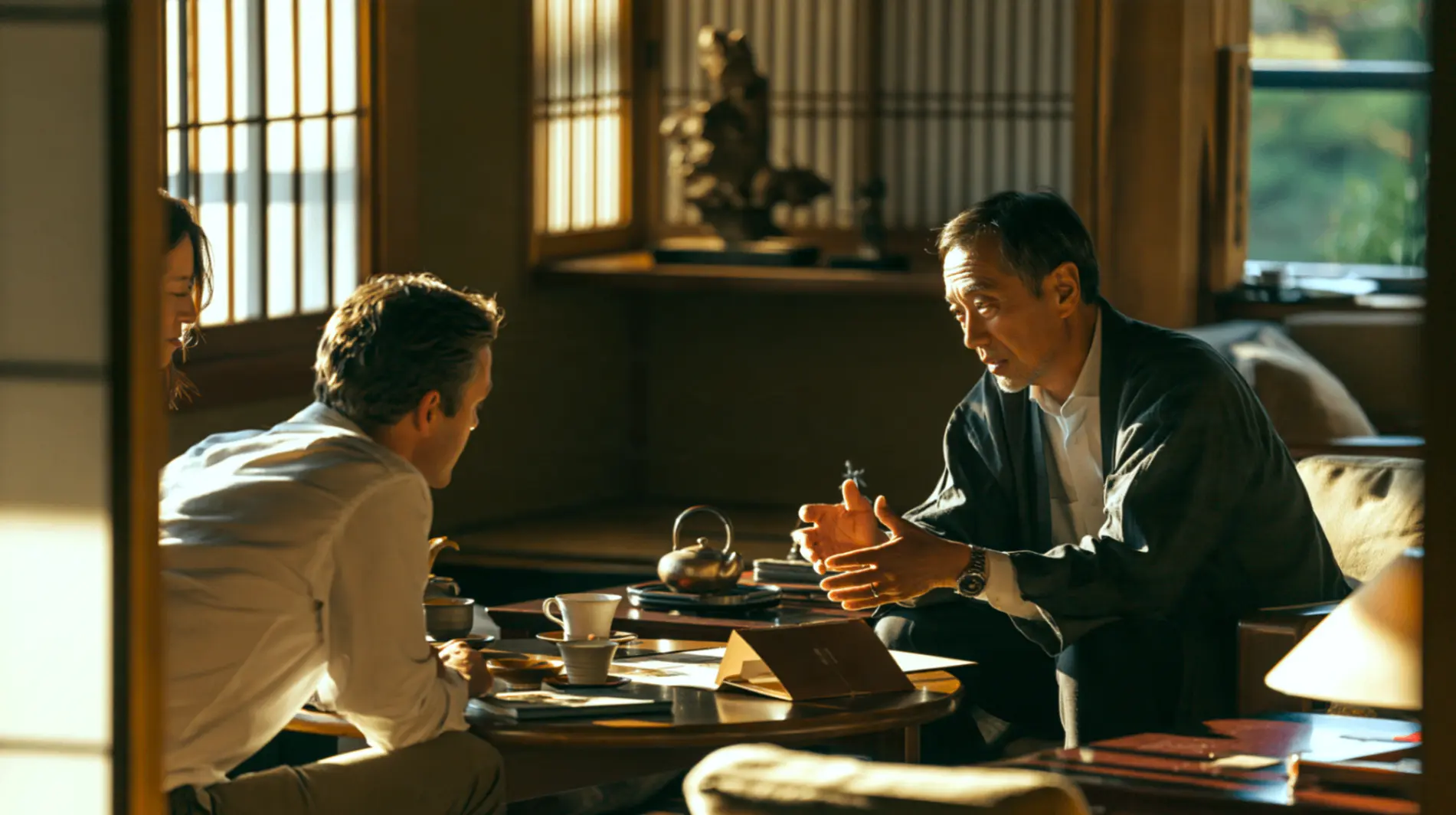
Useful Tips
High safety, tap water is potable, type A plugs 100V, pocket wifi or eSIM, frequent earthquakes but well-established protocols.
3 articlesAll practical guides
Search and filter among 39 articles


18 of 39 results
Frequently asked questions
The answers to the most frequently asked questions from our travellers.
Entry requirements for tourists typically include visa exemptions for short stays, subject to your nationality and the duration of your visit. Upon arrival at the airport, you will receive an entry stamp after a brief interview and biometric data collection (fingerprints). Your passport must be valid for the entire duration of your stay. An online pre-arrival declaration system is available to facilitate customs and immigration procedures. We provide detailed instructions to all travelers two weeks before departure. For stays exceeding 90 days or for visits involving professional activities, a visa is required. Visa requirements and application procedures vary by nationality. You must verify the specific conditions applicable to you with the embassy or consulate of Japan in your country of residence, as well as with your own country's authorities before traveling.
No vaccines are mandatory to enter Japan. Universal vaccinations (DTP, hepatitis B, MMR) simply need to be up to date. Japanese encephalitis, transmitted by mosquito, is only recommended for prolonged stays in rural rice-growing areas, mainly in Kyushu and Okinawa between July and October. Hepatitis A can be discussed depending on dietary habits, although the risk remains very low. No malaria on the archipelago, and dengue occurs only sporadically in Okinawa. Japan's healthcare system is excellent, but medical care is expensive: travel insurance with repatriation assistance remains essential. Our team provides a list of English-speaking hospitals in Tokyo, Kyoto, and Osaka.
Budget between €150 and €250 per day per person, excluding international flights, for mid-range to upscale travel. Accommodation is the largest expense: €80 to €150 per night in a 3-star hotel in Tokyo, €200 to €400 per person in a traditional ryokan with kaiseki dinner and private bath. Meals remain affordable: €8 for a bowl of ramen, €15 to €25 for a classic lunch, €60 to €120 for a fine dining dinner. Transportation is a significant cost: a 14-day JR Pass costs around €320. For luxury trips featuring exceptional ryokans and Michelin-starred restaurants, budget increases to €400 or €500 per day per person.
Two seasons stand out. Spring, from late March to mid-May, offers cherry blossom blooms (sakura) on specific dates depending on latitude: Kyushu in late March, Tokyo and Kyoto in early April, Hokkaido in late April. Temperatures range between 12 and 22°C. Autumn, from October to late November, brings vibrant maple colors, clear skies, and temperatures of 15 to 22°C. The rainy season (tsuyu) from mid-June to mid-July and the humid heat of August (35°C, 80% humidity) remain the least favorable periods. Typhoon season extends from late August to October, peaking in September. Winter is suitable for Hokkaido and snow-covered hot springs.
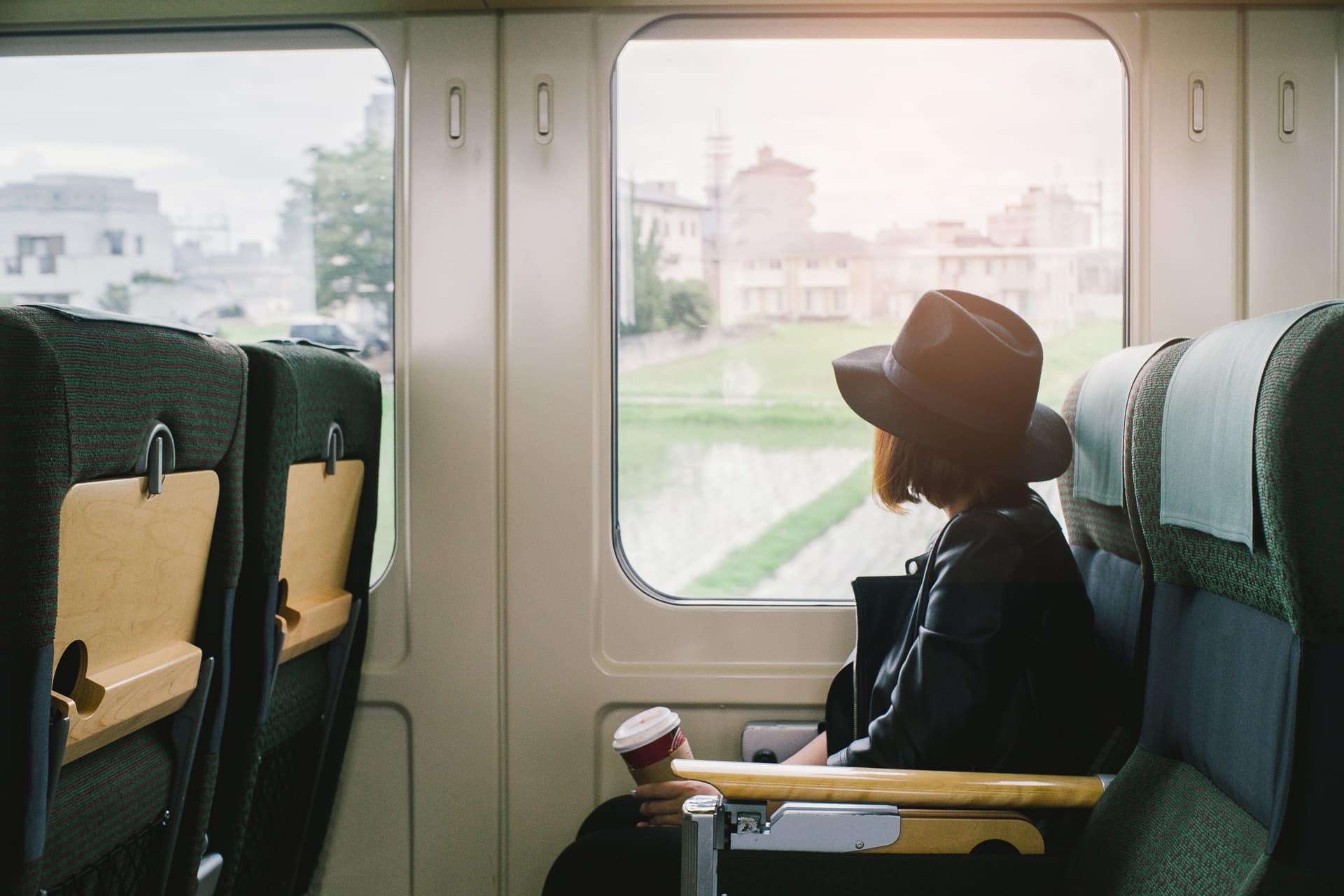
The Shinkansen, a high-speed train, connects major cities at 320 km/h with legendary punctuality: Tokyo to Kyoto in 2 hours 15 minutes, Tokyo to Hiroshima in 4 hours. The JR Pass, reserved for tourists, allows unlimited travel on the JR network for 7, 14, or 21 days. In cities, subways and commuter trains cover everything, with rechargeable prepaid Suica or Pasmo cards. For rural areas like the Noto Peninsula, Hokkaido, or Okinawa, car rental becomes useful: international driving permit required, left-hand driving, English-language GPS readily available. Overnight long-distance buses offer an economical alternative. Our English-speaking team in Tokyo books all reserved tickets in advance, particularly during cherry blossom season.
Japan ranks among the world's safest countries, with very low crime rates and a strong sense of security even late at night, including for solo female travelers. Lost items are systematically returned to kobans (neighborhood police boxes). The main precautions concern natural risks: frequent earthquakes with well-established protocols, typhoons from late August to October, and volcanic eruptions under constant monitoring. The free Safety Tips app, recommended by our team, provides real-time alerts for earthquakes and typhoons. Standard practice includes locating emergency exits at your hotel and carrying your passport with you; identity checks are possible but rare. No areas are advised against.
Ready to travel to in Japan?
Discover our tailor-made itineraries, designed by our local team. Each route adapts to your pace, your preferences and your travel season.
See our toursWe use cookies to improve your experience and measure our site's audience. You can choose what you accept. Learn more.