Urban Cycling Tour
Urban Cycling Tour
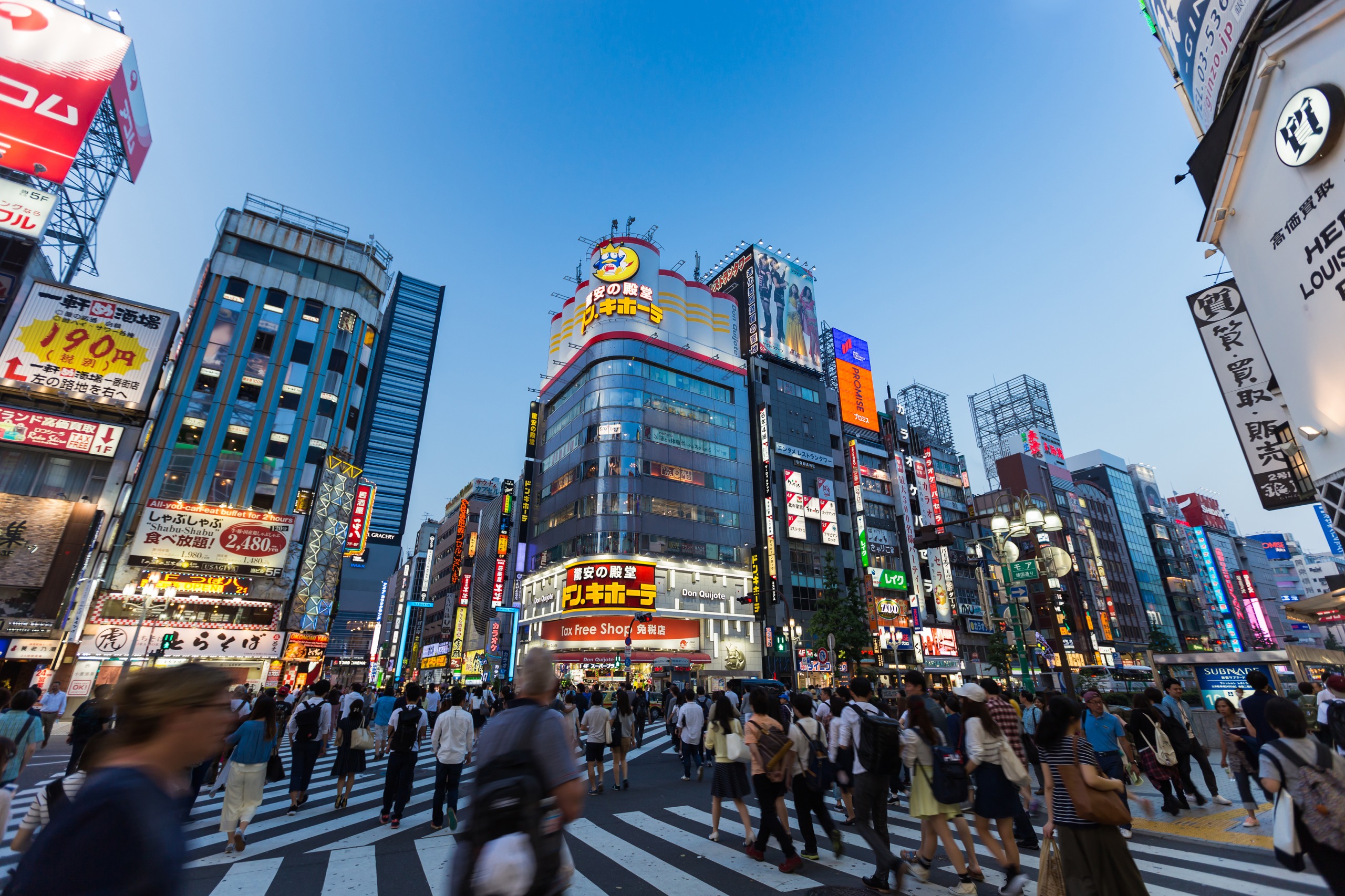
Everyone in Japan seems to own a bicycle. In major cities, commuters, students and tourists compete for sidewalk space. On the road, traffic is equally heavy. But there are many less hectic places where you can pedal peacefully and enjoy the fabulous landscapes of the land of the rising sun.
Everyone in Japan seems to own a bicycle. In major cities, commuters, students and tourists compete for sidewalk space. On the road, traffic is equally heavy. But there are many less hectic places where you can pedal in complete tranquility and enjoy the fabulous landscapes of the land of the rising sun.
The history of the bicycle in Japan
The first Japanese bicycles, called "jitensha," appeared in the 1920s-1930s. They were primarily used by farmers in the 1950s. The boom came in the 1960s: more and more city dwellers took to cycling, and cities developed infrastructure to accommodate this trend. The bicycle was on its way to becoming a true institution, and from 1975 onwards, parking facilities for this two-wheeled mode of transport began to become part of Japanese urban planning.
Discovering Japan by bike
Japan has a thousand postcards to offer—discover them at your own pace by traveling by bicycle. On the nature side, explore rice paddies, coastal landscapes, mountains and lakes. On the urban side, roads wind through futuristic buildings, passing through historic neighborhoods along the way. A temple or traditional inn can appear at any moment, making cycle touring in Japan an adventure always full of surprises.
Shimanami Kaido, the cyclist's promised land
Cycle along the famous Shimanami Kaido cycling route. Spanning about sixty kilometers, this path connects the islands of Shikoku and Honshu. From Imabari to Onomichi, let yourself be seduced by the landscapes of the islands you'll traverse in the heart of the Seto Inland Sea. If you wish, you can leave the main route to join flat paths by the seaside, or tackle more challenging mountain roads. Gastronomy is part of the journey, with numerous gourmet spots scattered along the way. During a break, try local seafood and octopus specialties. Historic attractions also await, such as Kojo-ji Temple and Innoshima Suigun Castle.
Explore greater Tokyo by bike
Many believe it's impossible to visit Tokyo by bicycle because of heavy car traffic. That's not true! The Japanese capital, while traffic is indeed congested, has its own network of cycling paths. You'll find on-road and off-road routes both in urban centers dominated by skyscrapers and in historic alleyways, parks, or seaside areas. Yoyogi Park, near Shibuya, as well as the area around the Imperial Palace are the most popular spots.
Picturesque ride in Sawara
The small town of Sawara is located near Narita, Japan's busiest international airport. You'll find the atmosphere of old Edo, with low, quiet houses lining the traditional canal. Once, Sawara was a hub for maritime transport thanks to the Onogawa River that runs through it. When you reach the Toyohashi Bridge, take a moment to leave your bike and appreciate the folksy scenery.
Matsuyama-Imabari, cycling then relaxation…
The Matsuyama-Imabari cycling path runs along the seaside for approximately 46 kilometers. It begins at Imabari Station and ends at the famous hot spring facility Dogo Onsen. Many improvements are underway on the path, such as the installation of blue lines that will serve as markers, to offer users a better experience. After pedaling all day, soothe your muscles in the hot springs of the Dogo region.
Practical tips
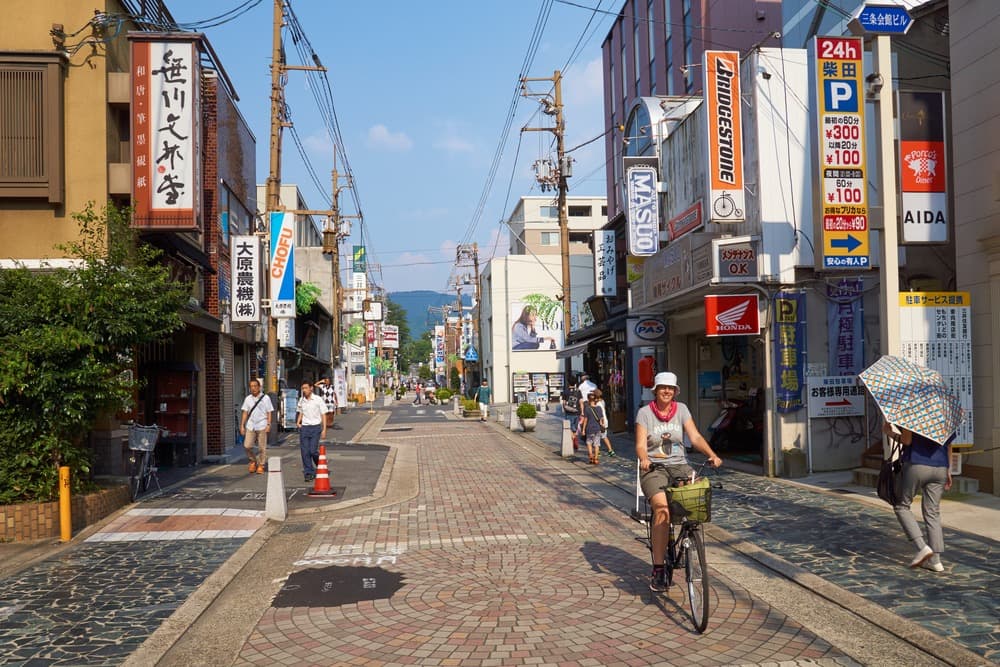
In Japan, as in many countries, you can ride on the road in many streets. Riding on the sidewalk can be unsteady at first—you need to watch out for pedestrians who have the right of way. Most importantly, go slowly. Rental bikes are usually equipped with bells that will help you weave through crowds of people. Don't hesitate to use them. The pedestrians will thank you for alerting them.
Pay attention to ground markings, as in some heavily frequented areas, cycling is not permitted. When roads have dedicated cycling paths, use them to avoid any risk of collision with pedestrians or sometimes irritable drivers.
As for parking, you can't leave your bike just anywhere. Each city, shop, restaurant, or building has signs indicating that bicycles cannot be left in their spaces. As a solution, there are bicycle parking garages that are inexpensive.
Bike rental rates
Bike rental services are available in most Japanese tourist destinations. To access an offer, you may need to provide a deposit and/or an ID. Some establishments may ask for your accommodation address and phone number. The bicycles provided are usually mamacharis. Rental rates typically range from 100 to 300 yen per hour, 400 to 800 yen for half a day, and 1,000 to 1,200 yen per day. Electric bikes are also increasingly available, at slightly higher rates. Mountain bikes and road bikes are rare. Most shops don't accept overnight rentals. Additionally, some accommodations provide bicycles to their guests, either free or for a fee depending on the establishment—don't hesitate to ask.
Give it a go!
Our local experts arrange this activity for you.