Asakusa District
Asakusa District
Asakusa, a historic district in northeast Tokyo, is home to Senso-ji Temple, Nakamise Street, and Sumida Park—witnesses to pre-war Tokyo.
Nestled along the Sumida River in northeast Tokyo, Asakusa concentrates the heritage of the old city of Edo across just a few streets. The district owes its fame to the Senso-ji Temple, the capital's oldest Buddhist sanctuary, around which cluster craft shops, delicacy stalls, and bustling alleyways.
Why Visit Asakusa
Asakusa offers a rare contrast in Tokyo: a human-scaled urban fabric marked by pilgrims, artisans, and street vendors, mere metro stops away from ultra-modern districts like Shibuya or Shinjuku. It is one of the few areas where you can still sense the atmosphere of pre-war working-class Tokyo, despite the 1945 bombings that destroyed much of the temple, then faithfully rebuilt in the 1950s.
The district remains an anchor of traditional culture: calligraphy workshops, geta sandal makers, second-hand kimono shops, rakugo storytelling theaters. It is also the departure point for river cruises on the Sumida, with views over historic bridges.
History of the District and Senso-ji
According to tradition, Senso-ji Temple was founded in 645 after two fishermen pulled a small statue of the goddess Kannon from their nets in the Sumida River. A sanctuary was erected to house it, then enlarged over the centuries until it became a major pilgrimage site during the Edo period (1603-1868).
The surrounding district developed as a popular entertainment zone: kabuki theaters, storytellers, performance halls. By the early twentieth century, Asakusa was one of the country's most vibrant cultural centers. World War II destruction erased much of this architectural heritage, but the place's identity was preserved through temple reconstruction and the devotion of its residents.
What to See in Asakusa
The Kaminari-mon Gate
The entrance to the Senso-ji complex is marked by the Kaminari-mon gate (Thunder Gate), recognizable by its immense red lantern. It houses wooden sculptures of Fujin and Raijin, gods of wind and thunder, who watch over pilgrims.
Nakamise Street
Beyond the gate, Nakamise Street leads to the temple across roughly 250 meters. Lined with shops sometimes run by the same families for generations, it offers fans, wooden combs, washi paper, and snacks to enjoy on the spot like ningyo-yaki (cakes filled with red bean paste) and senbei.
Senso-ji Temple
Also called Asakusa Kannon, the temple features a main hall with curved roofs, an incense burner where devotees draw in purifying smoke, and a five-story pagoda. Next to the Buddhist temple stands the Asakusa-jinja Shinto shrine, a concrete illustration of the coexistence of both religions in Japan.
Tokyo Skytree
Across the Sumida River in the neighboring ward, stands Tokyo Skytree, a broadcasting tower measuring 634 meters. Its two observation decks offer sweeping views over the metropolitan area and, on clear days, Mount Fuji. Allow 15 to 20 minutes on foot from Senso-ji.
Sumida Park
Running along the river, Sumida Park is a popular walking destination, especially in late March and early April when cherry blossoms bloom (sakura).
When to Visit Asakusa
Asakusa is worth visiting year-round, but several periods stand out:
- Late March – early April: cherry blossoms bloom along the Sumida.
- Mid-May: the Sanja Matsuri, one of Tokyo's three largest Shinto festivals, draws approximately 1.5 million visitors over three days around the Asakusa-jinja shrine, with mikoshi (portable altar) processions.
- Late July: the great Sumida fireworks display, one of the oldest in Japan.
- December: Hagoita-ichi market at Senso-ji, where decorative lucky paddles are sold.
To enjoy the temple without crowds, visit early in the morning (the outer complex is accessible 24/7, the main hall according to set hours).
Practical Information
- Fee: access to Senso-ji Temple and Asakusa-jinja shrine is free. Climbing Tokyo Skytree is paid and expensive.
- Duration: allow 2 to 3 hours for the traditional district, half a day if you include Skytree.
- Accommodation: Asakusa offers numerous ryokans and mid-range hotels, often more affordable than business districts.
- To avoid: Nakamise Street midday, especially crowded on weekends.
How to Get There
- Metro: Asakusa station, served by Asakusa (Toei) and Ginza lines.
- Train: Tobu line (useful for heading to Nikko from Asakusa).
- Boat: river shuttles on the Sumida connecting Asakusa to Hama-rikyu and Odaiba.
Note that Asakusa is not on the Yamanote Line and is therefore not accessible with a JR Pass.
Nearby
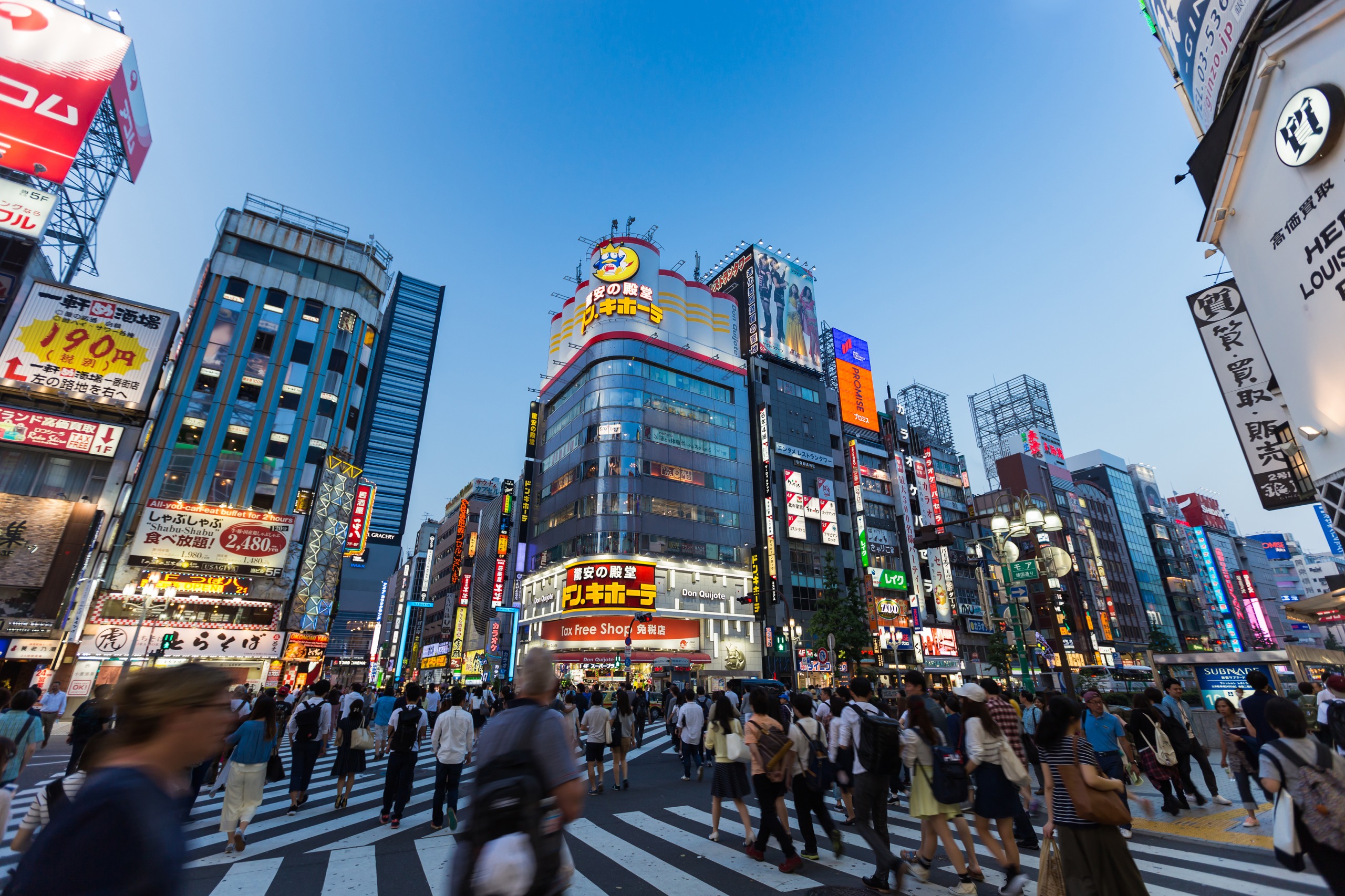
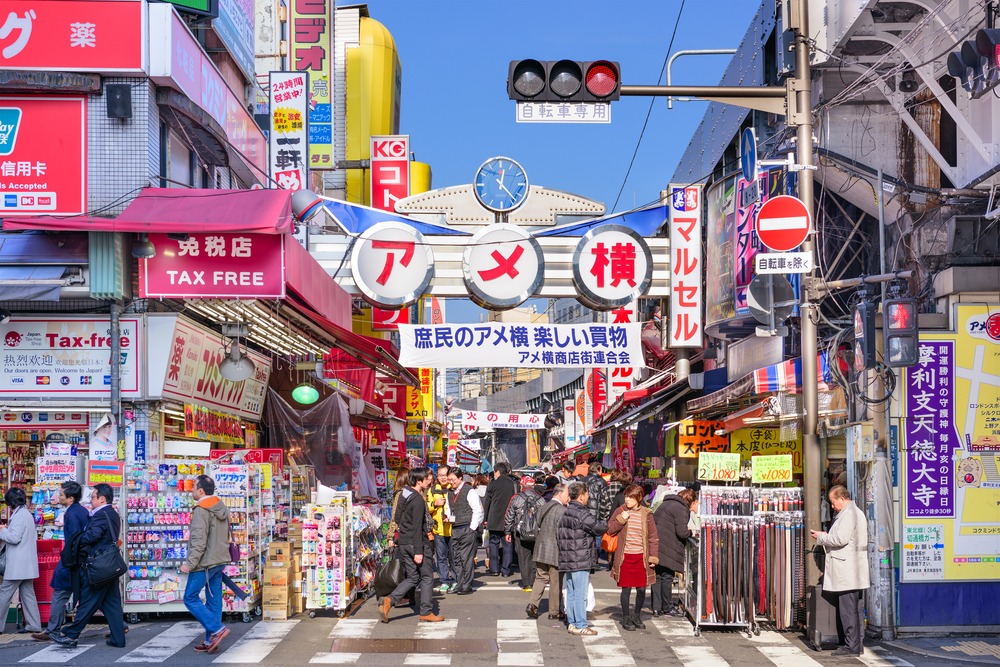
Several sites complement a day in Asakusa: the Ueno district and its park-museum two metro stops away, the Kappabashi market (kitchen utensils street), and the modern Sumida district around Skytree. To further explore Japan's major Buddhist sites, consider next visiting Mount Kōya or Mount Hiei, two of the country's most important monastic centers.
Frequently Asked Questions
Frequently asked questions
No, access to the temple and adjacent Shinto shrine is free. Only certain observation towers like Tokyo Skytree nearby are paid.
Allow 2 to 3 hours to walk through Kaminari-mon Gate, Nakamise Street, the temple, and Sumida Park. Half a day is recommended if you add Tokyo Skytree.
No, Asakusa is not served by JR lines. You must use the metro (Asakusa or Ginza lines) or the private Tobu company, neither covered by the JR Pass.
Spring (late March – early April) for cherry blossoms in Sumida Park, and mid-May for Sanja Matsuri, one of Tokyo's liveliest festivals. Autumn also offers pleasant weather and fewer tourists.
No, Skytree is located in the neighboring Sumida ward across the river. It remains walkable in 15 to 20 minutes from Senso-ji Temple.
Plan Your Trip
Asakusa fits naturally into a Tokyo stay, often at the start or end of an itinerary to grasp the contrast between traditional Japan and the modern metropolis. To build a custom itinerary blending major cities and spiritual sites, explore our Japan journeys.
Nearby
Interested in this visit?
We can include it in your personalised itinerary.