Meirinkan School of Hagi
Meirinkan School of Hagi
School of the Choshu clan founded in 1718, Meirinkan of Hagi preserves four wooden schoolhouses and a museum dedicated to the Meiji industrial revolution.
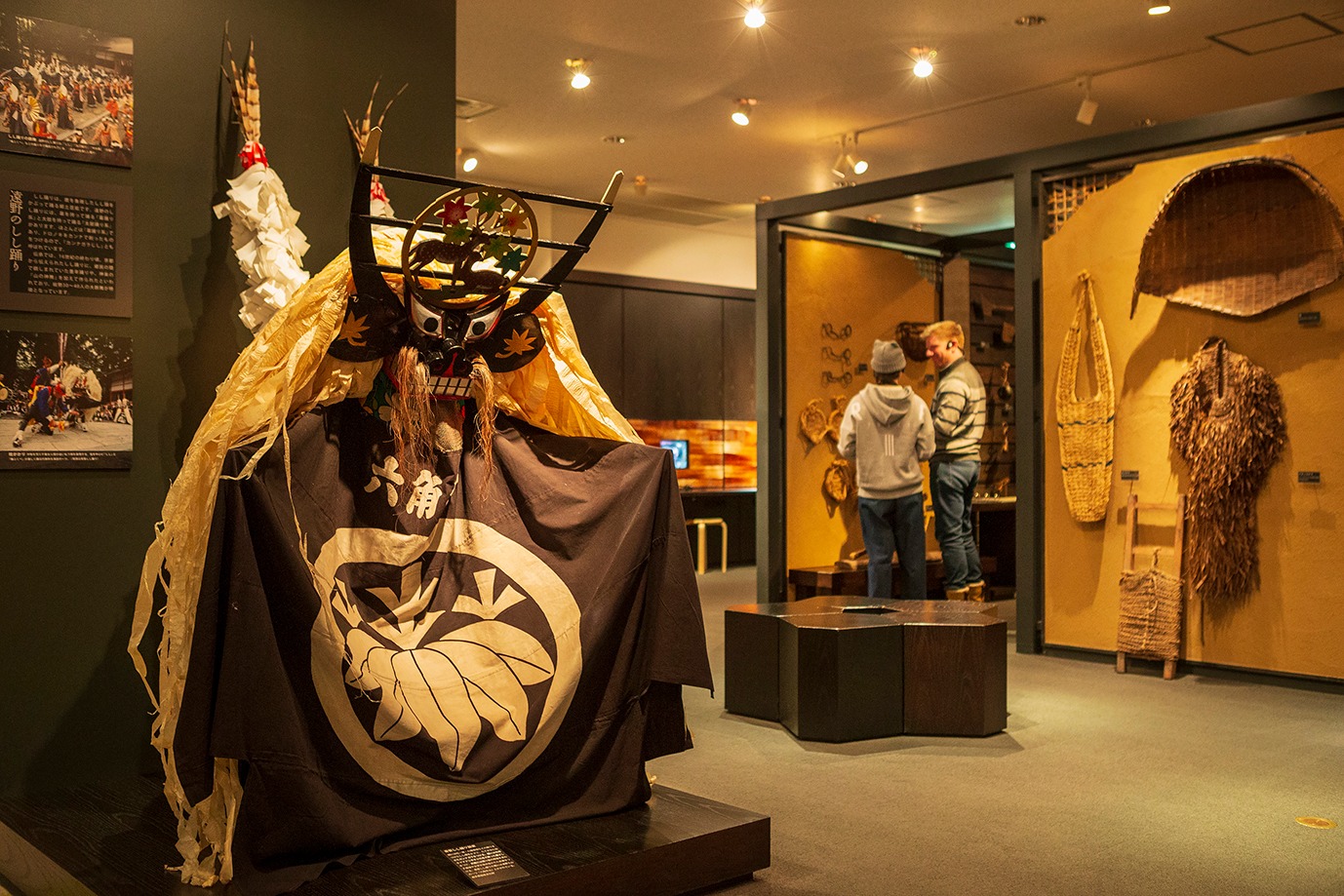
The Meirinkan of Hagi was the school of the Choshu clan during the eighteenth and nineteenth centuries. Today, its wooden buildings house an interpretive center devoted to the history of the city and its role in the Meiji industrial revolution. Part of the site continues to operate as a primary school, perpetuating its original purpose.
Why visit Meirinkan of Hagi
Meirinkan is one of the rare sites where one can concretely grasp how a clan school trained the craftspeople of Japan's modernization. The main wooden building, the museum collections, and the immediate proximity of the samurai district make it a logical starting point for understanding Hagi before exploring its fortified streets. The site received in 2015 the status of Meiji Industrial Revolution World Heritage Site by UNESCO.
History of the school
Hagi was founded by general Terumoto Mori in the early seventeenth century, in the delta of the Abu River. The castle town became the capital of the former provinces of Nagato and Suo, now united in Yamaguchi Prefecture.
In 1718, Mori Yoshimo, sixth daimyo of the Choshu domain, founded Meirinkan to train future leaders of the clan. The school then occupied 3,102 m² in the Sannomaru, the third keep of Hagi Castle. Under Mori Takachika, the fourteenth daimyo, it was moved to the lower area of the castle and expanded to 50,000 m². In 1863, Hoyo Ueda relocated the institution to Yamaguchi under the name Yamaguchi Kodo, which later gave rise to Yamaguchi Meirinkan.
Several former students left their mark on Japanese history:
- Yoshida Shoin and Takasugi Shinsaku, intellectual figures of the Meiji Restoration
- Kido Takayoshi, considered one of the three great nobles of the Restoration
- Miura Goro, lieutenant general of the Imperial Army
- Aoki Shuzo, viscount and former foreign minister
What to see on site
From the original complex, four large wooden schoolhouses of elongated form and several annex buildings remain. One of these halls formerly served as a military training ground for members of the Mori clan, where they practiced sword and lance combat.
Honkan
The Honkan, accessible with free admission, presents a general introduction to the history of the school and the city. It serves as a tourist office and orientation point for visiting the historic center.
Nigokan
Nigokan is the paid museum on the site. It is divided into two sections:
- A hall devoted to sciences and techniques of the late feudal period: medical equipment, clocks, firearms, witnesses to the introduction of Western knowledge
- A hall dedicated to Hagi sites inscribed in the World Heritage: remains of a cannon kiln, traces of a shipyard, ironwork, ruins of the former castle town and Yoshida Shoin's private school
Practical information
- Location: opposite Hagi City Hall
- Hours: open daily during daytime (check locally for exact hours and possible closures)
- Admission: Honkan free, Nigokan paid (moderate fee)
- Duration of visit: allow 1 to 2 hours depending on interest in the collections
Around the area
Meirinkan lends itself to a broader tour of the historic center of Hagi, one of the rare Japanese cities to have preserved its fortified city layout:
- Horiuchi district: former residence of high-ranking samurai, framed by earthen walls, with several homes open for visits
- Aiba Canal: navigable waterway developed in the eighteenth century, bordered by old residences; cruises are sometimes organized here
- Yukawa and Katsuro Tarô residences, witnesses to merchant and intellectual housing
- Shizuki Park: moats and sections of walls of the former castle at the foot of Mount Shizuki
- Tokoji Zen temple: erected in 1691 on the banks of the Matsumoto River, its wooden structures are designated Important Cultural Properties of Japon
How to get there
From Higashi-Hagi station, Meirinkan is accessible in about ten minutes by bicycle or in less than 30 minutes on foot. Bicycle rental services are available at the station. Two lines of the Maru tourist bus serve the area, stop Hagi Center Meirin.
To reach Hagi from outside:
- By train: from Tokyo, the Nozomi Shinkansen (Tokaido/Sanyo lines) to Shin-Yamaguchi, then connection to Hagi; plan for a half-day journey
- By air: flights to Hagi-Iwami airport from Haneda (Tokyo) and Itami (Osaka)
- By long-distance bus: connections from Tokyo, Osaka, Umeda and Hiroshima to Hagi bus station
Frequently asked questions
Frequently asked questions
Prepare your trip
Meirinkan is part of an itinerary centered on western Honshu and the history of Japan's modernization. To structure your stay around Hagi and the great stages of Japanese culture, consult our ideas for travel to Japon.

Interested in this visit?
We can include it in your personalised itinerary.