Mount Unzen
Mount Unzen
An active volcano with four domes, Mount Unzen dominates the Shimabara Peninsula. Hiking, the Fugen-dake cable car and the sulfurous baths of Unzen Onsen.
In southwestern Japan, Mount Unzen dominates the Shimabara Peninsula with its four volcanic domes. Still active, it combines mountain landscapes, hiking trails and renowned hot springs. Nearby, the town of Shimabara preserves the memory of historic eruptions that marked the region.
Why visit Mount Unzen
Mount Unzen offers three complementary experiences: hiking to Fugen-dake (1,359 m, the highest peak), visiting an still-living volcanic site, and relaxing in the Unzen Onsen baths. The area is part of the Unzen Amakusa National Park, created in 1934 and one of Japan's oldest national parks. The spectacular geology, preserved vegetation and quality of thermal waters make it a complete stop for anyone visiting Kyushu.
History of the volcano
The Unzen complex formed approximately 200,000 years ago, shaped by successive eruptions of dacitic lava. Its activity generated four main domes: No-dake, Myoken-dake, Mayu-yama and Fugen-dake, the latter peaking at 1,359 m.
The 1792 eruption
In the night of May 21, 1792, the collapse of the Mayu-yama dome triggers a massive landslide that plunges into the Ariake Sea. The resulting megatsunami, with waves reaching tens of meters in some coastal areas, kills approximately 15,000 people. This episode remains one of the worst natural disasters in Japanese history.
The 1990-1995 awakening
The volcano awakens in 1990 after nearly two centuries of dormancy and experiences intermittent eruptions until 1995. In 1991, a sudden explosion kills a group of scientists and journalists present in the danger zone to document the activity. This eruptive phase gives rise to the Heisei-Shinzan dome, which peaks at 100 m above Fugen-dake and constitutes today the highest point in the massif.
What to see and do
The Fugen-dake cable car
The cable car connects Nita-toge Pass, at 1,100 m altitude, to the upper station of Myoken-dake, situated 200 m higher. The departure station, accessible by car or on foot, has a parking lot and a few shops. From the upper station, observation platforms overlook the smoking cone and the Heisei-Shinzan dome. The cable car does not lead directly to the summit: allow approximately one hour of walking to reach Fugen-dake.
Hiking routes
Several trails allow for ascent:
- From Shimabara, at the foot of the mountain: a long route, plan a full day.
- From the thermal town of Unzen Onsen: approximately 3 hours to the summit.
- From Nita-toge with the cable car: approximately 1 hour of walking from the upper station, the quickest option.
The trails are marked and safety zones are indicated in case of renewed activity.
Unzen Onsen
Below Nita-toge Pass, the thermal town of Unzen Onsen is a classic stop for hikers. Its waters stand out for their acidity and high sulfur content, a direct consequence of proximity to the volcano. Sulfurous vapors, streets lined with ryokans and traditional baths compose the village atmosphere. The practice of wearing yukata while strolling between baths is part of the local ritual.
Heisei Shinzan Nature Center
On the volcano's flank, toward Shimabara, the Heisei Shinzan Nature Center is a small museum dedicated to Mount Unzen. The exhibitions cover volcanic geology, the progression of the 1990-1995 eruptions, active volcano monitoring techniques, and environmental regeneration after an eruptive crisis. A useful stop before or after climbing.
Practical information
The area can be visited year-round but the cable car and some trails may close due to bad weather or increased volcanic activity. Allow 1 to 2 hours for the Nature Center, half a day to a full day for hiking depending on the chosen route. Bring hiking shoes, warm clothing at altitude (the summit remains cool even in summer) and water.
When to go
Each season offers a different atmosphere:
- Spring (April-May): azalea blooms, pink hues on the slopes.
- Summer (June-August): cool temperatures at altitude, pleasant contrast with Nagasaki's heat.
- Autumn (October-November): one of Kyushu's best sites for koyo (autumn foliage).
- Winter: moderate temperatures compared to the rest of Japan, ideal period for onsens.
How to get there
Direct buses reach Unzen Onsen from:
- Shimabara: approximately 50 minutes.
- Isahaya: approximately 1 hour 30 minutes.
- Nagasaki: approximately 1 hour 40 minutes.
Bus connections between Unzen Onsen and Nita-toge station are limited. Without a personal car, a taxi (private or shared by reservation) remains the most practical option for accessing the cable car.
Nearby
Mount Unzen easily combines with other stops in Kyushu and central Japan:
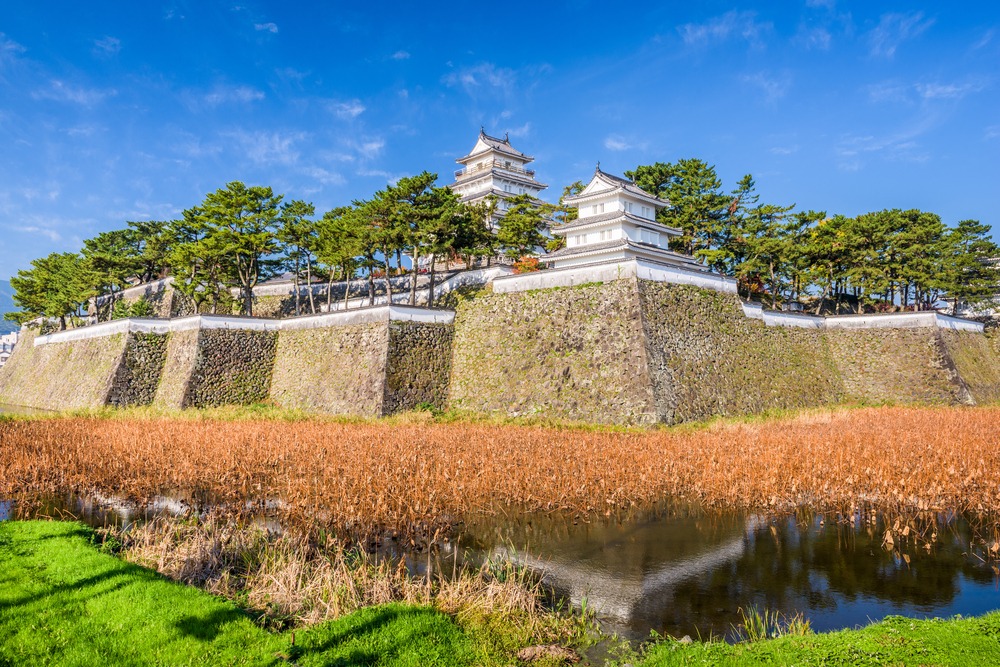
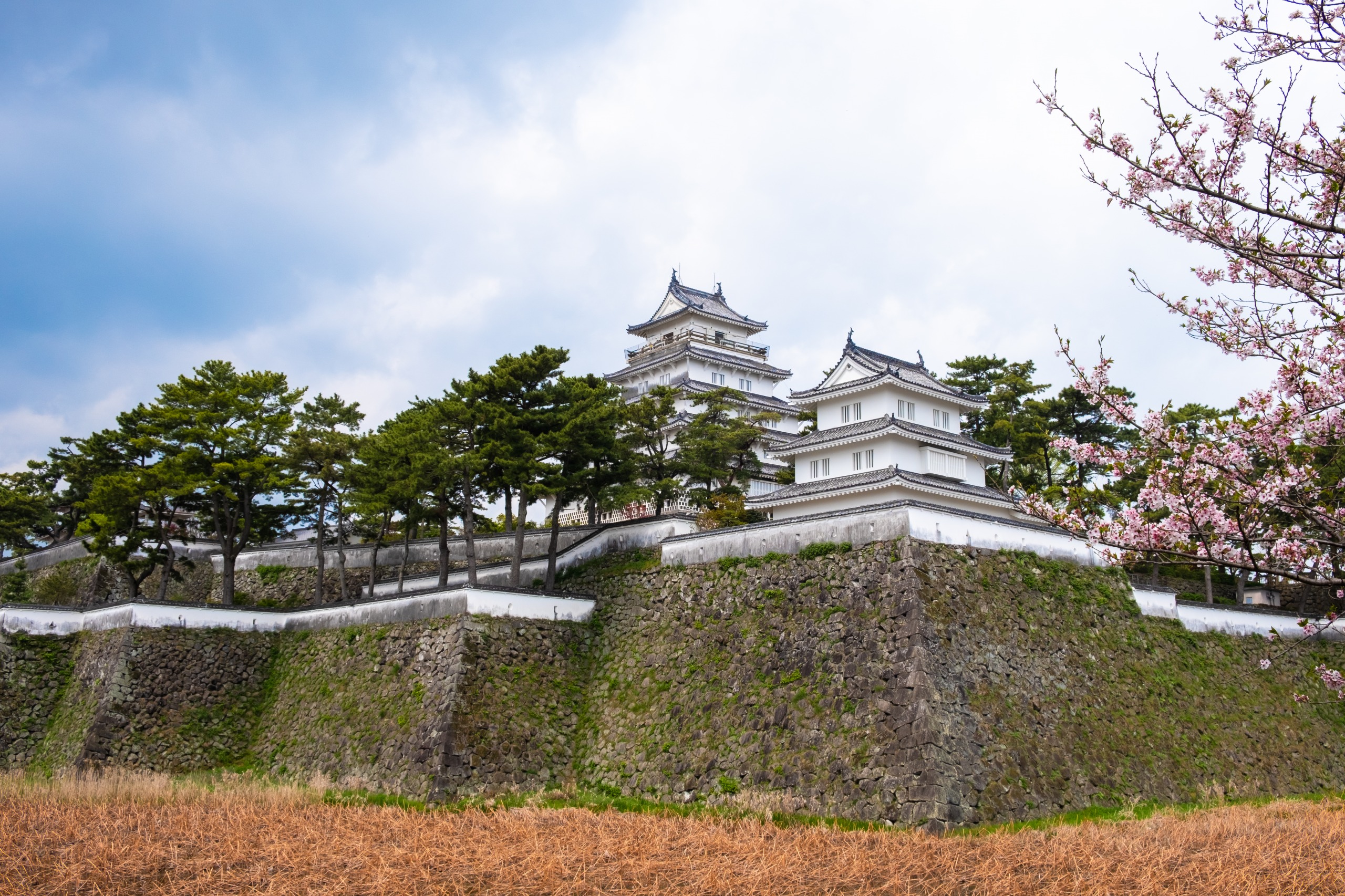
- Shimabara and its castle, at the foot of the volcano.
- Mount Inasa in Nagasaki, for an urban panorama at sunset.
- Mount Hiei, another sacred mountain in Japan with its temples.
Frequently asked questions
Frequently asked questions
Yes. The volcano remains classified as active and is subject to permanent monitoring. Its last eruptive phase spanned 1990 to 1995. Trails and the cable car operate normally, with marked safety zones.
No. The cable car option from Nita-toge requires only one hour of walking on marked terrain to reach the Fugen-dake summit. However, routes from Shimabara or Unzen Onsen require good physical fitness.
Unzen Onsen, below Nita-toge Pass, is the most practical base thanks to its ryokans and central position. Shimabara is a livelier alternative, with easy bus access.
One day allows for a cable car ascent, a Nature Center visit and a bath at Unzen Onsen. Two days with a night in a ryokan offer a more complete experience.
Plan your trip
Mount Unzen naturally integrates into a Kyushu itinerary, between Nagasaki, Shimabara and the crossing toward Kumamoto. To build a custom trip including volcanoes, onsens and historic cities, consult our Japan journeys.
Interested in this visit?
We can include it in your personalised itinerary.