Owakudani station, Hakone
Owakudani station, Hakone
Active volcanic valley near Hakone, Owakudani combines sulfurous fumaroles, black eggs Kuro-tamago, scenic ropeway and views of Mount Fuji.
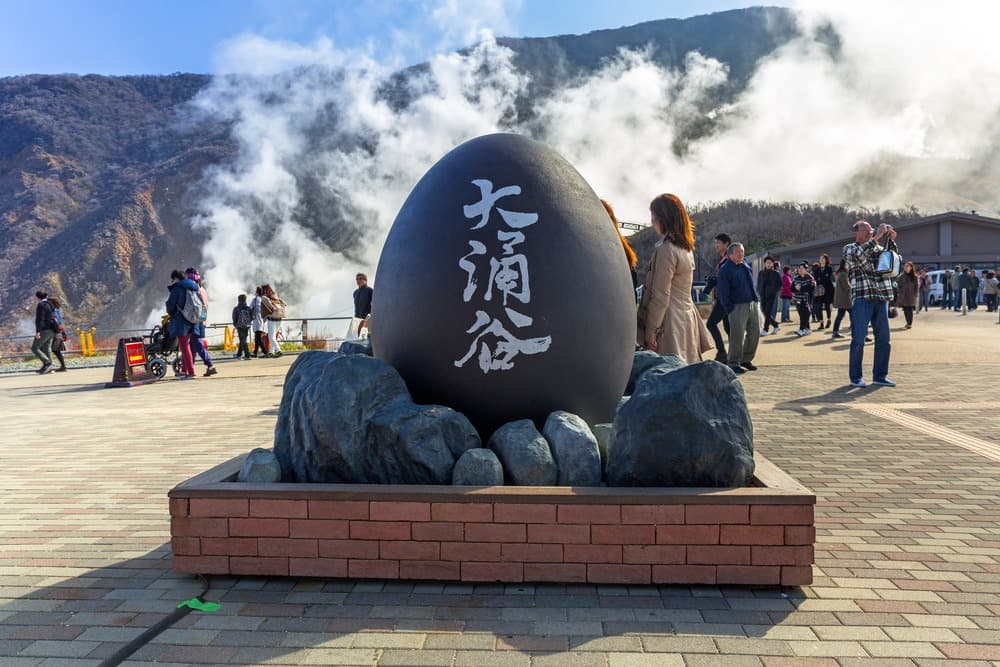
The Owakudani station provides access to the volcanic valley of the same name, nicknamed "the valley of hell". Located in Kanagawa Prefecture, near the town of Hakone, this active geothermal zone combines fumaroles, volcanic trails and a panoramic ropeway.
Why visit Owakudani
Owakudani concentrates several facets of Japanese volcanism on a compact site: plumes of steam rising from the ground, sulfurous hot springs, unobstructed views of Mount Fuji on clear days, and a local culinary specialty—the famous black eggs cooked in boiling water. The station is part of the classic Hakone Round Course itinerary, which combines mountain railway, funicular, ropeway and boat on Lake Ashi.
History of the site
Owakudani valley was born from the magmatic transformations that occurred during the last eruption of Mount Hakone, approximately 3,000 years ago. The residual crater and the hydrothermal fissures that resulted explain the fumarolic activity still visible today.
The site was visited by the imperial couple on August 5, 1873, an event that contributed to its fame. Owakudani station was inaugurated in 1959, at the same time as the opening of the Hakone Ropeway line, which has connected the two sides of the caldera ever since.
What to see and do on site
The volcanic fumaroles
Owakudani is primarily known for its fumaroles rich in sulfurous compounds (particularly H₂S), which form white plumes visible from both the ropeway and observation trails. The characteristic smell of cooked egg signals the presence of sulfur. Dedicated platforms allow you to approach the active zone without direct exposure to emissions.
Black eggs (Kuro-tamago)
The local specialty is Kuro-tamago: eggs cooked in sulfurous hot springs. Their shells turn black through a reaction between sulfur and iron present in the water, while the inside remains like a regular hard-boiled egg, with a subtle sulfurous note. Local legend has it that eating a black egg extends your life by seven years. They are sold in bundles of five at the station shops.
The Hakone Ropeway
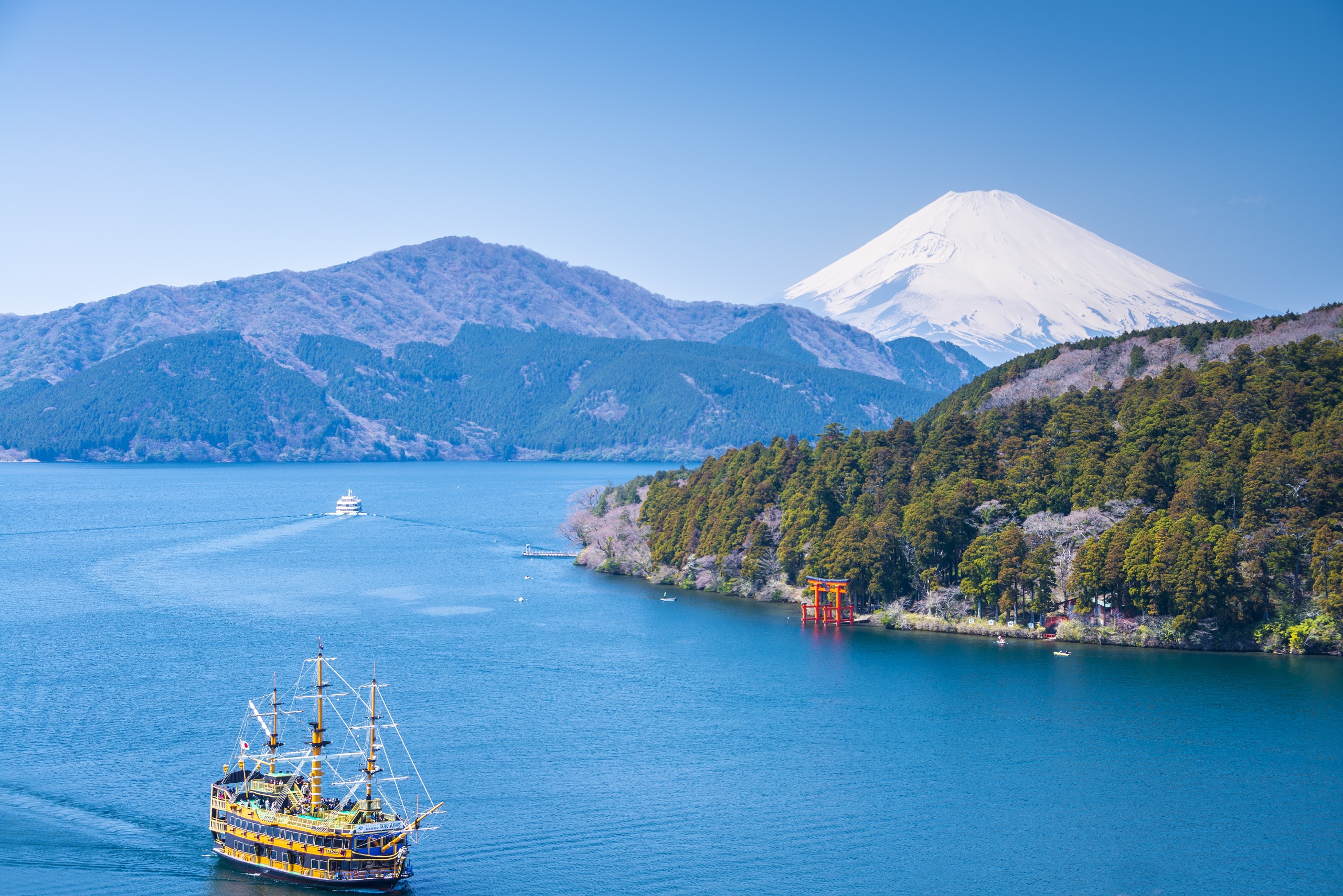
The Hakone Ropeway crosses the valley at altitude and offers, on clear days, unobstructed views of Mount Fuji as well as the Owakudani caldera. It is one of the most convenient ways to grasp the scale of the volcanic site without extensive hiking.
The Hakone Geo Museum
Located at Owakudani itself, the Hakone Geo Museum features exhibitions on local geology, how fumaroles work, and the volcanic history of the massif. The short visit usefully complements outdoor observation and adds meaning to the surface phenomena.
Onsen in the area
The Hakone region is renowned for its onsen, hot springs fed by the geothermal activity of the massif. Several facilities accessible from nearby stations (Gora, Sounzan, Hakone-Yumoto) naturally extend a visit to Owakudani.
Practical information
- Admission: access to the site is free; black eggs and the ropeway are paid activities.
- Hours: open during daytime only, generally from morning until late afternoon. Verify exact times before departure, as they vary by season.
- Duration of visit: allow 1 to 2 hours on site, longer if you combine with the museum and a ropeway ride.
- Accessibility: the station benefits from universal design and remains accessible for people with reduced mobility.
Health warning: due to the concentration of volcanic gases (especially sulfurous compounds), the visit is not recommended for pregnant women, people with asthma, chronic bronchitis, or cardio-vascular diseases.
Closures: the area is subject to frequent closures related to Mount Hakone's eruptive activity. Consult official bulletins before traveling. When the ropeway is interrupted, replacement buses temporarily serve Sounzan and Togendai.
When to visit
The site is open year-round, but conditions vary significantly by season:
- Autumn (October-November): the best visibility of Mount Fuji often coincides with fall colors on the hillsides.
- Winter (December-February): skies often clear, so Fuji is well visible, but snow is possible and ropeway closures may occur in strong winds.
- Spring: mild conditions, high attendance during Golden Week holidays.
- Summer: haze and low clouds often reduce Fuji visibility; thunderstorms are possible.
Regardless of season, check the volcanic alert level before departure, as certain platforms close if activity levels rise.
How to get there
Owakudani is reached primarily via the Hakone Ropeway, from Sounzan station (east side) or Togendai (Lake Ashi side). Sounzan is itself connected to Gora by funicular, and Gora is served from Hakone-Yumoto by the Hakone Tozan Railway, a mountain railway line with rack-and-pinion technology.
The Hakone Free Pass covers all these transports (railway, funicular, ropeway, bus, boat) and is generally the most economical solution for a day visit. From the Owakudani station exit, allow approximately 10 minutes of walking to reach the main volcanic zone.
Nearby
- Lake Ashi and Hakone Shrine: accessible by ropeway then boat from Togendai, downstream from Owakudani.
- Gora: thermal village and gateway to the ropeway, rich in museums (Hakone Open-Air Museum).
- Izu Peninsula: another volcanic and thermal region in southern Kanto, a natural extension of a Hakone visit.
- Hida Takayama and Kamikochi: for those wishing to continue the mountain experience in the Japanese Alps.
Frequently asked questions
Frequently asked questions
Include Owakudani in your trip
Owakudani fits easily into a Tokyo–Hakone–Mount Fuji circuit or into a longer itinerary combining Kanto and the Japanese Alps. To build a custom trip incorporating this site and other highlights of the region, consult our Japan travel guide.
Interested in this visit?
We can include it in your personalised itinerary.