The Higashiyama District
The Higashiyama District
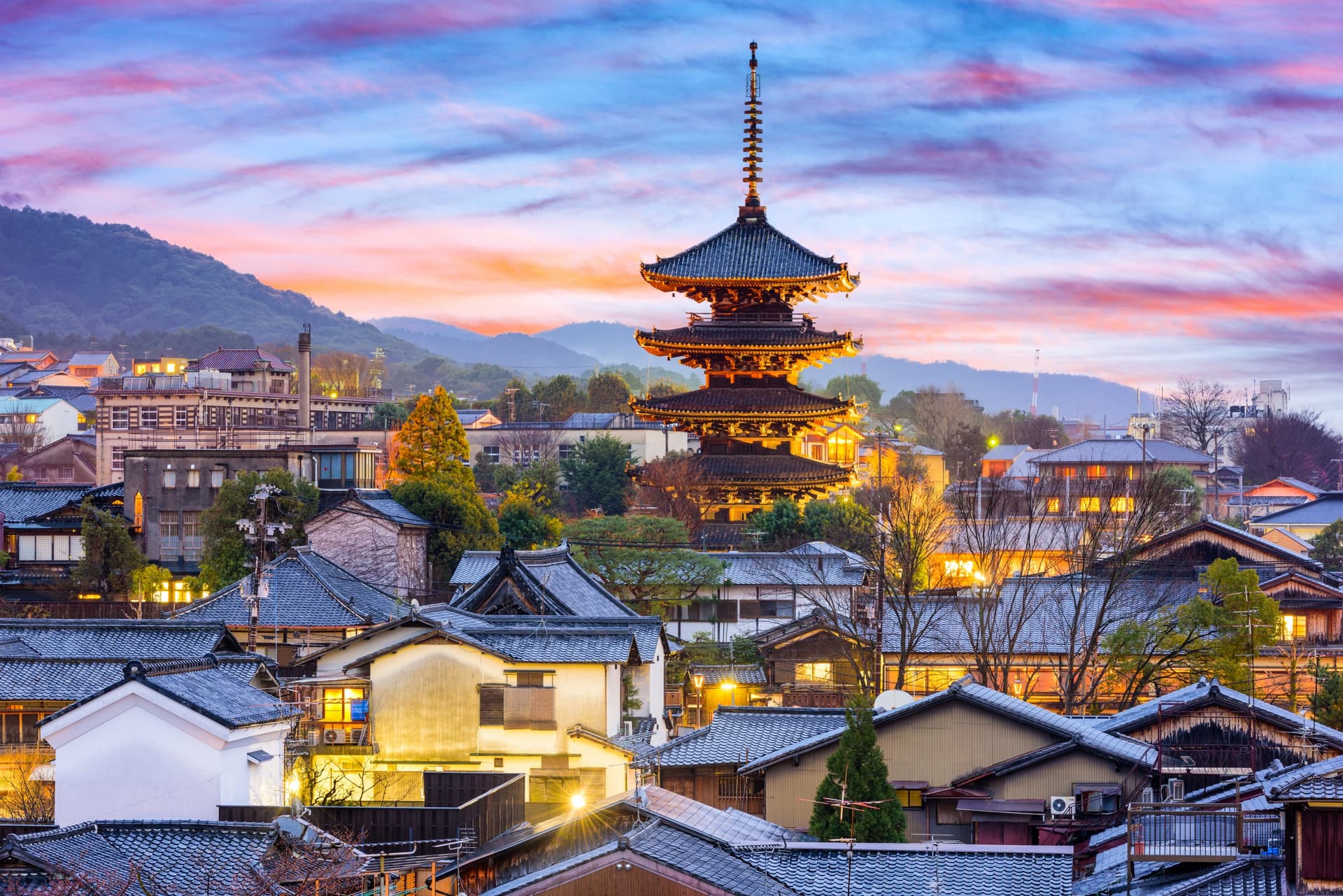
Nestled against the eastern hills of Kyoto, Higashiyama brings together cobbled lanes, wooden machiya houses, and major temples including Kiyomizu-dera, Ginkaku-ji, and Nanzen-ji.
Nestled against the eastern hills of Kyoto, the Higashiyama district concentrates some of the best-preserved cobbled lanes, temples, and wooden houses from the former imperial capital. Between Ginkaku-ji to the north and Kiyomizu-dera to the south, you'll traverse a pre-modern Kyoto made up of artisan shops, tea salons, and Buddhist sanctuaries.
Why visit Higashiyama?
Higashiyama brings together within the same pedestrian area several of Kyoto's major sites: Kiyomizu-dera, a UNESCO World Heritage site, the Silver Pavilion (Ginkaku-ji), also inscribed, as well as the vast Zen complex of Nanzen-ji. The district is best explored on foot, making it one of the most coherent areas for understanding traditional Japanese urban planning: sloping lanes, wooden facades, lanterns, moss gardens, and Noh theaters.
Unlike Gion, its neighbour and more oriented toward tea houses, Higashiyama blends religious life, craftsmanship, and historic dwellings. It's a logical starting point for anyone wishing to dedicate a day or two to the temples of the East.
History of the district
Higashiyama literally means "District of the Eastern Mountain." While the area is home to some of Kyoto's oldest buildings and pathways, its administrative name was only established in 1929, when it was separated from Shimogyō-ku. Until 1976, the ward encompassed the present-day Yamashina-ku, which then enjoyed independent city status before merging with Kyoto.
Strict restrictions on urban development allowed Higashiyama to preserve its network of machiya, the characteristic wooden townhouses of Kyoto, where other sectors of the city were largely rebuilt in the 20th century.
What to see in Higashiyama?
Ninenzaka and Sannenzaka lanes
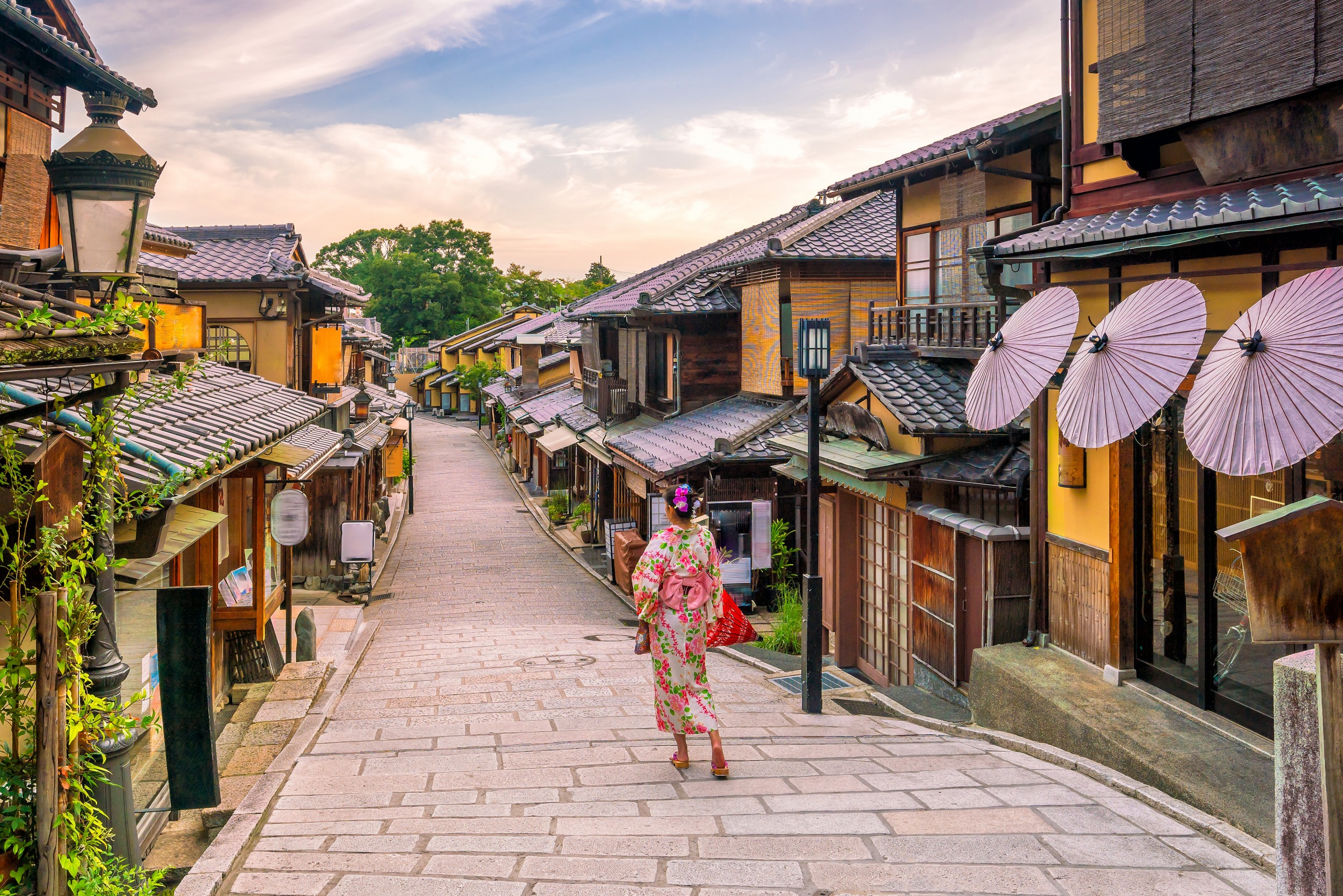
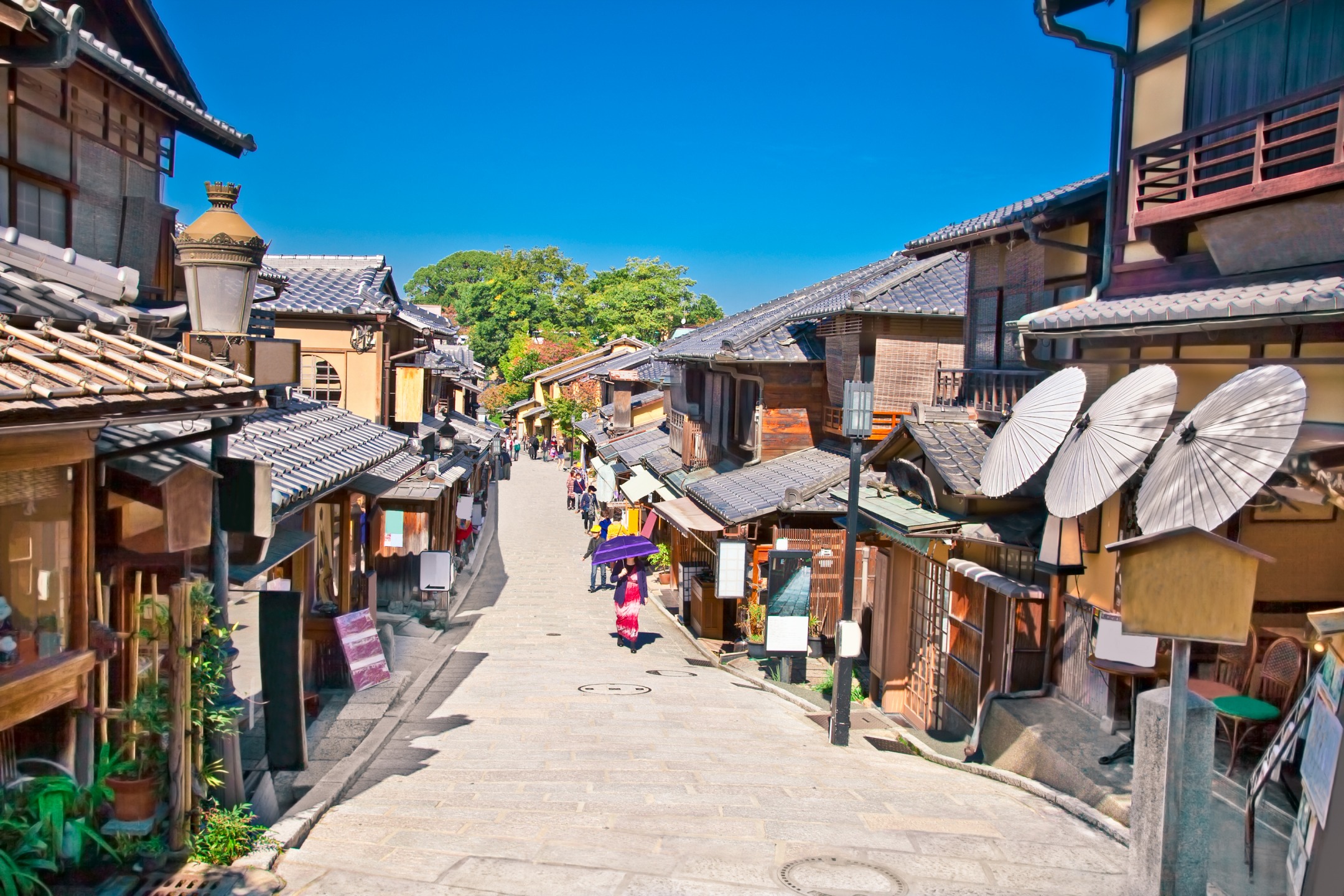
These two sloping cobbled streets, which lead to Kiyomizu-dera, form the tourist backbone of the district. Ninenzaka means "the slope of two years": according to local legend, tripping here brings misfortune and death within two years. Sannenzaka, "the slope of three years," is associated with a similar superstition—a fall would promise three years of bad luck.
Beyond folklore, these lanes offer a remarkable alignment of machiya occupied by ceramic shops, wagashi makers, tea salons, and typical Kyoto souvenir stores.
The temples
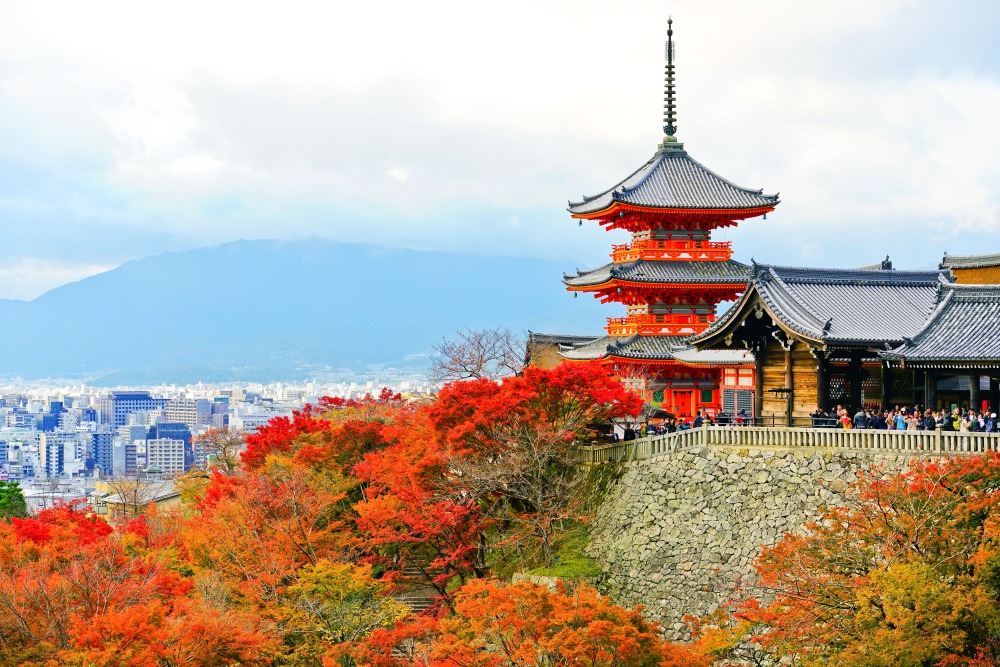
- Kiyomizu-dera: this Buddhist temple perched on the hillside is renowned for its large wooden terrace built without nails, which overlooks southern Kyoto, and for the "pure" waters of the Otowa waterfall, to which it owes its name. UNESCO-inscribed.
- Ginkaku-ji, nicknamed "the temple of the Silver Pavilion," occupies the northern part of the district. It is considered an emblematic example of wabi-sabi aesthetics, which values simplicity and imperfection. Also UNESCO-inscribed.
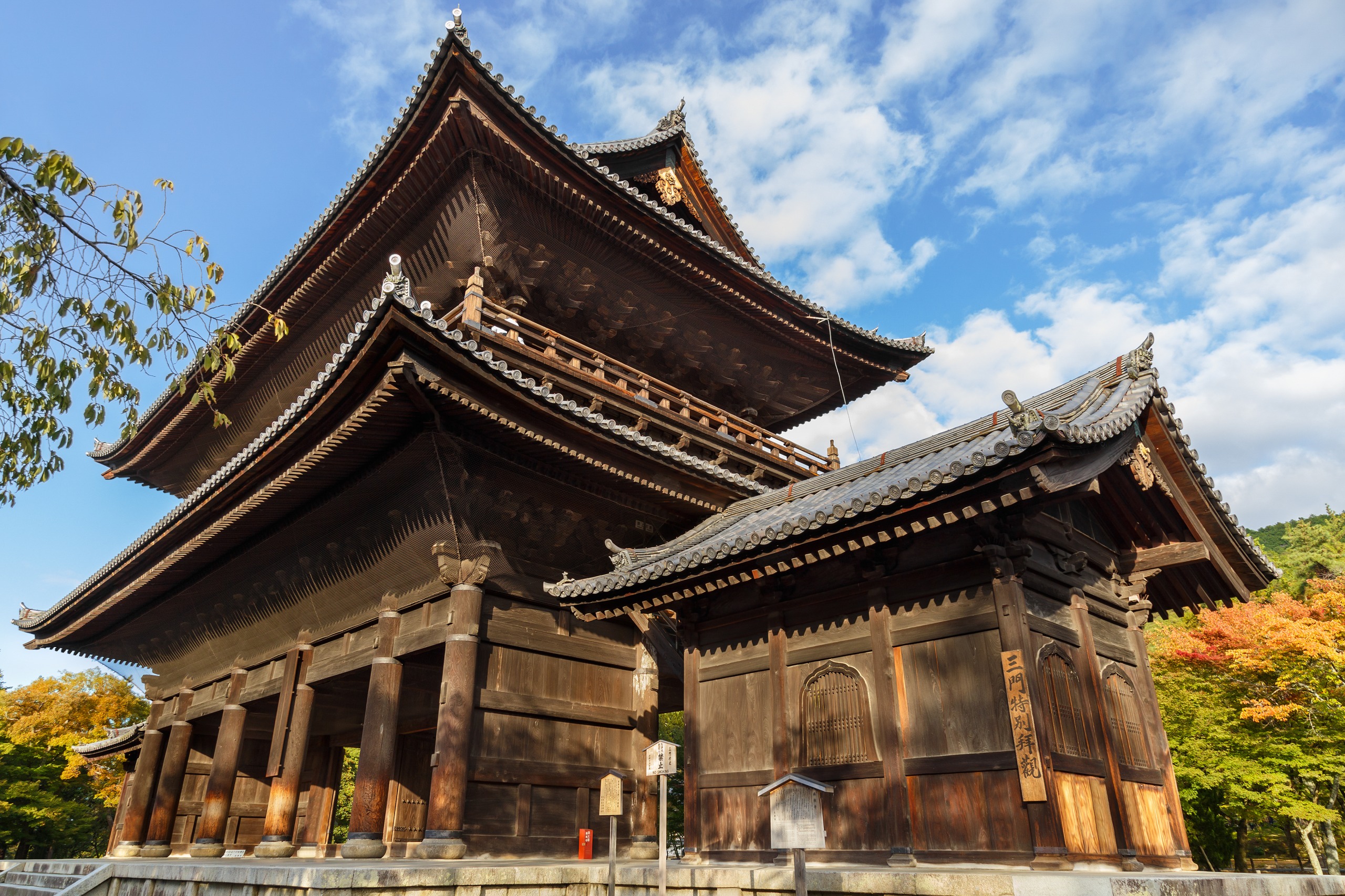
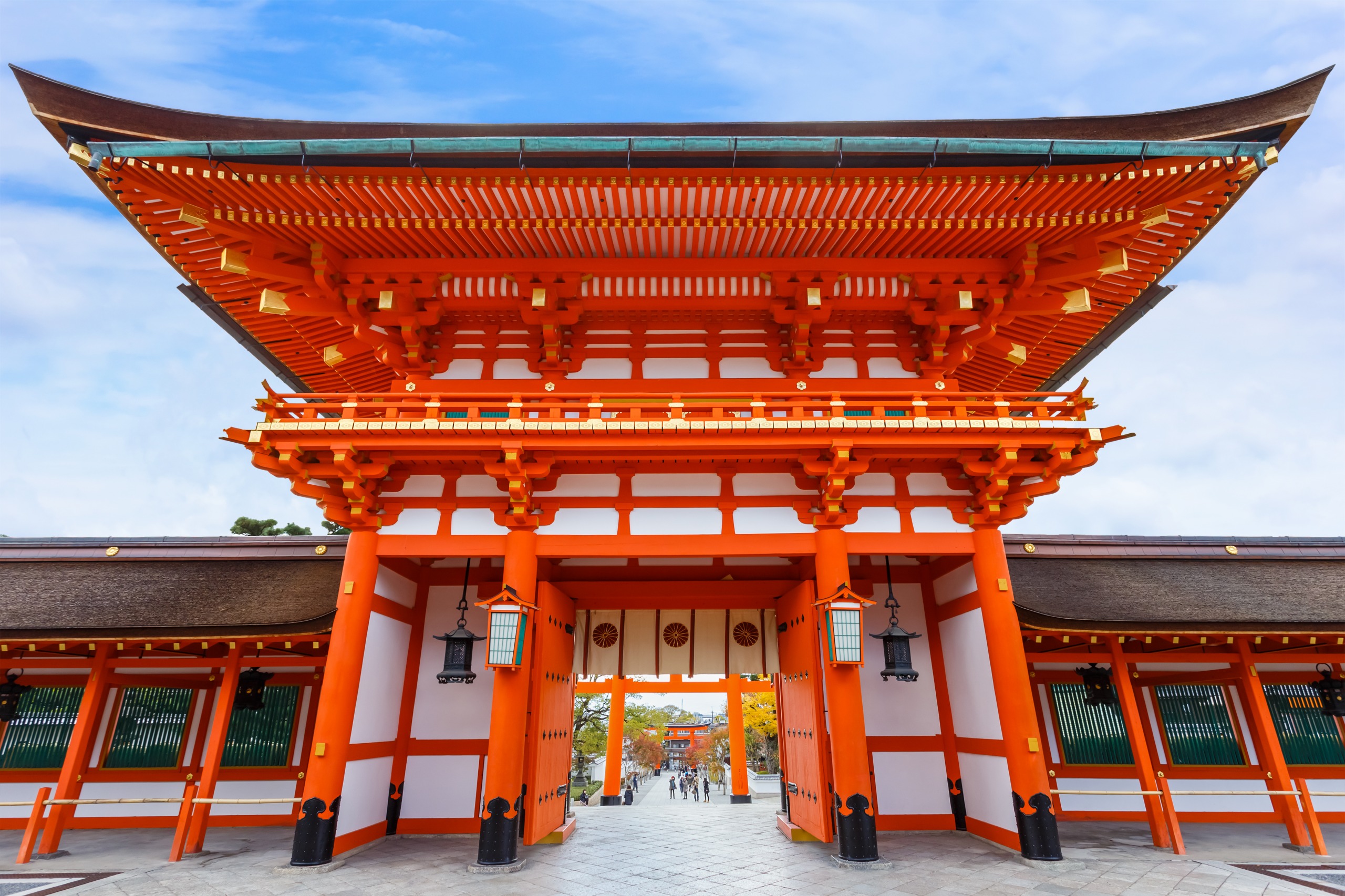
- Nanzen-ji, in the northeast, houses the Sanmon, one of Japan's largest wooden gates: a two-story structure topped with a thatched roof, open to the public for views over the complex.
Geishas, maiko, and performing arts
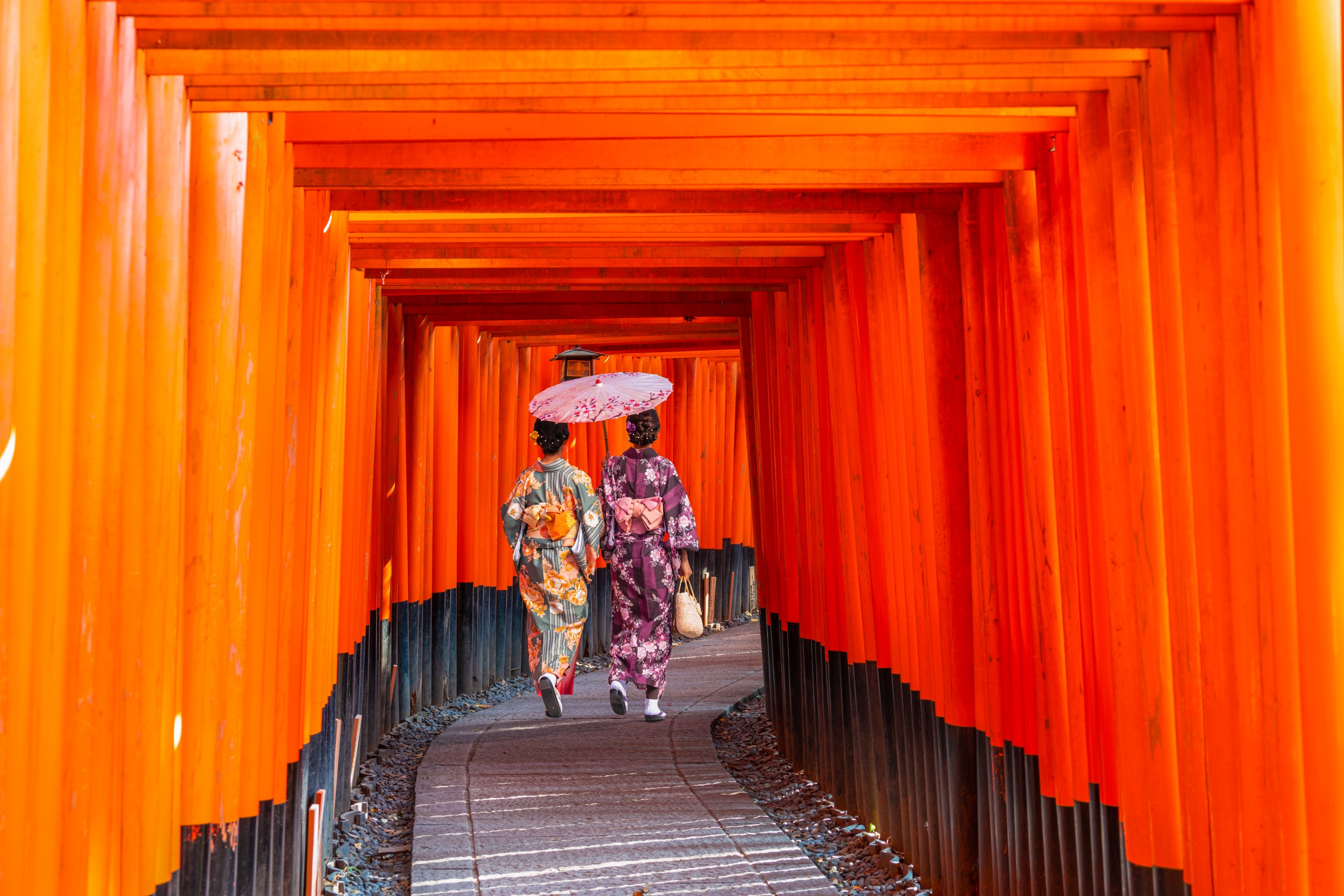
At the edge of Gion, you may encounter geishas or maiko (trainee geishas) moving between tea houses in Higashiyama, especially in late afternoon. They are working professionals: observe them discreetly, without soliciting or photographing them closely. Those interested in traditional arts can instead attend a performance at the Kyoto Kanze Noh Theatre.
Kyoto cuisine
Higashiyama is ideal for tasting Kyoto's culinary traditions. Several specialties are easily found here:
- Yudofu: boiled tofu served in a light broth, a dish associated with temple cuisine.
- Kaiseki ryori: traditional multi-course meal, best reserved in advance.
- Wagashi: Japanese confections often accompanied by matcha.
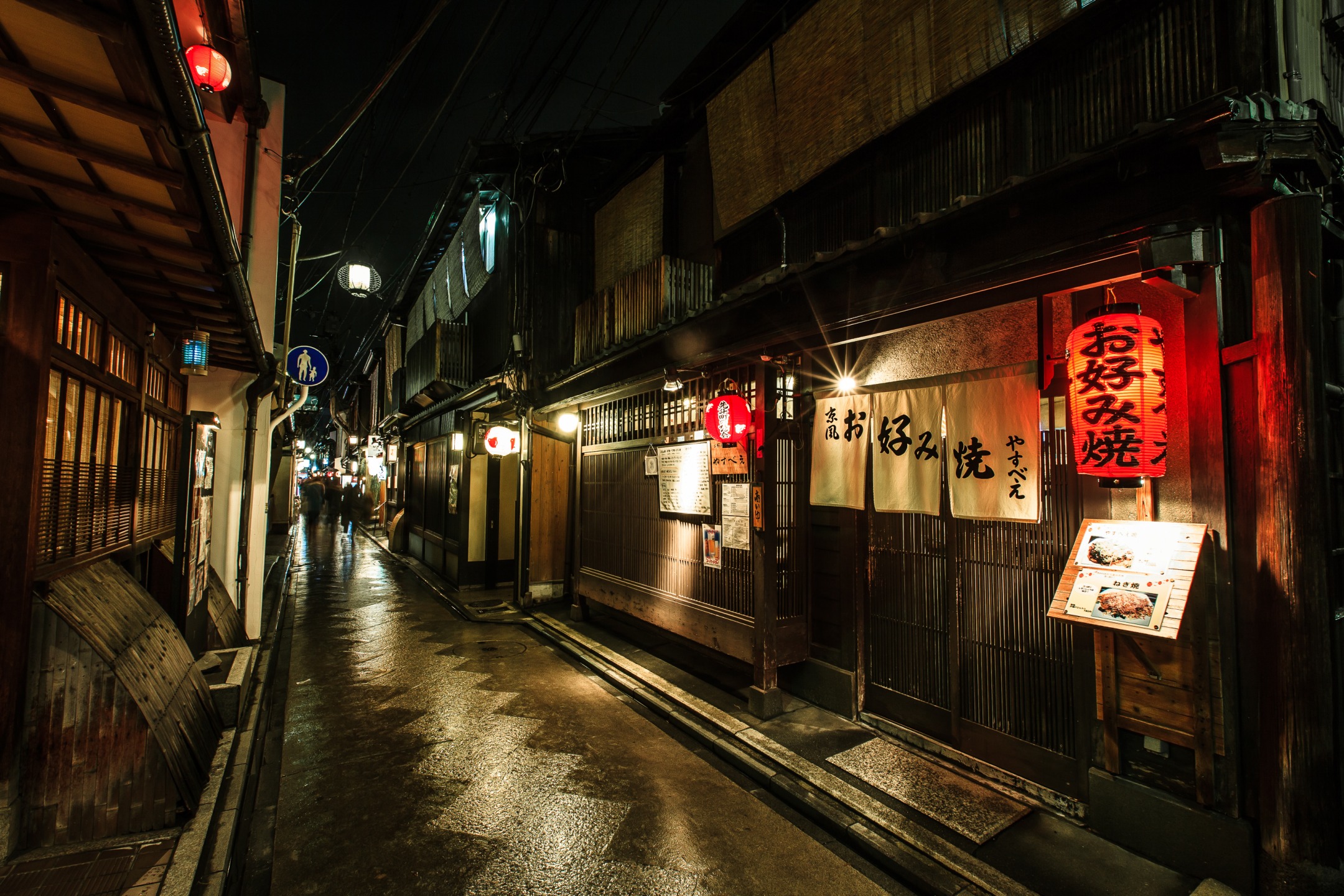
- Izakayas: small plates to share, local sake and beers.
Practical information
Crossing the district from the Silver Pavilion to Kiyomizu-dera via the Path of Philosophy and Nanzen-ji takes a full day if you visit the temples. For a shorter loop focused on Ninenzaka, Sannenzaka, and Kiyomizu-dera, allow 2 to 3 hours. Temples are generally open during the day and charge modest admission; prices and opening hours vary by season and exhibitions—best to check before visiting.
Good shoes recommended: the slopes are cobbled and slippery in wet weather.
When to visit?
Spring and autumn are the most popular seasons. Late March to early April, cherry blossoms accompany the lanes and temple surroundings; in November, maples turn striking shades of red and orange, particularly around Nanzen-ji and the Path of Philosophy.
Each year, around mid-March, the district hosts the Higashiyama Hanatoro illumination festival, which lasts about ten days: lanterns light the streets and temple grounds in the evening, attracting large crowds. Summer remains hot and humid, winter is quieter and allows visits without spring's tourist rush.
How to get there?
Higashiyama is easily reached from central Kyoto:
- Subway: Tozai line of the municipal subway, Higashiyama or Keage stations (near Nanzen-ji).
- Train: Keihan Railway along the Kamo River, Gion-Shijō or Kiyomizu-Gojō stations, 10-15 minutes on foot from the main lanes.
- Bus: Kyoto City Bus lines 100 and 206 serve the main temples from Kyoto Station.
The district is then explored entirely on foot.
See also nearby
- Gion, immediately to the west, for its tea houses and lanes bordered by ochaya.
- Nanzen-ji Temple, starting point of the Path of Philosophy that leads to Ginkaku-ji.
- Mount Arashiyama, west of Kyoto, for a day away from the center.
- The historic Nakasendo route, for deeper immersion in old Japan outside Kyoto.
Frequently asked questions
Frequently asked questions
Half a day is enough to walk through Ninenzaka, Sannenzaka, and Kiyomizu-dera. Allow a full day to include Nanzen-ji, the Path of Philosophy, and Ginkaku-ji.
Higashiyama is the district of the eastern hills, dominated by temples and artisan lanes. Gion, its neighbour, is historically the district of tea houses and geishas. The two areas are often visited together.
No. Kiyomizu-dera and Ginkaku-ji are part of the "Historic Monuments of Ancient Kyoto" inscribed by UNESCO. Other temples in the district, such as Nanzen-ji, are not but hold major heritage significance.
They are working professionals moving to their workplace. Kyoto municipality encourages visitors to observe them from a distance, without approaching or photographing them without permission, especially in private lanes.
Spring (cherry blossoms, late March to early April) and autumn (maples, November) offer the most striking landscapes, but also the heaviest crowds. Winter is quieter and equally photogenic under snow.
Prepare your trip
Higashiyama fits naturally into an itinerary centered on Kyoto and the former capital. To build a complete route including Tokyo, the Japanese Alps, or Hiroshima, consult our ideas for trips to Japan.
Nearby
Interested in this visit?
We can include it in your personalised itinerary.