Nakasendo Historic Route
Nakasendo Historic Route
An ancient road linking Kyoto to Tokyo, the Nakasendo preserves Edo villages and a hiking trail between Magome and Tsumago in the Kiso Valley.
Connecting Kyoto to Tokyo through the Japanese Alps, the historic Nakasendo route was once one of the great thoroughfares of feudal Japan. Several sections, notably the one linking Magome to Tsumago in the Kiso Valley, retain their wooden houses, inns, and forest trails, offering an immersive hiking experience through Edo-period villages.
Why hike the Nakasendo
The Nakasendo is one of the rare historic routes in Japan where you can still walk from one way station to the next as travelers did during the Edo era. The most famous section, between Magome and Tsumago, can be completed in half a day and alternates between paved trails, cedar forests, and villages with wooden facades. It's an experience accessible to occasional hikers, combining architectural heritage, mountain landscapes, and traditional postal culture.
History of the route
During the Edo period (1603-1868), the Tokugawa shogunate established five strategic routes to consolidate its power and organize official travel. The Nakasendo stretched 540 km across the Japanese Alps through the heart of Honshu, while the Tokaido hugged the eastern coast. The route included sixty-nine way stations, spaced roughly 10 km apart, which provided lodging and provisions to travelers, merchants, and pilgrims.
Master printmaker Utagawa Hiroshige immortalized this route in his collection "The Sixty-nine Stations of the Kiso Kaido." With the arrival of the railway in the late 19th century, the Nakasendo gradually fell into disuse. Several villages in the Kiso Valley were subsequently designated preservation zones, allowing the architecture and atmosphere of these former postal stations to be maintained.
What to see along the trail
From Magome to Tsumago
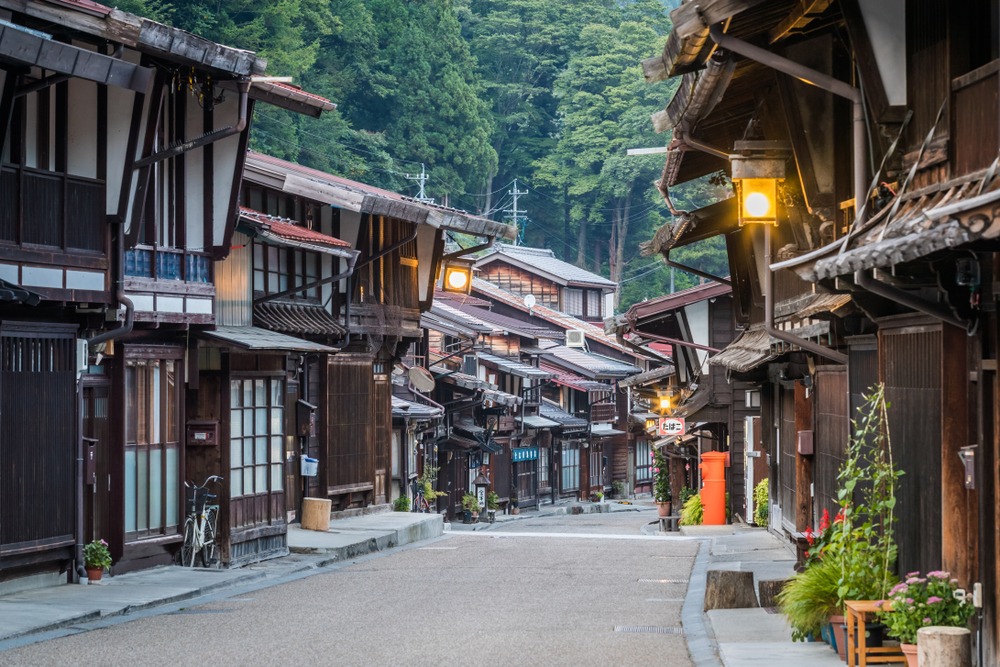
The 10 km section between Magome and Tsumago, straddling Gifu and Nagano prefectures, is the best-preserved portion. Magome stretches along a sloping paved street lined with wooden houses; here you'll find an old water mill preserved as a heritage element of the village. Several local museums tell the story of the region, and you can visit a few historic buildings to observe their architecture.
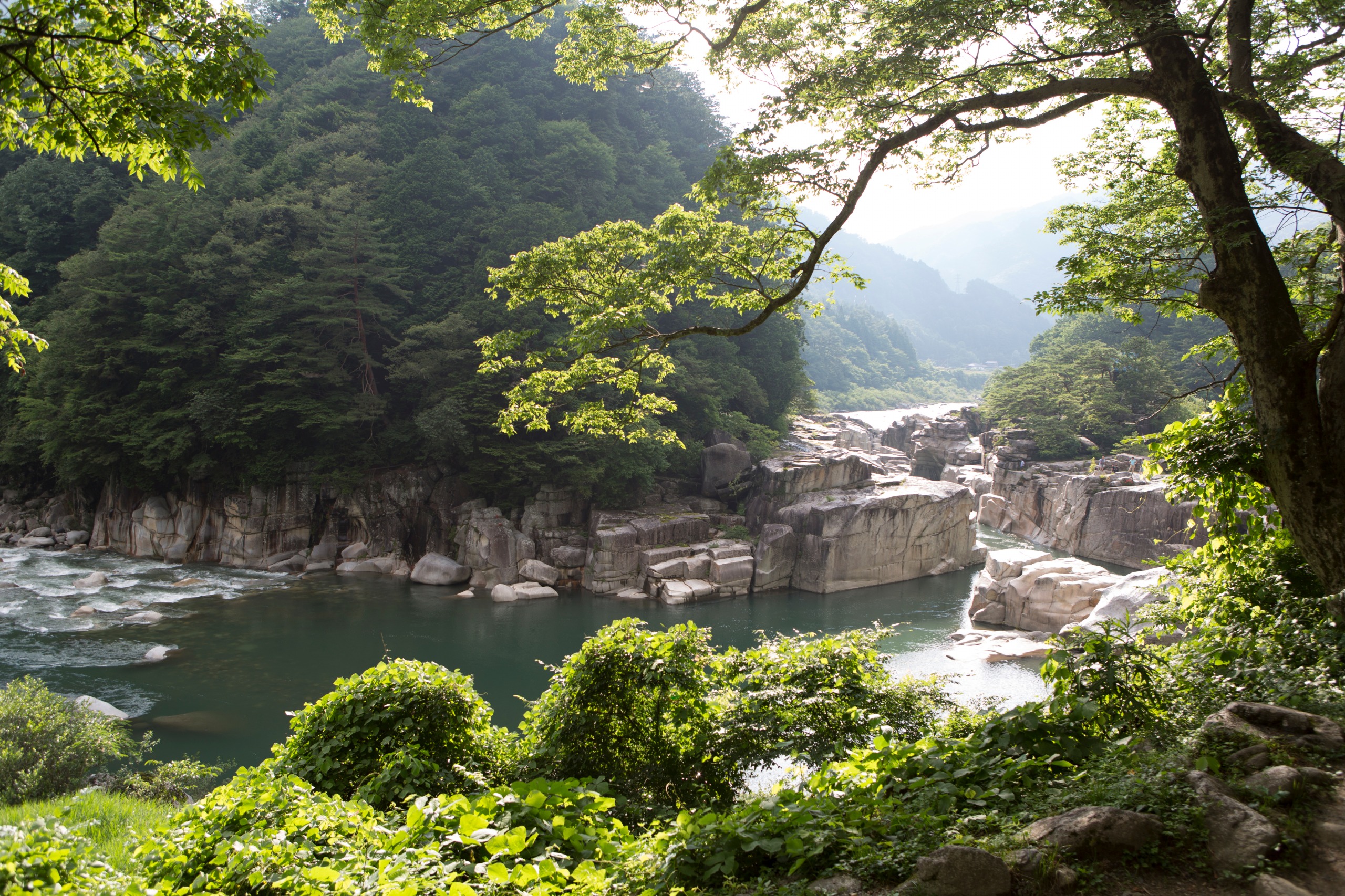
Tsumago, at the far end, retains centuries-old inns, some dating back 300 years. Several have been converted into museums, and the former horse stables bear witness to the village's logistical role. Between the two, the trail follows a stream, cuts through a forest, and passes near the Otaki and Metaki waterfalls. Small Jizo statues, guardians of travelers, mark the journey, and you may occasionally spot monkeys or Japanese serows.
From Yabuhara to Narai via Torii Pass
Further north, the section between Yabuhara and Narai crosses Torii Pass, once considered the most challenging stage of the route. The climb remains accessible to experienced hikers, and the Ontake Shrine, situated near the pass, traditionally marks a rest stop. The trail unfolds mostly through forest, among ancient trees.
Narai is one of the longest preserved way stations on the Nakasendo. Its former inns now house shops, restaurants, and cafés. The Nakamura Residence, once occupied by a wealthy comb merchant, and the Narakawa History and Folklore Museum offer insight into daily life during the Edo period. North of the village, a group of 200 Jizo statues lines the path. Narai's iconic wooden bridge, crafted from a 300-year-old hinoki cypress, spans the river of the same name.
Practical information
- Distance Magome-Tsumago: approximately 10 km, plan for 3 to 4 hours of hiking at a moderate pace.
- Level: easy to moderate hiking, with some climbs on paved or dirt trails. Good hiking boots are recommended.
- Baggage transfer: a paid luggage transfer service operates seasonally between the tourist offices in Magome and Tsumago, allowing you to hike light.
- Water and supplies: bring water, as drink dispensers are rare on the trail.
- Accommodation: spending a night in a ryokan at Tsumago or Narai is one of the most immersive ways to experience the journey.
When to go
The route can be hiked year-round, but spring (March to May) and autumn (September to November) are the most pleasant seasons, with mild temperatures and colorful landscapes, especially during the fall foliage of October-November. Winter can bring snow, particularly at Torii Pass, and summer is hot and humid: start early in the morning and stay well-hydrated.
How to get there
Magome and Tsumago are the main starting points for the best-preserved section. To reach Magome, alight at JR Nakatsugawa or JR Ochiaigawa stations, then take a local bus. Tsumago is served from JR Nagiso station, also connected by bus. For the Yabuhara-Narai section, JR Yabuhara and JR Narai stations are directly on the Chuo Line, making it easy to hike from one point to another without a vehicle.
What to combine in the region
The Nakasendo fits naturally into an itinerary between Kyoto and Tokyo. Near Kyoto, Mount Arashiyama and its bamboo groves offer a contrast to the Kiso mountains, as does Nanzen Temple, one of Kyoto's great Zen complexes. Further west, Himeji Castle completes an exploration of feudal Japan. For a cinematic interlude, Eigamura theme park recreates the atmosphere of Edo-period towns in a film set.
Frequently asked questions
Frequently asked questions
The 10 km trail takes 3 to 4 hours at a leisurely pace, including photo stops and lunch. Many visitors start in the morning from Magome and arrive in Tsumago in early afternoon.
The level is easy to moderate. Some climbs at the start from Magome require a minimum of fitness, but the route is well-marked and doesn't require special experience. Torii Pass, on the Yabuhara-Narai section, is more demanding.
Yes. During the season, a paid service operated by the tourist offices transfers luggage between Magome and Tsumago in the morning, allowing you to hike with just a daypack.
Plan your itinerary
The Nakasendo fits easily into a circuit between Kyoto, the Japanese Alps, and Tokyo. To build a custom itinerary including the hike and an overnight stay in a ryokan in the Kiso Valley, explore our Japan travel ideas.
Interested in this visit?
We can include it in your personalised itinerary.