The Shogunate or Bakufu
The Shogunate or Bakufu
For nearly seven centuries, the shogunate or Bakufu governed Japan. History, sites to visit and tips for following in the footsteps of the shoguns.
The shogunate, or Bakufu in Japanese, refers to the military government system that dominated Japan for nearly seven centuries, from the late 12th century until 1868. The term comprises "sho" (commander) and "gun" (army). Three successive shogunates — Kamakura, Ashikaga and Tokugawa — shaped the country's political, social and cultural organization, relegating the emperor to a ceremonial role while the shoguns held real power.
Why explore the shogunate during a trip to Japan
Understanding the shogunate means grasping the thread that connects many of Japan's major tourist sites: Zen temples of Kamakura, pavilions of Kyoto, fortified castles, ancient post roads. Three cities hold the bulk of this heritage: Kamakura, the first shogunal capital, Kyoto, where the Ashikaga established themselves near the imperial court, and Edo (present-day Tokyo), seat of Tokugawa power for two and a half centuries.
According to tradition, Japan's emperors have descended from the same lineage for over 2,500 years. Yet during the last millennium, effective power has often been wielded by the military class. This duality between imperial legitimacy and shogunal authority is a valuable lens for visiting Japanese historical sites.
History of Japan's shogunates
Origins of the shogun title
Originally, the shogun was a general tasked with conquering and pacifying the Tohoku region, then occupied by the indigenous Emishi people. The full title, "Seii taishôgun," translates as "great general pacifier of the barbarians." Sakanoue Tamuramaro was the most renowned; he is also credited with founding Kiyomizu-dera temple in Kyoto. Once Tohoku's pacification was complete, the title fell into disuse. It resurfaced in the 11th and 12th centuries, when samurai emerged as the country's dominant force.
The Kamakura shogunate (1192-1333)
In 1185, after Clan Minamoto's victory over the Taira in civil war, Minamoto no Yoritomo (1147-1199) established the seat of his government in Kamakura and founded, in 1192, Japan's first military government. This marks the beginning of the country's long feudal history and the lasting rise of the samurai. Around the same time, the monk Eisai introduced Rinzai Zen Buddhism to Japan, whose influence still permeates Kamakura's architecture and gardens.
The Ashikaga shogunate (1336-1573)
Founded by Ashikaga Takauji, this second shogunate established its seat in the Muromachi district of Kyoto. Proximity to the imperial court did not strengthen its authority: the daimyo, provincial lords, ruled largely autonomous territories, weakening central power and opening the door to the Sengoku wars.
The Tokugawa shogunate (1603-1868)
Tokugawa Ieyasu founded the third and final shogunate in 1603. For 265 years, the country enjoyed a long period of stability under centralized administration, closed off from foreign contact. Edo (renamed Tokyo in 1868) served as the shogunal and political capital, while Kyoto remained the imperial capital. The shogunate ended with the Meiji Restoration of 1868, which restored effective power to the emperor amid Japan's forced opening to Western powers.
What to see following the shoguns' trails
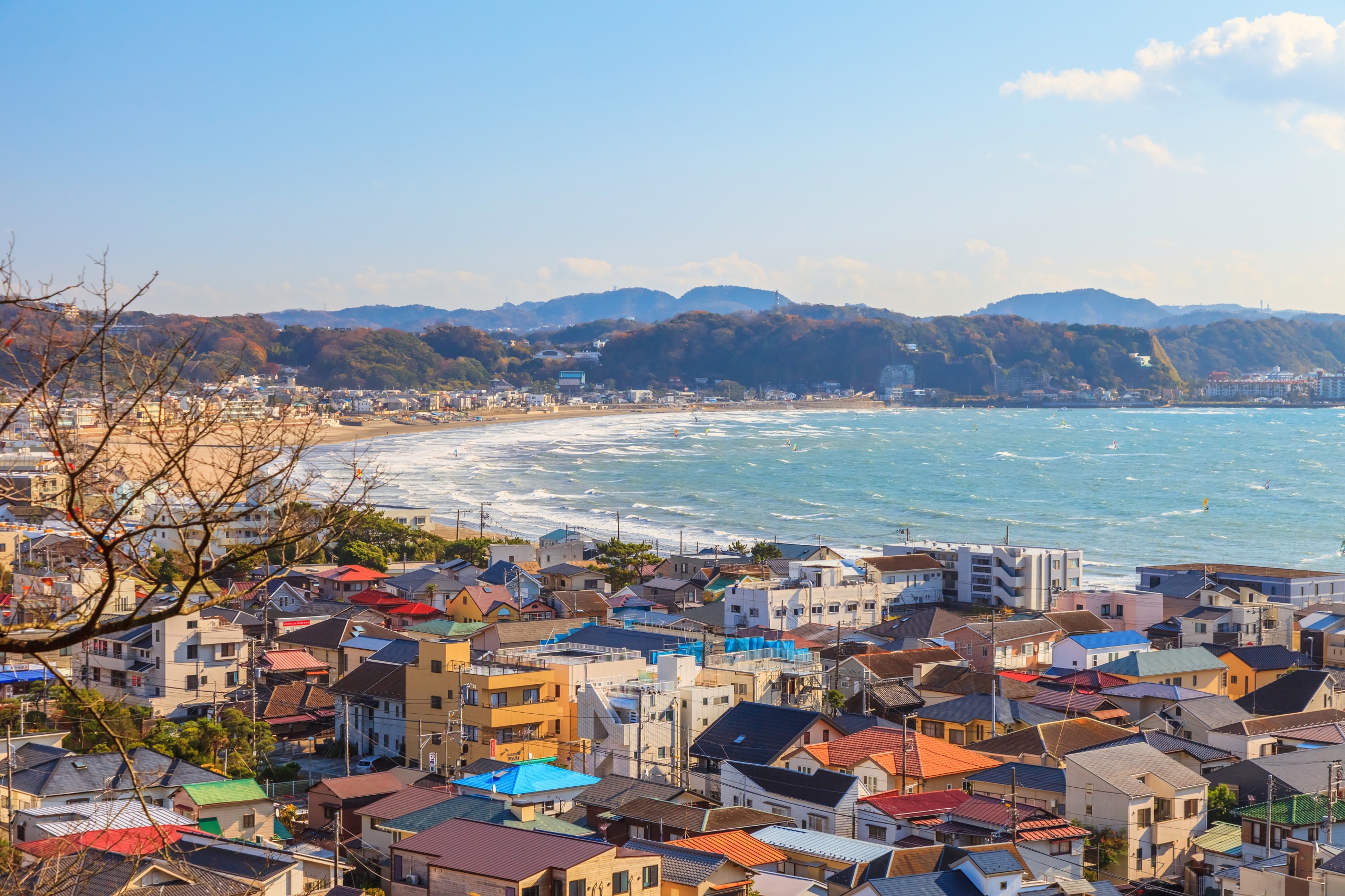
Kamakura, birthplace of the first shogunate
The city boasts 65 Buddhist temples, mainly concentrated in the north. History enthusiasts and Zen devotees will focus on the five great Zen temples gozan:
- Kenchô-ji, founded in 1253, Japan's oldest Rinzai Zen temple
- Engaku-ji, an important meditation center
- Jôchi-ji
- Jufuku-ji
- Jômyô-ji
The Tsurugaoka Hachiman-gu shrine, symbol of the Minamoto clan, naturally completes the visit. To further explore Japan's great temples, Nanzen-ji Temple in Kyoto offers an interesting comparison with Kamakura's Zen architecture.
Kyoto, imperial capital and seat of the Ashikaga
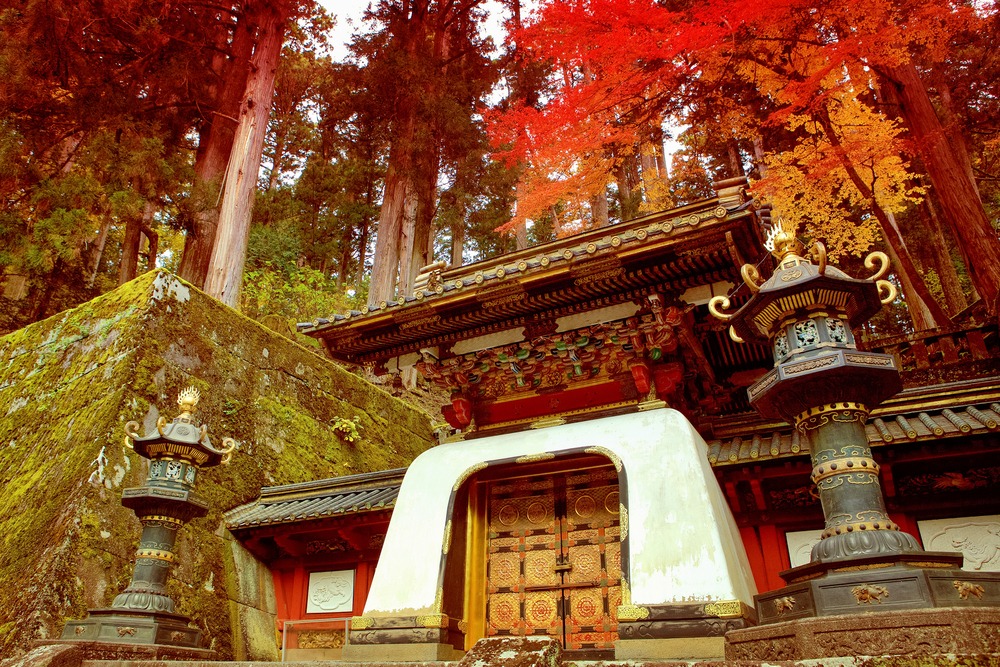
Kyoto preserves an exceptionally dense built heritage linked to the Muromachi period and beyond: pavilions, dry gardens, historic quarters. The city deserves several days of exploration. A nearby excursion to Mount Arashiyama offers another facet of Japan's cultural landscape, blending temples and nature.
Tokyo and the Tokugawa legacy
Former Edo has been profoundly transformed, yet traces of Tokugawa power remain: moats and gardens of the old castle (now the imperial residence), shogunal shrines, historic quarters. To complement the itinerary with a nearly intact castle, Himeji Castle exemplifies the military architecture of the feudal era.
Practical information
Getting to Kamakura
The JR Yokosuka line connects Tokyo to Kamakura in less than an hour. From the station, most major sites are reachable on foot. For more distant attractions, local rail and monorail networks serve the entire city. Allow a full day for an initial overview, two days to explore the Zen temples more thoroughly.
Getting to Kyoto
Kyoto is served by the Shinkansen from major Japanese cities. By air, two airports in Osaka prefecture provide service: Kansai (international) and Itami (mainly domestic). Plan for at least three days to cover the major sites linked to the shogunal era.
Getting to Tokyo
Haneda and Narita airports connect Tokyo to major European and international destinations. The city center is reached by train, monorail (from Haneda), bus or limousine shuttle.
When to visit
Sites linked to the shogunate can be visited year-round. Spring (cherry blossoms, late March to mid-April) and autumn (red maples, November) are the most sought-after seasons, with heavy crowds in Kamakura and Kyoto. Winter, quieter, highlights the austerity of Zen temples. Summer is hot and humid.
Frequently asked questions about the shogunate
Frequently asked questions
The emperor embodies dynastic and religious legitimacy; according to tradition, his lineage has been transmitted unbroken for over 2,500 years. The shogun, by contrast, wielded effective political and military power. During shogunate periods, the emperor retained a ceremonial role in Kyoto while the shogun governed from Kamakura, Muromachi or Edo.
Three shogunates succeeded one another: Kamakura (1192-1333), Ashikaga or Muromachi (1336-1573) and Tokugawa or Edo (1603-1868), spanning nearly seven centuries of military government in total.
The Tokugawa shogunate ended in 1868 with the Meiji Restoration, which restored effective power to the emperor. This event resulted from multiple causes: internal crises, diplomatic and military pressure from Western powers, and opposition from several provincial domains to Edo's government.
An itinerary combining Kamakura, Kyoto and Tokyo covers all three successive shogunates. Kamakura for its origins, Kyoto for the Ashikaga period and coexistence with the imperial court, Tokyo for the Tokugawa era and Japan's transition to modernity.
Yes. Rinzai Zen Buddhism, introduced by the monk Eisai during the Kamakura period, was actively patronized by the samurai class and successive shoguns. This explains the concentration of Zen temples in former shogunal capitals, particularly in Kamakura and Kyoto.
Extend your journey
Following the shoguns' footsteps is one of the richest threads for structuring a trip to Japan. To plan an itinerary combining Kamakura, Kyoto and Tokyo, explore our customized trips to Japan.
Interested in this visit?
We can include it in your personalised itinerary.