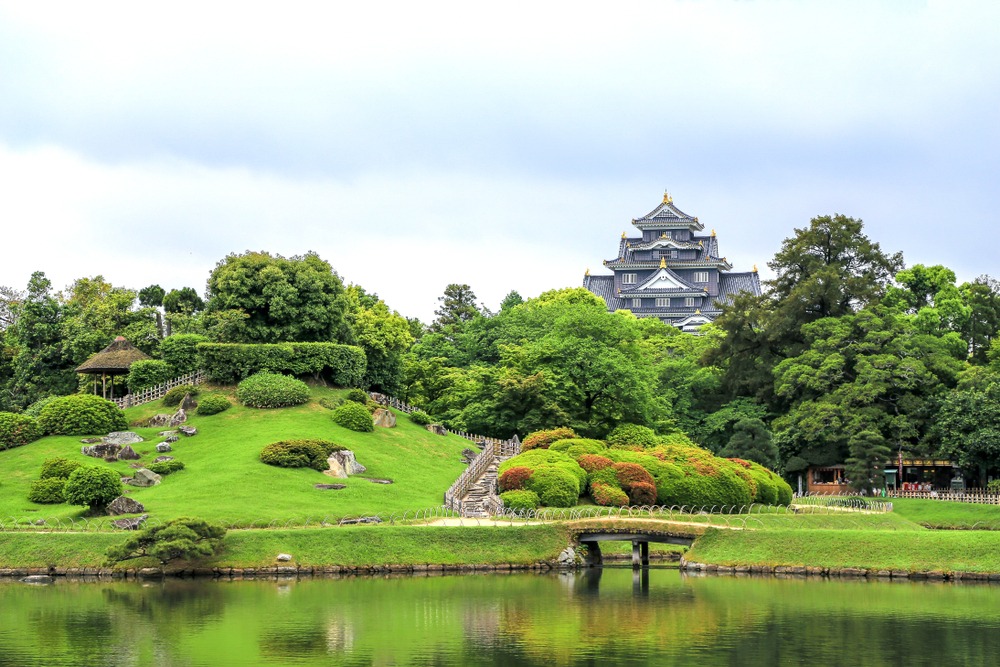
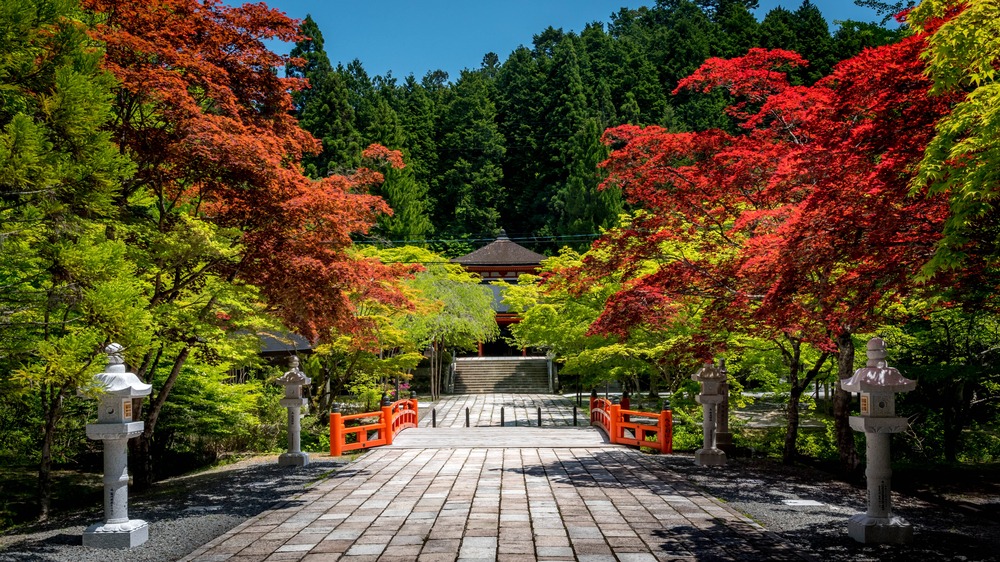
Hagi
Hagi
Hagi, an intact Edo-period castle town, preserves its samurai-lined streets, hagi-yaki pottery workshops, and UNESCO Meiji heritage along Yamaguchi's northern coast.
Hagi, a thriving Edo-period castle town, is a highly recommended stop on the northern coast of Yamaguchi Prefecture. Spared by war, natural disasters, and major industrialization campaigns, the city and its monuments have survived intact, save for the castle dismantled at the close of the feudal era.
History
The Hagi Castle, around which the city developed, was built by the powerful samurai and daimyo Terumoto Mori, chief of the Mori clan. Established in 1604, it marked the city's rise to the rank of capital of Choshu Prefecture. Hagi retained this title until the end of Japan's feudal era in 1868, during the Meiji Restoration. The castle was dismantled a few years later, in 1874. The reforms of the Meiji era allowed Hagi to strengthen its political importance without transforming itself in the process. The castle town and its industrial sites remained in their original state, removed from the massive development projects that swept across Japan over the following 150 years. Moreover, several major figures behind modern Japan lived in Hagi, including the intellectual Shoin Yoshida, the reformer samurai Shinsaku Takasugi, and Hirobumi Ito, who served as Prime Minister four times.
In 2015, Hagi was designated a "Meiji Industrial Revolution Site" and five local attractions were inscribed on the World Heritage List.
Discovering Hagi
Hagi proudly displays its history and takes pride in having preserved its layout as a fortified city of the Edo period. And although only the moats and a few crumbling walls of its former castle remain, the visible remnants in Shizuki Park, at the base of Mount Shizuki, are enough to imagine its former glory. On foot or by bicycle, Hagi is a pleasant place to explore. Walk the medieval-atmosphere streets, passing through the Kikuya family residence, the Hagi Museum, Shoin Yoshida's school, the old canal...
Explore districts designated as "historic sites of Japan"
East of the moats, the Horiuchi district was home to higher-ranking samurai, while wealthy merchants, intellectuals, and foot soldiers occupied the outskirts of Hagi Castle. Earthen walls border the paths and protect ancient samurai residences. Some are open to the public. Merchant residences are distinguished by their earthen walls covered with plaster or mortar for better fire resistance. Some facades feature protruding joints to prevent water damage. These are called namako kabe or "sea cucumber walls".
Hagi and its artisan heritage
Hagi has long been known for its hagi-yaki ceramics. Introduced by Korean artisans captured by Toyotomi Hideyoshi's troops in 1592, this technique is distinguished by a fine, translucent glaze, in white or pink-orange tones, with intricate craquelure. The area around Shizuki Park is home to numerous pottery workshops and shops where you can discover these authentic pieces. You'll also find excellent documentation about this craft at the Hagi-yaki Shiryokan local history museum.
The Ishii Museum, for its part, houses an impressive collection of old chawans (tea bowls), in addition to hagi-yaki ceramics. Don't miss the Uragami Art Museum either, which holds more than 4,500 ukiyo-e, including Hokusai's famous "One Hundred Views of Mount Fuji". Another discovery destination, the Kumaya Art Museum occupies the warehouses of the Kumaya family estate. Here you'll find a range of objects once owned by wealthy merchants, from ink paintings to various utensils for tea ceremonies.
Around Hagi
Take a sightseeing cruise along the Aiba waterway, passing historic Hagi buildings. To the east, on the banks of the Matsumoto River, visit the zen Buddhist temple Tokoji, founded in 1691, whose splendid wooden doors and buildings have been designated as Important Cultural Properties of Japan. Discover also the 150-year-old smelting furnace that was used for cannon manufacturing and the residence of scholar Yamada Shoin. Heading north, you'll encounter the remains of the Ebisugihana shipyard, Myojinet Pond, a camellia forest, and a small volcano.
When to visit Hagi?
Hagi has a humid subtropical climate characterized by hot, rainy summers and cool winters. Rainfall in the region is quite substantial compared to other continental Asian cities at similar latitudes.
Departing from Tokyo Station, expect 4 hours 40 minutes of travel on the Nozomi Shinkansen via the Sanyo or Tokaido lines to reach Hagi. If you prefer to fly, Hagi-Iwami Airport receives daily flights from Haneda in Tokyo and Itami in Osaka. The city's bus station operates services connecting to Hiroshima, Umeda, Osaka, and Tokyo.
Follow an old tradition by walking the Hagi-Okan route, the path that samurai and merchants of the Edo era used to connect Hagi and Yamaguchi. It's a circuit much favored by history enthusiasts. You can also get around by bicycle. You'll find rental services at JR Higashi-Hagi Station and the Hagi Castle visitor center.
What to do in Hagi?
- Discover the ruins of Hagi Castle in Shizuki Park
- Visit the samurai residences of the Horiuchi district
- Admire the collection of hagi-yaki ceramics and chawan tea bowls at the Ishii Museum
- Enjoy a boat ride along the Aiba waterway
- Find peace at the Tokoji zen Buddhist temple, and more
Attractions in Hagi
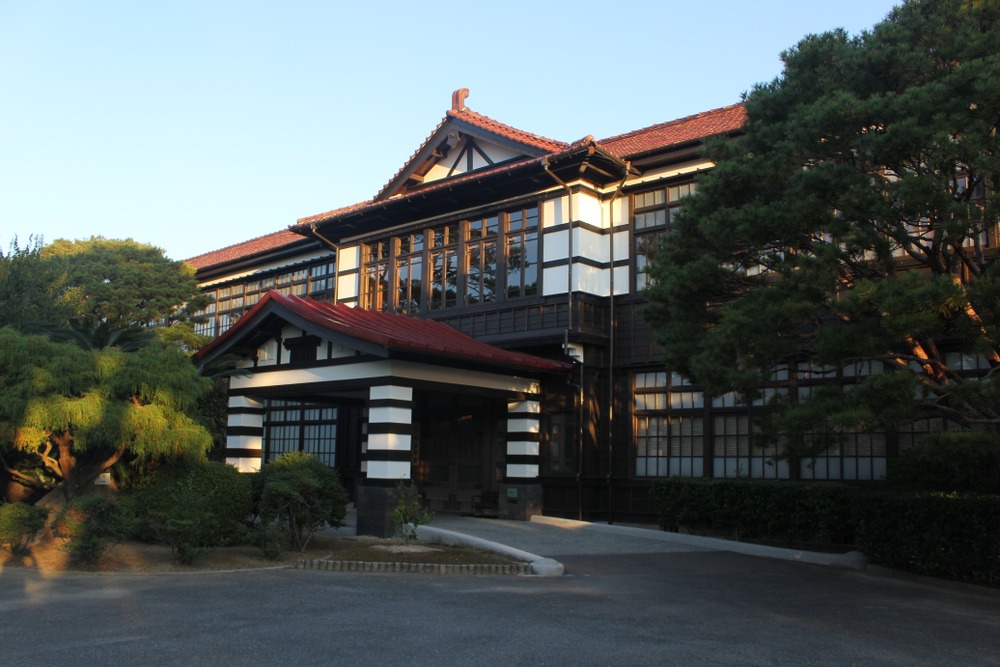
École d'époque Meirinkan de Hagi
École du clan Choshu fondée en 1718, le Meirinkan de Hagi conserve quatre maisons d'école en bois et un musée consacré à la révolution industrielle Meiji.
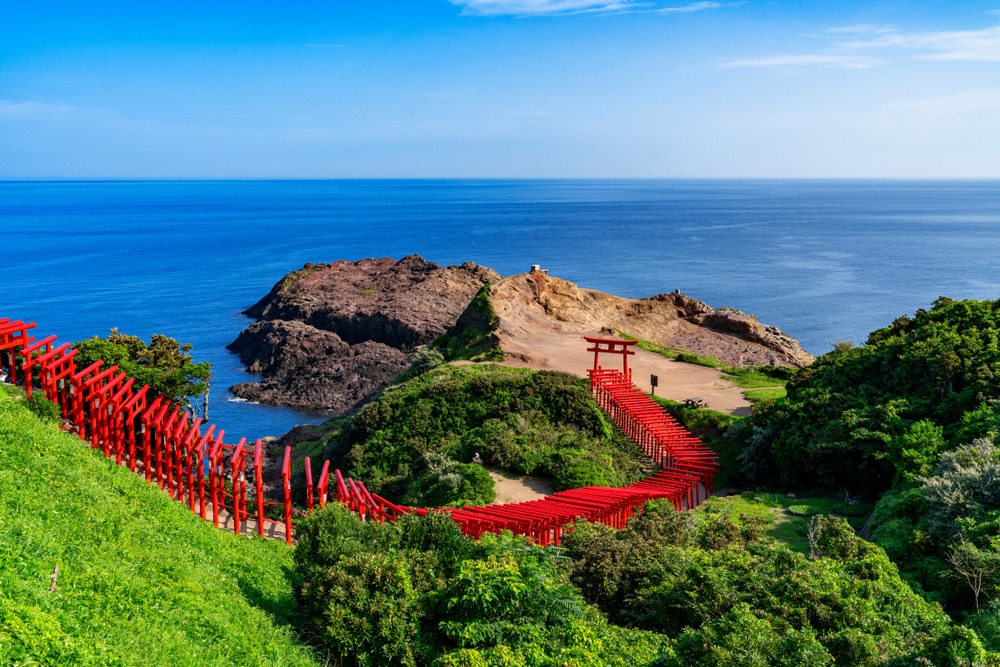
Motonosumi Inari
Sanctuaire de Nagato aligné en 123 toriis rouges sur une pointe rocheuse de la mer du Japon, voisin du jet d'eau naturel Ryugu no Shiofuki.
Want to discover this destination?
Our local advisors design your tailor-made trip.