Hakone
Hakone
Steaming onsens, Lake Ashi, views of Mount Fuji and the volcanic zone of Owakudani: Hakone, an unmissable thermal escape just 80 km from Tokyo.
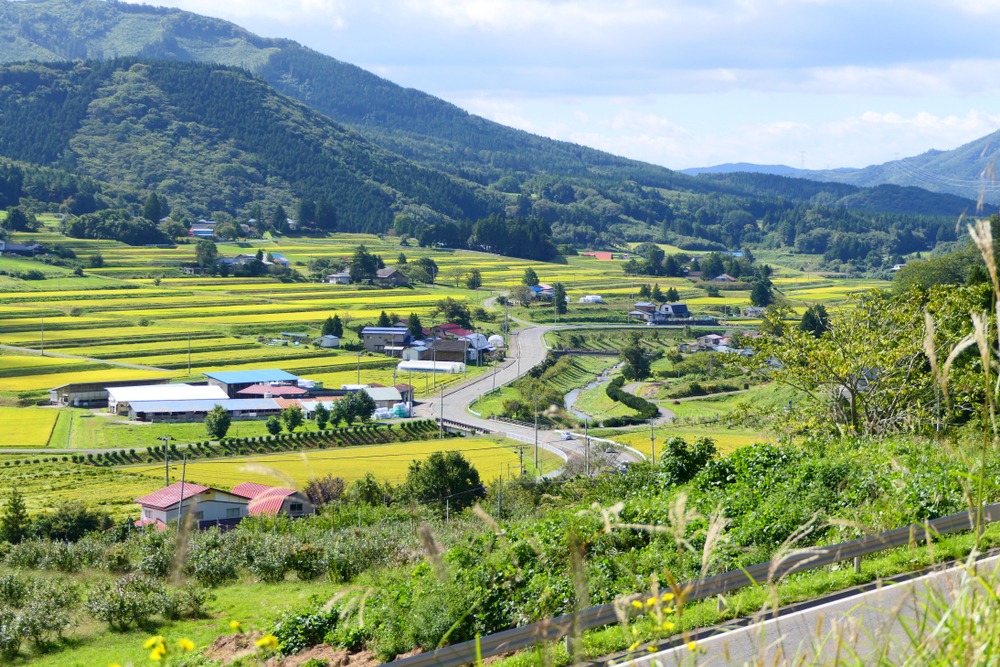
You'll discover the charm of mountains and Japanese countryside in Hakone. The town nestles between craters and lakes, just 80 km southwest of Tokyo in the Kanto region. A starting point for hikes toward Mount Fuji, Hakone is also a place of relaxation with its serene onsens and traditional inns.
History
Hakone emerged in the 17th century with the creation of the Tokaido road between Kyoto and Edo. It became the 10th important station among the Fifty-three Stations of the Tokaido depicted by Japanese painter Hiroshige. Its onsens were already appreciated by travelers seeking rest during that era. The town takes its name from the Hakone volcano that dominates it.
Today
Only 80 km separate Tokyo and Hakone. Yet the contrast between these two cities is striking: while the capital is immersed in a frenetic atmosphere, the thermal station exudes a gentle way of life. Hakone offers a return to nature, away from the former imperial Edo. Its verdant countryside refreshes you, while the mountains call out for hiking. It's a destination steeped in authenticity, popular with both tourists and Japanese visitors alike. The town reveals itself in every season, always as beautiful and restful.
On the former Tokaido road, Hakone is a waypoint toward conquering the volcanoes of the Fuji-Hakone-Izu National Park. Favored by trekkers, it also inspires great artists, like Hiroshige, with its views of Fuji-san and the shimmering Lake Ashi. In the Narukawa Museum, many paintings showcase these picturesque natural scenes in the traditional "nihonga" style. The Chokoku No Mori open-air museum, meanwhile, fully exploits the natural setting to enhance its exhibitions. You'll find it pleasant to wander through its wooded park, accompanied by colossal sculptures, with the mountains as backdrop. As you stroll through the town's streets, you may come across advertising featuring the anime series "Evangelion," as Hakone served as the model for designing Tokyo-3.
A starting point for hikes, the town also offers a restful stop as a thermal station. Hakone has more than fifteen onsens, highly frequented by travelers since the Edo era. Covered pools or rotenburos (open-air baths), the choice is yours to enjoy the benefits of hot springs. Most baths are public and paired with ryokans (traditional inns). They are generally accessible to outside visitors. You'll find some around the train station. Tradition requires bathing nude, so onsens are not co-ed, though reservations are possible for a private experience.
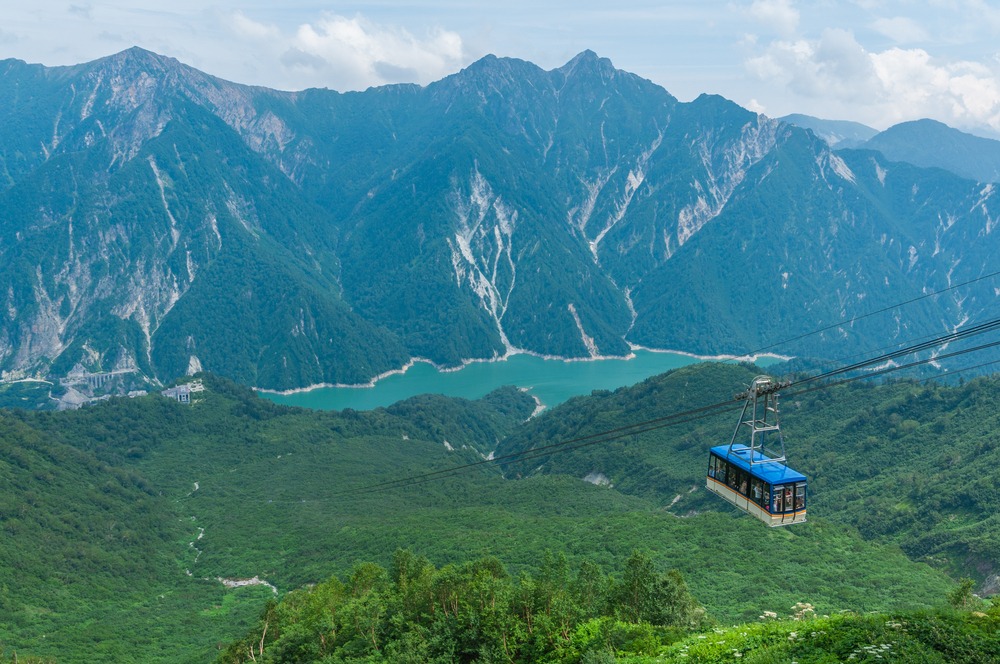
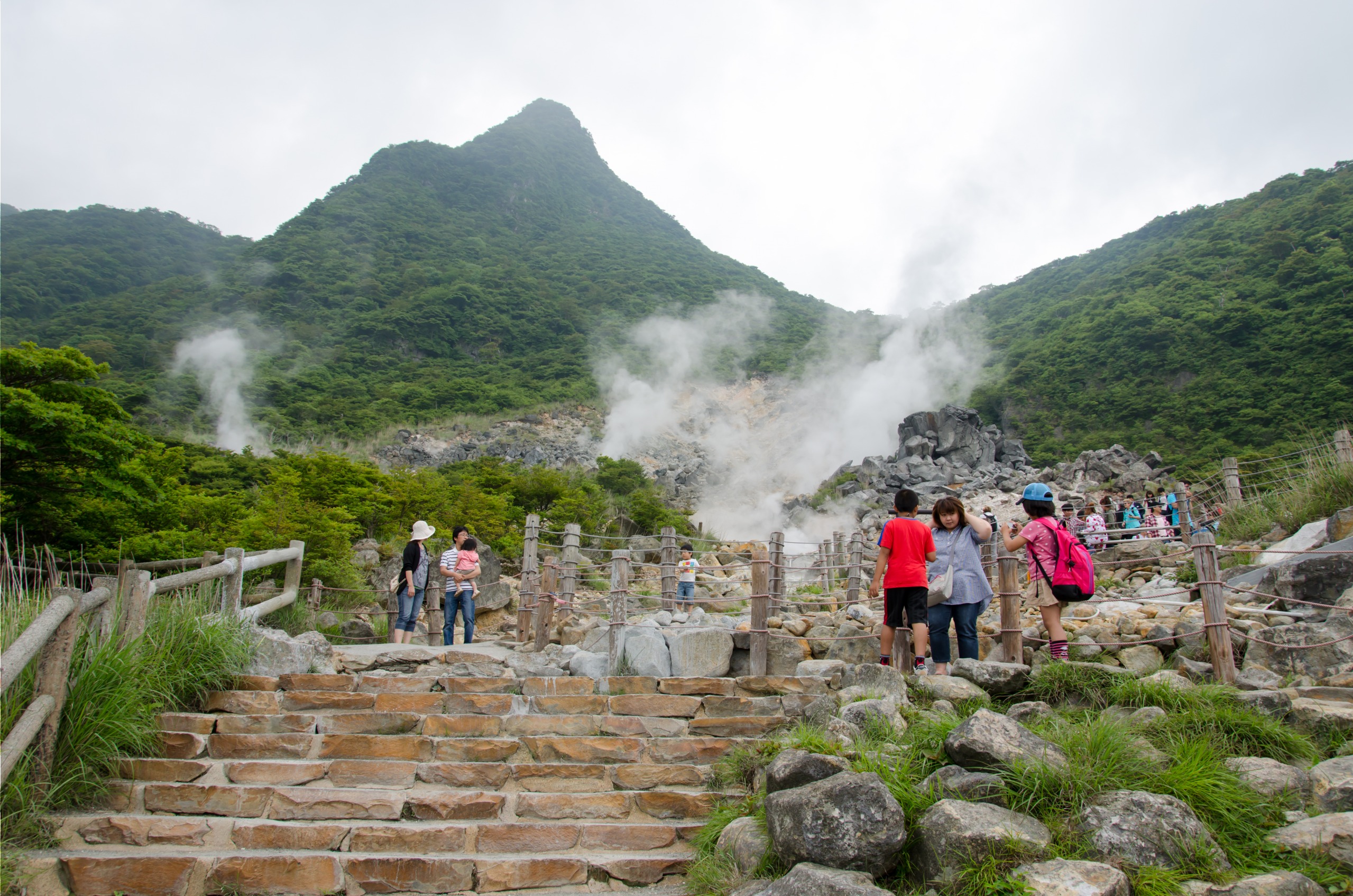
A visit to Hakone can extend into the volcanic zone of Owakudani that surrounds the town. To get there, you must first board a train to Gora Station, then take the funicular up to Souzan and finally ride the cable car to Owakudani. The atmosphere is striking in this valley that feels alternately lunar and mystical, with hot springs, sulfur emissions and fumaroles. A few bubbling pools lend themselves to a thermal bath, with a view of the majestic Mount Fuji. Also visit the restaurants on site to taste the local specialty: Kuro-tamago. These are eggs cooked in hot springs which, combined with sulfur, give them a black color. It's said these eggs have rejuvenating properties and extend the lifespan of those who eat them by 7 years. However, you shouldn't overindulge, as the magic would be canceled beyond two eggs…
Climate
Hakone has a humid subtropical climate, but its location nestled among volcanoes makes the weather somewhat unpredictable. Generally speaking, summer is characterized by heat and humidity, while winter is cool. The town experiences two rainy seasons: the first extends from June to July and the second in September.
There are three options to reach Hakone: train from Shinjuku or Tokyo and the Hakone Freepass option.
If you depart from Shinjuku Station, the Limited Express Romance running on the Odakyu line passes through Hakone Yumoto Station. The journey takes approximately 1 hour 30 minutes. You can pick up tickets at counters, vending machines, or book online.
If you're in Tokyo, you can choose between the JR Tokaido Main Line, the Kodama or the Hikari shinkansen to reach Hakone. Travel time and fares vary depending on the line.
The Hakone Freepass option is offered by Odakyu company. It's the top choice among tourists, as the pass offers free and unlimited access to all available transport on site: buses, train, funicular, cable car and boat. Furthermore, you benefit from various discounts on admission to Mount Fuji attractions, onsens, restaurants and museums. The pass is valid for 2 to 3 days.
Ideally, you would rent a car in Tokyo to move around as you wish. Otherwise, to reach attractions, you have different transport options: the boat to cross Lake Ashi, the bus for trips around town and its surroundings, the funicular or cable car to reach Owakudani valley, etc. In this case, you have everything to gain by booking a Hakone Freepass, as it covers all these journeys without needing to buy tickets for each outing.
Attractions in Hakone
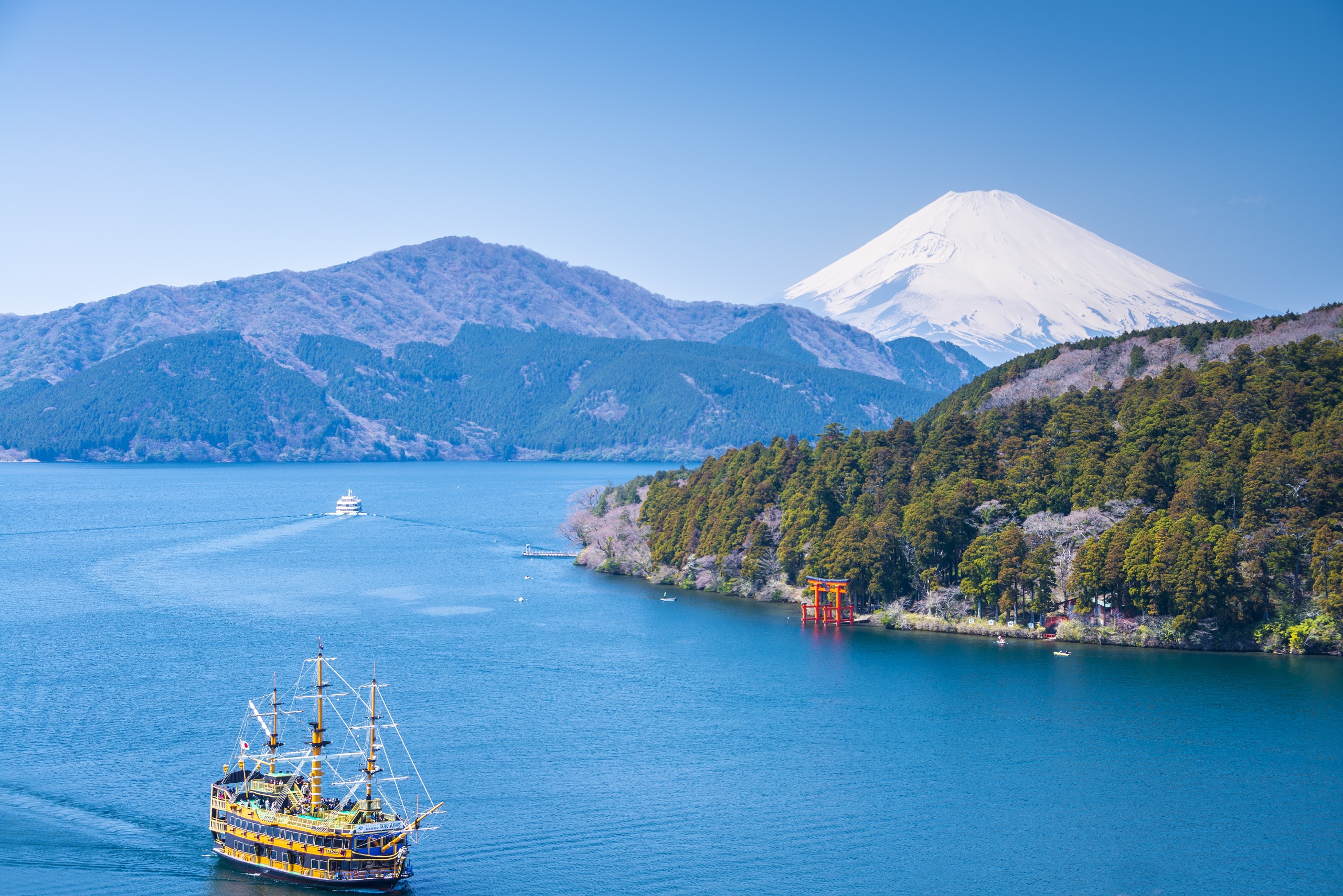
Le lac Ashi
Lac de cratère à 723 m d'altitude dans la caldeira du volcan Hakone, le lac Ashi est l'un des meilleurs points d'observation du mont Fuji depuis Tokyo.
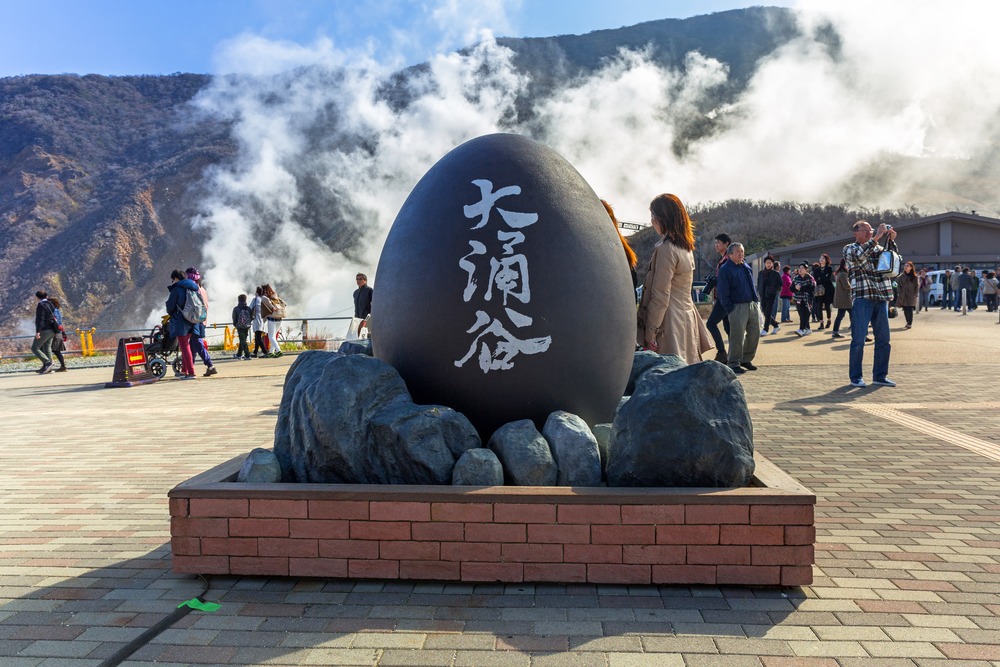
Owakudani station, Hakone
Vallée volcanique active près de Hakone, Owakudani réunit fumerolles soufrées, œufs noirs Kuro-tamago, téléphérique panoramique et vue sur le mont Fuji.
Le Yenessun Onsen
Complexe thermal ludique de Hakone, le Yunessun Onsen propose des bains aromatisés au vin, café, saké, thé vert et chocolat, en complément d'installations familiales.
Want to discover this destination?
Our local advisors design your tailor-made trip.