Kawaguchiko
Kawaguchiko
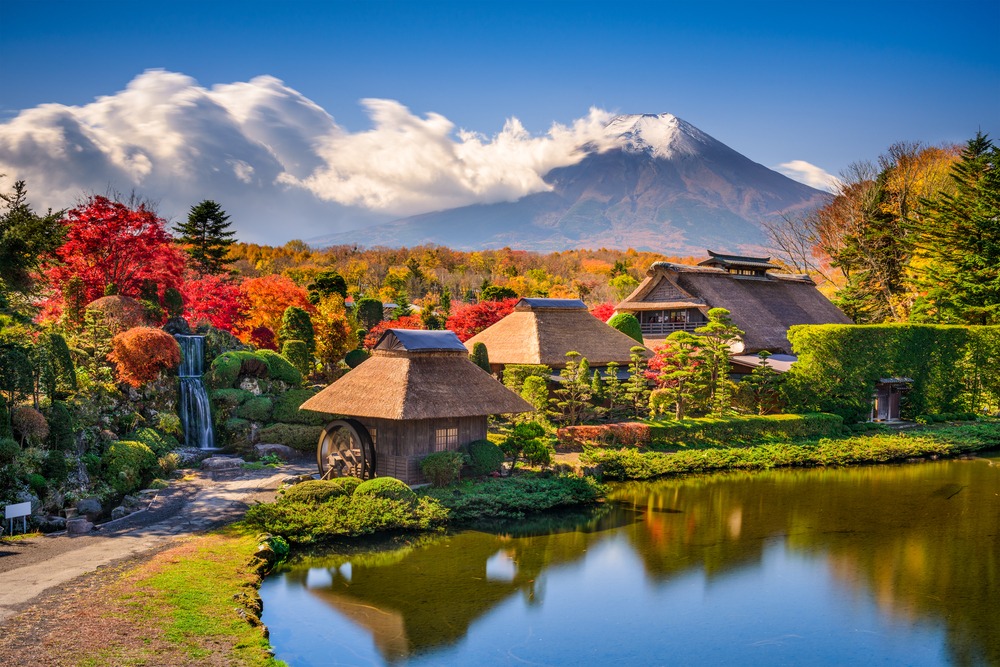
At the foot of Mount Fuji, Lake Kawaguchiko combines iconic views, onsen, art museums and hot spring villages. The complete guide to planning your stay.
Kawaguchiko, which overlooks the city of Fujikawaguchiko, in Yamanashi Prefecture, north of Tokyo, ranks among the 5 lakes bordering Mount Fuji. Conducive to outdoor activities, it's an excellent starting point for climbing Japan's emblematic mountain. Nearby, an art museum deserves a visit, not to mention local restaurants for a traditional culinary interlude.
History
The earliest references to Kawaguchiko, which literally means "lake of the estuary," date back to the Muromachi period, between the 14th and 16th centuries. Shoguns dominated the region from 1336 to 1573. A transition then occurred during the Edo period between medieval Japan and the era of modernism. Demographic growth was subsequently observed with the development of modern culture. Japanese aesthetics in the fields of creation, the tea ceremony, literature, and architecture spread rapidly among different ethnicities and social classes.
What to Do in the Lake Kawaguchiko Region?
Conquer Mount Fuji
The primary concern for tourists visiting the Kawaguchiko area is climbing Mount Fuji. This is an experience you absolutely must have during your trip to Japan if you're seeking discovery, unexpected encounters and thrilling moments. You have two options for scaling the mountain: the cable car for breathtaking views with ease, or hiking. To reach the summit, it's still advisable to be well-prepared and in good physical shape. After your climb, treat yourself to a pause on the shores of Lake Kawaguchiko and savor the moment while dipping your feet in the water.
Embark on a Cruise
You can enjoy a cruise on Lake Kawaguchiko to admire the majestic landscape of Mount Fuji. One of the highlights of the boat excursion is the Inverted Fuji, a phenomenon that occurs when Mount Fuji reflects on the water's surface in clear, windless conditions.
Explore Fujikawaguchiko City
The city of Fujikawaguchiko is well worth a visit. Stop by the Kubota Itchiku Art Museum, which showcases a compelling presentation of the work created by the eponymous artist: Symphony of Light. Among other pieces, 46 kimonos decorated with dyeing are displayed in a specific order to evoke the four seasons of the year.
Another must-see attraction is Kawaguchiko Music Forest. It's a themed park featuring mechanical musical instruments from Europe. A pipe organ dating from 1905 and measuring 16 feet tall by 43 feet wide is among the site's centerpieces. Every half hour, this rare jewel will serenade you with a melodious tune.
Also try a gastronomic experience and let yourself be surprised! Taste the hoto noodles, a local specialty made with sweet potatoes, pumpkins, an assortment of vegetables and a thick miso broth. You won't soon forget the flavor of this mountain stew.
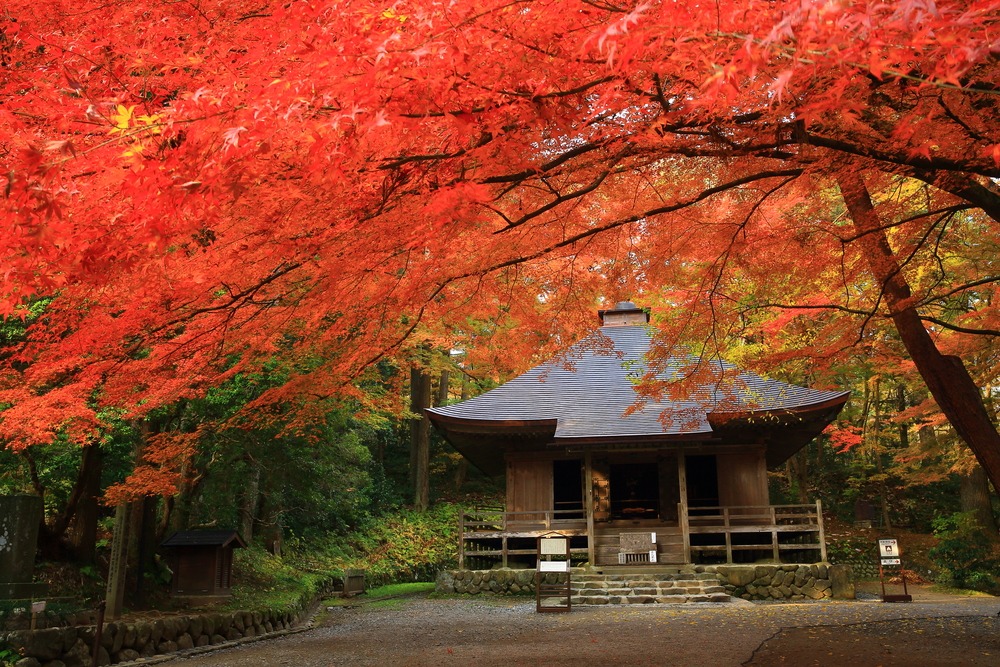
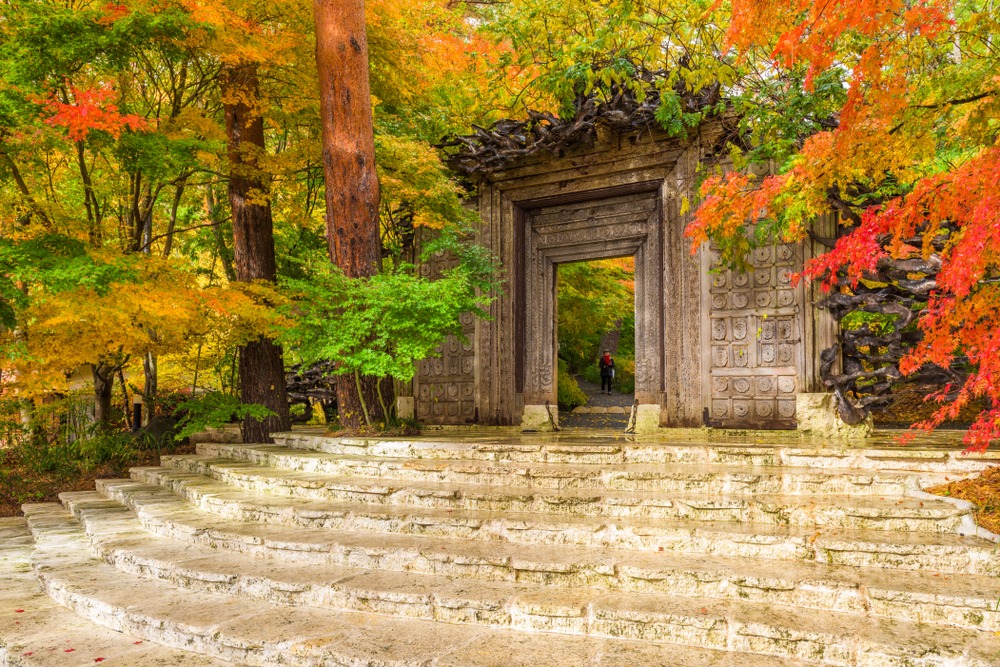
Don't forget to bring your camera during your stroll to capture the blooming cherry blossoms, or sakura, in spring, or the glowing red maple leaves, locally called momiji, in autumn.
Climate
The region experiences a humid continental climate with no dry season. The rainy period extends throughout the year, with a high precipitation rate estimated at 58.2 inches and an average temperature of 50.7°F.
Prioritize the months of June, July and August for a trip to the region. During this period, accommodations and airlines offer attractive rates to help you save money.
If you're traveling from Tokyo to Kawaguchiko, you have two options: train or bus. By train, from Shinjuku Station, take the JR Chuo Line to Otsuki, then transfer to the Fujikyu train bound for Lake Kawaguchiko. The journey takes approximately 2 hours and 15 minutes. By bus, there's a direct service from Shinjuku Bus Terminal.
For a Kyoto–Kawaguchiko route, the simplest option is to take the Shinkansen to Mishima Station, then board the Fujikyu bus to Kawaguchiko. This is a convenient solution to avoid multiple train transfers.
Bicycling appears to be the most suitable way to explore the lake and the surrounding areas. There's even an electric bike rental service called Sazanami in the locality. Of course, buses also circulate throughout the region. There are 2 types: the retro bus connecting the area to other Japanese cities and the sightseeing bus.
Want to discover this destination?
Our local advisors design your tailor-made trip.