Kinosaki
Kinosaki
Seven public baths, a willow-lined river and 1,300 years of thermal tradition: Kinosaki Onsen is Japan's most authentic onsen ritual.
Whether in cities or countryside, Japon has much to offer. Yet choices must be made to venture beyond the beaten path and escape tourist crowds. Set your course for preserved villages like Kinosaki Onsen, which transports you to the heart of historical Japon. The seven thermal springs of this ancient spa town will invigorate your senses.
History
Located two hours northwest of Kyoto in Hyogo Prefecture, Kinosaki Onsen boasts over 1,300 years of history. Legend has it that, following the vision of an oracle, Buddhist monk Douchi Shonin founded the village around 717 and prayed for the inhabitants for 1,000 days. At the end of this period, a hot spring reportedly emerged from the ground, giving birth to Kinosaki Onsen. Another tale speaks of a wounded crane bathing in a rice paddy to heal itself. This is how the ancients marked the location of the village's first bathhouse.
Discovering Kinosaki Onsen
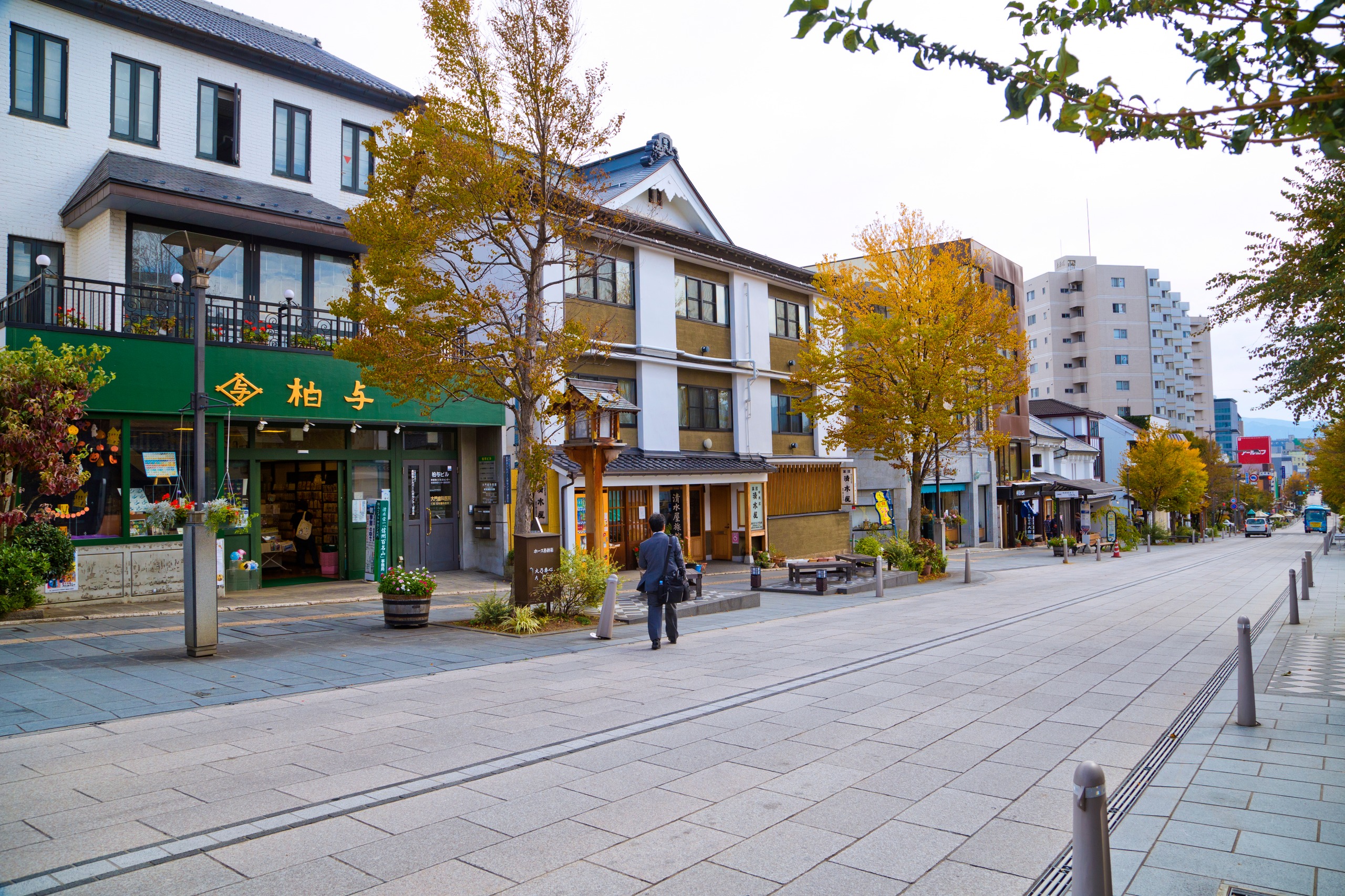
Count Kinosaki Onsen among Japan's finest hot spring resorts! Yet unlike spa towns that have inherited sprawling hotel complexes, the setting and atmosphere here have remained traditional, enhanced by a stream lined with cherry and willow trees. Beyond its millennia-old hot-bathing culture, crab caught in the Sea of Japon is equally prized as a local specialty. To accommodate visitors, Kinosaki Onsen hosts numerous ryokans. Most visitors arrive from Kyoto and Osaka by express train. In the evening, dressed in yukata and getas, join them for the onsens meguri—a walking tour through the town's hot spring establishments. Along the streets, you'll find countless small vendors selling drinks and street food for those with a appetite for snacks.
Onsen and Seafood
When you visit Kinosaki, experience the soto-yu, the seven onsens that earned the town its reputation. While most have existed for centuries, Sato-no-yu opened in 2000 and stands as the city's newest jewel. This marks the beginning of the seven-onsen circuit at the station exit. Then wander the picturesque streets along the Otani River all the way to Kono-yu, the final stop. Along the way, you can pause at a restaurant or café to enhance your adventure. Kinosaki proudly proclaims itself the "Crab Kingdom" for seafood lovers. Indulge yourself—taste the matsuba crab, the signature dish among many local recipes.
Baths, Cuisine, and Temples!
For culture enthusiasts, seek out the temples of Kinosaki! Slightly removed from town, at the end of a captivating forest path, the Onsen-ji Temple merits a detour. If hiking isn't your preference, the complex is accessible via the Kinosaki Ropeway, which you can board near the Kono-yu onsen. It climbs to over 1,000 meters in altitude, offering splendid views across the thermal resort, surrounding mountains, and the Sea of Japon on the horizon.
Another magnificent spot, Gokurakuji Temple, sits not far from the Mandarayu onsen. Before exploring the buildings, stroll through the "karesansui" dry gardens and winding paths across the grounds to enjoy different vantage points. As you climb into the valley, you'll discover a free foot bath. The main structures of Gokurakuji Temple—including a pagoda, museum, and main hall—are found mid-slope, but at the mountain's base stands the hall dedicated to the Buddha of Medicine (Yakushi-do).
What to See Around Kinosaki Onsen
A few minutes from Kinosaki, the Hachigoro Toshima wetlands serve as a sanctuary for the Oriental white stork. From the observation platform, use binoculars to admire these birds, revered as the city's emblem. Before that, don't miss the Genbudo Caves, part of the UNESCO San'in Kaigan Global Geopark. Children will likely love the dinosaur exhibits in the nearby museum. To reach the caves, board the small ferry near Genbudo Station.
Slightly further along the coast, visit the fishing village of Takeno. It's a peaceful spot, quickly accessible by train from Kinosaki Onsen. Discover its historic port and explore its vast white sandy beach. You'll find a snorkeling center on-site.
When to Visit Kinosaki Onsen?
No matter when you travel to Kinosaki Onsen, there will always be something beautiful to see or discover: autumn foliage, soft winter snows, spring cherry blossoms, summer festivals…
The Köppen-Geiger climate classification places Kinosaki Onsen in the Cfa category—humid and warm with little marked dry season. The town receives heavy rainfall throughout the year, averaging 1,899.9 mm annually. The mean annual temperature stands at 14.4°C.
With a JR pass, take the Shinkansen express train from Osaka or Kyoto. Trains depart hourly. The journey to Kinosaki Onsen takes approximately 2 hours and 40 minutes. Most routes are direct, though some include a quick train transfer at Fukuchiyama. The thermal resort is also accessible by train from Himeji and Kobe, located respectively 1 hour 50 minutes and 2 hours 40 minutes away. For budget travelers, buses serve Kinosaki from several cities in Hyogo Prefecture.
How to Get Around?
Kinosaki Onsen can be explored entirely on foot. Moreover, taxis are quite limited within the town.
What to Do in Kinosaki Onsen?
- Visit each of the town's onsens in turn
- Savor fresh seafood at a local restaurant
- Learn zazen meditation at Gokurakuji Temple
- Observe Oriental white storks at the Hachigoro Toshima wetlands
- Enjoy beach pleasures at Takeno, etc.
Attractions in Kinosaki
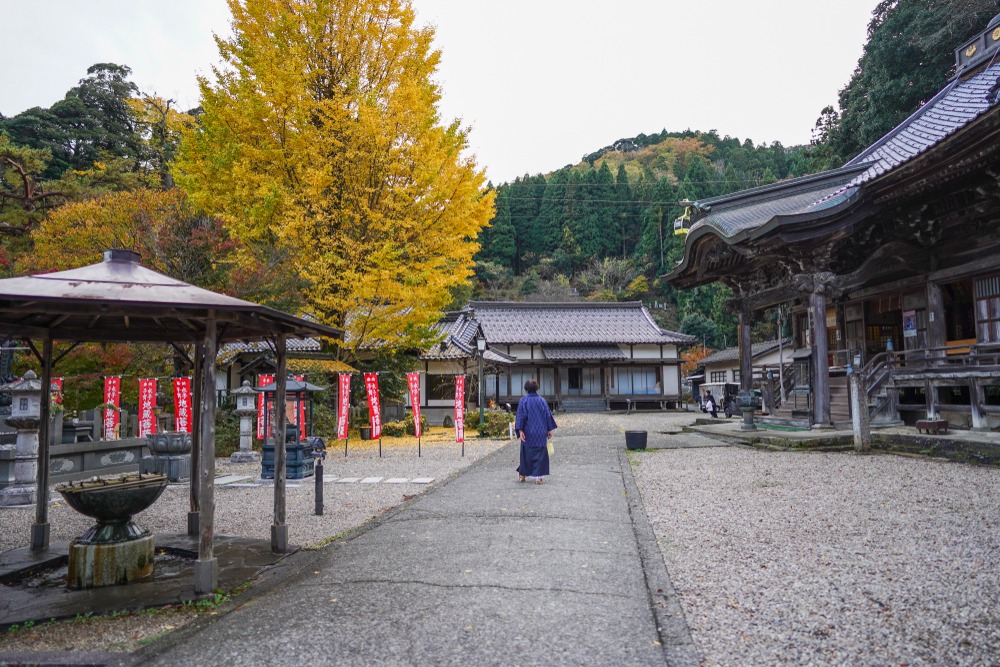
Temple Osenji
Fondé en 738, le temple Osenji domine Kinosaki Onsen depuis le mont Daishi et garde la mémoire spirituelle des sept sources chaudes du village.
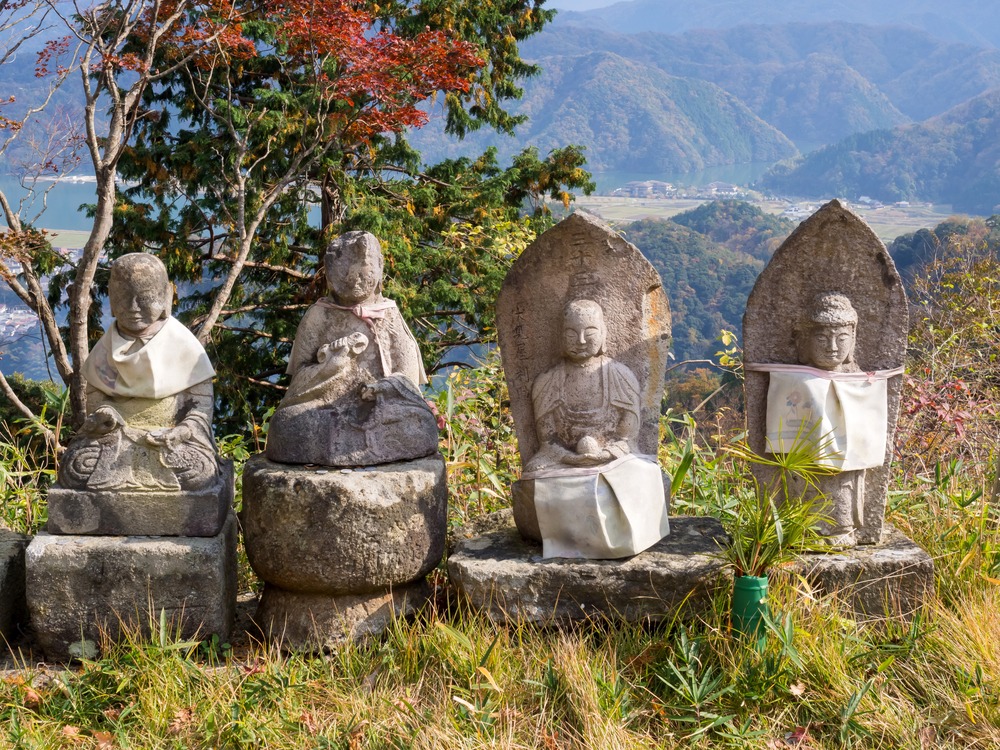
Les musées de Kinosaki
Deux musées à Kinosaki Onsen pour comprendre la ville thermale autrement : héritage littéraire de Naoya Shiga et tradition unique de la marqueterie de paille.
Want to discover this destination?
Our local advisors design your tailor-made trip.