Kyoto
Kyoto
Japan's imperial capital for a thousand years, Kyoto is home to 17 UNESCO sites, geishas in Gion and hundreds of temples. Our guide to exploring it.
Kyoto nestles between the mountains of western Honshu province. Japan's former capital continues to evolve while fiercely preserving its historical heritage. Transformed into a cultural and spiritual hub of Japan, the city reveals beautiful traditional architecture alongside cutting-edge buildings.
History
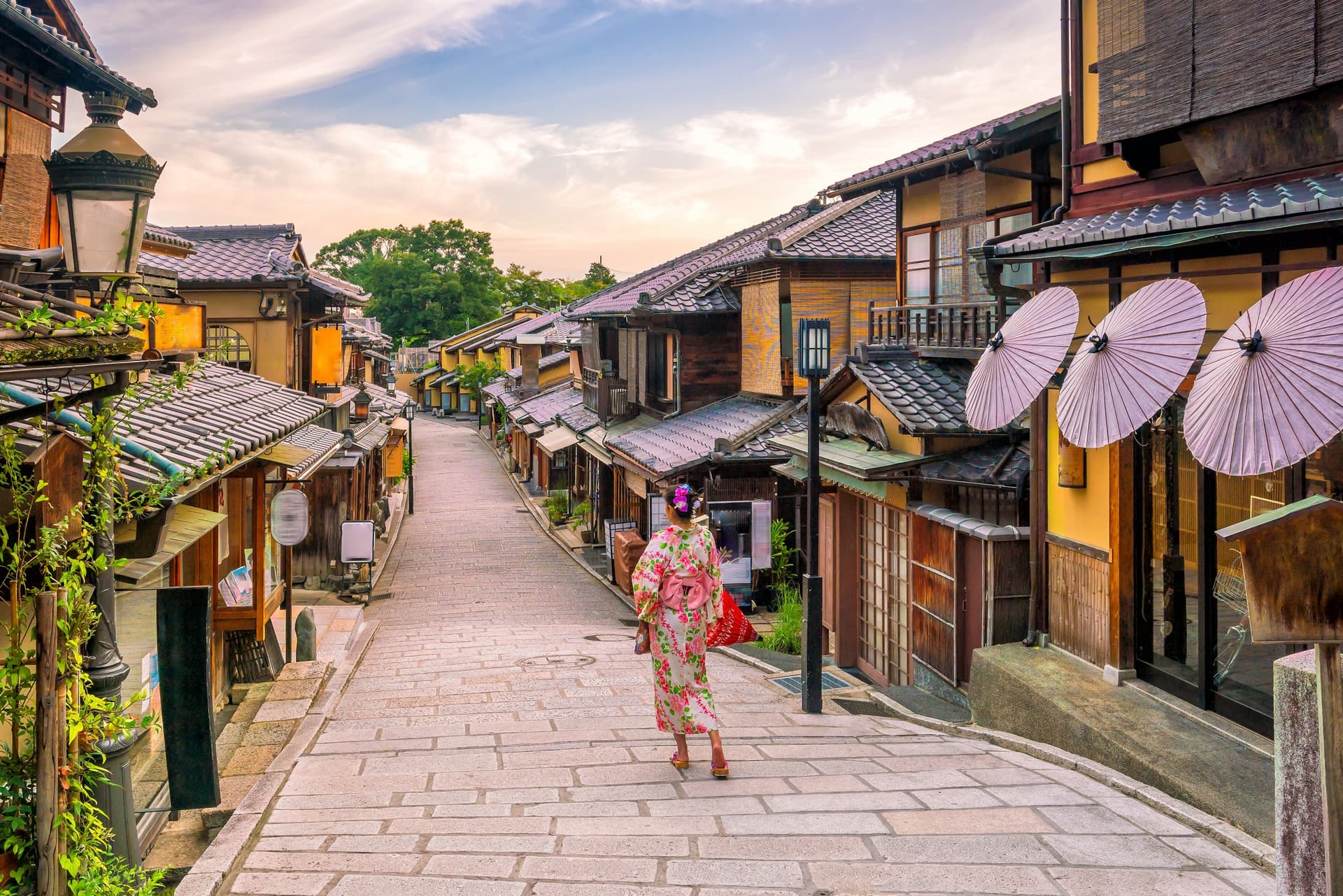
Kyoto served as the seat of Japan's emperor from 794 to 1868. It was the nation's capital before Tokyo assumed that role during the Meiji Restoration. For a millennium, it established itself as the epicenter of culture, spirituality, tradition and politics in Japan. Monks, emperors and shoguns contributed to its glory by endowing it with countless palaces and temples. During World War II, the city escaped American aerial bombardment, allowing it to preserve several pre-war structures, such as traditional machiya townhouses. However, as it modernized, it relinquished some traditional buildings to make way for new designs, exemplified by the Kyoto Station complex.
Today
After serving as Japan's capital for over a thousand years, Kyoto continues to shine in the realms of culture, spirituality and ideas. In the downtown area, the Imperial Palace reflects the beauty of architectural simplicity in the Land of the Rising Sun. Not far from this site stands the Nijo Castle, which by contrast showcases a more sophisticated structure. Shogun Tokugawa Ieyasu made it his residence during his rare stays in Kyoto.
Near the vibrant Shijo-Kawaramachi district, still in central Kyoto, Gion Corner caters to enthusiasts of theater and traditional arts. Surrounding this venue, you'll find numerous restaurants with old-world character that underscore the refined atmosphere of the area. In Kyoto, night owls can enjoy lively evenings in the bars of the Kiyamachi district.
In Higashiyama, the Sanjusangendo Temple particularly deserves a visit. This hall dedicated to Kannon houses 1,001 wooden statues of the goddess of mercy. Don't miss the Kiyomizu Temple either, distinguished by its construction on stilts in a beautiful valley overlooking the city. The Ginkakuji Temple, meanwhile, will delight your eyes with its graceful architecture and landscaped gardens.
In the western part of Kyoto, the Katsura Imperial Villa stands as an unmissable monument. It ranks among Japan's most beautiful sites in terms of architecture and traditional gardens. Another imperial residence to discover is the Shugakuin Villa, built in the 17th century and used as a retreat by Emperor Go-Mizuno. To access these majestic properties, you must request a permit from the Imperial Household Agency. Since the process can take over a week, submit your request as early as possible.
About twenty minutes by train west of central Kyoto lies the Arashiyama district. This beautiful area is renowned for its bamboo grove and numerous temples to explore by bicycle. You can then extend your adventure to the Ryoanji and Kinkakuji temples. The latter bears the nickname of the Golden Pavilion, while the former distinguishes itself through its stone and white sand garden.
Climate
Kyoto experiences four distinct seasons. Blooming spring and flaming autumn are the preferred periods for tourists to visit the city. Due to its location in a basin, Kyoto endures humid summers. The rainy season typically lasts from June through late July, marked by intermittent showers and drizzle. Typhoons arrive as September approaches. Winter brings cold to the city but spares it from heavy snowfall. This season extends from December through March, before giving way to cherry blossom season.
You can reach Kyoto by plane or train.
By Air:
Located in Osaka Bay, Kansai International Airport sits 1 hour 15 minutes by train from Kyoto. For domestic flights, you can land at Itami Airport in Osaka, from which the bus journey to Kyoto takes less than an hour.
By Train:
From Tokyo, the JR Shinkansen Nozomi train takes 2 hours 20 minutes to reach Kyoto. The JR Shinkansen Hikari journey lasts 2 hours 40 minutes. From Osaka, the Shinkansen to Kyoto takes fifteen minutes from Shin-Osaka. From Osaka-Umeda, "limited express" and "special rapid" options allow you to reach the city in under thirty minutes.
Transportation in Kyoto accommodates thousands of users daily, both locals and visitors. In early spring and late autumn, the city experiences peak tourist season, which often leads to crowding on the lines. To meet travelers' needs, Kyoto operates an extensive bus network, two underground metro lines and several above-ground train lines. Taxis and rental cars also circulate throughout the city.
Attractions in Kyoto
See all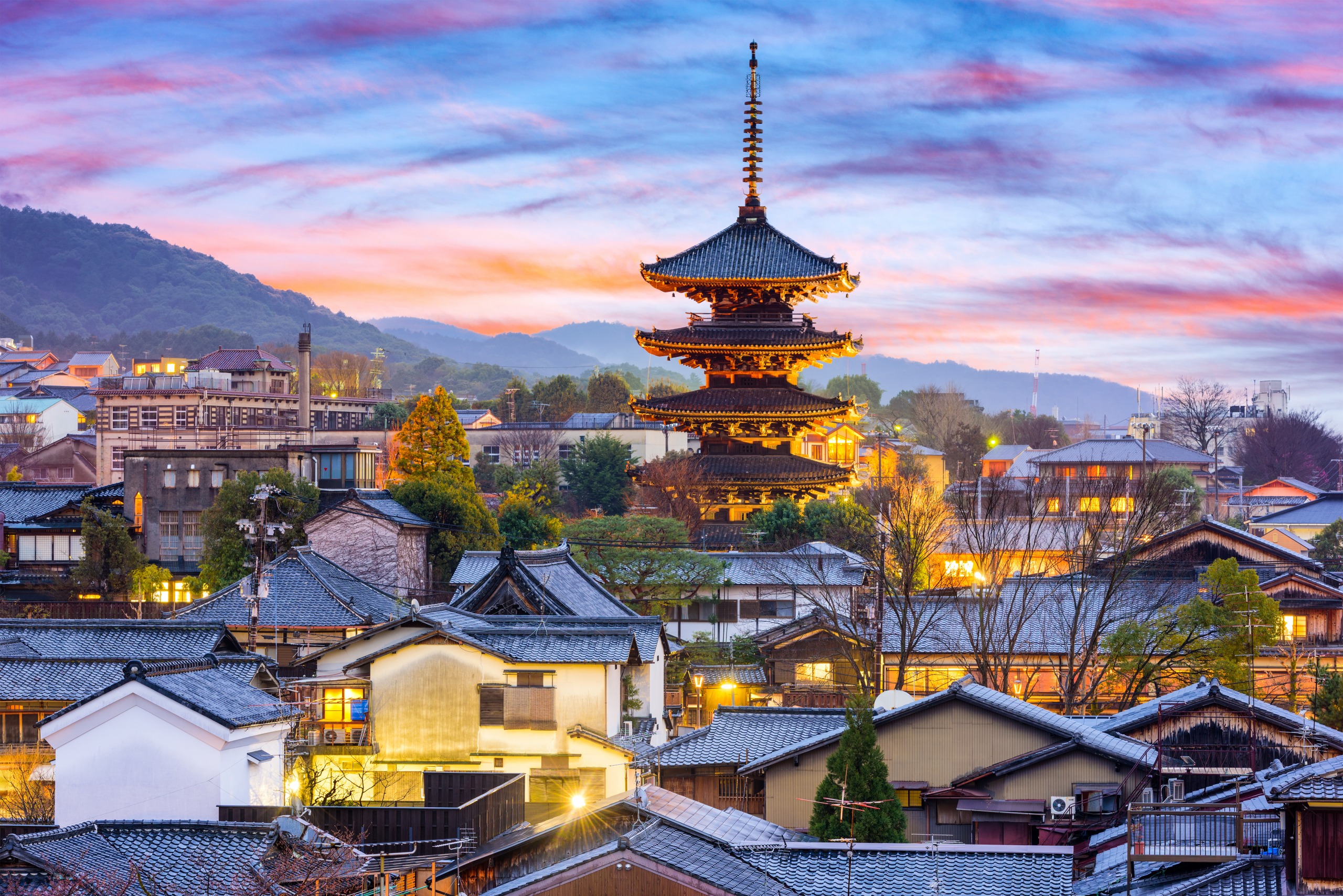
Le quartier d'Higashiyama
Adossé aux collines de l'est de Kyoto, Higashiyama réunit ruelles pavées, machiya en bois et temples majeurs comme Kiyomizu-dera, Ginkaku-ji et Nanzen-ji.
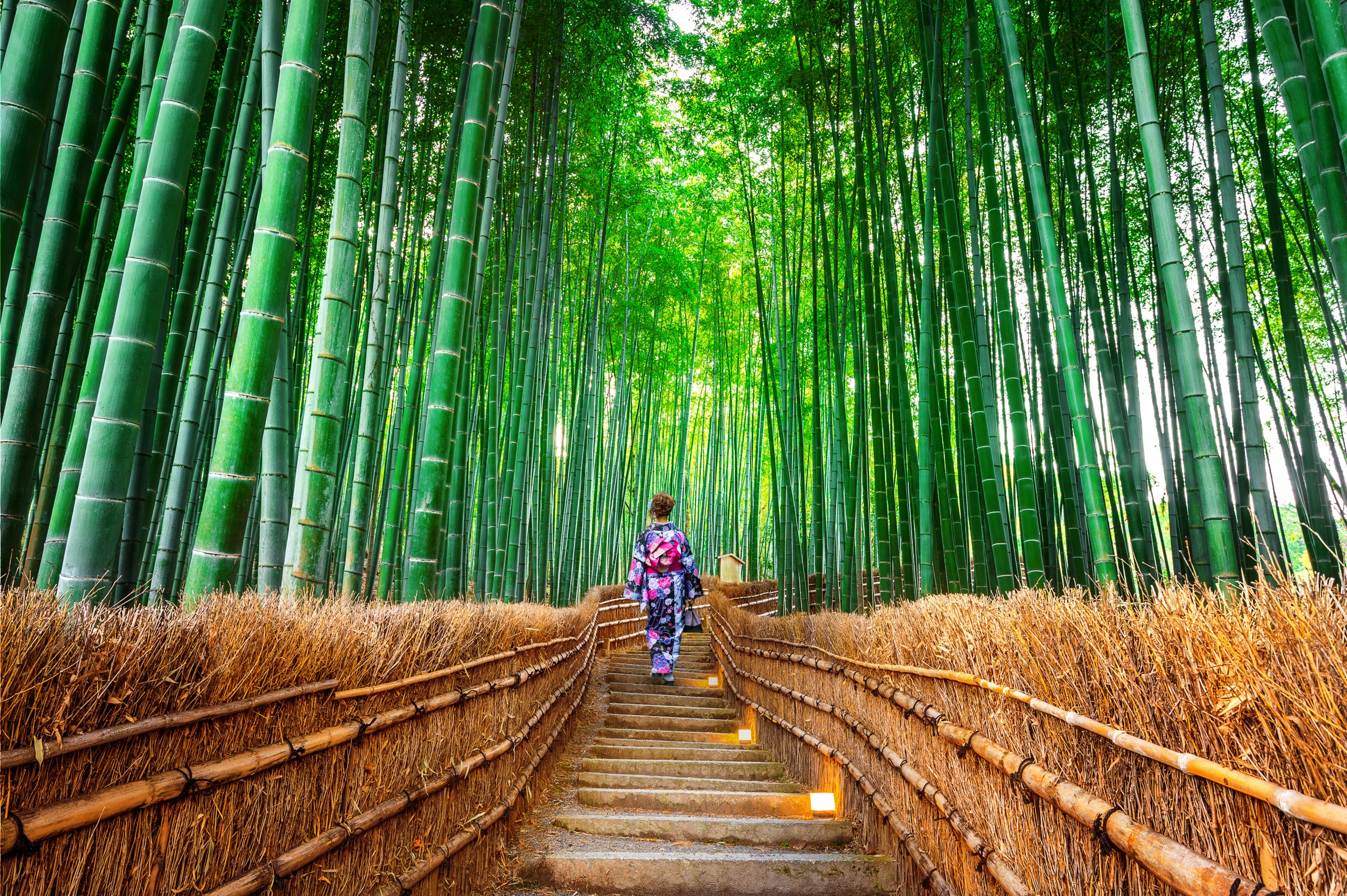
Le Mont Arashiyama
À l'ouest de Kyoto, le mont Arashiyama réunit bambouseraie, temple zen Tenryu-ji, macaques en liberté, train panoramique et sources chaudes.
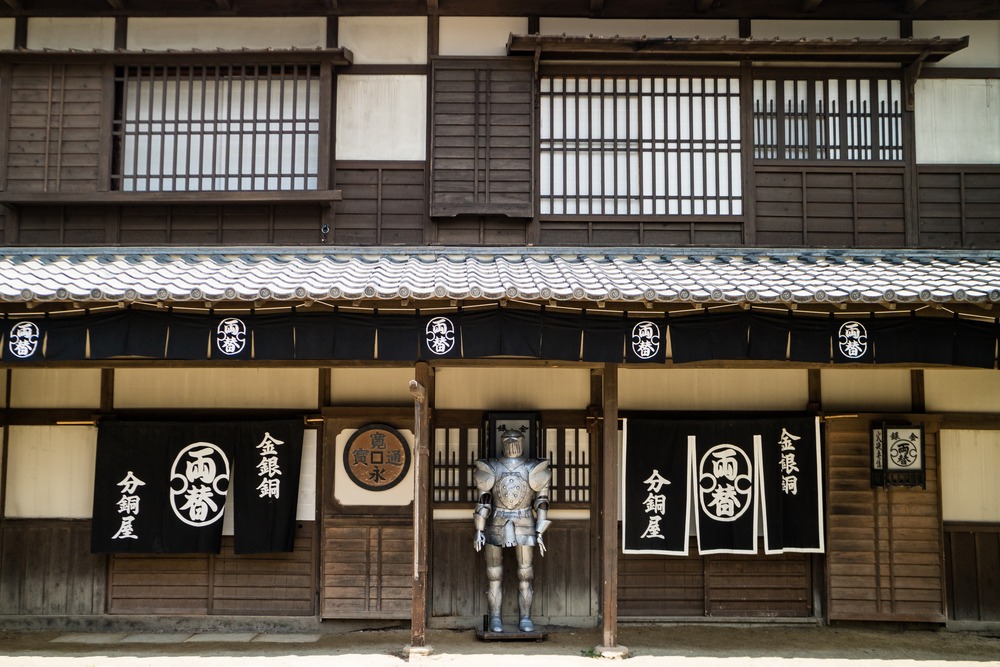
Le parc d'attractions d'Eigamura
À l'ouest de Kyoto, le parc Tôei Uzumasa Eigamura mêle studio de tournage en activité et reconstitution de la période d'Edo sur 5,3 hectares.
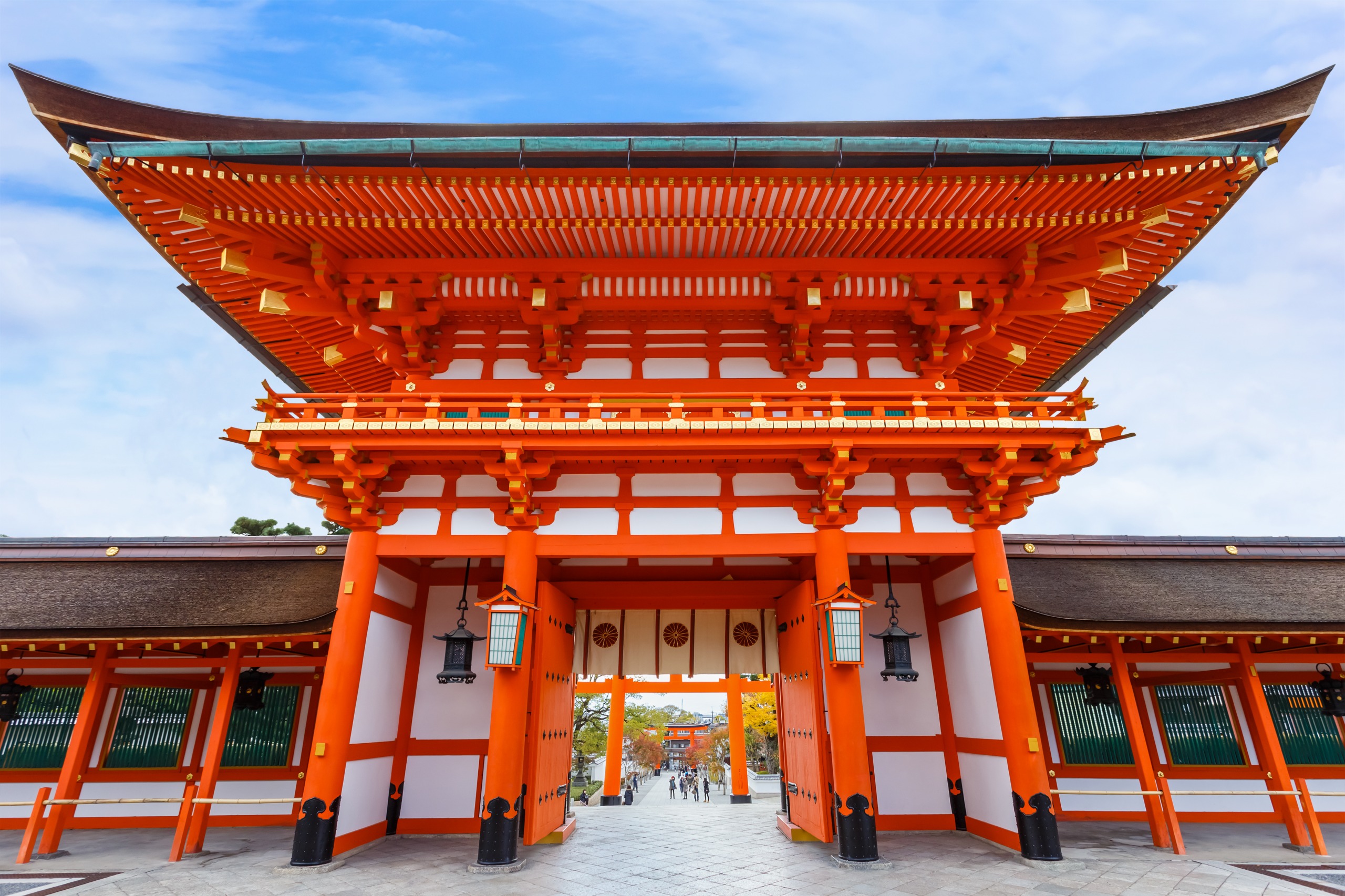
Le sanctuaire de Fushimi Inari
Surnommé le sanctuaire aux 10 000 torii, Fushimi Inari-taisha aligne ses portiques vermillon sur le flanc d'une colline boisée au sud-est de Kyoto.
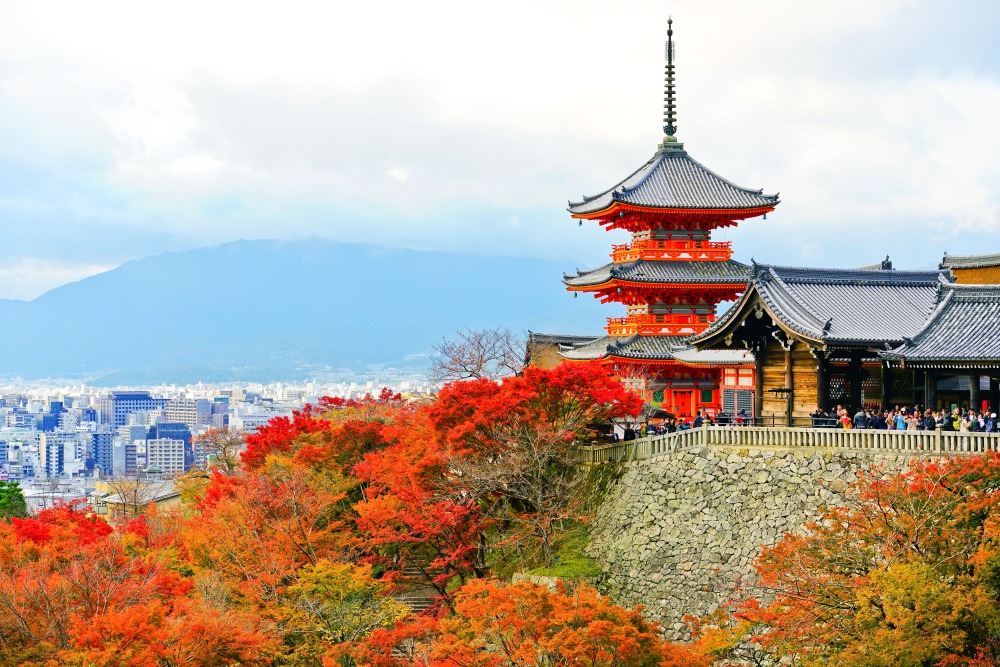
Le temple Kiyomizu
Adossé aux collines de Higashiyama, le Kiyomizu-dera domine Kyoto depuis sa terrasse de bois sans clous. Histoire, sites à voir et conseils de visite.
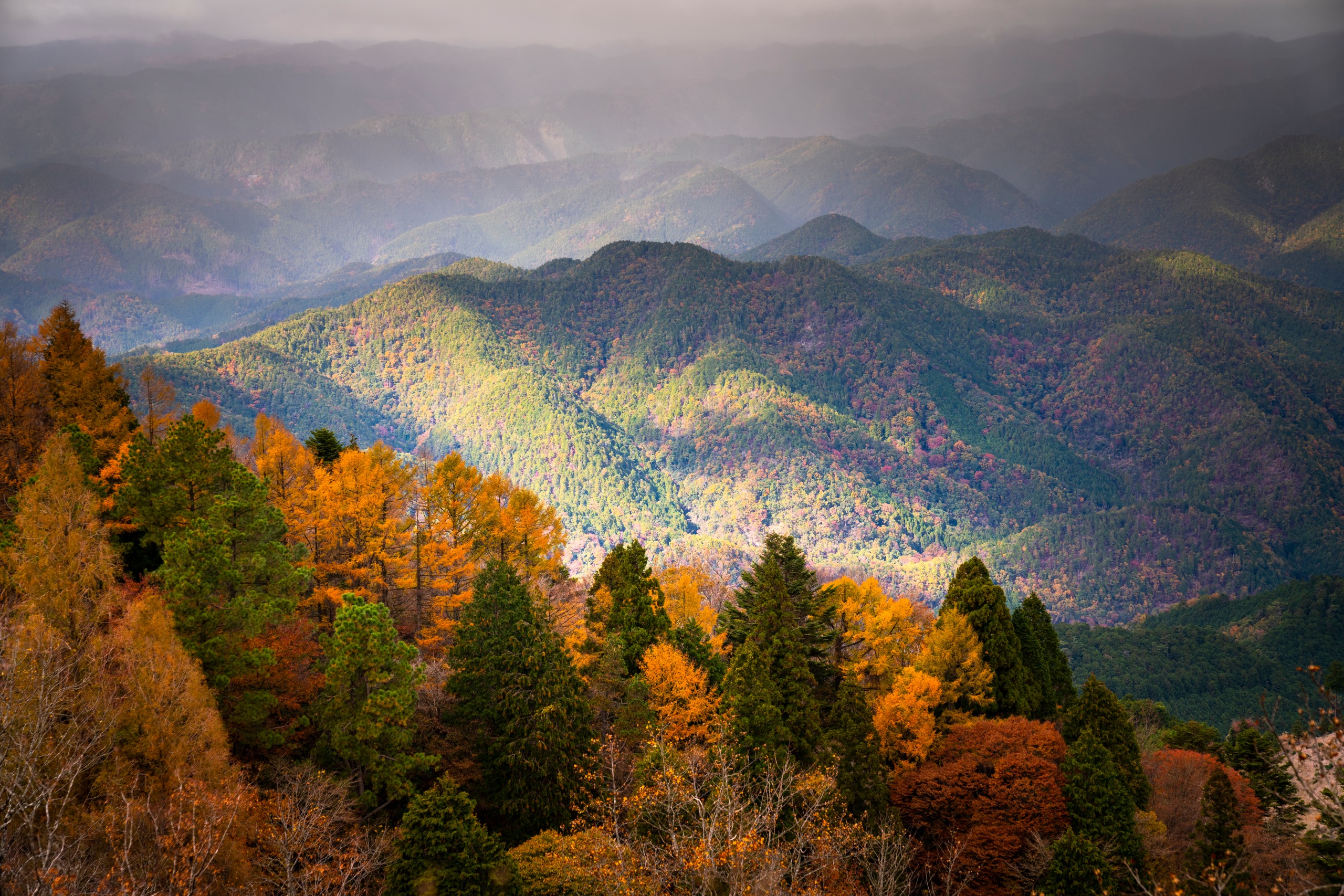
Le Mont Hiei
Au nord-est de Kyoto, le mont Hiei abrite l'Enryaku-ji, berceau du bouddhisme Tendai classé à l'UNESCO, entre forêts, sentiers anciens et panoramas sur le lac Biwa.
Accommodation in Kyoto
Want to discover this destination?
Our local advisors design your tailor-made trip.