Matsue
Matsue
The quiet capital of Shimane Prefecture, Matsue combines an original castle, navigable moats and stunning sunsets over Lake Shinji.
Matsue is located in the Chūgoku region and serves as the capital of Shimane Prefecture. It sits on the shores of the Sea of Japan and Lake Shinji. Crossed by numerous canals that serve as moats, traversed by the Ônashi-kawa and Tenjin-gawa rivers and flowing toward Lake Nakaumi to the east, the city has earned the name "the City of Water."
At first glance, the city overflows with invaluable cultural treasures, scattered throughout its center, east, north and south districts. Starting from the castle and moving through countless historic sites, parks, festive celebrations and a rich culinary scene, Matsue proves to be a destination of dreams. It stands as a symbolic representation of a city built around an exceptionally authentic castle.
Matsue will captivate you with the beauty of its majestic landscape and will complete your stay in Japan with a memorable experience.
The Origins of Matsue
The legends and myths that shaped the city of Matsue are works of art in themselves. The city was constructed at the same time as the castle, built on marshland in the early 17th century during the Edo period. Following a decisive victory in honor of the domain's first lord, Horio Yoshiharu, the shogun Tokugawa rewarded him with the lands of Izumo and Oki as recognition for his role in the Battle of Sekigahara in 1600.
In building this castle town, he employed a strategic approach that prioritized comprehensive infrastructure while considering military, economic and political factors. In that era, boat traffic was significant. The outer moats, where warriors' and merchants' dwellings were located, served as rallying points to facilitate transport throughout the surrounding region. Temples and shrines were quickly transformed into troop assembly areas. To impede attackers, streets were deliberately laid out in zigzag patterns.
During this period, residents relied heavily on craft economy, a tradition passed down through generations. Examples include the creation of Yakumo-nuri lacquerware objects, agate jewelry and ornaments, as well as pottery from kilns such as Rakuzan, Sodeshi and Fujina.
Matsue Today
Matsue earned the status of important cultural heritage thanks to its castle, completed in 1611. In 1951, it received official designation as an international tourist and cultural city. With a population of approximately 206,230 in 2015, the city center has successfully blended modern aesthetics and advanced technology with historic, authentic architecture.
Matsue owes much of its economic prosperity to a celebrated British writer. Completely captivated by Japanese culture, he became a naturalized Japanese citizen, taking the name Yakumo Koizumi. Since then, this illustrious author has opened doors in the tourism sector. Close relationships have also been established with Dublin and New Orleans.
Matsue, A City of Countless Splendors
In this unique city, there is no shortage of sites to visit, requiring a packed itinerary for the day.
Matsue Castle
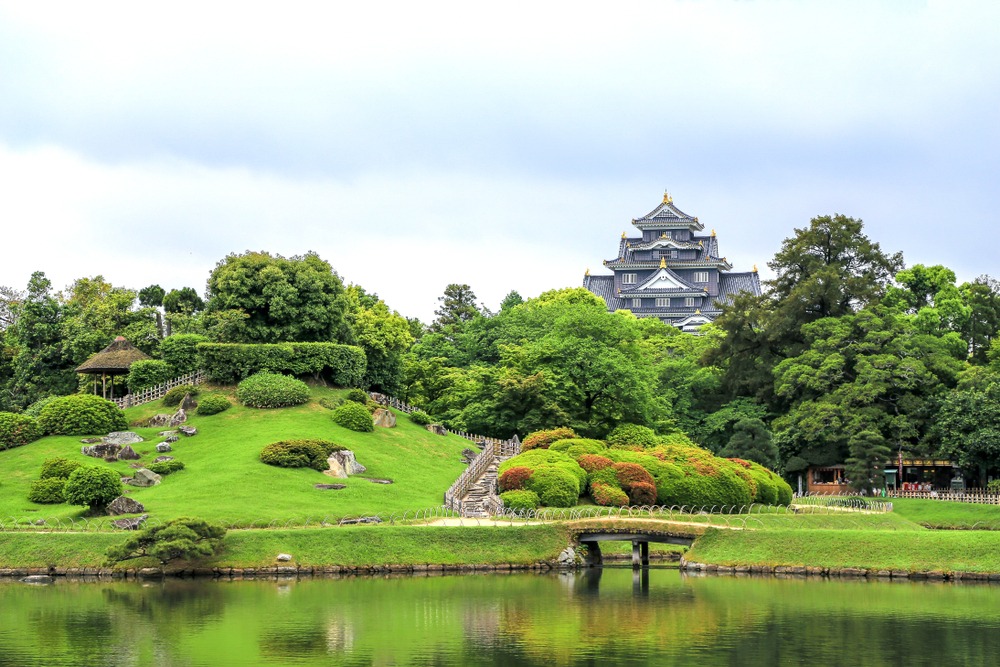
Representing the emblematic symbol of Matsue, this site deserves priority on your visit list. It is one of only 12 surviving original castle keeps that has maintained its authenticity throughout the centuries.
From the summit, an unobstructed panorama unfolds across the city, Lake Shinji and Mount Daisen. This marvel also houses magnificent gardens, where camellias and cherry blossoms bloom in spring.
The Shiomi-Nawate Road
Ranked among Japan's hundred most beautiful roads, this preserved route is lined with century-old pines and samurai residences, including the Buke-Yashiki, which remains well-preserved and open to visitors.
It is worth noting that the pine tree is Matsue's symbolic emblem.
The Meimei-an Tea Pavilion
Built in 1779, this is one of Japan's most celebrated tea pavilions. The daimyo Fumay founded this ancestral tradition.
The Japanese Garden
This consists of a large greenhouse that houses year-round Matsue's emblematic flower: the peony.
Lake Shinji
A true aquatic heart, it ranks as Japan's 7th largest lake. It comprises an elegant mixture of fresh and salt water throughout. At its depths, admire a magnificent sunset with its striking colors and exceptional beauty.
Lake Shinji also boasts Japan's greatest production of shijimi clams. The Shijimi Shellfish Center opens its doors to teach visitors more about these delicious crustaceans.
The Matsue History Museum
Built near the castle and designed in the style of a samurai residence, this museum charms visitors with its history and the city's cultural heritage. During your visit, the museum café invites you to sample exquisite traditional Japanese confectioneries, wagashi, accompanied by green tea. Additionally, you will enjoy views of a traditional Japanese garden.
Hot Springs and Onsen
Matsue is home to several hot spring facilities.
Matsue Shinji-ko
Fed by a source located 1,250 meters below the surface, the water can exceed 77°C. Rich in sulfates and chlorides, these waters possess therapeutic properties for relieving various ailments, including neuralgia and rheumatism.
Gastronomy in Matsue is defined by unique and diverse culinary specialties. From whitebait, shijimi clams, eels, shrimp, sea bass, smelt and carp, these ingredients comprise the "Seven Delights of Lake Shinji."
Also taste the region's specialty, Izumo soba. These noodles are characterized by their dark gray color, delicate aroma and distinctive texture. Dishes are served in bowls called warigo—truly a delight!
Climate in Matsue
The water city experiences a maritime climate influenced by several meteorological factors. Rainfall occurs year-round with variable temperatures. Conditions are particularly pleasant between May and October. This is also the ideal period to plan a visit to Matsue.
If you plan to visit Matsue, be aware that several railway lines serve the region. Matsue Station is the city's primary railway hub. JR West operates services on the San'in and Kisuki lines. Kita-Matsue Station is served by Ichibata Electric Railway.
Additionally, two regional airports provide access to Matsue: Izumo and Yonago-Miho.
Transportation in Matsue
Several options are available for getting around Matsue.
Multiple bus lines operate throughout the city. To visit attraction parks, choose the Lakeline route. Buses run every 20 minutes. A single-journey ticket costs ¥200 for adults and ¥100 for children. An all-day pass is ¥500 for adults and ¥250 for children. The vehicles are easily recognizable by their retro style and red color. Municipal and Ichibata buses also remain in service.
Taxis generally station themselves at both of Matsue's railway stations. You can hail a cab if the vehicle is empty. For reservations, several companies are available—simply make a phone call.
Another option for moving around the city is renting a bicycle. It is one of the simplest and most practical ways to explore the area at your own pace. Rental services use a system allowing you to return your bike at any designated location marked with an asterisk.
Boats also provide an easy way to travel around the castle and throughout the city. Matsue has three boat terminals, and the Horikawa pleasure boats navigate the historic navigable moats. A ticket is valid for the entire day. You can board as many times as you wish while enjoying breathtaking scenery.
In some areas, just a few minutes of pleasant walking suffice to get around the city. For hiking enthusiasts, explore Matsue by strolling through its lively streets or along the shores of Lake Shinji.
Want to discover this destination?
Our local advisors design your tailor-made trip.