The City of Osaka
The City of Osaka
Japan's third-largest city, Osaka blends feudal castle, neon-lit Dotonbori, legendary street food and Bunraku theatre. Our comprehensive guide.
It took just a few decades for Osaka to rise from the ashes following the American bombardments of 1945. Admittedly, its hasty urbanization has left an apparent disorder in the arrangement of buildings and underground infrastructure. Yet Osaka is far from lacking charm. It is a showcase of the latest trends and a heartbeat of traditional Japanese culture.
A Brief History of Osaka
Osaka was founded in the 3rd century and became the capital of the Empire of the Rising Sun in the mid-7th century, at the behest of Emperor Tenji. Japan's first Buddhist temple, Shi Tenno-ji, was erected within the city during this era. In 1583, Toyotomi Hideyoshi built Osaka Castle.
In the 20th century, Osaka became a brilliant industrial hub, having long served as a reservoir of raw materials for Japan. Devastated by American bombardment during World War II, the city underwent rapid reconstruction that resulted in haphazard urban development.
Osaka is today the country's third-largest city. It stands as the commercial and industrial hub of the western region. The metropolis sits at the mouth of the Yodo River, to which it owes its vast network of underground canals.
What to See in Osaka?
Osaka Castle
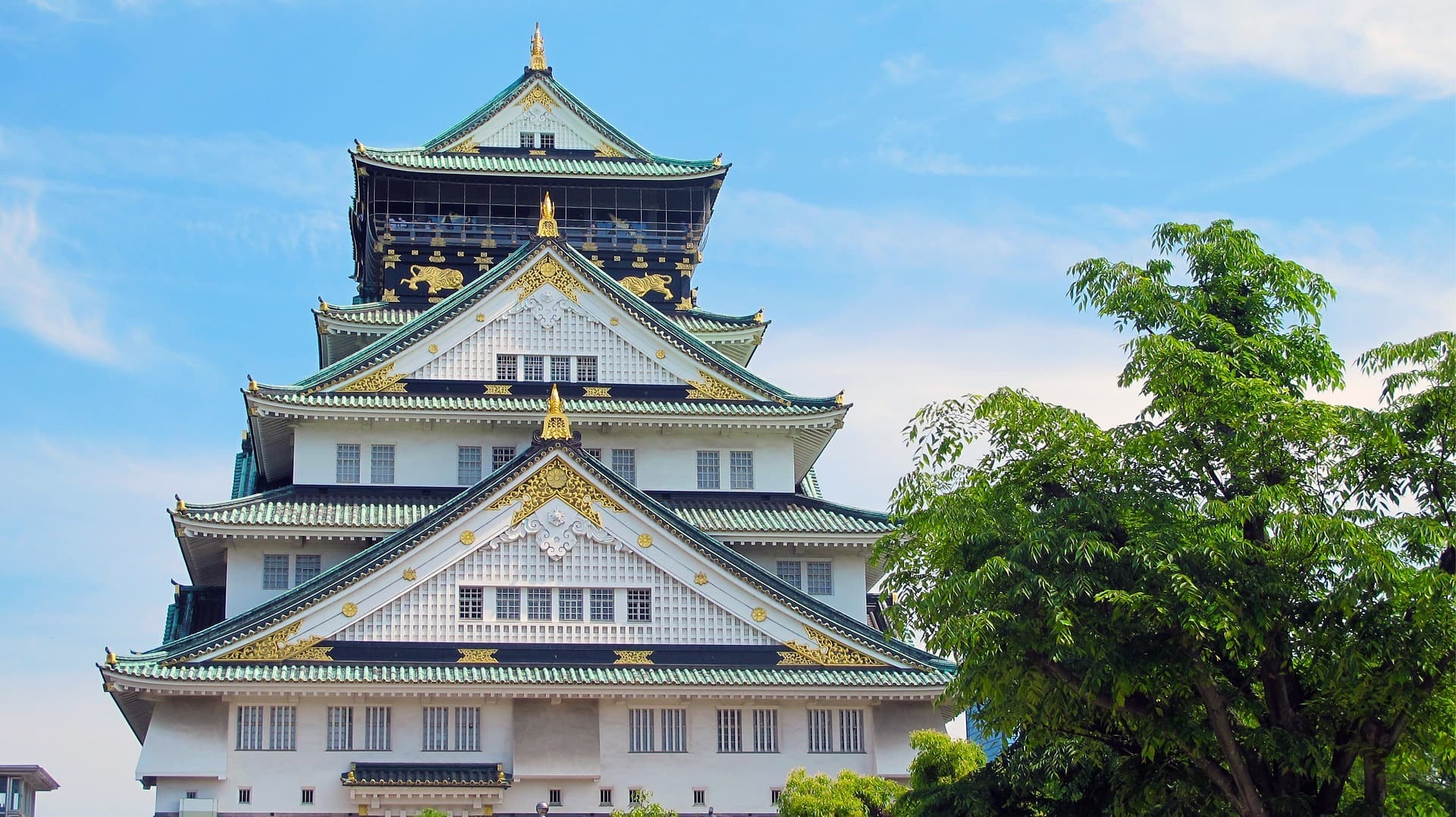
Osaka Castle is a major historical symbol of Japan. It has undergone several reconstructions, notably after its destruction in 1615 and 1665. The current structure dates from 1931 and was restored in 1997.
The castle stands out for its white walls, green tile roofs and gilded ornaments. Vast gardens, moats and imposing ramparts surround it. Counted among Osaka's top attractions, this keep offers panoramic views of the city and houses a museum detailing Japan's rich history.
Kaiyukan Aquarium
Kaiyukan Aquarium is one of the world's largest, rivaling those in Monterey Bay, California and Valencia, Spain. This attraction stands out for its giant central tank, home to a whale shark—its flagship resident.
Constructed across eight floors, the aquarium promises total immersion in diverse marine habitats. Sea otters, penguins, manta rays and jellyfish, among other marine creatures, make their home here. Each floor represents a specific marine environment, allowing visitors to discover ocean biodiversity.
Japanese Knife Workshops in Sakai
Sakai, a port city near Osaka, is renowned for its blacksmiths and cutlery craftsmen. Food enthusiasts will delight in discovering knife workshops scattered throughout its old town, offering a fascinating glimpse into traditional Japanese craftsmanship. The Hamono Museum offers intensive classes and hands-on experiences. Its gift shop, brimming with high-quality knives, is also well worth a visit.
Gate Tower Building
This building is famous for its unique design. A highway passes through its intermediate floors. This fusion of architecture and infrastructure makes this 16-story building a fascinating urban curiosity.
The Tower of the Sun (Taiyō no tō)
The Tower of the Sun, in Suita, not far from Osaka, is an iconic work by artist Taro Okamoto. Erected for the 1970 World's Fair, this unique 70-meter-high structure impresses with its three expressive faces. Inside are artistic objects created by Taro.
What to Do in Osaka?
Stroll Through the Streets of Dōtonbori
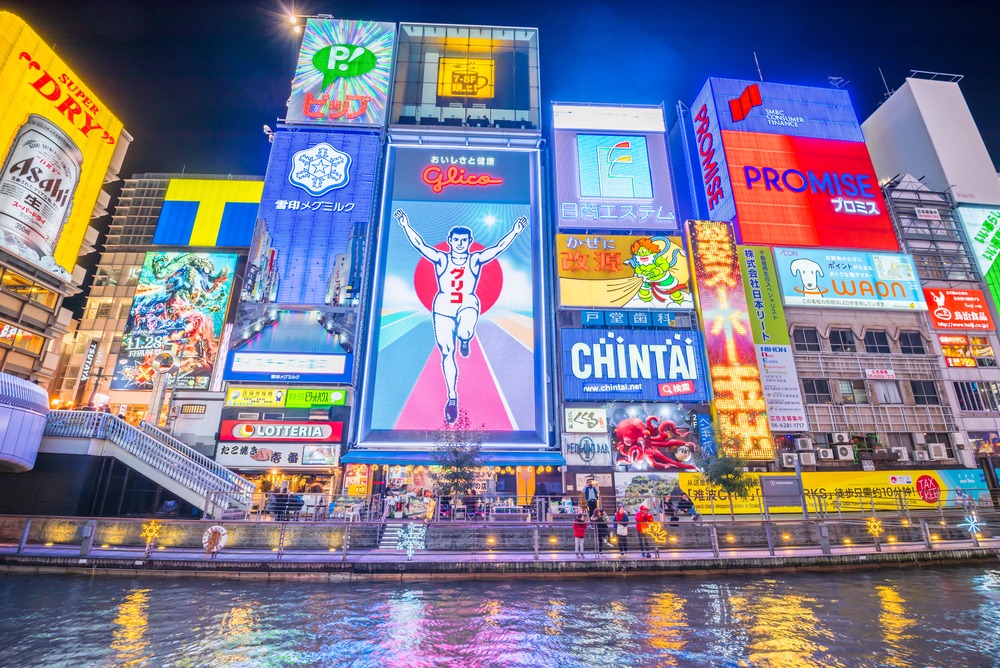
Dotonbori, Osaka's most vibrant entertainment district, is renowned for its bars, restaurants and shops lining a picturesque canal. This lively area embodies Osaka's spirit: delicious food, drinks and good company. Though touristy, Dotonbori offers activities for every taste. Wander, taste local specialties and shop. And of course, don't miss the famous neon Glico Running Man sign for an iconic selfie.
Visit Universal Studios Japan
A must-do for thrill-seekers in Osaka is Universal Studios Japan, a theme park offering immersive attractions based on famous franchises like Harry Potter, Jurassic Park and Minions. In 2021, it welcomed Super Nintendo World, the world's first theme park based on the Mario universe. Live shows and parades are genuine entertainment for the whole family.
Admire Osaka from Umeda Sky Building
In Osaka's northern district stands Umeda Sky Building, a structure featuring two majestic towers linked by a circular observation deck. It is one of the city's most famous viewpoints, attracting 1.5 million visitors in 2017, 75% of them international guests. This 173-meter-tall building, designed by architect Hiroshi Hara, offers spectacular 360-degree panoramic views of Osaka. Inside, the Floating Garden Observatory (Kuchu Teien Observatory) provides a cosy ambiance, ideal for couples, with the chance to relax over refreshments. The Lumi Sky Walk, meanwhile, leads to a luminescent pathway that also offers stunning city views.
Attend a Bunraku Performance
Osaka is the birthplace of Bunraku, a distinctive Japanese theatre renowned for its sophisticated puppets and dramatic storytelling. Each large-scale puppet is operated by three puppeteers. The performance brings classical stories to life, accompanied by music and narration. Osaka is home to the national theatre dedicated to this art form.
Taste Local Specialties
Osaka will also delight Japanese cuisine enthusiasts. Many Japanese specialties such as takoyaki and kushikatsu originated here. Be sure to sample them during your visit. Also try grilled meat slices yakiniku, pufferfish soup fugu-nabe and more.
Practical Information
When to Visit Osaka?
There is no dry season in this part of Japan. The city experiences significant annual rainfall. To make the most of Osaka tourism, plan your trip for April, May, August, September or October.
From Paris
There are flights with or without connections linking Paris airports to those in Osaka and Kansai.
From Tokyo
Ten daily flights connect Osaka to Tokyo's Haneda Airport. The journey takes 1 hour 15 minutes. From the Japanese capital, the Shinkansen train journey to Shin-Osaka Station takes 2 hours 30 minutes.
From Kyoto
Shin-Osaka Station is served from Kyoto Station. The Shinkansen takes just 15 minutes for this journey.
Osaka operates 9 metro lines, both modern and well-maintained. Smoking or eating on these transports is prohibited, subject to fines. The JR Osaka Loop circles the city. It serves, among others, Osaka Castle, Tennoji and Umeda.
As for taxis, you have two options depending on the number of passengers: 4-seater and 5-seater vehicles. Write down the name of the place you wish to visit in Japanese on a piece of paper, as some drivers speak neither English-speaking communication guides nor other languages.
Attractions in The City of Osaka
Le quartier de Namba
Cœur animé du sud d'Osaka, Namba (Minami) concentre Dotonbori, marché Kuromon, galeries couvertes, électronique et théâtres traditionnels.
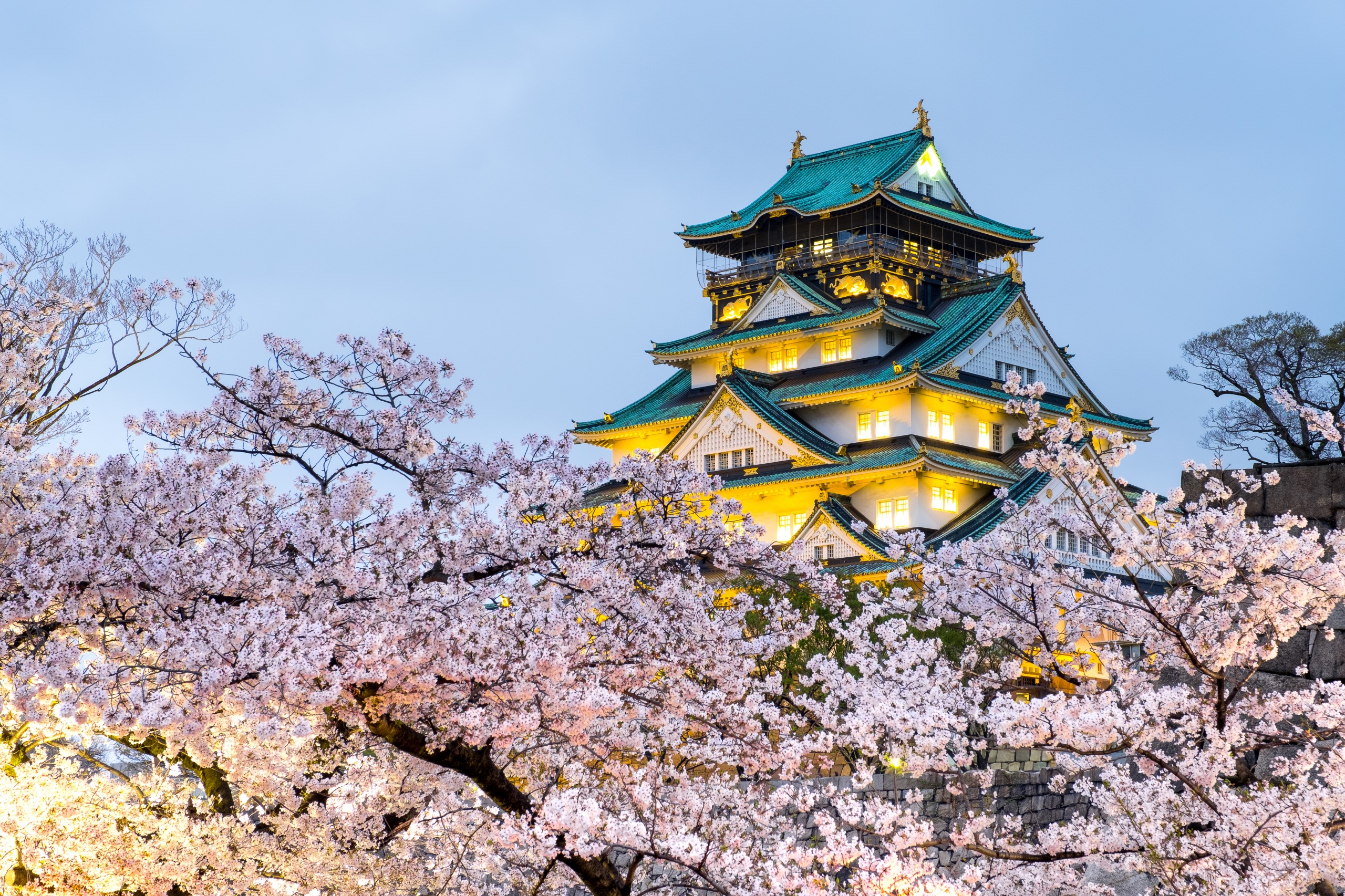
Le Château d'Or d'Osaka
Forteresse de Toyotomi Hideyoshi reconstruite au XXe siècle, le château d'Osaka conjugue donjon-musée, observatoire panoramique et parc urbain de 2 km².
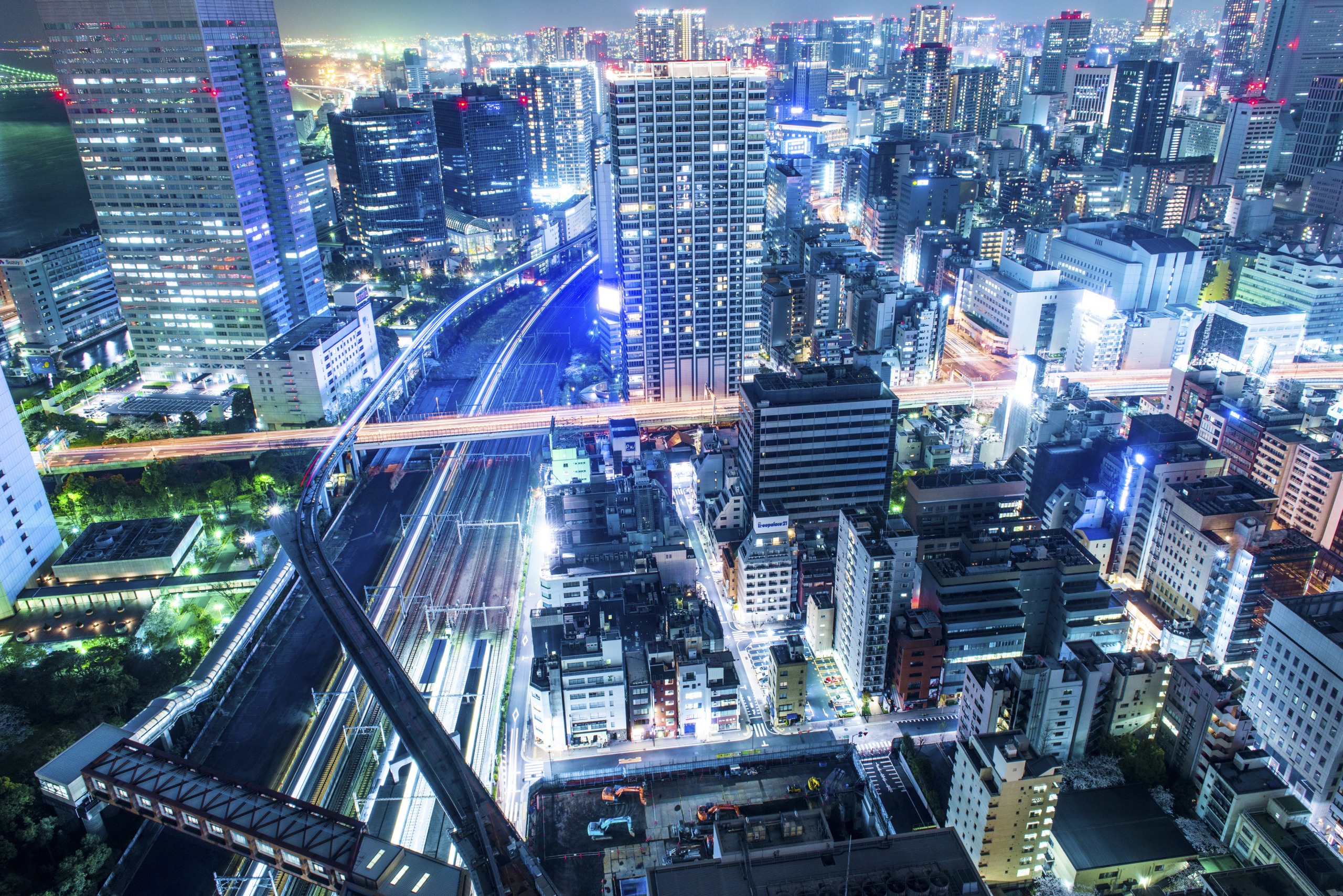
Le quartier d'Umeda
Umeda, pôle nord d'Osaka : observatoire panoramique, grande roue rouge, galeries souterraines, sanctuaire Tsuyuten et plaque tournante du rail dans le Kansai.
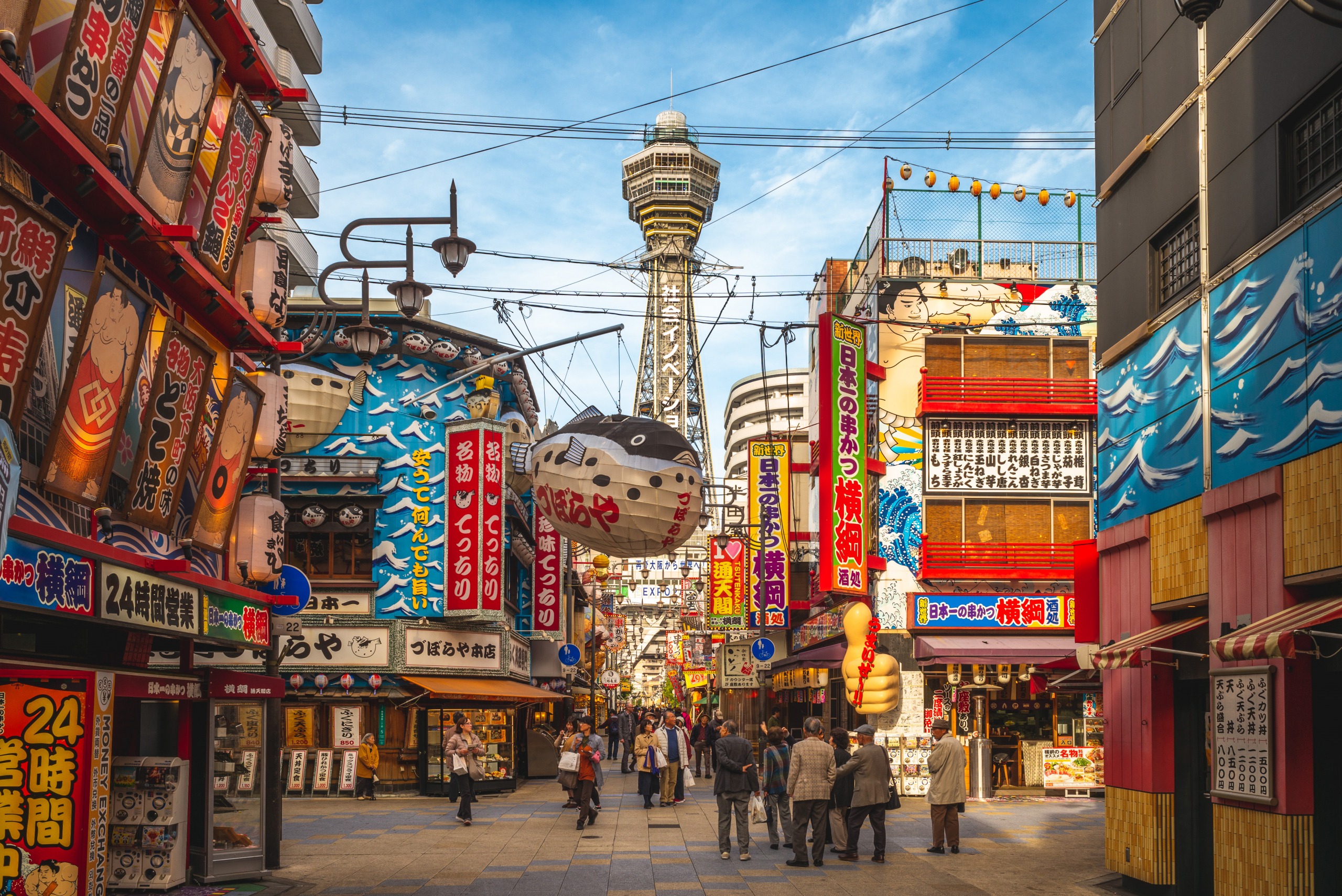
Le quartier de Shinsekai
Au sud d'Osaka, Shinsekai concentre la tour Tsutenkaku, les brochettes kushikatsu et une ambiance populaire des années 1950-60.
Want to discover this destination?
Our local advisors design your tailor-made trip.