Kanto and Tokyo
Tokyo and its mosaic of urban villages, Nikko beneath centuries-old cedars, Hakone facing Mount Fuji and zen Kamakura: the Kanto unfolds in concentric circles from the capital.
The Kanto spreads across Japan's most extensive plain, wedged between the Pacific Ocean to the east and the mountainous foothills heralding the Japanese Alps to the west. Tokyo occupies its center, traversed by the Sumida River and bordered by the bay that has secured its commercial fortune since the Edo period. The region concentrates 43 million inhabitants across seven prefectures, making it the world's most densely populated urban basin, yet our work consists precisely in showing you that the Kanto is far more than one continuous megalopolis.
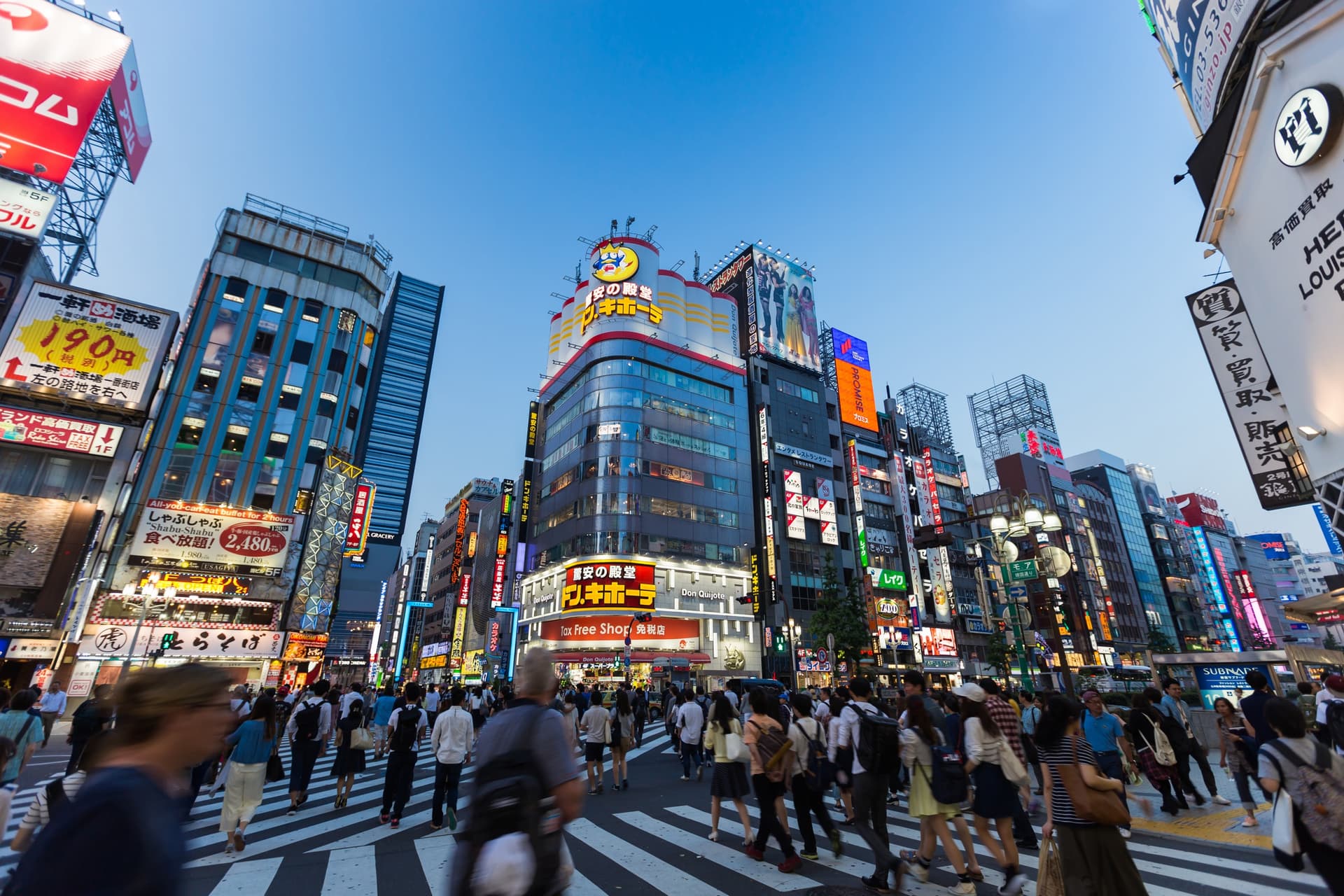
Tokyo reads like a mosaic of villages absorbed by twentieth-century growth. Yanaka, in Taito ward, escaped the 1945 bombing raids and preserves its wooden houses, artisan workshops, and cemetery where the last Tokugawa shogun rests. Shimokitazawa, ten minutes by Odakyu from Shinjuku, thrives on vintage clothing shops, small theaters, and cafés run by former musicians. Kagurazaka retains the imprint of its geisha quarter past with its cobblestone alleys and French restaurants housed in former tea rooms. We typically structure the opening days of a stay around three or four of these neighborhoods, interspersed with major sites like the Meiji Shrine or Tsukiji's outer market.
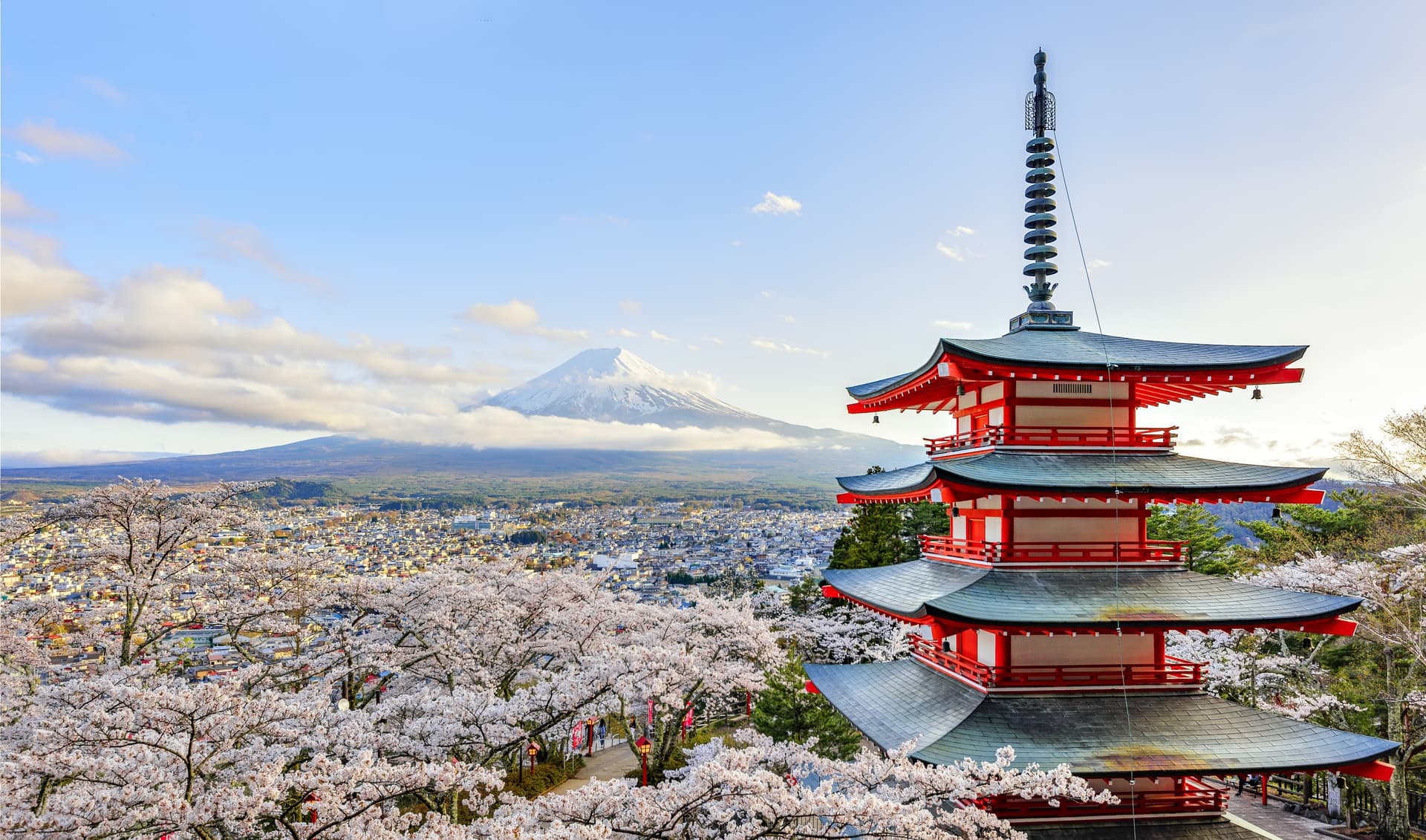
Beyond the capital, the Kanto unfolds in concentric arcs accessible by train. To the north, Nikko lies two hours from Tobu Asakusa: the Tosho-gu mausoleum, tomb of Ieyasu Tokugawa, sits enshrined in a forest of cedars planted in the seventeenth century, some exceeding 40 meters. Higher still, Lake Chuzenji and Kegon Falls (97 meters) mark the entrance to the national park. To the west, Hakone remains our simplest base for approaching Mount Fuji: the Owakudani cable car glides above sulfurous fumaroles of the caldera, and Gora's ryokans serve kaiseki accompanied by black eggs cooked in hot springs. To the south, Kamakura strings its zen temples across hills that slope toward the Pacific, and the Great Amitabha Buddha, cast in 1252, stands 11 meters tall and survived the 1498 tsunami that swept away the building sheltering it.
The Kanto plain's climate is temperate and humid, with four distinct seasons. Winter remains dry and sunny over Tokyo, which often surprises visitors: temperatures drop to around 5°C in January, snow is rare in the city but common in Nikko or the Chichibu mountains. Summer, conversely, becomes taxing: 33 to 35°C by day in August, humidity above 75%, frequent afternoon storms. The rainy season, tsuyu, lasts from mid-June to mid-July and brings regular precipitation but rarely torrential downpours. Typhoons ascend from Okinawa between August and October, with genuine risk of rail disruptions for 24 to 48 hours.
Kanto cuisine has established part of Japan's contemporary codes. Edomae sushi was born here in the early nineteenth century, when Tokyo Bay fishermen preserved fish in vinegar or soy before ice became widespread. Dark-sauced soba noodles, tempura born as street food in Asakusa, monjayaki cooked on griddles in Tsukishima's alleys are part of the local repertoire. We also guide you to lesser-known addresses: an eel counter in Asakusa open since 1801, an izakaya in Nezu where the master sears his yakitori over bincho charcoal, or the early-morning stalls of Toyosu Market where tuna auctions still unfold.
Economically, the Kanto generates nearly 40% of national GDP. This density of activity explains the railway network's efficiency: the JR Yamanote, the circular line serving Shinjuku, Shibuya, Tokyo, and Ueno, runs a train every 2 to 4 minutes. We always invest a few hours explaining this mesh upon arrival—it's the investment that makes the rest of the journey seamless.
Highlights
Toyosu Market at dawn. Tuna auctions begin around 5:30 am in the halls inaugurated in 2018. Breakfast of sushi in building 6 restaurants, open from 6 am, with chu-toro slices cut thirty minutes prior.
Tosho-gu in Nikko beneath the cedars. The mausoleum of the Tokugawa shogunate's founder concentrates 5,000 polychrome sculptures across its UNESCO World Heritage buildings. The surrounding cedar forest still contains 13,000 trees planted in the seventeenth century along Nikko's avenue.
Hakone and views of Mount Fuji. Lake Ashi boat crossing and night in a Gora ryokan, with kaiseki dinner and open-air bathing. Mount Fuji is visible roughly one day in two during winter, considerably less in summer when haze masks the summit.
Yanaka neighborhood on foot. Three hours of walking between the cemetery, shops along Yanaka Ginza street, sculptor Asakura's studio, and Buddhist temples that survived the bombing. The neighborhood preserves the urban layout of pre-1945.
Express train to Kamakura. One hour from Tokyo to reach the thirteenth-century former shogunal capital. Engaku-ji Temple for Rinzai zen, Hokoku-ji and its bamboo grove, Daibutsu hiking trail reaching the Great Buddha in two hours.
When to visit
We recommend two windows for discovering the Kanto. The first spans late March through mid-April, for cherry blossom season: Tokyo peaks around March 25 on average, Nikko and Hakone ten days later with altitude. Temperatures fluctuate between 10 and 18°C, rainfall remains moderate. The second stretches from October through early December, when maples turn crimson in Rikugien and Koishikawa Korakuen gardens and along Lake Chuzenji near Nikko. Days are dry and luminous, around 15 to 22°C in October, 8 to 14°C in November.
We avoid peak summer, conversely. From late July through mid-September, Tokyo regularly exceeds 33°C with 75 to 85% humidity, and urban transport becomes taxing despite air conditioning. The rainy season from mid-June to mid-July isn't prohibitive (it rains roughly one day in two, rarely all day), yet it limits views of Mount Fuji from Hakone. Winter, December through February, remains an attractive option for Tokyo and Kamakura's coast: clear skies, 5 to 12°C by day, very light crowds at sites. At altitude in Nikko, prepare instead for winter conditions with possible snow from December through March.
Practical advice
We recommend a minimum of 5 nights in the Kanto for a first visit: 3 in Tokyo (time to manage jet lag and master the JR network), 1 in Hakone in a ryokan, 1 in Nikko if the season permits. Plan 7 nights to add Kamakura and a day more contemplative time in the capital's gardens. Narita Airport remains the primary entry point for European flights, 60 minutes from downtown by Narita Express or Skyliner; Haneda, closer, primarily serves Asian flights and a few Air France and ANA services from Paris.
The Kanto logically connects with the Kansai (Kyoto, Nara, Osaka) via the Tokaido Shinkansen, 2 hours 15 minutes Tokyo to Kyoto. For a 12 to 15-day circuit, we often add the Japanese Alps (Takayama, Kanazawa) between the two. Combining with Kyushu or Hokkaido requires a domestic flight and at least 18 days on the ground. Comfort levels throughout the Kanto are high everywhere: international hotels in Tokyo, traditional ryokans in Hakone and Nikko, family inns in older neighborhoods if you seek something more intimate. The region suits families (easy transport, child-friendly restaurants), contemplative travelers appreciating gardens and temples, and urban explorers interested in architecture, gastronomy, and contemporary culture. For more demanding hikes, better to extend toward the Japanese Alps.