Driving in Japan
Driving in Japan
Heading to Japan? A car will be your best companion for venturing off the beaten path! Experience your road-trip with complete autonomy and peace of mind thanks to this guide.
Heading to Japan? A car will be your best companion for venturing off the beaten path! Experience your road-trip with complete autonomy and peace of mind thanks to this guide.
First, get your driving license translated
The international driving permit is not valid in Japan. You must obtain a translation into Japanese from the Japan Automobile Federation. The request can be made online before departure or on-site. The JAF maintains offices in most major Japanese cities. Thanks to their excellent organization, the service doesn't take much time. If you're in Tokyo, assuming you submit your application at 9 AM, your Japanese license will be ready by early afternoon. In the meantime, you can visit a few attractions: the Tsukiji fish market, Tokyo Tower, Akihabara, Shinjuku…
Here are the documents to provide for a license translation:
- Original driving license
- A letter requesting translation
- Your passport
- Administrative fees
Where to rent a car in Japan?
Car rental services are available throughout the archipelago, at strategic locations on the island of Honshu as well as in Hokkaido, Okinawa, Kyushu, and Shikoku. Want to explore the sacred mountains of Nikko or discover the Japanese capital without relying on public transport? Dreaming of a road-trip along the Tokaido route, in the heart of rural Japan? Agencies in Tokyo partner with major automobile brands to provide the vehicle best suited to each adventurer's needs. The car range spans from compact models to sports cars, including sedans and SUVs. Practical and easy to drive, most Japanese cars are equipped with automatic transmissions, featuring only three gears (parking, drive, and neutral), as well as GPS and SIM cards to stay connected at all times.
What are Japanese roads like?
Like many other countries, Japan has different categories of roads. Kokudo refers to national roads, marked with blue signage and accessible for free. Jidoshado and Kosoku Doro are Japanese toll highways, indicated by green road signs. To access them, look for tolls marked "IC" (Interchange). You can pay the toll using the electronic card associated with your car, by credit card, or in cash. The maximum speed on highways is 100 km/h. There are service stations and rest areas approximately every 50 km for your travel shopping needs.
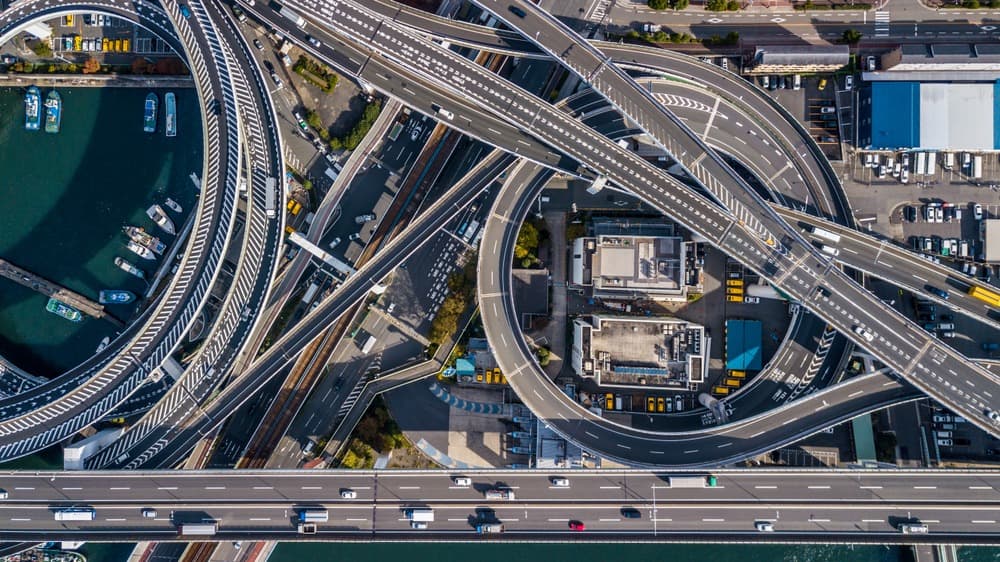
Connecting important destinations, Highway, Driveway, and Skyline are also major national routes with nearly the same regulations as Kosoku Doro. Toll-based or free depending on the region, these roads are marked by circular blue signs with a white car in the center. In large cities, you may need to use Toshi Kosokudoro, urban toll highways that have been elevated due to space constraints. Additionally, each city deploys its own network of small roads, without names or addresses.
Essential driving rules to know in Japan
You drive on the left in Japan with the steering wheel on the right side of the vehicle. This configuration can be unsettling at first, but as you drive more, you'll find it's not so complicated. Regarding signage, road signs follow the same international standards, with English translations (except in small towns). Important note: traffic lights are positioned on the opposite side of an intersection. Make sure to stop directly in front of them, not underneath, when you encounter them. Also, it's common to be stopped in the middle of a turn to let pedestrians pass. As for speed limits, they vary from 30 to 50 km/h in urban areas. You can drive at 60 km/h outside built-up areas and 100 km/h on highways. Stay cautious at all times, especially around taxis.
Parking, expensive in Japan…
It's the biggest nightmare for drivers in Japan, whether they're car owners or renters. Tokyo ranks among the five most expensive cities in the world for parking, so budget carefully. You can park along certain sidewalks for around 100 yen per 15 or 30 minutes. Prices obviously increase in urban centers. Above all, park correctly and not anywhere, risking a fine.
Refueling in Japan
Japanese gas stations offer complimentary service-station amenities for motorists who fill up there. From welcome to farewell, employees are extremely courteous to customers. They'll first ask what you need, then fill your tank and clean your windshield. Payments can be made in cash or by credit card.
What to do if you have car trouble on the road?
Flat tire, dead battery… No one is ever safe from car trouble. The first thing to do when you rent a car is to thoroughly research insurance options. Don't hesitate to spend a few extra yen—prevention is better than cure. If something goes wrong during your Japan road-trip, take a deep breath, pause for a moment, and follow these recommendations:
- Park your vehicle in a safe location, if possible, and signal your breakdown using dedicated functions or equipment.
- Contact your travel agency.
- Wait until the assistance team calls you to confirm the approximate arrival time of the tow truck. In the meantime, call a taxi to pick you up once your car has been towed.
- While the tow operator does their work, you can find something to do nearby: grab a snack at a restaurant, do some shopping, or ideally continue your sightseeing.
- Once your car is repaired, the agency will contact you to settle the fees. At any time, don't forget to ask for an invoice.
Give it a go!
Our local experts arrange this activity for you.