The Art of Sushi
The Art of Sushi
It's hard to imagine a trip to Japan without sushi! Nigiri sushi, maki, futomaki, kakinoha-zushi, funa-sushi, kabura-zushi… You'll certainly taste them in Tokyo or
It's hard to imagine a trip to Japan without sushi! Nigiri sushi, maki, futomaki, kakinoha-zushi, funa-sushi, kabura-zushi… You'll certainly taste them in Tokyo or
in a remote village. Take the opportunity to discover their secrets, because far more than just a cuisine, there's an entire tradition behind the art of sushi.
What exactly is sushi? In essence, it's a dish made with rice and raw, marinated or cooked fish, seafood, vegetables, or even eggs.
Who invented sushi?
The history of sushi dates back to around the 4th century BCE, when the Chinese stored fish between layers of fermented rice to preserve it. The acid prevented spoilage. By the time they ate it several months later, they discarded the rice.
To avoid this waste, the Japanese decided to consume the grain as well in the 7th century. They found a way to speed up fermentation by adding vinegar to the rice in the 17th century, and they were seduced by the taste at the same time. But sushi, as we know it today, only came into existence in the 19th century, in Tokyo (then called Edo).
Historians agree that it was Hanaya Yohei (1799-1858) who invented this dish, particularly nigirizushi. This merchant served them from his yatai, a street food stall. He achieved such success that the greatest artists of the time, such as Hiroshige, immortalized his culinary creations. The assortment of raw fish and rice ball gradually spread through the streets of Edo.
After the great earthquake in Japan in 1923, many Japanese chefs emigrated around the world. They continued to share their country's specialties, including sushi. The West developed a taste for it, and the small morsel spread increasingly after World War II. Recipes then became much more diverse, from sauces to fish varieties, much to the delight of food lovers!
Each sushi has its own story. From one city to another, depending on the establishment, recipes are passed down, but above all, values are transmitted through generations, making the preparation of this food an art form in its own right in Japan.
The Itamae: Japanese Sushi Masters
In Japan, the chef who prepares sushi is called an "itamae". The preparation of sushi, true sushi and not fast-food products, requires patience, discipline, and passion. Traditionally, at the beginning of his apprenticeship, the trainee sushiman first handles tasks removed from cooking, such as dishwashing and deliveries. And he immerses himself in the world of the profession by observing his master in action. This is minarau, or "learning by watching".
Later, after proving his determination, he will be allowed to cook the rice, which will mean that the master sushi chef accepts him into his kitchen. Since each sushi has its secrets, he will only participate in purchasing ingredients at the fish market and preparing dishes at the end of his training journey. At minimum, he will have spent ten years training to claim the honorable title of itamae.
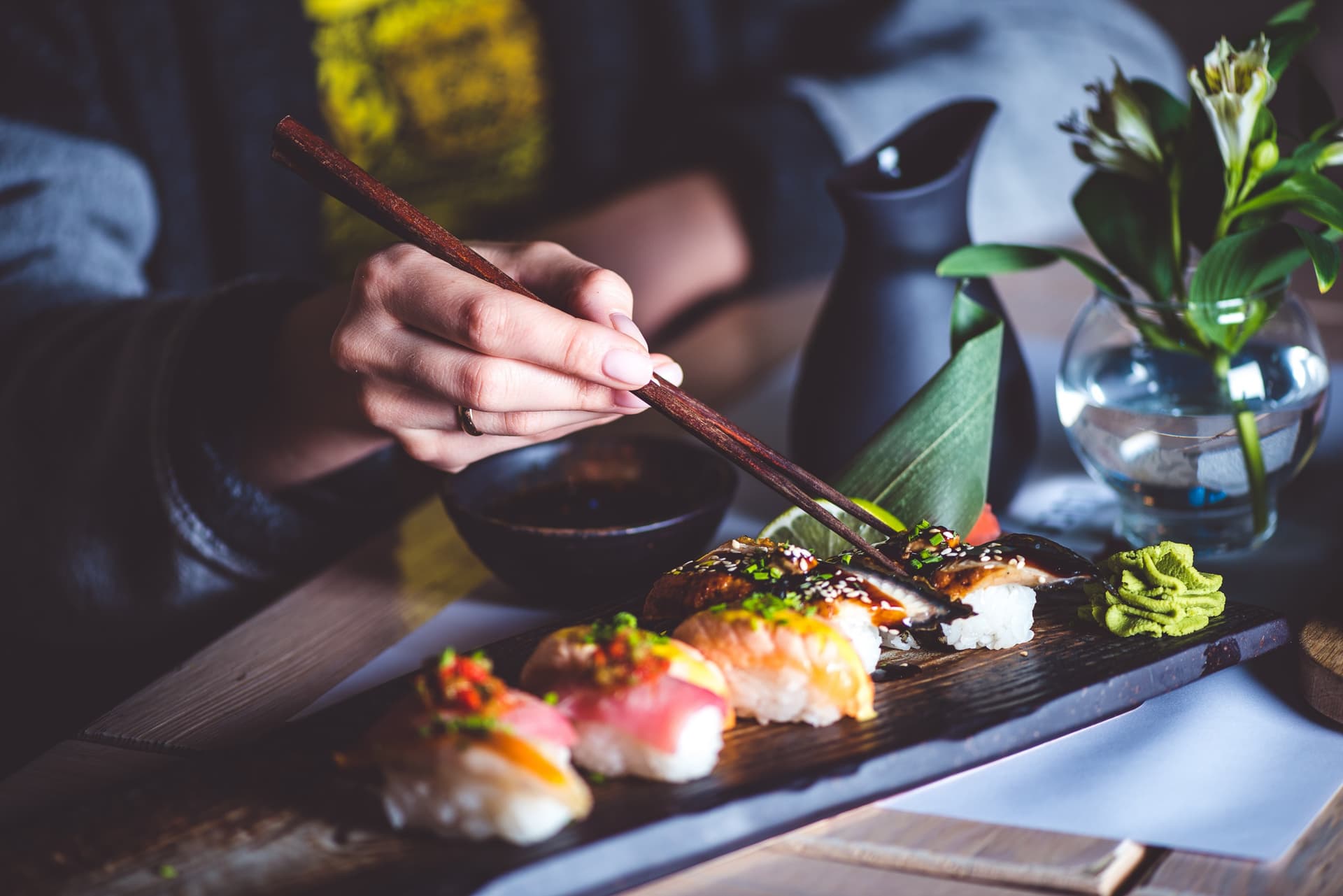
To fully appreciate sushi, a few tips are essential. Eat them with your fingers for an authentic experience, while using chopsticks for sashimi.
Pickled ginger, often present, should be tasted between each type of sushi to cleanse the palate. Avoid dipping the rice in soy sauce, as this can make it too salty. Instead, lightly dip the fish.
Use a small amount of wasabi if you prefer it spicy. For optimal tasting, start with the lightest pieces, such as sea bream, and finish with the fattier ones, like red tuna.
Finally, accompany your meal with a cup of green tea or sake. The subtle aromas of tea enhance the delicate flavors of sushi. These simple gestures will allow you to savor your sushi like a true connoisseur.
In Tokyo
The Tsukiji district in Tokyo is a renowned place for street food and small restaurants specializing in seafood. A few good addresses include Shutoku Honten, which will delight your palate with their delicious sushi made from white fish, and Tsukiji Sushi Ichiban, where you can watch the butchering of a tuna directly. On weekends, the Tokyo Sushi Academy located nearby offers intensive courses to learn the basics of sushi preparation, followed by a tasting.
In Kyoto
Nicknamed the "pantry of Kyoto", the Nishiki Market is the go-to spot for good food in the city of a thousand temples, and has been for over 200 years. While modern restaurants and souvenir shops are gradually taking over, there are still enough traditional boutiques and tables preserving the atmosphere of a "shotengai" (traditional shopping street). At Nishiki Sushi Shin, you'll have the privilege of discovering the edomae style of hand-rolled sushi.
In All Other Localities in Japan
Near Osaka's central fish market, the small restaurant Endo Sushi has been selling sushi since 1907. Their specialty, "tsukami-zushi", is distinguished by the preparation of sushi rice, which involves gently grasping the rice while still warm before adding the toppings. Other equally exciting varieties await you in different regions of Japan, such as oshi-sushi in Fukuoka, iwakunizushi in Yamaguchi, kakinoha-zushi in Nara, sasa-zushi in Niigata, funa-sushi in Shiga, kabura-zushi in Ishikawa, and
bara-sushi in Okayama.
In traditional restaurants run by an itamae, the chef prepares sushi directly in front of customers seated in the dining area or at the counter. Meals are fairly expensive, ranging from 2,000 to 20,000 yen depending on the itamae's popularity. Be careful—although it may be tempting to engage the itamae in conversation, you should not disturb the master at work. On the other hand, offer him a glass of sake at the end of the meal as a token of appreciation.
If you want to be mindful of your wallet, head to a kaitenzushi ("rotating sushi"). All sorts of sushi are presented to you on a conveyor belt, and you simply choose one as you go, according to your preferences. In this case, you won't necessarily have the opportunity to watch the preparation. A plate costs between 100 and 2,500 yen.
Give it a go!
Our local experts arrange this activity for you.