Kenroku Garden
Kenroku Garden
One of Japan's three great gardens, in Kanazawa: six combined qualities, kotoji lantern, elevated-root pine and yukitsuri in winter.
Kenroku-en (兼六園) is one of Japan's three great landscape gardens, alongside Kairaku-en in Mito and Kôraku-en in Okayama. Located in Kanazawa, just beside the castle ruins, it brings together in one space the six qualities considered essential to a traditional Japanese garden.
Why visit Kenroku-en?
The name kenroku (兼六) literally means "the six [qualities] combined." This concept, inherited from a Chinese treatise on garden design, designates six attributes normally considered incompatible with one another:
- spaciousness (宏大 sôdaï),
- seclusion (幽邃 yûsui),
- artifice (人力 jinryoku),
- antiquity (蒼古 sôko),
- abundance of water (水泉 suisen),
- panoramic views (眺望 chôbô).
Uniting these six qualities in a single location is rare, and this is what gives Kenroku-en its reputation. The landscapes alternate between open perspectives, secluded nooks, ponds fed by a remarkable hydraulic system, and century-old trees.
History of the garden
Kenroku-en was composed gradually between the 17th and 19th centuries by the Maeda lords, who ruled over the Kaga domain from Kanazawa. Each generation left its mark: enlargement of the ponds, planting of rare species, installation of pavilions and lanterns. The garden has been open to the public since 1874.
Continuous maintenance remains one of the most visible facets of this heritage. Walking through the paths, it is not uncommon to encounter teams of gardeners, sometimes elderly women kneeling under the blazing sun patiently removing weeds from a flower bed. This manual work, passed down through generations, is inseparable from the aura of the place.
What to see in Kenroku-en?
The kotoji lantern
An emblem of the garden, the kotoji lantern (徽軫灯籠 kotoji tôrô) stands on the edge of Kasumigaike pond. Its two unequal feet evoke the bridge of a traditional stringed instrument, the koto. It is one of the most photographed landmarks in Japan.
The elevated-root pine
The né-agari-no-matsu (根上松), literally "pine with elevated roots," perfectly illustrates the quality of artifice (jinryoku). This gigantic pine appears to float above the ground, its roots exposed to the air. The technique consisted of planting the tree on a mound of earth and then, once it reached maturity, removing the mound to reveal the roots.
The ponds and bridges
The two large ponds, Kasumigaike and Hisagoike, structure the walk. They feature the Midoritaki fountain, considered one of Japan's oldest fountains operating by natural pressure, as well as small stone bridges spanning the streams.
Tea houses
Several tea houses punctuate the visit. Stopping at one to savour a matcha accompanied by a traditional pastry while gazing at the landscape through open windows pleasantly extends the stroll.
When to visit Kenroku-en?
The garden can be visited year-round, and each season creates a different atmosphere:
- Spring (April): cherry blossoms bloom around the ponds, particularly spectacular during night illuminations.
- Summer (June-August): irises flower in early June, followed by dense greenery and cicada songs.
- Autumn (November): maples and deciduous trees take on red and golden hues.
- Winter (December-February): this is the emblematic season at Kenroku-en. Pines are protected from the weight of snow by yukitsuri, conical rope frameworks that have become an iconic image of the garden. The period coincides with the yuki-matsuri, the snow festival, which also mobilises numerous volunteers to sculpt and maintain snow statues.
Practical information
- Duration of visit: allow 1h30 to 2h30 to walk around, longer if you stop at a tea house.
- Entry fee: moderate entry price for adults; free admission for children and on certain special opening days.
- Opening hours: open from morning until early evening, with reduced hours in winter. Free night illuminations are organised several times a year.
- Accessibility: main paths are walkable, but the terrain is hilly in places.
How to get there?
Kenroku-en is located in central Kanazawa, about 15 minutes by bus from JR Station. The Kanazawa Loop Bus and Kenrokuen Shuttle serve the garden's entrances directly. On foot from the station, allow about 30 minutes via the main avenues. The Katsurazaka entrance is closest to the castle and the kotoji lantern; the Mayumizaka entrance leads to the southern, quieter sector.
What to see nearby?
A visit easily combines with other sites in the historic centre:
- Kanazawa Castle ruins, accessible via a bridge from the garden's north exit;
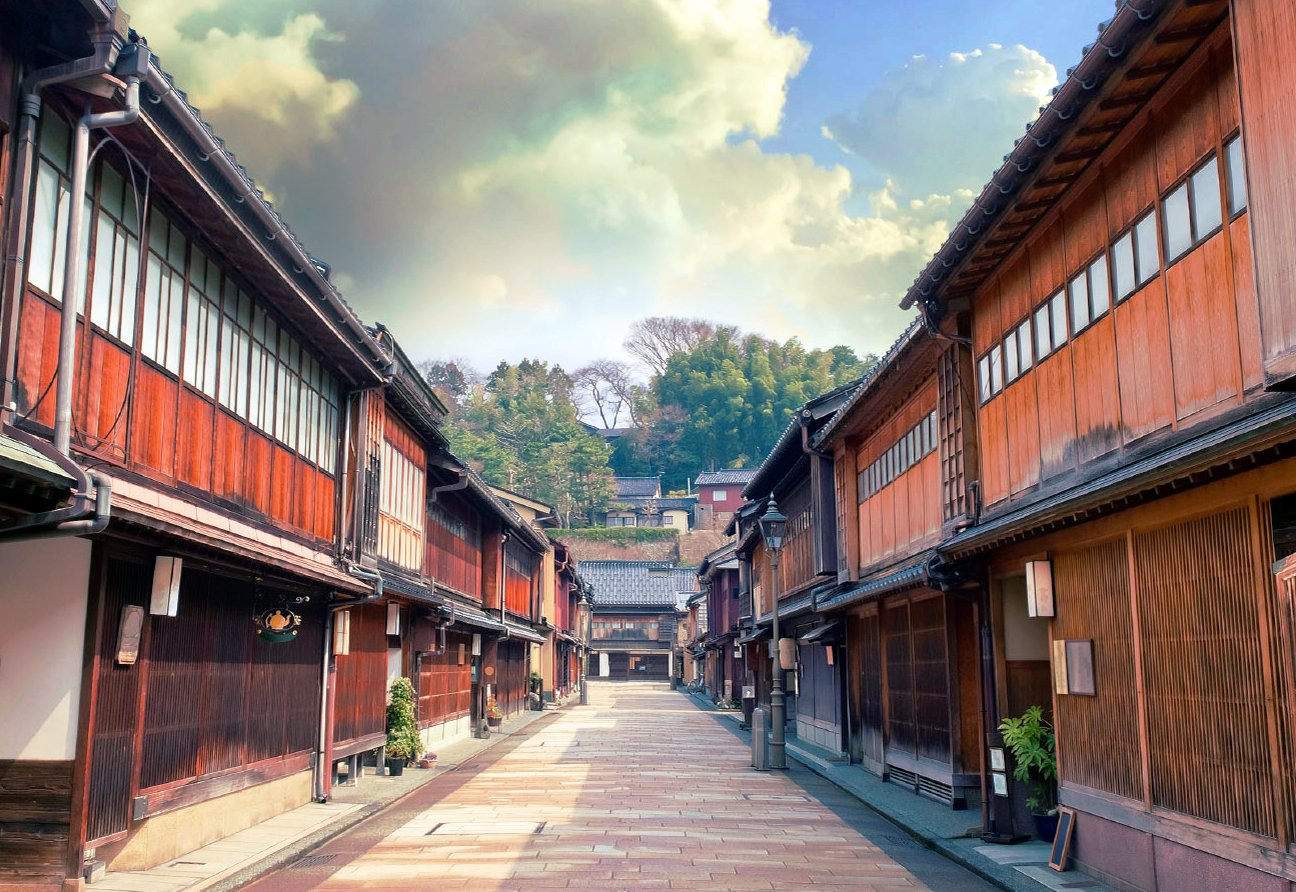
- the Higashi Chaya geisha quarter, with its preserved wooden houses;
- the 21st Century Museum of Art, just a few minutes' walk away;
- Ômichô market to taste the seafood of the Japan Sea.
To prepare your stay, consult our comprehensive guide to Kanazawa. If you plan to explore the country's natural and spiritual sites more widely, you can continue to Mount Kōya or Mount Hiei.
Frequently asked questions
Frequently asked questions
Allow between 1h30 and 2h30 to walk through the main paths and tour the two ponds. Adding a break at a tea house, plan for about 3 hours.
Each season has its appeal. Spring offers cherry blossoms, autumn brings the colours of maples, and winter features yukitsuri under snow, which is the most iconic image of Kenroku-en.
It brings together in a single space the six qualities considered essential to a traditional garden: spaciousness, seclusion, artifice, antiquity, abundance of water and panoramic views. This combination gives it its place alongside Kairaku-en in Mito and Kôraku-en in Okayama.
Yes, several tea houses offer matcha accompanied by a traditional pastry, enjoyed overlooking the landscape.
The garden organises several free night illuminations throughout the year, generally timed to the seasons of cherry blossoms, maples and snow. Check the dates before your visit.
Preparing your trip to Japan
Kenroku-en naturally fits into an itinerary blending the Japan Sea coast, historic sites and major cultural cities. To tailor your route and consult with a local specialist, explore our Japan trips.
Interested in this visit?
We can include it in your personalised itinerary.