Kibune
Kibune
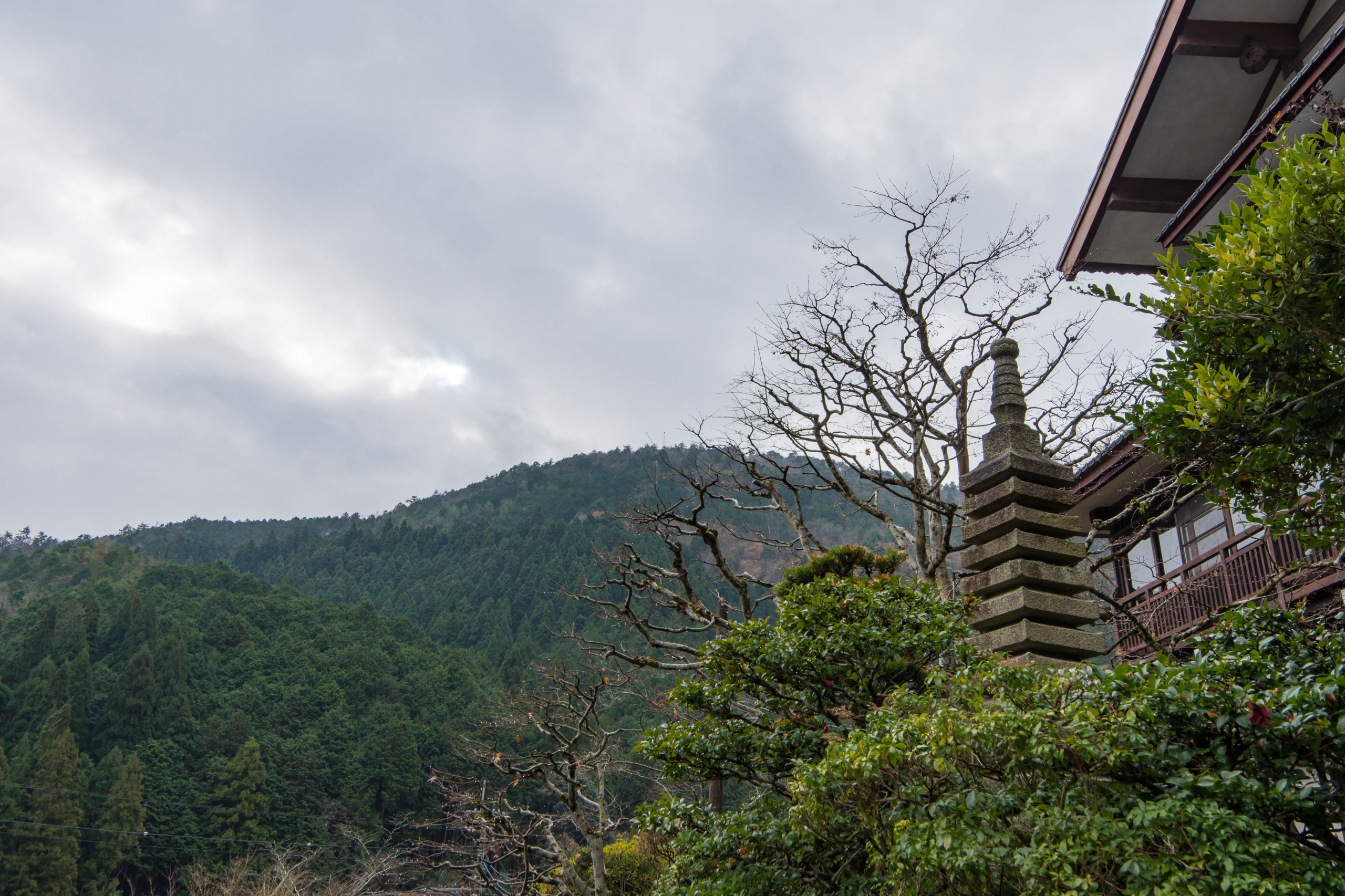
Just 30 minutes north of Kyoto, Kibune lines its traditional inns along a mountain river, centered around the Kifune-jinja shrine and its kawadoko platforms.
Kibune is a small mountain village located roughly thirty minutes north of Kyoto. Nicknamed "the precious boat," it centers on a single street running alongside the Kibune-Gawa river, lined with traditional inns (ryokan) and restaurants with suspended wooden platforms hanging above the water.
Why visit Kibune
Kibune appeals for three main reasons. First, the Kifune-jinja shrine, dedicated to the Shinto deity of water, is among the oldest of its kind in the Kyoto region. Second, in summer, restaurants set up wooden platforms (kawadoko) directly above the river—a culinary tradition unique to the valley. Finally, in autumn, maple trees blanketing the hillsides create a favored setting for hiking. The village remains intimate in scale and can be explored in just a few hours, making it an ideal complement to a Kyoto visit.
History of Kibune
The Kifune-jinja shrine is documented from the Heian period (from the 8th century onward) as a place of prayer dedicated to Takaokami-no-Kami, the Shinto deity of rain and water. Emperors sent emissaries here to invoke rain during droughts, or conversely to stop it during floods.
According to legend preserved in the shrine's chronicles, a goddess supposedly traveled upstream from Osaka aboard a yellow boat and stopped at the site of the current Kifune-jinja okumiya, the original shrine located further up the valley. The village's name is said to derive from this episode. Over the centuries, the main building was relocated downstream due to flooding risks, resulting in the current configuration of three distinct sites.
What to see in Kibune
Kifune-jinja shrine
The shrine comprises three distinct areas spread along the valley:
- Honden (main sanctuary): accessed via a flight of 84 steps flanked by red lanterns, the shrine's emblematic feature and among the most photographed sights in the Kyoto region.
- Yui-no-yashiro (central sanctuary): associated with romantic and matrimonial bonds.
- Okumiya: the original shrine, more modest, located at the northern end of the village.
A distinctive feature of the Honden is the omikuji (oracle) that reveals itself only when the paper is immersed in the sacred spring water.
Kawadoko, platforms above the river
From May through September, restaurants along the main street extend wooden platforms (kawadoko) at water level over the Kibune-Gawa. Diners enjoy kaiseki menus or chilled noodles in the river's cool breeze, which maintains a noticeably lower temperature than Kyoto during summer heat.
Walking through the valley
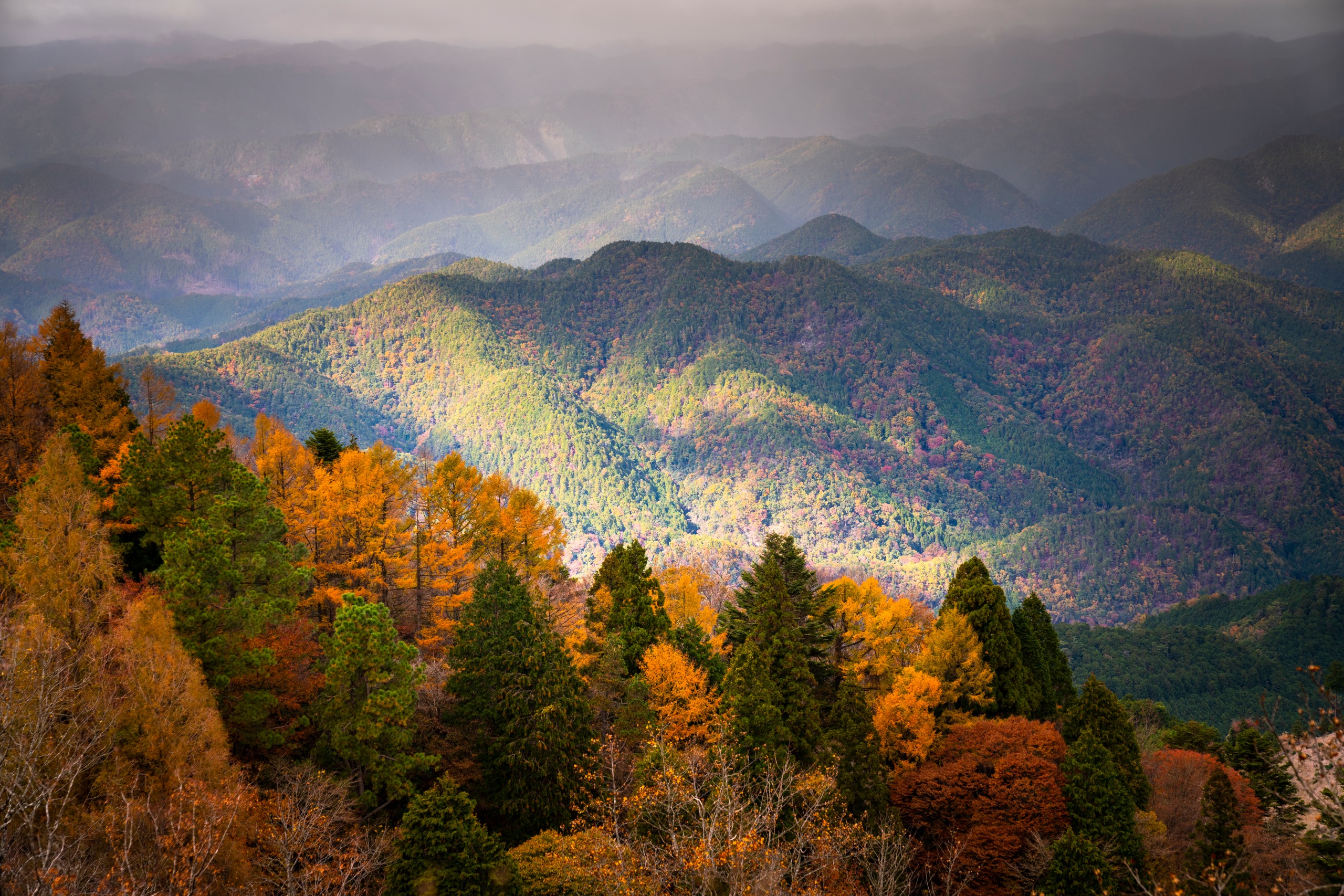
The main street, roughly one kilometer long, is best explored on foot. In autumn, maple trees (momiji) transform the entire valley in brilliant color, typically from mid-November through early December.
When to visit Kibune
- Summer (June to August): peak season for kawadoko. This is also the most humid and busiest season; advance restaurant reservations are recommended.
- Autumn (mid-November to early December): maple foliage, evening illuminations at the shrine on select nights. Weekends draw substantial crowds.
- Winter: the valley quiets down; snow on the shrine's red lanterns is highly sought by photographers, though access may be slowed.
- Spring: less iconic than autumn but considerably calmer.
Practical information
- Kifune-jinja shrine: free admission to the main grounds, open daily during daylight hours. The okumiya is accessible separately, about a 10-minute walk further up the valley.
- Kawadoko restaurants: premium pricing (kaiseki menus), reservations advised during peak season. More affordable noodle options are available at select establishments.
- Duration of visit: allow half a day for the village and shrine, a full day if you continue toward Kurama.
- What to wear: bring a jacket even in summer; the valley stays cool.
Getting to Kibune
From central Kyoto, access is via the Eizan line (Eizan Dentetsu) departing from Demachiyanagi Station, itself connected to the center via the Keihan line. Alight at Kibune-guchi station, then take local bus no. 33 (approximately 5 minutes) or walk about 30 minutes along the river to the village entrance. Total journey time from central Kyoto is approximately 45 minutes to 1 hour.
The Eizan line offers trains with large panoramic windows, especially prized in autumn when the line passes through a tunnel of maple trees.
Combining with Kibune
The region's most celebrated hike connects Kibune to the neighboring village of Kurama, passing through Kurama-dera temple. The trail crosses the mountain over roughly 2 to 3 hours of hiking with moderate elevation gain. Many visitors traverse it in the Kurama → Kibune direction (descending toward the kawadoko at trail's end), though the reverse route is equally viable.
To further explore the region, consult our guide to Kyoto, or consider other destinations such as Hida Takayama and Kamikochi for mountain scenery, or Himeji Castle for heritage sites.
Frequently asked questions
Half a day is sufficient for the village and Kifune-jinja shrine. Allow a full day if you add the hike to Kurama or a meal on the kawadoko platforms.
Momiji season typically runs from mid-November through early December, with peak timing varying by year.
It's risky in summer, especially on weekends. Advance reservation is strongly recommended, particularly for kaiseki menus.
No. Kibune is reached from Kyoto in approximately 1 hour via the Eizan line to Kibune-guchi, followed by bus or a walk.
No, it is moderate in difficulty: 2 to 3 hours on a maintained trail with accessible elevation gain for casual hikers in reasonable fitness.
To integrate Kibune into a personalized itinerary in Japon, explore our Japon trips.
Nearby
Interested in this visit?
We can include it in your personalised itinerary.