Kiso Valley
Kiso Valley
Between Nagano and Gifu, Kiso Valley preserves the post towns of the Nakasendo route (Magome, Tsumago, Narai) and one of Japan's most beautiful historic hikes.
Kiso Valley stretches along the Japanese Alps between Nagano and Gifu prefectures, along the Kiso River. Traversed by the historic Nakasendo route, it preserves a series of Edo-period post towns, among which Magome, Tsumago, and Narai rank among Japan's most visited. Together with the regions of Minokamo (Gifu) and Inuyama (Aichi), the valley forms what is known as the "Rhine of Japan."
Why visit Kiso Valley
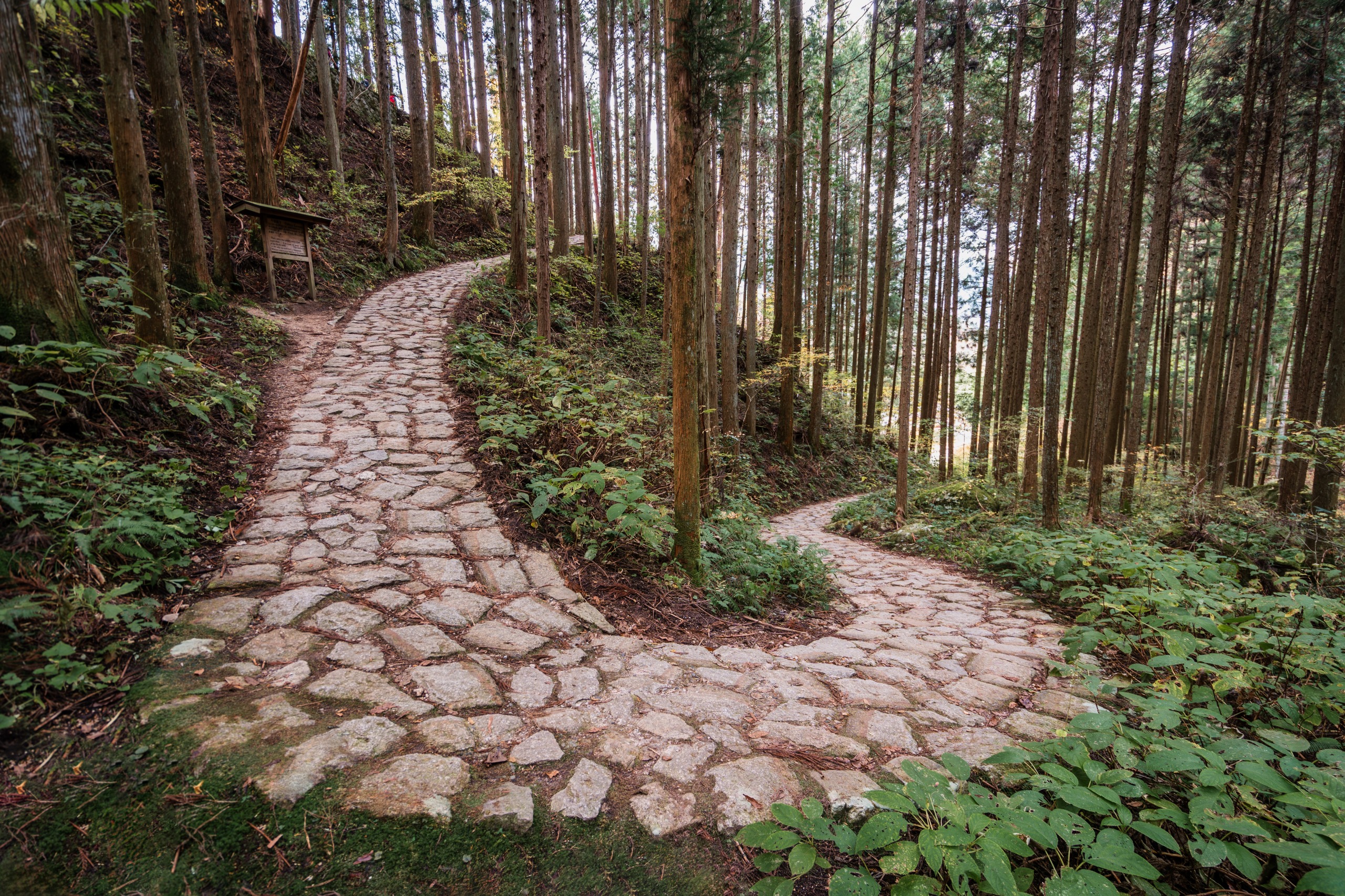
- Walk an authentic section of the Nakasendo route, the commercial and pilgrimage highway of the Edo period
- Explore preserved post towns (juku), where cars are prohibited during the day and power lines are buried underground
- Stay in a traditional ryokan and taste local specialties (goheimochi, soba)
- Hike between Magome and Tsumago, one of Japan's most accessible historic trails
- Escape the classic Tokyo–Kyoto circuit for a rural, forested stopover
History: the Nakasendo route and its post towns
Under the Tokugawa shogunate, five main roads (Gokaidō) were built to connect Edo (Tokyo) to the major provinces. The Nakasendo, which linked Edo to Kyoto through the interior, measured approximately 533 km. It passed through Kiso Valley on a section of about 70 km known as Kisoji.
Buddhist pilgrims, merchants, samurai, and daimyo processions traveled and stopped at post towns called juku. The valley contained about ten of them, spaced several kilometers apart. Each offered inns, stables, and administrative posts. The honjin (official inns reserved for dignitaries) and wakihonjin (secondary inns), built during the Edo period and restored since, have often been converted into museums.
What to see in Kiso Valley
The valley extends approximately 52 km east to west and 63 km north to south. Among about ten historic juku, four stand out for their preservation and visitor interest.
Magome-juku
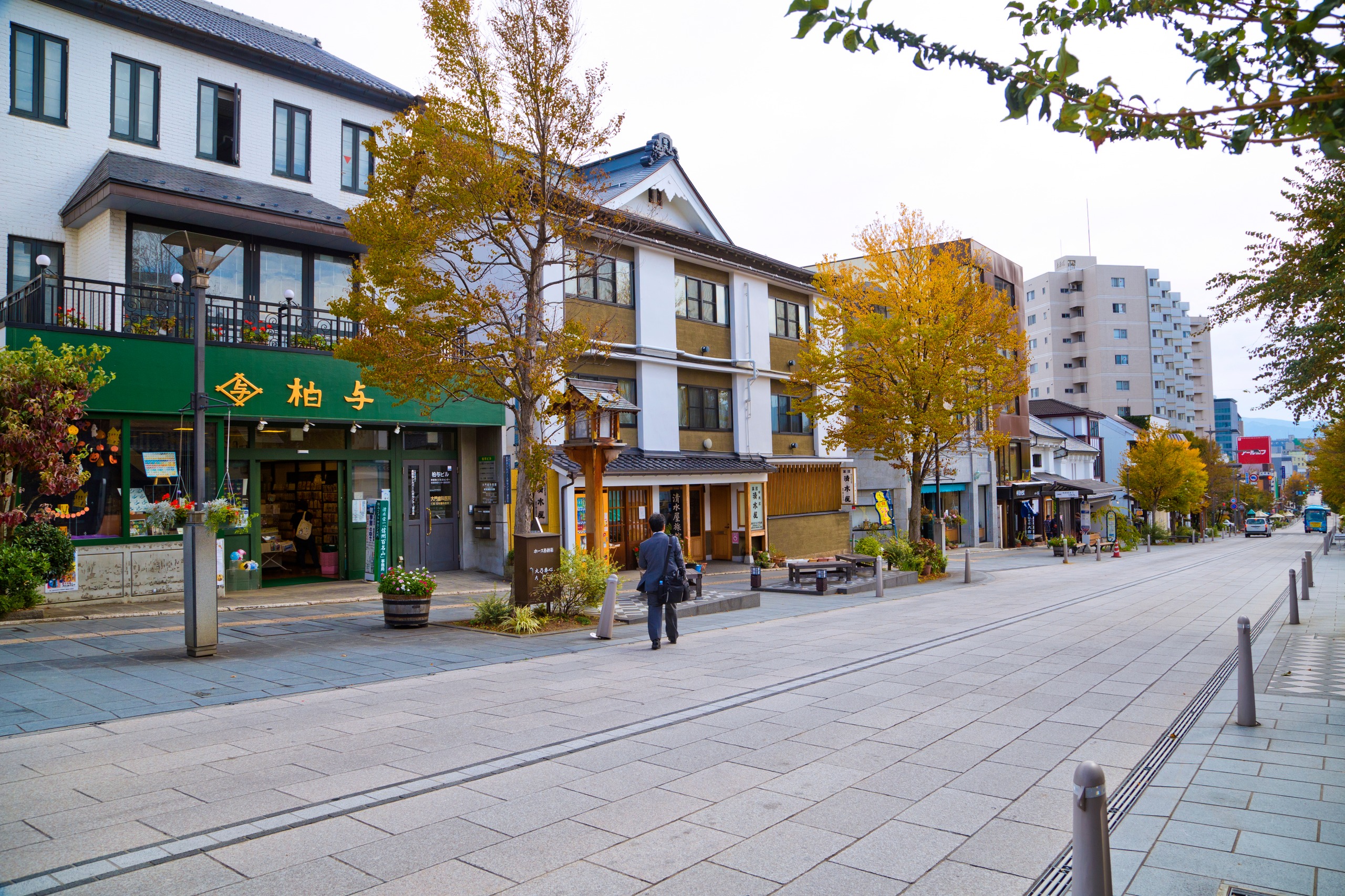
Magome sits on the heights on the Gifu side. Its main street, paved and sloping, is lined with wooden houses converted into inns, craft shops, and soba noodle stalls. The honjin and wakihonjin, fully restored, house a museum dedicated to life on the Nakasendo and local culture. A viewpoint at the top of the village offers views of Mount Ena on clear days.
Tsumago-juku
About 8 km from Magome, Tsumago was the subject of one of Japan's first heritage preservation programs in the 1970s. Cars are prohibited during the day, power cables are buried, and wooden façades are dark: the main street gives a clear picture of what a post town looked like under Edo rule. The wakihonjin Okuya, rebuilt in the 19th century after a fire, is open to visitors and displays historical documents, some translated into English.
Narai-juku
Located on the Nagano side, about twenty kilometers north of Shiojiri, Narai stood halfway between Edo and Kyoto. It was the most prosperous of the Kiso juku, nicknamed "Narai of a thousand houses." The main street, about one kilometer long, is among the longest preserved post town streets in the country. The town is known for its lacquerware craftsmanship (Kiso-shikki) and wooden combs.
Nakatsugawa
Nakatsugawa, in Gifu Prefecture, often serves as the entry point to Magome. The town preserves several period buildings, several local museums, and is a convenient railway hub for accessing the valley.
Living culture and gastronomy
The region maintains a musical and festive identity around Kiso-bushi, a folk song, and Kiso-odori, its associated dance, celebrated during summer matsuri festivals. Culinarily, goheimochi (grilled rice cake glazed with miso-walnut sauce) and soba made from local buckwheat are the specialties to taste in the villages.
When to visit
The valley can be visited year-round, but each season offers a different experience:
- Spring (April-May): mild temperatures, cherry blossoms, ideal hiking conditions.
- Summer (June-August): lush vegetation, local festivals; June rains (tsuyu) may hinder hikes.
- Autumn (October-November): arguably the best period, with maple colors on the trails between Magome and Tsumago.
- Winter (December-February): frequent snow, muted atmosphere, but trails sometimes closed or icy.
Practical information
- Duration of visit: one day for Magome–Tsumago, two to three days to explore Narai and enjoy a night in a ryokan.
- Magome–Tsumago hike: approximately 8 km, allow 2.5 to 3.5 hours depending on pace. Well-marked trail, moderate elevation change, mainly downhill from Magome.
- Luggage: a luggage transfer service operates during peak season between the two villages.
- Accommodation: traditional ryokans and minshuku in Tsumago, Magome, and Narai; a few hot springs in the valley. Reservation recommended, especially in autumn.
- Fees: modest entry fees for honjin/wakihonjin museums; the hike itself is free.
How to get there
From Tokyo, the simplest route is to take the JR Azusa express from Shinjuku Station to Shiojiri, then the local JR Chūō line to reach Narai, Kiso-Fukushima, or Nakatsugawa. From Nagoya, the JR Chūō line serves Nakatsugawa directly, the nearest station to Magome (then local bus). The Japan Rail Pass covers the entire itinerary.
On the ground, public transport is limited. A few buses connect Magome, Tsumago, and the stations of Nakatsugawa and Nagiso; beyond that, walking remains the most reliable option.
Nearby attractions
To extend a stay around the Japanese mountains, several sites complement Kiso Valley well:
- Mount Tsukuba, a sacred mountain accessible from the Kantō region
- Mount Kōya, a major center of Shingon Buddhism
- Mount Hiei, near Kyoto, and its Enryaku-ji monastery
- The Kinosaki museums, for a hot spring stopover
Frequently asked questions
Frequently asked questions
The route between Magome and Tsumago, covering approximately 8 km of the old Nakasendo route, is the most accessible and best-marked. Allow 2.5 to 3.5 hours of hiking, mostly downhill from Magome.
One day is enough to explore Magome and Tsumago. To include Narai and a night in a ryokan, plan for two to three days.
Take the JR Azusa from Shinjuku to Shiojiri, then the local JR Chūō line. From Nagoya, the JR Chūō line serves Nakatsugawa directly, the access point to Magome.
Yes. Tsumago, Magome, and Narai have family-run ryokans and minshuku, as well as a few hot springs. Book in advance during autumn and spring.
The two local specialties are goheimochi, a grilled rice cake with miso-walnut sauce, and soba made from local buckwheat. Many stalls offer these on the main streets of the juku.
Plan your trip
Kiso Valley fits easily into an itinerary between Tokyo, Nagoya, and Kyoto. To build a custom journey including the Nakasendo, explore our Japan travel ideas.
Interested in this visit?
We can include it in your personalised itinerary.