Lake Shikotsu
Lake Shikotsu
A volcanic caldera in Hokkaido an hour from Sapporo, Lake Shikotsu combines boat cruises, hiking on active volcanoes, hot springs and seasonal festivals.
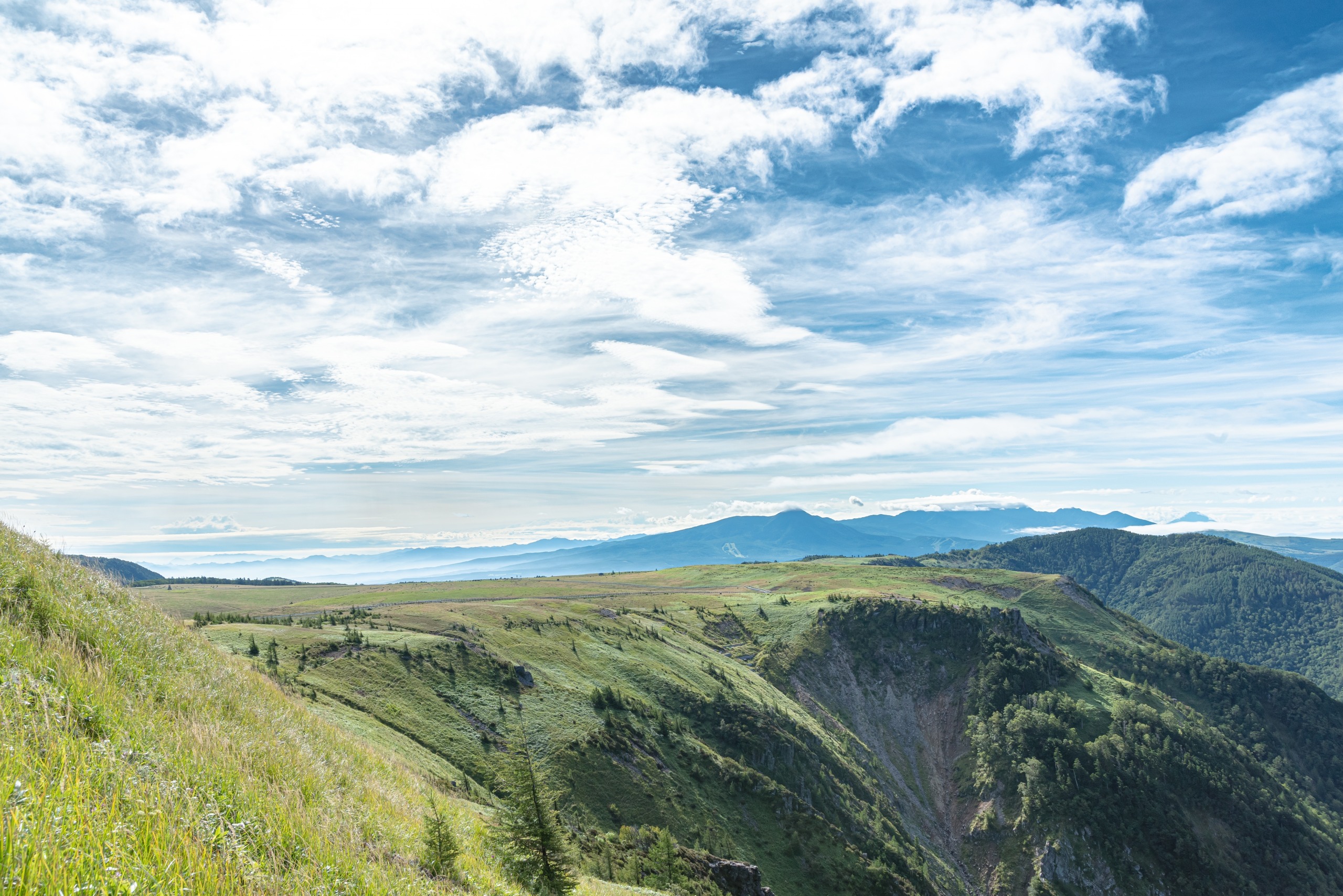
Just over an hour from Sapporo, in Chitose, Lake Shikotsu occupies a central place in the Shikotsu-Toya National Park, on the island of Hokkaido. A volcanic caldera, it combines swimming, boat cruises, hiking on active volcanoes and hot springs bathing in a forest setting dominated by three peaks.
Why visit Lake Shikotsu
- One of Japan's largest caldera lakes, with water renowned for its clarity.
- Three volcanoes in immediate proximity: Mounts Eniwa, Fuppushi and Tarumae.
- Water activities from April to November and notable festivals in winter and autumn.
- Direct access from Sapporo and New Chitose Airport.
- Hokkaido culinary specialties: Yubari melon, imo-mochi cheese, Kokanee salmon soup.
History and origins of the lake
Lake Shikotsu was formed following a Quaternary volcanic eruption approximately 40,000 years ago. Its name comes from the Ainu word shikot, which translates as "great depression," referring to the caldera carved out by ground collapse after the eruption. Today, the lake ranks among Japan's second-largest caldera lakes and is among the country's deepest. Located in the northern part of the archipelago, it is also one of the most northerly large bodies of water in Japan, which explains why it does not freeze despite Hokkaido's harsh winters.
What to see and do
Shikotsu Kohan, the starting point
The town of Shikotsu Kohan, on the eastern shore of the lake, concentrates most services: visitor center, accommodations, restaurants and boat dock. It is the departure point for pleasure boats. The boat season runs from April to November, with glass-bottomed vessels, kayaks, canoes and pedal boat rentals. Several operators offer snorkeling and diving: underwater visibility reaches up to 25 meters depth. The waters are home to the Hucho Taimen, or Sakhaline Taimen, listed among the world's 100 most endangered species.
Ascending Mount Tarumae
Mount Tarumae is one of Japan's most active volcanoes. The most popular trail departs from the seventh parking area and reaches the crater rim after a steep but relatively short climb. The crater rim circuit takes approximately two hours. Entry into the crater is forbidden due to volcanic gases. The views overlook Lake Shikotsu on one side and the Pacific Ocean on the other.
Koke no Domon
The Koke no Domon site, about ten kilometers south of Shikotsu Kohan, is a narrow ravine whose walls are covered in moss. Botanists have catalogued more than twenty varieties of moss there. Access to the ravine floor is prohibited to preserve the vegetation carpet; observation is from a designated viewing point.
Hot springs along the lake
Several thermal facilities exploit the caldera's hot springs. North of the lake, a ryokan offers hot spring bathing open to day-trippers. Basins on the shores alternate between hot and cool water, complemented by more conventional thermal pools.
When to visit
Water activities run from April to November, with peak attendance in July-August. Autumn (mid-October) offers momiji foliage colors and coincides with the autumn festival and Kokanee salmon soup, with reduced rates on boats and hot springs.
Winter is marked by the Shikotsu Lake Hyoutou Matsuri (January-February): ice sculptures carved from lake water, fireworks, Wadaiko taiko drum performances and hot amazake served warm. Hot springs remain accessible year-round.
Practical information
- Location: west of Chitose, southwestern Hokkaido, Shikotsu-Toya National Park.
- Visit duration: one day for a tour of the lake and one activity; two to three days to combine Tarumae hiking, Koke no Domon and hot springs.
- Boats: April to November, departing from Shikotsu Kohan.
- Hiking: bring hiking shoes, water, windbreaker; weather is changeable at elevation.
- Accommodation: ryokans and inns concentrated in Shikotsu Kohan and north of the lake.
How to get there
New Chitose Airport is located about one hour by bus from Shikotsu Kohan. It is connected to Tokyo, Nagoya, Osaka, Niigata and Fukuoka. From Chitose Station, direct buses serve the lake. Since public transportation within the national park is limited, car rental facilitates exploration of outlying sites (Tarumae, Koke no Domon).
Nearby attractions
To extend an itinerary in Hokkaido and northern Honshu, several sites complement a visit to Lake Shikotsu well:
- Jozankei: hot spring resort southwest of Sapporo, in a forested valley.
- Daisetsuzan: Japan's largest national park, in central Hokkaido, hiking paradise.
- Ginzan Onsen: thermal village with Taisho-era atmosphere, in Yamagata Prefecture.
- Dewa Sanzan: three sacred mountains of shugendo, in Yamagata.
Frequently asked questions
Frequently asked questions
Plan your trip
Lake Shikotsu fits naturally into an itinerary in northern Japan, complementing Sapporo, Daisetsuzan Park or Jozankei hot springs. To build a custom trip incorporating Hokkaido, consult our Japan travel packages.
Interested in this visit?
We can include it in your personalised itinerary.