Asama Hot Springs
Asama Hot Springs
In Matsumoto, the Asama hot springs have flowed for over 1,300 years. A traditional hot spring district at the foot of the Japanese Alps, to discover year-round.
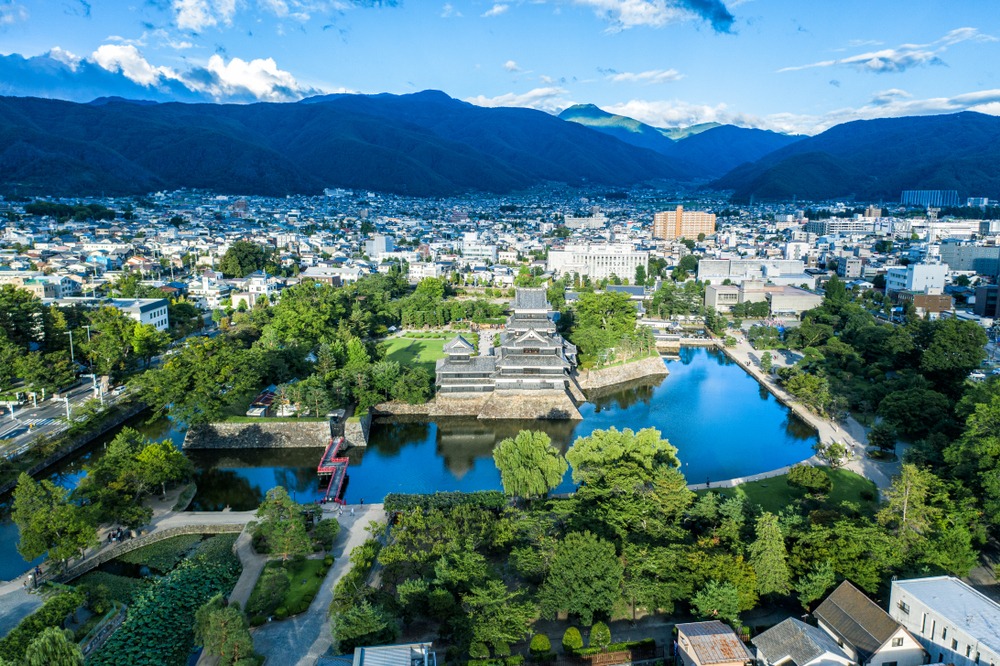
In Matsumoto, a castle town in Nagano Prefecture nestled at the foot of the Japanese Alps, the Asama hot springs have flowed for over 1,300 years. Once reserved for feudal lords and their guests, they are now accessible to everyone in the atmosphere of a traditional hot spring district, about twenty minutes from the city center.
Why visit Asama Hot Springs
Asama onsen offers an authentic thermal experience, away from Japan's major tourist resorts. The district retains the appearance of a historic hot spring town, with its narrow streets, its ryokans and its central public bath, Hot Plaza Asama. The waters, rich in minerals, are renowned for relieving joint pain and muscle soreness — a real asset after a day of hiking in the mountains or sightseeing in Matsumoto.
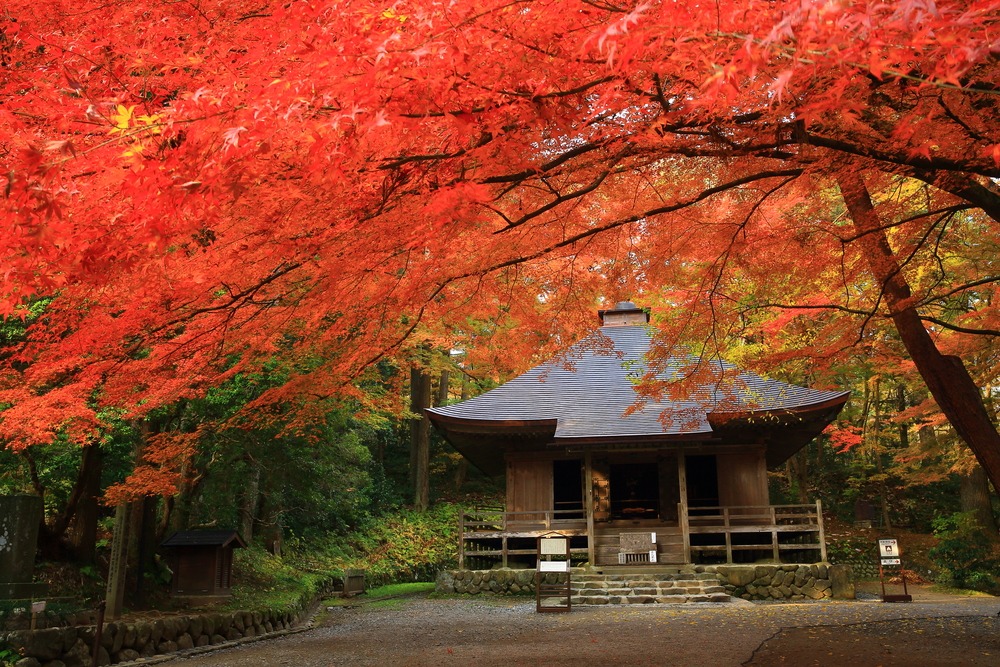
The site's appeal also lies in its natural setting: from the rotenburo (outdoor bath), you can hear the cicadas in summer, the frogs from the surrounding rice paddies at dusk, and contemplate autumn foliage or snow depending on the season. Matsumoto ranks among Japan's best spots for koyo, the autumn colors.
History of Asama onsen
The history of Asama hot springs stretches back over 1,300 years. The first public bath was developed by a feudal lord at the same time as the construction of Matsumoto Castle, during the Edo period (1603-1867). Wealthy samurai later built vacation cottages there, and the district became a retreat visited by nobility, artists and poets.
Near the site, archaeologists unearthed an ancient tomb attributed to a small community of immigrants from the Korean Peninsula who settled in the region around the 5th century. The burial contained notably a crown of copper plated with gold, rare testimony to the exchanges between the Japanese archipelago and the continent in that distant era.
What to see and do on site
Hot Plaza Asama
The centerpiece of the hot spring resort, Hot Plaza Asama is recognizable by its light and dark wooden facade adorned with lanterns. The establishment offers several pools: an indoor onsen, an outdoor rotenburo, a cold water pool and a sauna. The rotenburo is particularly popular: in case of rain, umbrellas are provided so you can enjoy a natural "shower" rain effect without getting soaked as you exit the water.
The routine is standard: get your ticket at the entrance, store your belongings in the locker room, wash thoroughly under the shower before entering the pools. Rates remain moderate compared to high-end hotel onsens, making it a good option after a day of sightseeing or hiking around Kamikochi.
In the immediate vicinity
Asama onsen is a convenient base for exploring Matsumoto. About ten minutes by bus, you'll find:
- Matsumoto Castle, one of Japan's oldest wooden keeps;
- The former Kaichi School, the country's first modern educational institution;
- The Japanese Print Museum, which houses an important private collection of ukiyo-e;
- The Municipal Art Museum, which features a monumental work by Yayoi Kusama, the artist born in Matsumoto;
- The Matsumoto Performing Arts Center, known for its annual festivals.
Further afield, Azumino, Utsukushigahara, Norikura and Kamikochi offer hiking and alpine scenery.
When to visit
Asama onsen can be visited year-round, with each season offering a distinct atmosphere:
- Spring: cherry blossoms blooming in the valley, mild temperatures.
- Summer: evenings alive with the song of cicadas and frogs from the neighboring rice paddies, audible from the rotenburo.
- Autumn: koyo season, particularly spectacular in Matsumoto, with red and gold foliage around the pools.
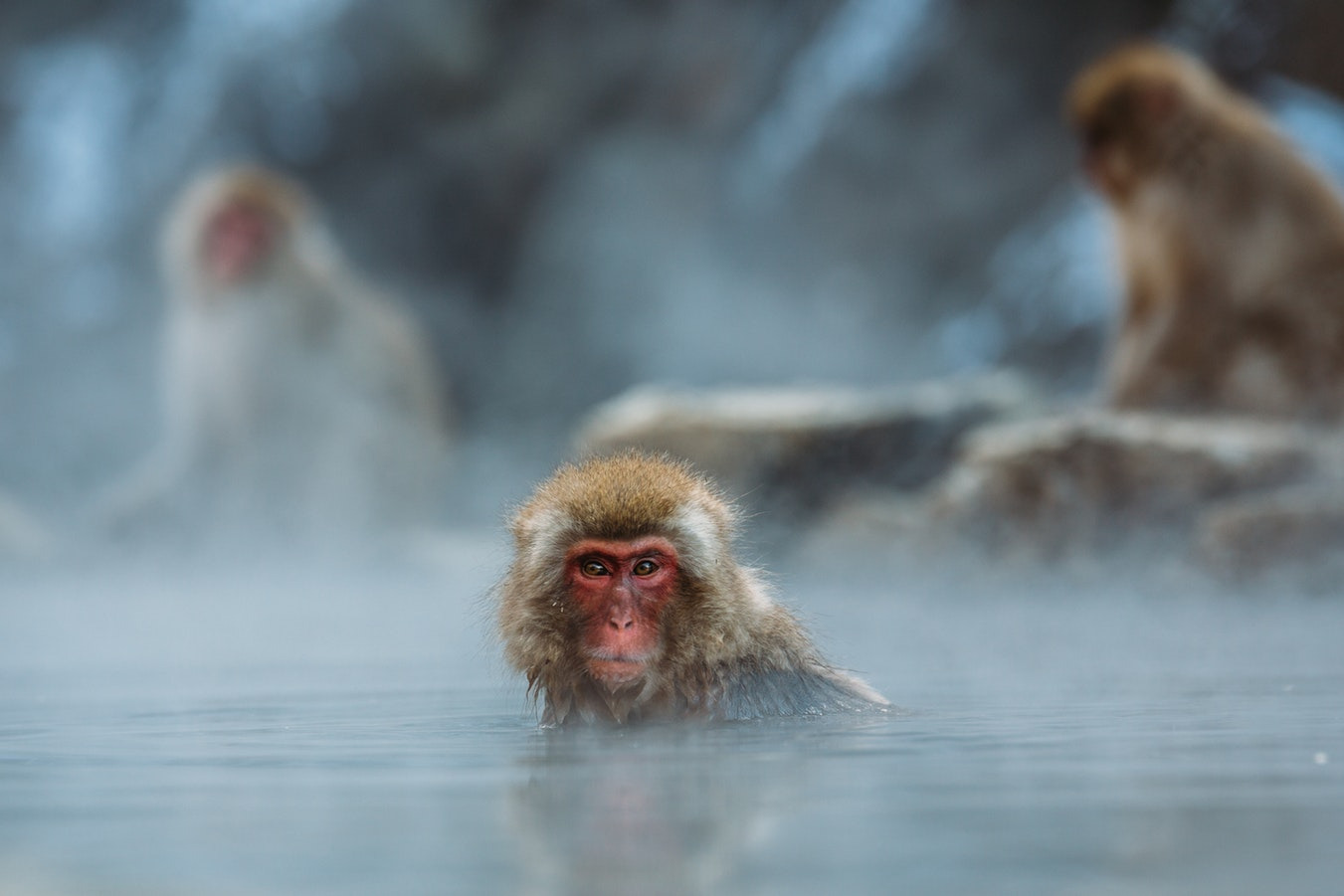
- Winter: steaming water amid snow-covered rocks, a contrast appreciated by onsen enthusiasts.
Autumn (October-November) and winter (December-February) are the most emblematic seasons for the thermal experience.
Practical information
- Closed: Tuesdays.
- Hours: open mid-morning until late evening (last entry approximately one hour before closing). Check current hours before your visit.
- Rates: moderate admission for adults, reduced rates for children. Budget a small extra fee for towel rental; soap is usually provided.
- What to bring: towel (purchasable or rentable on site), hair tie for long hair.
- Duration: 1 to 2 hours depending on which pools you try.
How to get there
Asama onsen is located north of Matsumoto, away from the city center:
- From Matsumoto Station: approximately 25 minutes by bus.
- From Matsumoto Airport: approximately 40 minutes by bus or taxi.
- From Nagoya: approximately 2 hours by train via the JR Shinano line.
- From Chubu Centrair International Airport: approximately 3 hours of travel combining the Meitetsu line then JR Shinano via Nagoya.
- From Tokyo: possibility of taking the direct JR Azusa from Shinjuku, or the Shinkansen to Nagoya then JR Shinano.
Depending on the season, Matsumoto Airport also serves Fukuoka, Kobe, Sapporo-Chitose and Osaka-Itami on domestic flights.
Other sites to see in Japan
If you extend your trip, other sites are worth a visit: Himeji Castle, one of the most beautiful keeps in the country, Mount Arashiyama and its bamboo grove near Kyoto, or Nanzen-ji Temple.
FAQ
Frequently asked questions
No, Hot Plaza Asama is a public bath with free access. You pay your admission on site, no advance reservation required.
As in most Japanese public onsens, visible tattoos may be refused. Check before your visit or cover them with an adhesive patch.
Hot Plaza Asama is closed on Tuesdays. Other days, it is open continuously from morning to evening.
Allow between 1 and 2 hours to fully enjoy the different pools (indoor onsen, rotenburo, sauna, cold bath).
Yes, the establishment welcomes children at reduced rates. The pools are separated by gender, as in all traditional onsens.
Planning your trip
Asama onsen fits naturally into an itinerary combining Tokyo, the Japanese Alps and Kyoto. To build a custom journey blending castle towns, hiking and hot springs, consult our Japan travel ideas.
Interested in this visit?
We can include it in your personalised itinerary.