Tokyo's Neighborhoods
Tokyo's Neighborhoods
Guide to Tokyo's neighborhoods: Shibuya, Shinjuku, Asakusa, Ginza, Akihabara, Yanaka, Harajuku. Addresses, atmospheres and tips for planning your itinerary.
Spanning 622 km² with 23 special wards, Tokyo reveals itself neighborhood by neighborhood. Each district possesses a distinct identity: Shibuya for youth culture, Ginza for luxury, Asakusa for temples, Yanaka for pre-war Tokyo. Think of Japan's capital as a mosaic of cities rather than a homogeneous metropolis, and plan your itinerary accordingly.
Why explore Tokyo by neighborhood
Tokyo has no single center. Urban functions (commerce, administration, nightlife, culture) are distributed across several hubs connected by a dense rail network. This polycentric organization means two neighboring districts can offer radically different experiences: Shinjuku and Shimokitazawa are just a few stations apart, yet one concentrates administrative skyscrapers while the other thrives with alternative culture.
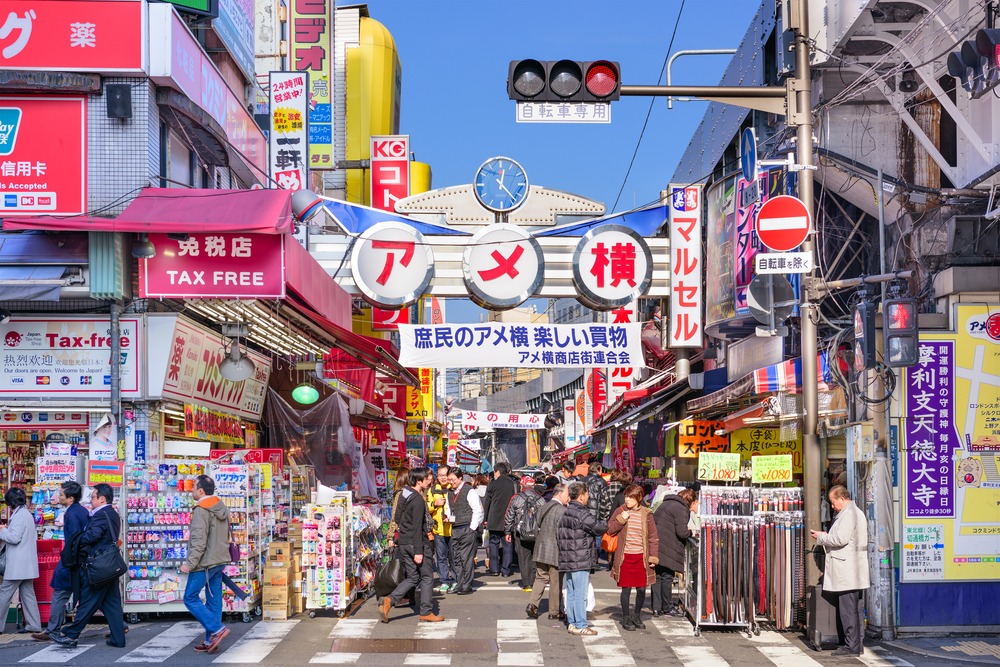
Exploring the city sector by sector also limits travel time. One day in Asakusa-Ueno covers historic Tokyo; a day in Harajuku-Shibuya, fashion-forward Tokyo; an evening in Shinjuku, the nightlife scene. To place the city in context, consult our Tokyo guide.
History: from Edo to the contemporary metropolis
Tokyo's rise began in 1603 with the establishment of the Tokugawa Ieyasu shogunate in Edo. For more than two and a half centuries, Edo became one of the world's largest cities. In 1868, the Meiji Restoration transferred the imperial capital from Kyoto to Edo, renamed Tokyo. Since then, the city has been Japan's political capital.
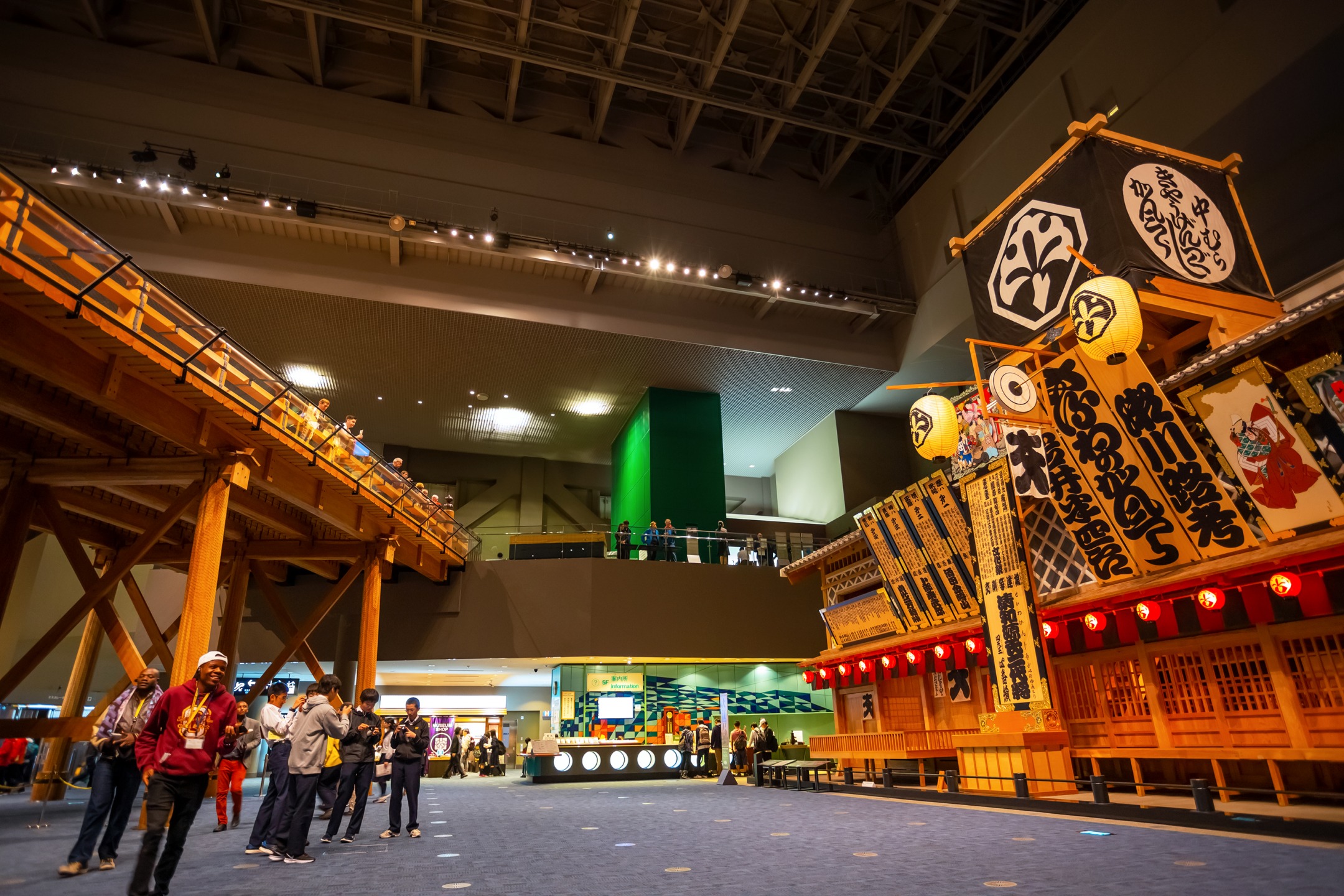
The 20th century saw it rebuild twice: after the Great Kanto earthquake of 1923, then after the 1945 bombing. In 1947, the current administrative structure was established with the creation of the Tokyo metropolitan prefecture and its 23 special wards. This history of destruction and reconstruction explains why a neighborhood like Yanaka, which escaped both disasters, is rare and precious today. For deeper insight, the Edo Museum traces this urban trajectory.
Which neighborhoods to visit in Tokyo
Shibuya and Shinjuku, the major hubs
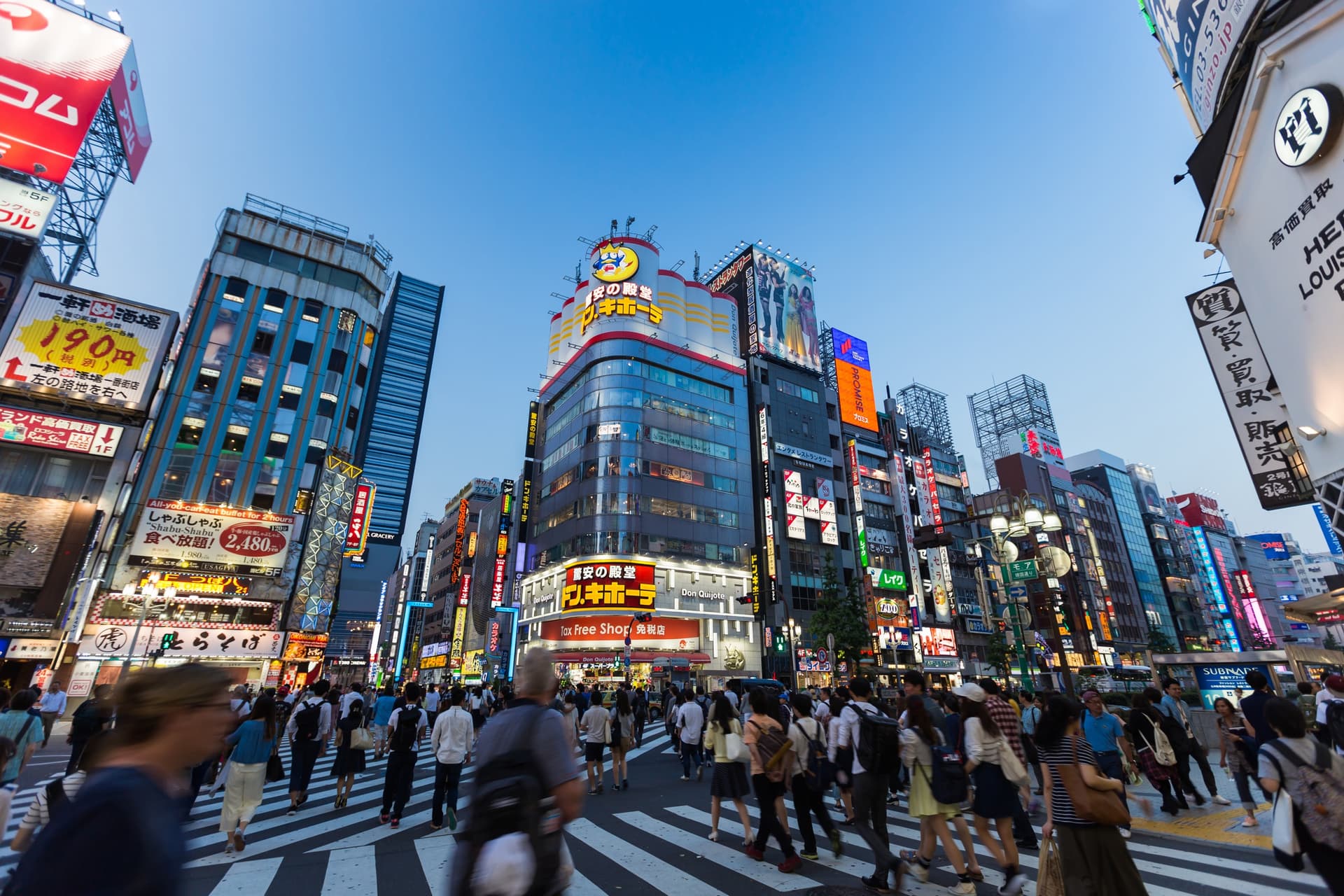
Shibuya is home to one of the world's busiest pedestrian crossings and concentrates Japanese youth culture. Shopping centers like Parco and Marui dot the district, which comes alive at night in its izakayas and restaurants. The Hachiko statue, near the station, serves as a traditional meeting point.
Shinjuku, to the west, is built around its railway station, one of the world's busiest with traffic exceeding 3.5 million daily passengers. The district blends administrative skyscrapers, major department stores like Odakyu Shinjuku, and Shinjuku Gyoen park, which offers a green respite amid urban density.
Akihabara and Ikebukuro, pop culture
Akihabara, in the center-east, is the otaku and electronics district. Arcades, anime shops, Maid cafés and specialty stores line the streets. Animate Akihabara is a leading reference for anime merchandise.
Ikebukuro, to the northwest, plays a similar role but with a more female-oriented audience. Otome Street clusters cosplay shops, manga stores and merchandise. Animate Ikebukuro, Butlers Cafe Swallowtail and ACOS Ikebukuro are among the key addresses.
Harajuku and Ginza, streetwear and luxury
Harajuku is Tokyo's fashion laboratory. Takeshita Street lines eccentric boutiques, vintage shops and themed cafés like the Kawaii Monster Café. The Bape Store remains a marker of local streetwear.
Ginza, in the center-east, operates on a different level: upscale department stores, international brands and contemporary architecture. Ginza Mitsukoshi, Tokyu Plaza Ginza and Matsuya Ginza structure the shopping experience in this district.
Roppongi, Golden Gai and nightlife
Roppongi concentrates international nightlife, with clubs like V2 Tokyo, Oak and A-Life regularly hosting international DJs. Note that there is no legal closing time for bars in Japan, allowing the party to continue.
In Shinjuku, Golden Gai clusters over 250 small bars in an area smaller than a football field. Shinjuku Ni-chōme and Eagle Tokyo fuel LGBT subculture. For a more alternative and underground scene, Shimokitazawa and Koenji offer record shops, vintage stores and intimate concert venues.
Yanaka and Asakusa, old Tokyo
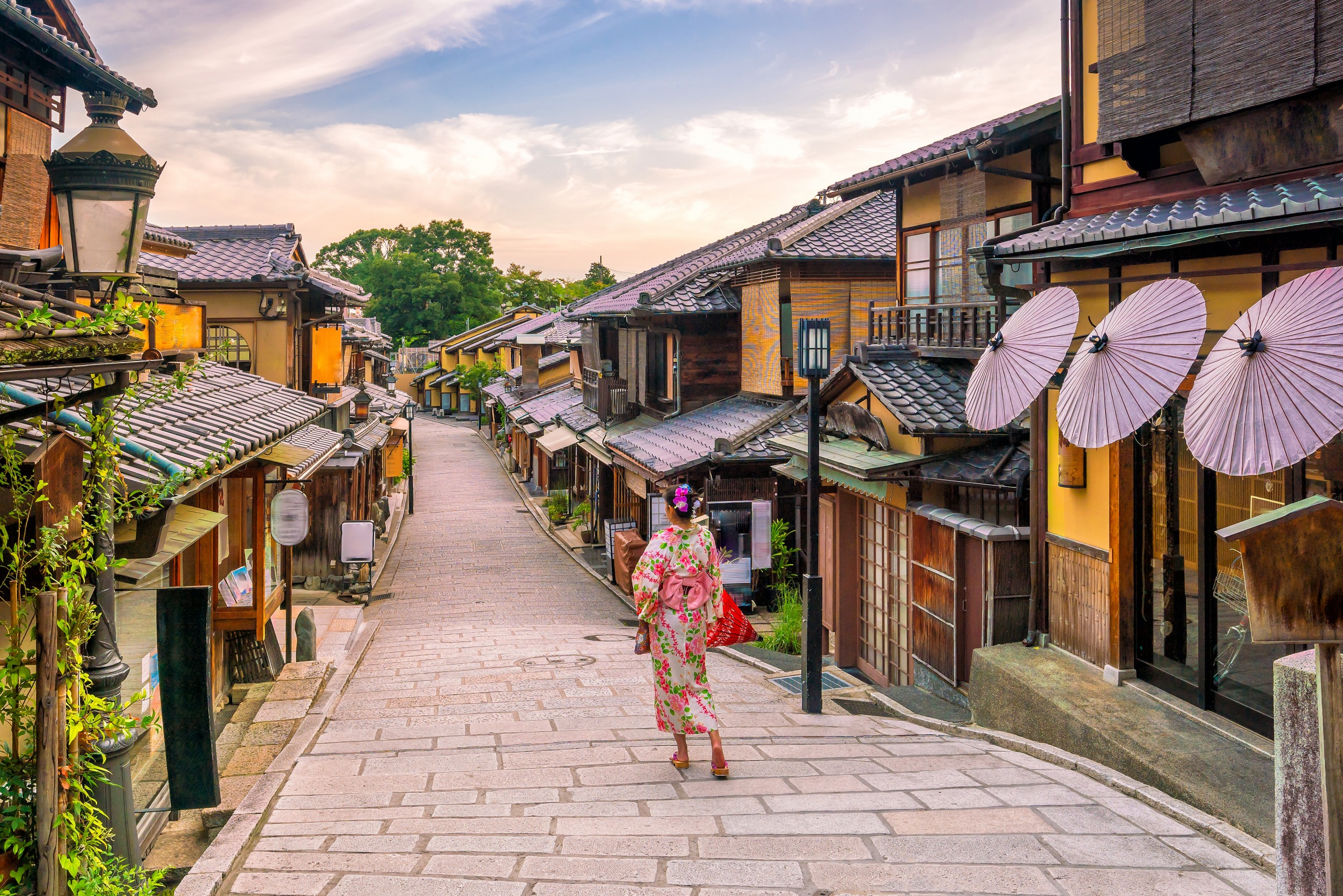
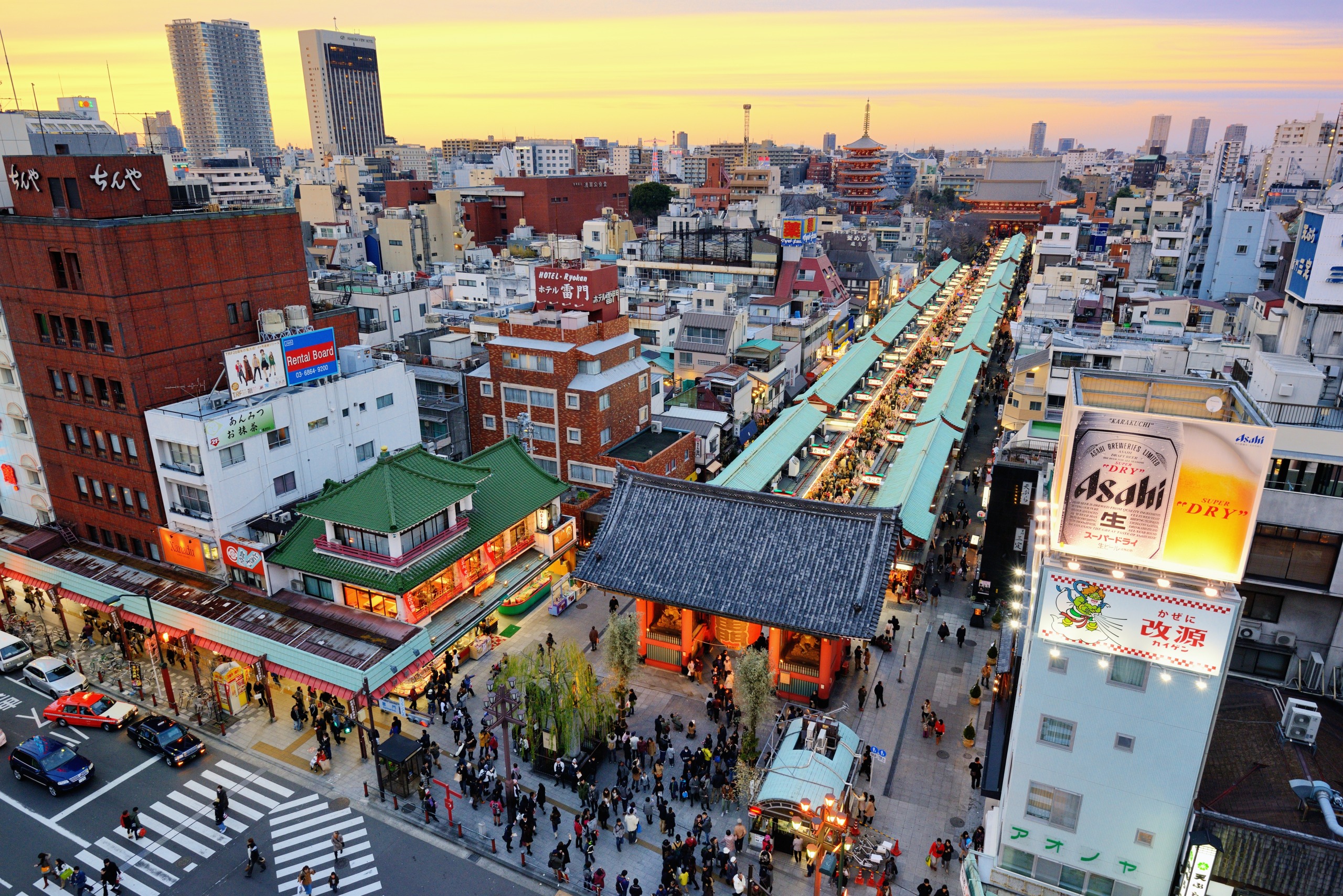
Yanaka escaped 20th-century destruction: its low traditional houses and narrow alleys invite walking or cycling. Asakusa is known for Sensō-ji temple, the capital's oldest Buddhist temple, whose shopping street Nakamise concentrates crafts and local specialties.
Ueno and Kichijoji, Tokyo's green spaces
Ueno Park is one of the most visited sites for hanami, with its cherry blossoms blooming late March to early April. West of Shinjuku, Kichijoji borders Inokashira Park and offers access to the Ghibli Museum in Mitaka as well as the Inokashira Park Zoo.
When to visit Tokyo
- Late March - early April: peak hanami season (cherry blossoms), notably at Ueno Park and Shinjuku Gyoen. Very crowded.
- May and October-November: mild temperatures, little rain, autumn maples.
- June-July: rainy season (tsuyu) then humid heat.
- December-February: dry, bright winter, ideal for city sightseeing.
Practical information
- Recommended duration: allow 4 to 6 days to cover the main neighborhoods without rushing.
- Transport card: the rechargeable Suica card, available at stations, works on the metro, JR trains and is accepted at many shops.
- Connectivity: renting a pocket Wi-Fi or eSIM eases navigation between neighborhoods.
- Etiquette: silence on public transport, no tipping, shoes removed at certain traditional venues.
How to get around between neighborhoods
The metro and JR lines are the most efficient transport: the Yamanote loop line serves Shibuya, Shinjuku, Ikebukuro, Ueno, Akihabara and Tokyo Station. For short distances, particularly in Yanaka, Shimokitazawa or around Inokashira Park, cycling is a good option. Taxis remain available but costly. From Narita and Haneda airports, direct trains (Narita Express, Keikyu) reach the center in 30 to 60 minutes.
Day trips from Tokyo
Several Japanese destinations are accessible as day trips or short stays from Tokyo:
- Owakudani and Hakone: volcanic hot springs and views of Mount Fuji.
- Izu Peninsula: coastlines, hot springs and fishing villages.
- Kamikochi: alpine valley in the Japanese North Alps.
- Hida Takayama: preserved old town and wooden architecture.
Frequently asked questions
Frequently asked questions
Prepare your trip
Tokyo is just a gateway to Japan. To build a complete itinerary including Kyoto, the Japanese Alps or Izu Peninsula, explore our Japan travel ideas.
Nearby
Interested in this visit?
We can include it in your personalised itinerary.