Tono Municipal Museum
Tono Municipal Museum
Japan's first museum devoted to folklore, the Tono Municipal Museum explores the legends of Tono Monogatari, kappas, and rural life in the Tohoku region.
The Tono Municipal Museum brings together, in the city of Tono, the stories, objects and images that have shaped the identity of a valley in northeast Japan celebrated for its kappa legends and the collection Tono Monogatari.
Why Visit the Tono Municipal Museum
Opened in 1980, the museum is presented as Japan's first institution dedicated to folklore. It serves as a gateway to Tono's oral culture, transcribed in the early 20th century in Tono Monogatari (Tales of Tono), a foundational text in Japanese folklore studies.
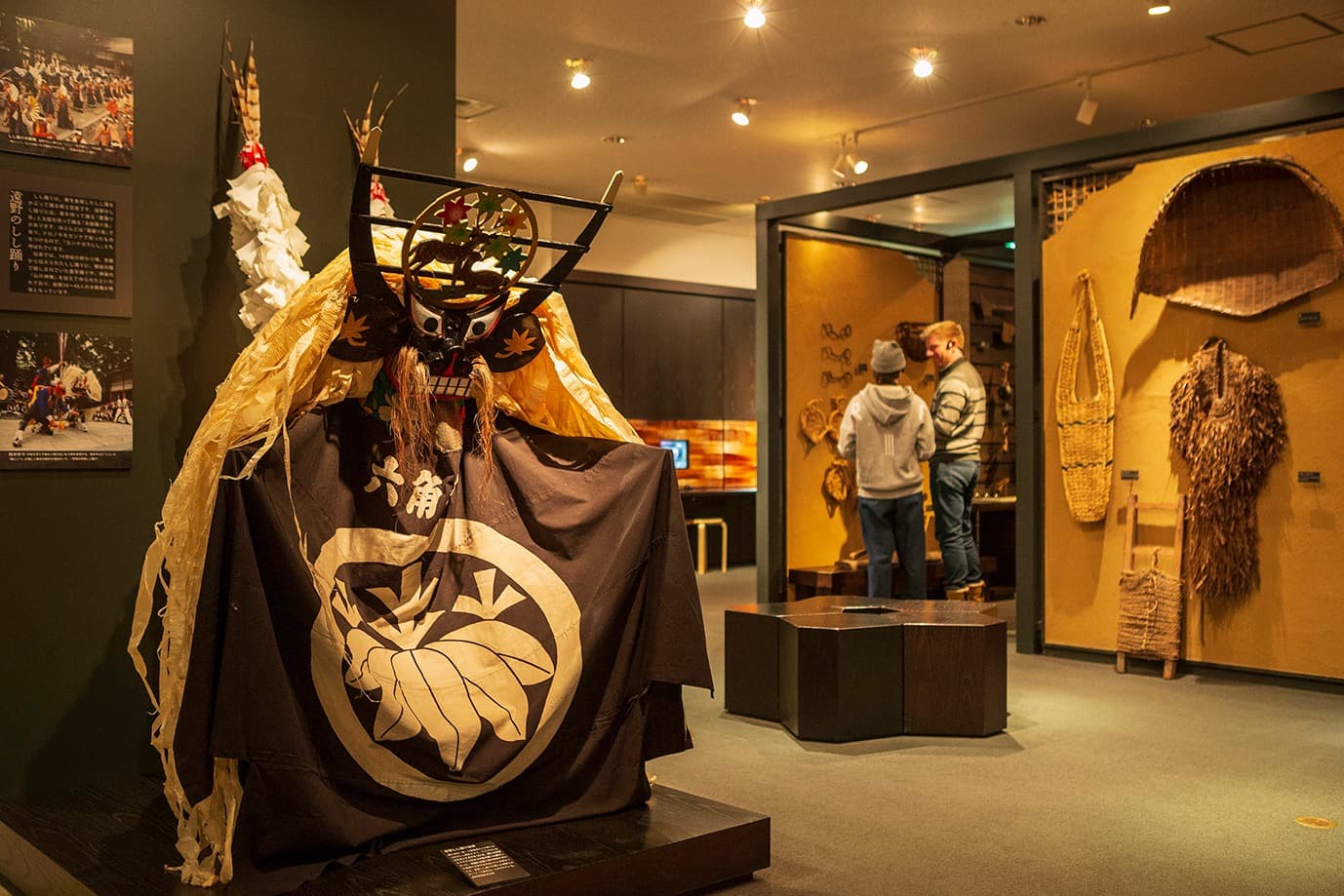
The visit combines ethnographic objects, dioramas, video projections and sound archives. Plan for 1 to 2 hours to explore all the galleries. The appeal of the place lies as much in its content, which illuminates rural life in the Tohoku region, as in its storytelling, which blends historical knowledge with the imaginary of the mountains.
History and Origins of the Museum
The museum was inaugurated in 1980 and entirely renovated in 2010, marking a dual anniversary: its thirty years of existence and the centenary of the publication of Tono Monogatari. The collection was written in 1910 by Kunio Yanagita, considered the father of Japanese ethnology, based on oral narratives transmitted to him by Kizen Sasaki, a storyteller from Tono.
The work documents Tono's transition from a "mountain" world to that of a "town", blending local history with legends. It durably placed the region on the cultural map of Japan and continues to shape the museum's programming.
What to See at the Museum
The Multi-Screen Theatre Dedicated to Tono Monogatari
The first gallery focuses on stories from the collection. A multi-screen theatre screens several video productions, including an animation of Tono Monogatari by Shigeru Mizuki, the manga artist specializing in yokai. The screenings are complemented by a sequence on unkai (sea of clouds) and the Tono basin, as well as a diorama of the territory.
The Three Domains of Life: Town, Sato and Mountain
The exhibition is organized around three interdependent spaces:
- The town: Tono during the Meiji and Taisho periods, when the city served as a commercial hub between the Pacific coast and inland territories. Goods, travelers and information passed through this regional economic and political center.
- The sato (village): a diorama recreates the daily life of a family settled in the 1930s and 1940s of the Showa era. Folklore photographs bear witness to the harshness of rural life and agricultural labor.
- The mountain: realm of gods and mythical creatures, explored through the cult of Yamabushi and Hayaike Mineyama, mountain work tools and immersive sound scenography.
The Special Exhibition Hall and Archives
The third space hosts temporary exhibitions centered on the theme "Tono Monogatari and the Present", as well as presentations on the museum's activities. In the library lounge, a computer terminal provides access to old maps, reference works and over a hundred videos of ancient stories, traditional practices and folk arts.
Tono, Land of Kappas
Kappas are green creatures with pointed noses, equipped with a dorsal shell and a water plate on their head. According to tradition, they lure unsuspecting children into rivers; their favorite food remains cucumbers. Behind the Jokenji temple, the Kappabuchi stream runs past a small shrine dedicated to them, where pregnant women come to pray for an abundance of breast milk.
Around the museum, several sites extend the visit: the traditional L-shaped dwellings at Furusato and the preserved village of Yamaguchi, which showcase the rural architecture of yesteryear.
Practical Information
The museum is open year-round with a few monthly closures that vary by season. Admission fees are modest, with reduced rates for children and high school students. English-language brochures are provided to foreign visitors; materials in other languages are rare.
As for dining, several local specialties can be enjoyed in Tono's restaurants: jingisukan (grilled lamb and vegetables), akegarasu (nut candy with black sesame and flour), local wasabi, Zumona beer and sake from the valley.
When to Visit Tono
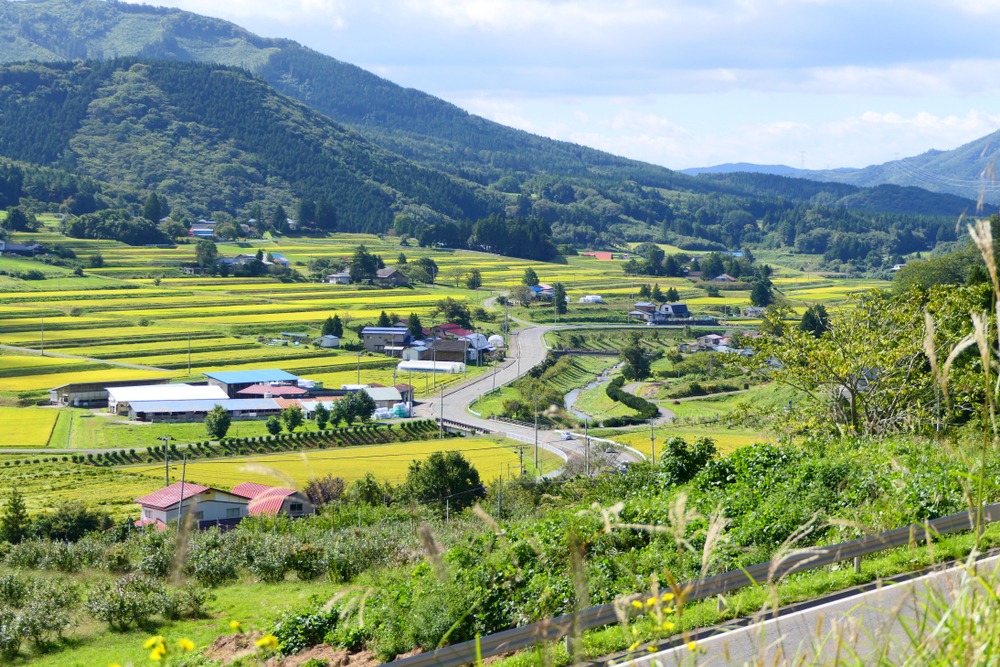
The region is best visited from late spring through early autumn, when the rice paddies and mountain landscapes are at their finest. Several festivals punctuate the year and complement a museum visit:
- Tono Festival: celebration of local folk arts.
- Tono Mukashibanashi Matsuri: traditional storytelling festival.
- Tono Dobekko Festival: event dedicated to local craft sake.
In winter, which is more severe in this mountainous area of Tohoku, travel remains possible but access to nearby outdoor sites is reduced.
How to Get There
From Tokyo, take the Tohoku Shinkansen to Shin-Hanamaki Station, then the Kamaishi Line to Tono; the final journey takes about an hour. For a more unique railway experience, the SL Ginga, a seasonal steam train, connects Hanamaki to Kamaishi via Tono. The museum is located approximately 550 meters from JR Tono Station, about a ten-minute walk.
Nearby in Northern Japan
To extend an itinerary through the mountains and villages of Tohoku and Hokkaido:
- Ginzan Onsen: historic hot spring resort in Yamagata Prefecture.
- Dewa Sanzan: three sacred mountains of shugendo, linked to the cult of yamabushi.
- Kamikochi: alpine valley in the Northern Japan Alps.
- Daisetsuzan: Japan's largest national park, in Hokkaido.
Frequently Asked Questions
Frequently asked questions
Plan for 1 to 2 hours to explore the three main sections (town, sato, mountain), the multi-screen theatre and the special exhibition hall. Longer if you browse the library's video archives.
English-language brochures are provided to foreign visitors. Materials in other languages are not systematically available.
It is a collection of local legends published in 1910 by Kunio Yanagita, based on oral narratives transmitted by Kizen Sasaki. The text is considered a foundation of Japanese ethnology.
Kappas occupy a central place in Tono Monogatari. The Kappabuchi stream, behind Jokenji temple, is dedicated to them and is the subject of ritual practices, notably by pregnant women.
Take the Tohoku Shinkansen to Shin-Hanamaki, then the Kamaishi Line to Tono (approximately 1 hour). The museum is located about 550 meters from JR Tono Station.
Plan a Trip to Tohoku
The Tono Municipal Museum fits naturally into an itinerary through the villages and mountains of northern Honshu. To customize your stay, explore our Japan travel ideas.
Interested in this visit?
We can include it in your personalised itinerary.