Hakodate, Island of Hokkaido
Hakodate, Island of Hokkaido
Between the Tsugaru Strait and rolling hills, Hakodate blends Western architecture, exceptional seafood and one of Japan's most breathtaking night views.
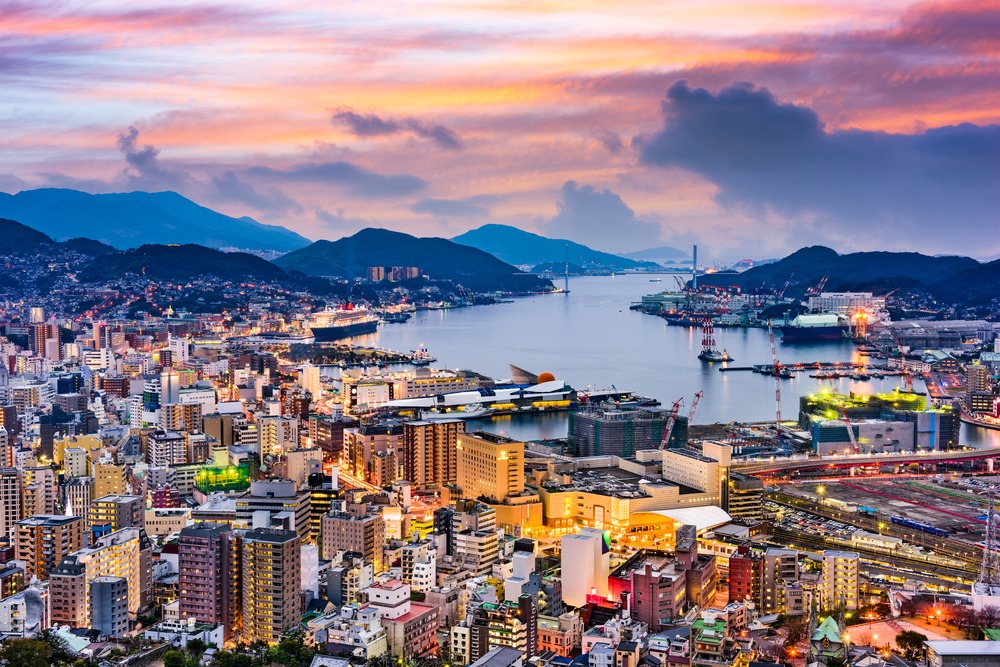
The third largest city in Hokkaido prefecture offers captivating panoramas set between the Tsugaru Strait and the mountains. Yet Hakodate is equally renowned for its Western-influenced architecture and its fresh seafood.
History
Hakodate was founded in 1454 with the construction of a manor by Kono Kaganokami Masmichi in the village of Usukeshi. An important stopover for American vessels since 1854, its port became the hub of the city's development. During the Meiji era, the Japanese established their base in the city during the conquest of Hokkaido.
During the shogunate's decline, Hakodate witnessed conflict between Meiji revolutionaries and feudal regime supporters. It ceded its status as Hokkaido's regional capital to Sapporo in 1868, yet remained a strategic point between Hokkaido and Honshu. Hakodate officially became a municipality in August 1922.
In 1934, a major fire devastated one-third of Hakodate's downtown. During World War II, the reconstructed city escaped American bombing raids. However, several war criminals were detained in Hakodate camps.
Maritime traffic surged considerably in the Tsugaru Strait during the early 1960s, but declined following the opening of Hakodate Airport. Between the 1960s and 1980s, reduced maritime activity led to the decline of Hakodate's port operations. The city gradually pivoted toward high technology, establishing a technopark specializing in mechatronics and fine chemistry.
Hakodate Today
Ideally situated in southern Hokkaido, Hakodate comprises three major zones. First comes the Motomachi district, nestled at the foot of Hakodate Mountain, where charming churches and Hachimanzaka Hill create an exotic appeal. Next is the waterfront zone, which stretches along the beach beside Motomachi. Here you'll find shopping centers, restaurants and bars, pleasant promenades with port views, and more. Finally, there's the Yunokawa zone, renowned for its hot springs and home to Hakodate's main airport.
What to Do in Hakodate?
Admire the Historic Motomachi District
For a peaceful stroll while learning more about the city's history, Motomachi is an excellent choice. The architecture here bears a distinct Western influence, testament to Hakodate's international past. Indeed, it was a crossroads for merchants and travelers toward the end of the Edo period (1603–1868). This district is home to a beautiful Orthodox church and the former British Consulate building.
Explore Goryokaku Fort
If you love greenery, visit Goryokaku Fort, dating from 1866 and converted into a park in 1914. This star-shaped complex symbolizes the power of Hokkaido's shogun. In spring, thousands of cherry blossoms bloom across the site. The 90-meter-tall Goryokaku Tower offers breathtaking views over the blooming grounds.
Shop at Asaichi Morning Market
The Asaichi market comes to life near Hakodate Station starting at 5 a.m., offering tourists and locals freshly caught seafood. The site houses a cluster of small shops where you can savor giant Japanese crab, countless sea urchin dishes, and shio ramen.
Visit Hakodate Port
Hakodate Port, established near the end of the Edo period (1600–1867) to promote international commerce in Japon, charms visitors with its red-brick warehouses. The revitalized waterfront complex now features various shops, restaurants, a chapel, and a brewery.
Relax in Yunokawa's Hot Springs
Yunokawa Onsen, located just minutes from the station, is highly favored by both locals and tourists. This thermal resort hosts several ryokans and modern hotels. Relax while enjoying spectacular views of the Tsugaru Strait from the outdoor baths.
Nearby, several popular attractions warrant a visit, including Saruyama Onsen (Tropical Botanical Garden), where you can observe monkeys joyfully bathing in the warm waters.
Taste Hakodate Ramen
Hakodate ramen ranks among Hokkaido's most celebrated varieties, alongside Sapporo miso and Asahikawa shoyu. Appearing in 1884, it may be one of Japon's earliest ramen types. Over 150 restaurants in town serve these thin noodles based on pork bone broth, chicken stock, seaweed, and herbs. One bowl is enough to get hooked—you'll crave it at every meal!
Take in the Views from Hakodate Mountain
Offering stunning panoramas of Hakodate, the bay, sea, and surrounding mountains, Hakodate Mountain ranks among the city's premier attractions. The vista is particularly breathtaking at sunset, when the city sparkles like a jewelry box. The 334-meter mountain is accessible by cable car, bus, taxi, or on foot.
Hike in Onuma Quasi-National Park
Just outside Hakodate, about a half-hour by train, Onuma Quasi-National Park opens its doors for an escape into nature. Multiple hiking trails wind through this 90 km² domain. Don't miss the Konuma and Onuma lakes, which owe their existence to an eruption of Mount Komagatake. In summer, take a boat ride to fully appreciate the landscapes. In winter, frozen lakes and the snow-covered volcano create an otherworldly atmosphere.
Best Time to Visit Hakodate
It's pleasant to visit Hakodate in summer, as the weather permits numerous activities. Between July and September, the city experiences average daytime temperatures around 20 °C. Evenings cool considerably, so for evening outings, bring a light sweater or long-sleeved garment.
Winter brings biting cold, with temperatures dropping to -2 °C. Snowfall occurs from December through March. If visiting Hakodate during this season, pack coats, hats, scarves, and gloves.
Hakodate has the second-largest airport in Hokkaido prefecture. It operates flights to Haneda and international cities like Taipei and Tianjin. Shuttles are available to whisk travelers to Hakodate Station.
From Tokyo, you can take the Shinkansen Hayabusa train to Shin-Hakodate Hokuto Station. The journey takes approximately 4 hours. Then board the JR Kaisoku Hakodate train to reach Hakodate Station. From Sapporo, the Hokuto Express train serves Hakodate in roughly 4 hours.
Tramways serve most of Hakodate's tourist sites, crossing through the historic Motomachi district, the waterfront, and the Yunokawa zone. Alternatively, you can travel by bus, taxi, bicycle, or rental car.
Want to discover this destination?
Our local advisors design your tailor-made trip.