Yaeyama Islands
Yaeyama Islands
Located 400 km south of Okinawa, the Yaeyama Islands reveal turquoise beaches, the Iriomote jungle, Ryukyu traditions, and some of Japan's richest marine ecosystems.
Experience a delightful tropical escape in the Yaeyama Islands, situated approximately 400 km southwest of the main island of Okinawa Honto. Eleven of them are inhabited, while the rest remain uninhabited. Yet each possesses its own character and offers countless discoveries both on land and at sea.
History
The islands of Okinawa once belonged to the independent Ryukyu Kingdom, until the Japanese Empire annexed the archipelago in 1879 during the Meiji period. Between the seventh and nineteenth centuries, the local economy relied primarily on trade with the continent. During this era, the inhabitants developed their own distinctive culture by absorbing influences from China, Southeast Asia, and Korea. While other regions of Japan remained isolated from the wider world, Okinawa flourished through its foreign relations.
When World War II erupted, aerial raids devastated the archipelago. The Yaeyama Islands were fortunately spared. No American military bases were established there, which helped preserve the indigenous culture.
Exploring the Yaeyama Islands
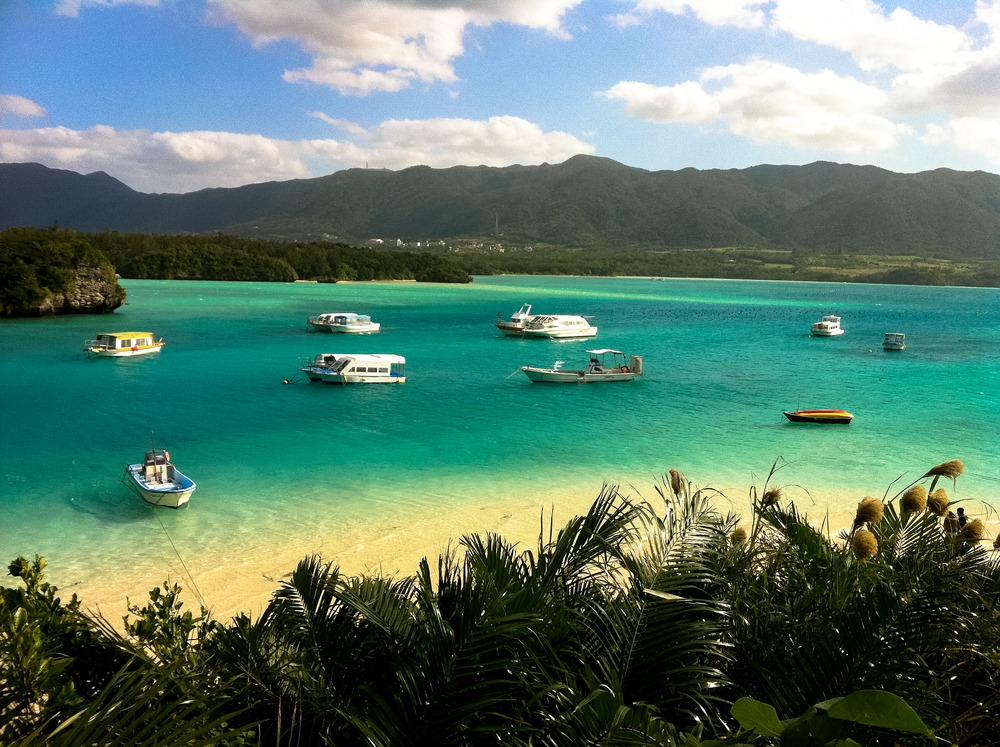
Arriving via Ishigaki, the common entry point for Yaeyama Islands visitors, head to the beaches to unwind away from crowds. Dive into the crystal-clear waters of Kabira Bay, which seasonally hosts manta rays, sea turtles, whales, and a kaleidoscope of tropical fish. Back in Ishigaki's urban area, settle into a restaurant to savor island cuisine. Order a Yaeyama soba: the rich broth made from pork bones and bonito, thin wheat noodles, and succulent pork topped with kamaboko slices and soy sauce deliver an unforgettable culinary experience.
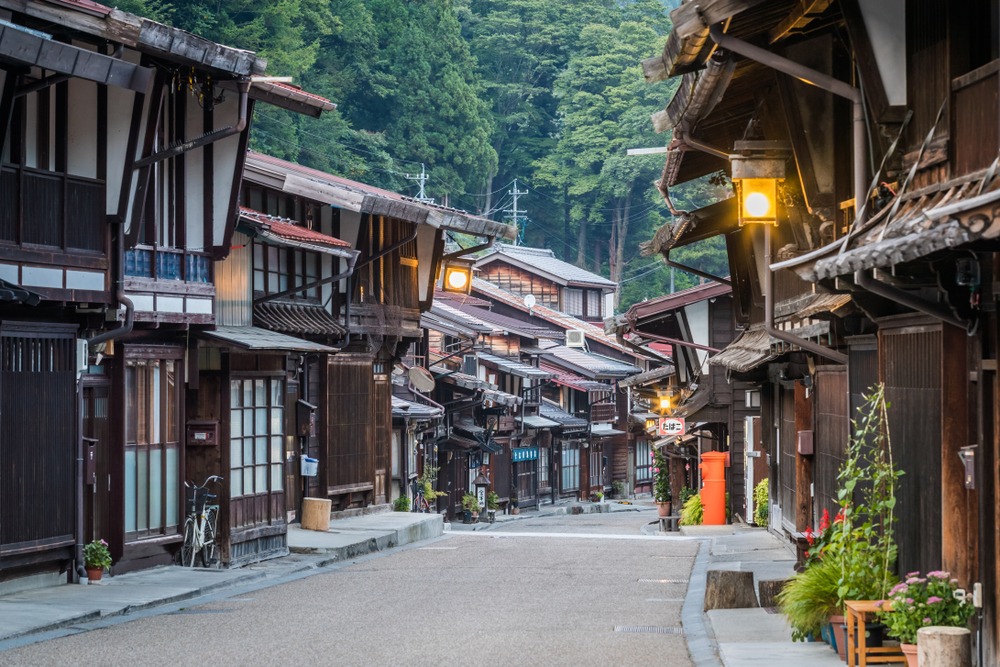
Just a ten-minute boat ride from Ishigaki lies the island of Taketomi. Time seems to have stopped in this charming traditional village. Watch the leisurely procession of buffalo-drawn carts through quiet lanes. Stroll among small cottages topped with terracotta tile roofs. Above the homes, you'll spot statues of mythical lion-dogs called Shisas, believed to ward off malevolent spirits.
Iriomote, the largest of the Yaeyama Islands, promises equally enchanting experiences. Venture deep into sprawling mangroves and lush jungle to discover diverse flora and fauna. It's prime terrain for hiking enthusiasts. Don't miss Kuroshima Island either, nicknamed the "cattle breeding ground." The small coral island's cattle farms export high-quality calves destined to become prized wagyu beef throughout Japan. Nakamoto Beach is also an excellent spot for observing marine wildlife. Furthermore, if you're an archaeology enthusiast, explore the underwater ruins of Yonaguni.
Sacred Islands
The inhabitants of the Yaeyama Islands hold their traditions dear. Ancestral rituals and festivals are celebrated every year. Most celebrations relate to agriculture—whether requesting abundant harvests or thanking the deity Miruku during the harvest season. Ceremonies are conducted under the direction of priestesses called Tsukasa, at sacred sites named Utaki that remain off-limits to men and tourists. These locations are typically pristine stretches of white sand, sometimes encircled by stones, marking the edges of villages. Following the rites, women don traditional Ryukyu costumes and perform folk artistic representations, while high school students demonstrate traditional stick-fighting techniques.
Practical Information
When to Visit?
The Okinawa archipelago generally enjoys a subtropical climate. However, due to their proximity to the Tropic of Cancer, the Yaeyama Islands inherit a tropical climate. In winter, temperatures are slightly higher than those on Okinawa Honto and other islands to the north. In January and February, thermometers can reach 21°C despite clouds and winter monsoon winds. It's not ideal for sunbathing, but the weather still permits a wide array of outdoor activities.
Spring arrives in March-April, making it an excellent season to travel to the Yaeyama Islands. Rain sets in gradually from early May through June. Take heart—it doesn't rain constantly here, unlike other main Japanese islands during the wet season. Summer thus marks peak tourist season, before typhoons arrive in September. October and November are equally delightful, being neither too hot nor too cold.
By Air
Ishigaki Airport regularly operates flights to Naha on Okinawa Honto and Miyako Island. The runway also welcomes direct flights from several major Japanese cities, including the capital Tokyo (3 hours). Additionally, intermittent connections exist with Taipei in Taiwan and Hong Kong.
By Sea
From late April through late October, cruises to Ishigaki operate from Keelung (near Taipei), Okinawa Honto, and Miyako Island.
You can fly between Ishigaki and Yonaguni, but ferries remain the most practical way to explore the Yaeyama Islands. The crossing between Ishigaki and Taketomi takes only 10 minutes. To reach Iriomote from Ishigaki, allow 40 minutes of travel time. Shuttles regularly service remote islands like Yonaguni and Hateruma.
Some archipelago islands are navigable on foot. For larger islands, you can use public transportation, though it's limited. If you plan to spend several days on an island, rent a car or bicycle to enjoy complete freedom of movement.
What to Do in the Yaeyama Islands?
- Go scuba diving in Kabira Bay
- Photograph traditional houses on Taketomi Island
- Explore the mangroves of Iriomote Island
- Discover Ryukyu traditions
- Visit cattle farms on Kuroshima Island, and more
Want to discover this destination?
Our local advisors design your tailor-made trip.