Iya Valley
Iya Valley
In the heart of Shikoku, Iya Valley conceals its vine bridges, gorges and samurai villages. A complete guide to visiting this secret Japan.
Nestled in the central mountains of Shikoku island and sparsely served by transport links, Iya Valley is a hidden oasis for escape.
History
Iya Valley ranks among Japan's best-kept secrets. Located in Tokushima Prefecture at the heart of Shikoku island, it remains isolated by its mountainous and steep terrain. This inaccessibility made it an ideal refuge for hermits and fleeing samurai. Following their defeat during the Genpei War (1180–1185) at the end of the Heian period, members of the Taira clan took refuge in Iya Valley. The first roads crossing the region were constructed much later, in the early and mid-twentieth century.
Visiting Iya Valley
For complete disconnection from the modern world, let yourself be drawn into Iya Valley. Reconnect with nature while experiencing remarkable adventures amid spectacular landscapes. Discover breathtaking gorges, wild rivers and lush forests that shift colours with the seasons. One thing is certain: Iya Valley is a playground for lovers of stunning vistas and adrenaline rushes.
Explore a land of adventure
Traverse the stunning landscapes of Iya Valley. Absorb a healthy dose of adrenaline as you tackle clifftop hiking trails, particularly at the spot called Nana Magari or "Seven Bends," considered the valley's most dangerous zone. Pay your respects to the statue of the boy urinating over the Iya Gorge, perched at 200 metres altitude on a precipice's edge. According to legend, this unusual artwork was installed to honour adventurers bold enough to risk relieving themselves from the rock.
For a more leisurely experience, board a pleasure boat and navigate the Yoshino River through Oboke Canyon. As you drift slowly across emerald waters, contemplate the steep cliffs dominating the gorge. In fine weather, white-water rafting excursions are available for the most daring sportspeople.
Cross vine bridges
Your experience in Iya Valley would be incomplete without traversing the region's emblematic vine bridges. Called kazurabashi, legend has it these suspended bridges were built by Heike soldiers fleeing their Genji adversaries after the Genpei War. Of the thirteen original kazurabashi, only three remain, which locals and travellers can still cross today. Once made entirely from natural materials, they have been reinforced with steel cables to ensure the safety of the growing number of tourists crossing them.
The most famous is Iya-Kazurabashi, which spans approximately 45 metres in length, suspended 14 metres above the river. The sensation of swaying on the bridge and the view of water through the wooden steps will surely set your senses alive.
Preserved traditions
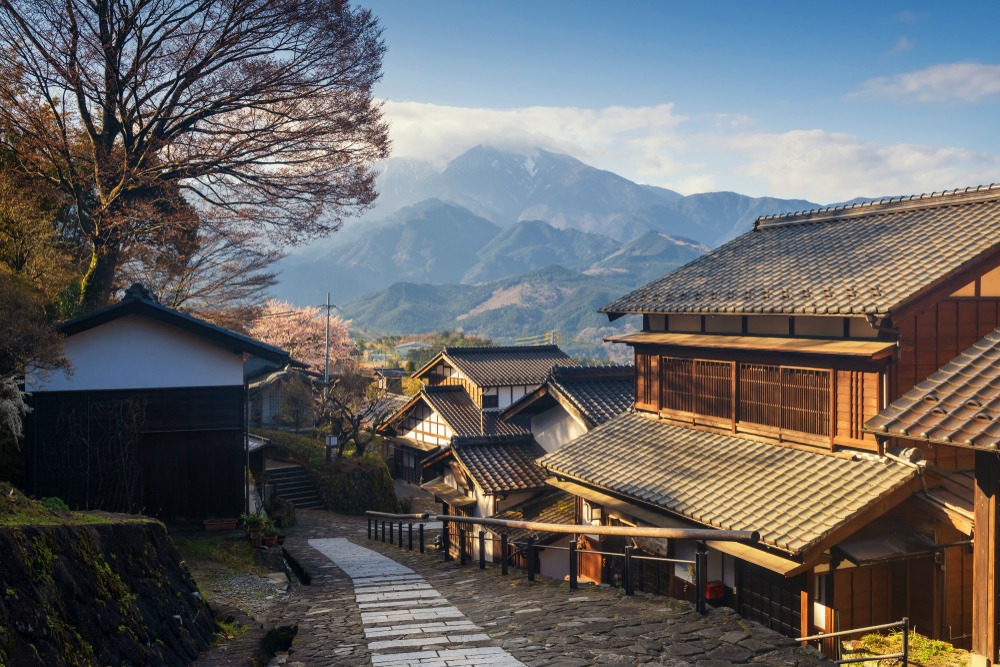
Long isolated from the rest of the world, Iya Valley's inhabitants have preserved ancient traditions that are unfortunately fading in Japan's modern communities. Visiting the Ochiai region, you'll discover rural dwellings clinging to mountainsides. Some can be reserved for a night spent with local families, immersing yourself in village life.
Finally, hot springs are among the territory's greatest charms. One of the most picturesque onsen nestles deep within the valley. Access is via a cable car that descends to approximately 170 metres below. At the bottom, rotenburo open onto enchanting views beside the river.
From Tokyo, you can fly to Takamatsu Airport in Kagawa, then take direct buses to Iya Valley.
From Osaka, at Hankyu Umeda Station, board a bus heading to Awa-Ikeda in Miyoshi city. The journey takes roughly four hours with an average of five departures daily. Once in Miyoshi, simply find a local bus serving Iya Valley.
When to visit
Like everywhere in Japan, each season has its merits and drawbacks. Spring stands out nonetheless with more favourable conditions and landscapes in renewal. In early May, the "Golden Week" brings heavy tourist traffic to Iya Valley. The following weeks are quieter, until early June when the rainy season begins to set in.
In summer, Iya Valley experiences heat and humidity, though this isn't necessarily uncomfortable for outdoor activities. Autumn often brings fine days, but you should check for typhoon risks. As for winter, best avoid this season if possible, as it becomes more difficult to reach the valley and escape if problems arise.
Want to discover this destination?
Our local advisors design your tailor-made trip.