Morioka
Morioka
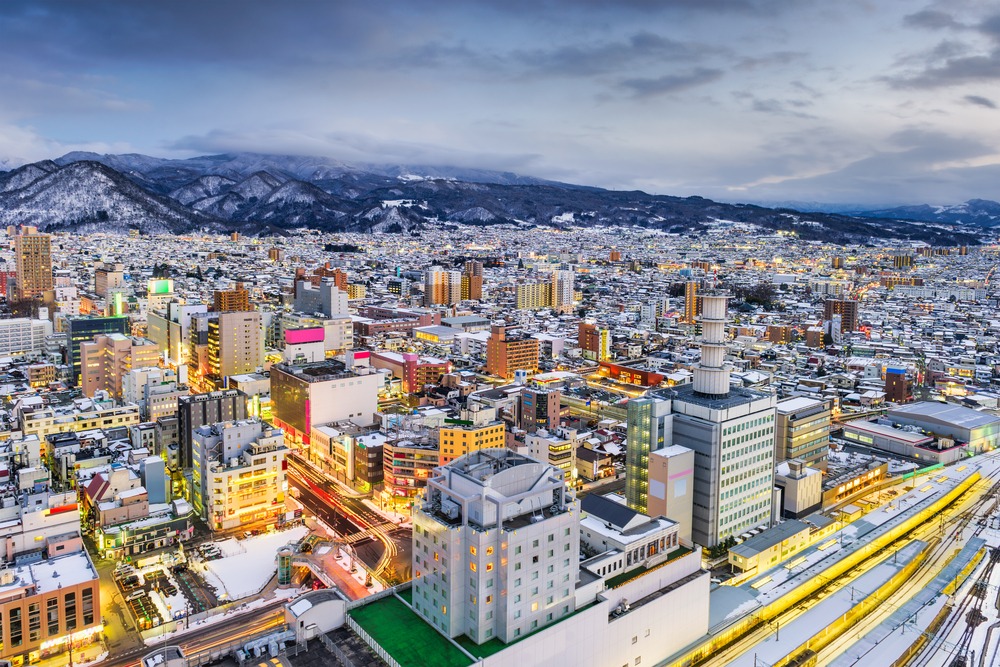
Morioka, the understated capital of Tohoku where three rivers converge: distinctive history, unique gastronomy, summer festivals and your gateway to Mount Iwate.
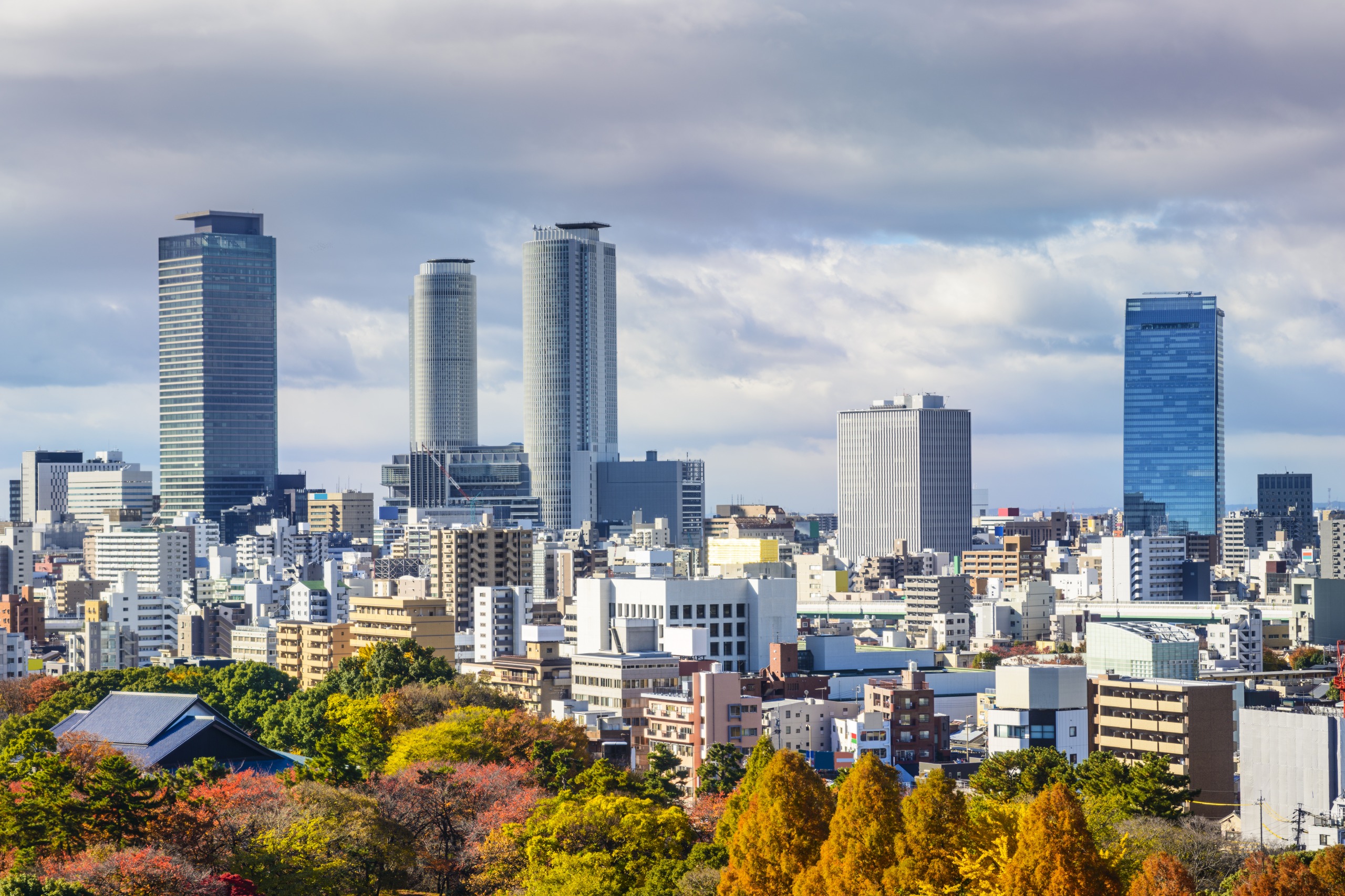
The capital of Iwate Prefecture offers striking landscape contrasts at the confluence of three rivers in northern Japan. Between modern downtown constructions, traditional shopping streets, and verdant parks, Morioka conceals many hidden treasures. Let's shine a spotlight on them!
History
The rebellious Emishi people expanded their territory around the Morioka region during the Nara period (710–794). In 803, the shogunate dispatched General Sakanoue no Tamuramaro to the north of Japan to conquer and pacify the area. Following the creation of the Fort of Shiwa, the region gradually came under imperial authority.
The Oshu Fujiwara clan, based in Hiraizumi, controlled Morioka at the end of the Heian period (794–1185). Destroyed by Shogun Minamoto no Yorimoto, it was succeeded by the Oshu Kudo clan. The Nambu clan then took hold during the Muromachi period (1336–1573), establishing the castle of Kozukata, which was renamed "Morioka" in the 17th century.
Daimyo Nobunao officially founded the city in 1597. The Nanbu community split in two in 1655, forming the clans of Morioka and Hachinohe. During the Boshin War (1868–1869), Morioka fought alongside the Aizu domain against clans refusing to support Emperor Meiji. A few years later, the castle was demolished, while the Iwate shihan school, now the University of Iwate, opened its doors.
Morioka Today
At first glance, Morioka may seem somewhat industrial and claustrophobic. But like other prefectural capitals throughout Japan, you must abandon the main avenues and venture into the neighborhoods to truly appreciate the city's authentic character.
Must-See Attractions in Morioka
Head to the Saien district, just a short walk east of Morioka Station, to indulge in local gastronomy. Try the Sandaimen, an assortment of three hearty noodle dishes with distinctive flavors: reimen (Korean-style ramen), jajamen (thick udon noodles topped with a miso and meat sauce), and wanko soba (buckwheat noodles). This recipe originated in Korea in the 1950s. Next, visit Iwate Park, where the remains of the Morioka Castle stand. The granite walls and cherry blossoms scattered across the domain grounds evoke the past beauty of the site, particularly in spring. The Sakurayama Shrine and the ancient Ishiwara Sakura tree are among the curiosities to discover here.
Strolling along the Nakatsugawa River, you'll spot a large red brick building. This is the Iwate Bank, founded in 1911. Now a tourist attraction, this establishment houses a museum space showcasing its history. Nearby, the Morioka Shinkin Bank also commands attention with its imposing pillars designed by architect Kasai Manji. Two kilometers west of JR Morioka Station, the Iwate Art Museum displays an entirely different, far more modern design with its elongated form and glass roof. It features permanent exhibitions of works by local artists such as Yorozu Tetsugoro, Matsumoto Shunsuke, and Funatoshi Yasutake. Another noteworthy museum, the Hara kei Memorial, presents the works of Takashi Hara, Japan's first popularly elected Prime Minister during the Taisho era (1912–1926). Just across the way, you'll find his birthplace, a charming wooden residence.
Events in Morioka
Morioka is a city that loves its festivals. In June, the Chagu Chagu Umakko festival celebrates horse breeding with a grand parade of decorated stallions, departing from Morioka Hachimangu Shrine. Traditionally held in early August, the Sansa Odori Matsuri stands as the city's most important event. Over four days, the streets transform into a stage for dancers, flute players, and taiko drummers. Also in August, Morioka's fireworks festival sets off more than 10,000 fireworks to create a breathtaking pyrotechnic display over the Kitakami River.
To remember your visit to Morioka, pick up traditional crafts in the Zaimokucho district, north of the station. You can also purchase fresh produce at the Kitano Minzoku Ichiba market, or hunt for trendy accessories in the Odori shops.
Climate
Morioka's climate is warm temperate, classified as Cfa on the Köppen-Geiger climate map. The city receives substantial precipitation, with an annual average of 1,314 mm. You're never entirely safe from a shower, even during the driest months. As for temperature, the annual average stands at 10.2°C.
By Train
The JR Tohoku Shinkansen connects Morioka to Tokyo. The Hayabusa train journey and Yamabiko train take 2 hours 30 minutes and 3 hours 30 minutes, respectively.
By Bus
Bus companies offer overnight services between Tokyo and Morioka. Expect approximately 8 hours of travel to reach your destination.
The Dendenmushi bus loops around central Morioka, passing several tourist attractions such as Iwate Park. The flat terrain makes it ideal for walking and cycling. Bike rental services are available at various locations throughout the city.
What to Do in Morioka?
- Savor a Sandaimen
- Discover the ruins of Morioka Castle at Iwate Park
- Admire works by regional artists at the Iwate Art Museum
- Witness the parade of dancers during Sansa Odori Matsuri in August
- Browse traditional crafts in the Zaimokucho district, etc.
Want to discover this destination?
Our local advisors design your tailor-made trip.