21 articles to prepare your trip
Temple Rinno
Founded in 766 at the foot of Mount Nantai, Rinno-ji houses three monumental golden Buddhas and the mausoleum of shogun Iemitsu Tokugawa, a UNESCO World Heritage site.
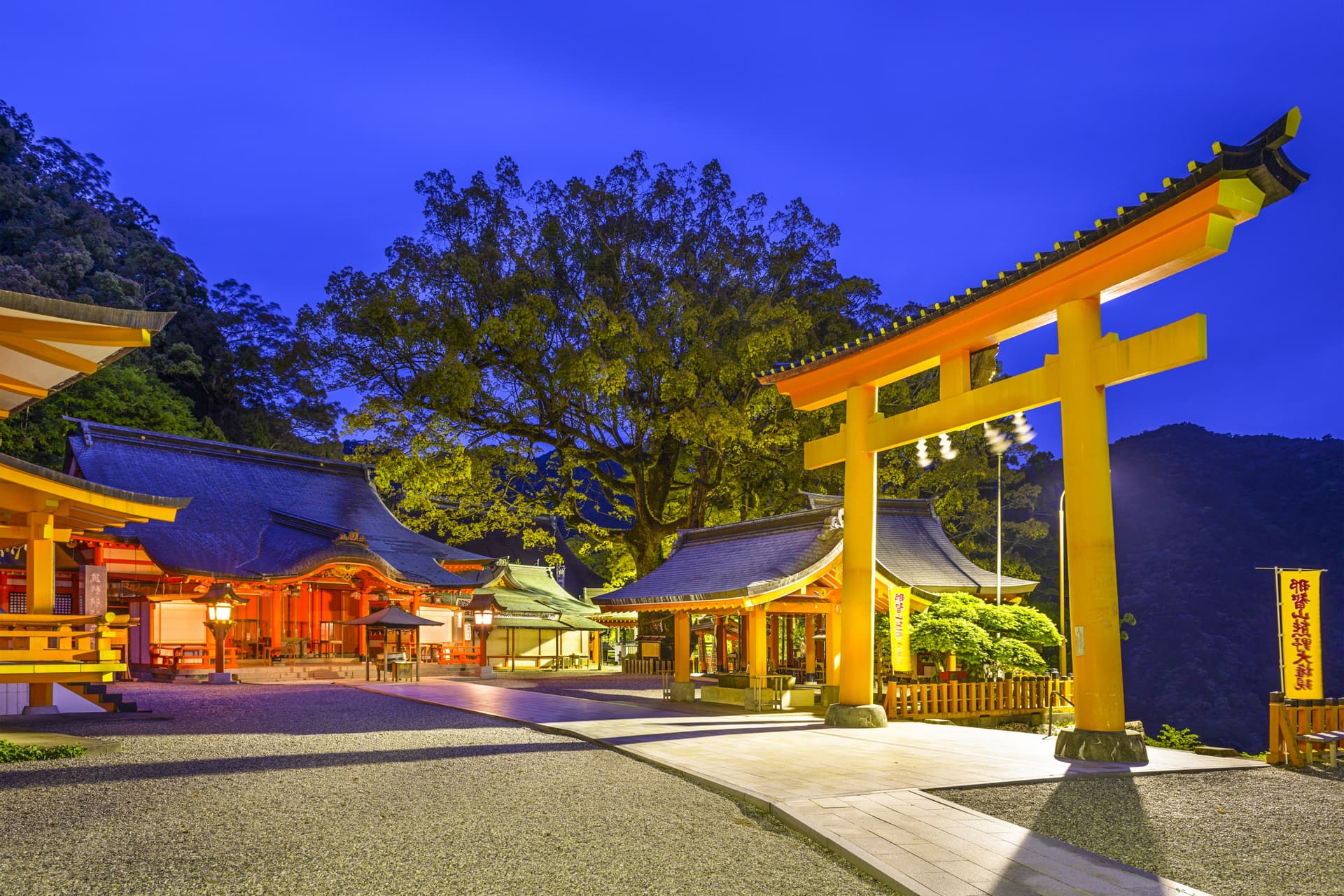
Nachi Taisha
On the slopes of Mount Nachi, the Shinto shrine Nachi Taisha and the temple Seiganto-ji stand facing a sacred waterfall of 130 meters, a station on the Kumano Kodo.
North of Kyoto, Mount Kurama brings together an ancient temple, a Shinto shrine, forest hiking trails leading to Kibune, and a sulfurous hot spring.
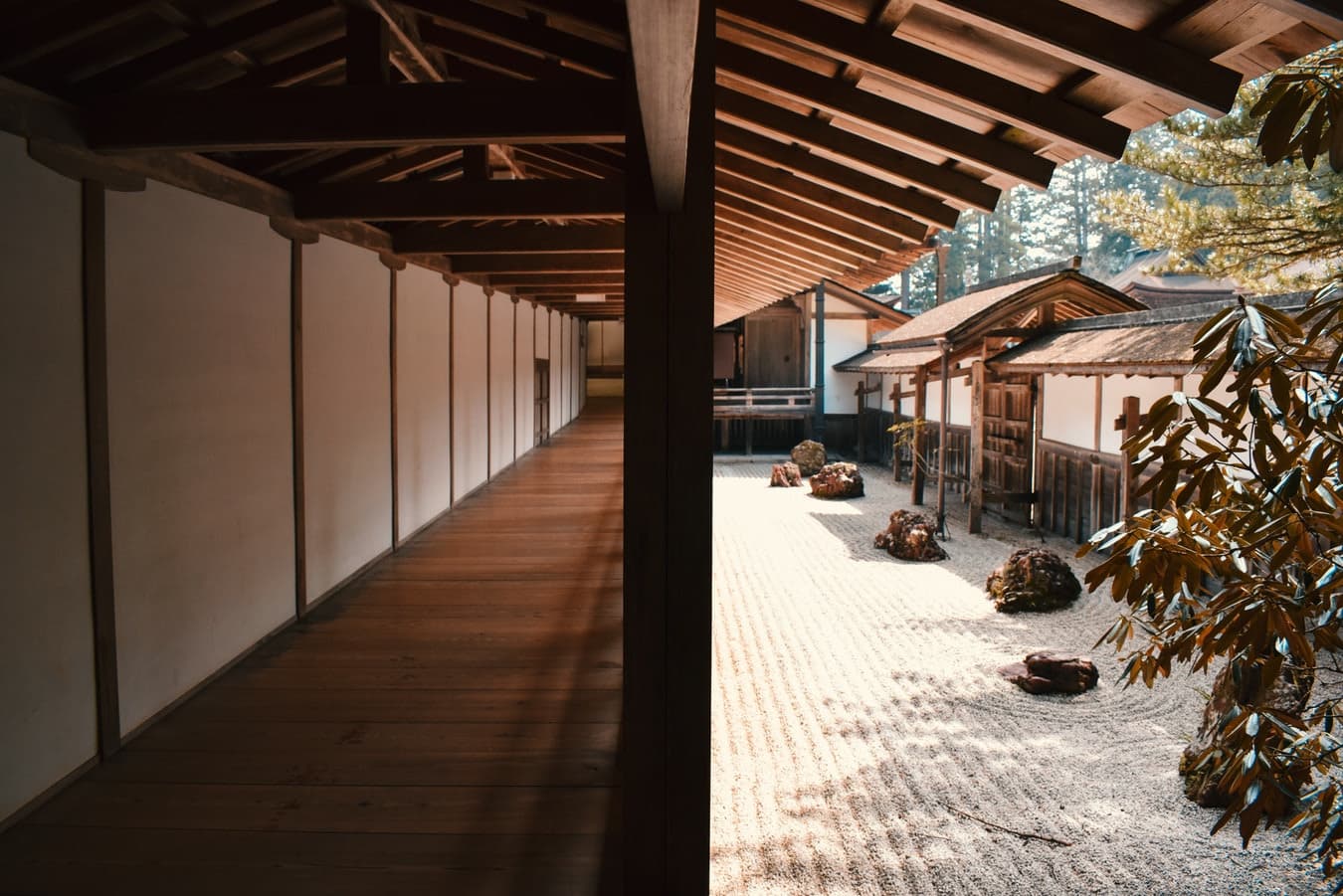
Kongobu
Administrative center of the Shingon Buddhist school at Mount Kōya, Kongōbu-ji is home to the Banryū-tei, Japan's largest dry garden, and UNESCO-listed heritage.
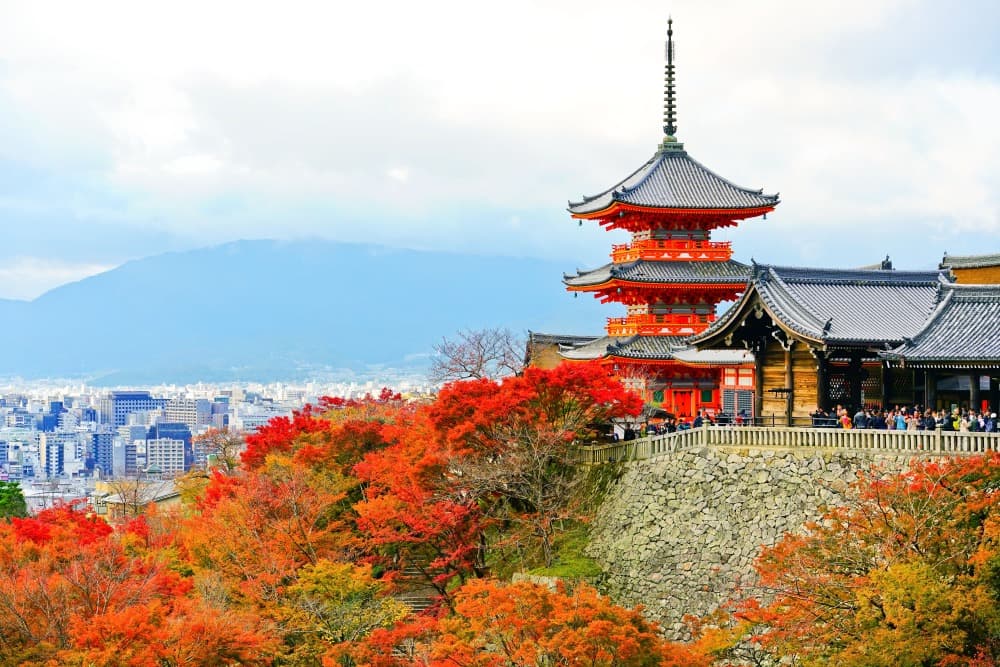
Nestled against the Higashiyama hills, Kiyomizu-dera overlooks Kyoto from its wooden terrace built without nails. History, sites to see and visiting advice.
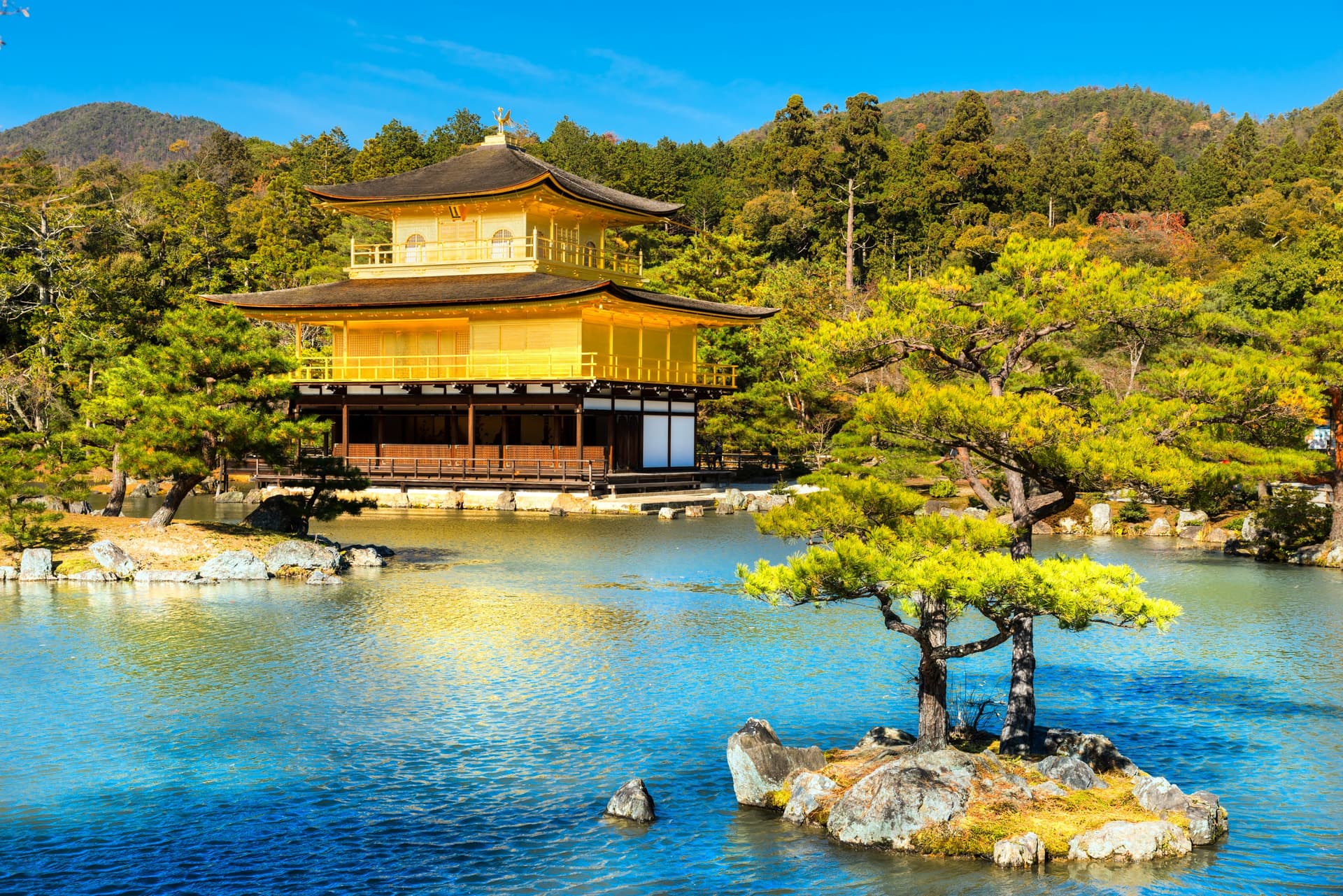
A Zen temple covered in gold leaf in north-west Kyoto, Kinkaku-ji combines unique architecture, strolling gardens and a turbulent history.
Kasuga Taisha Nara
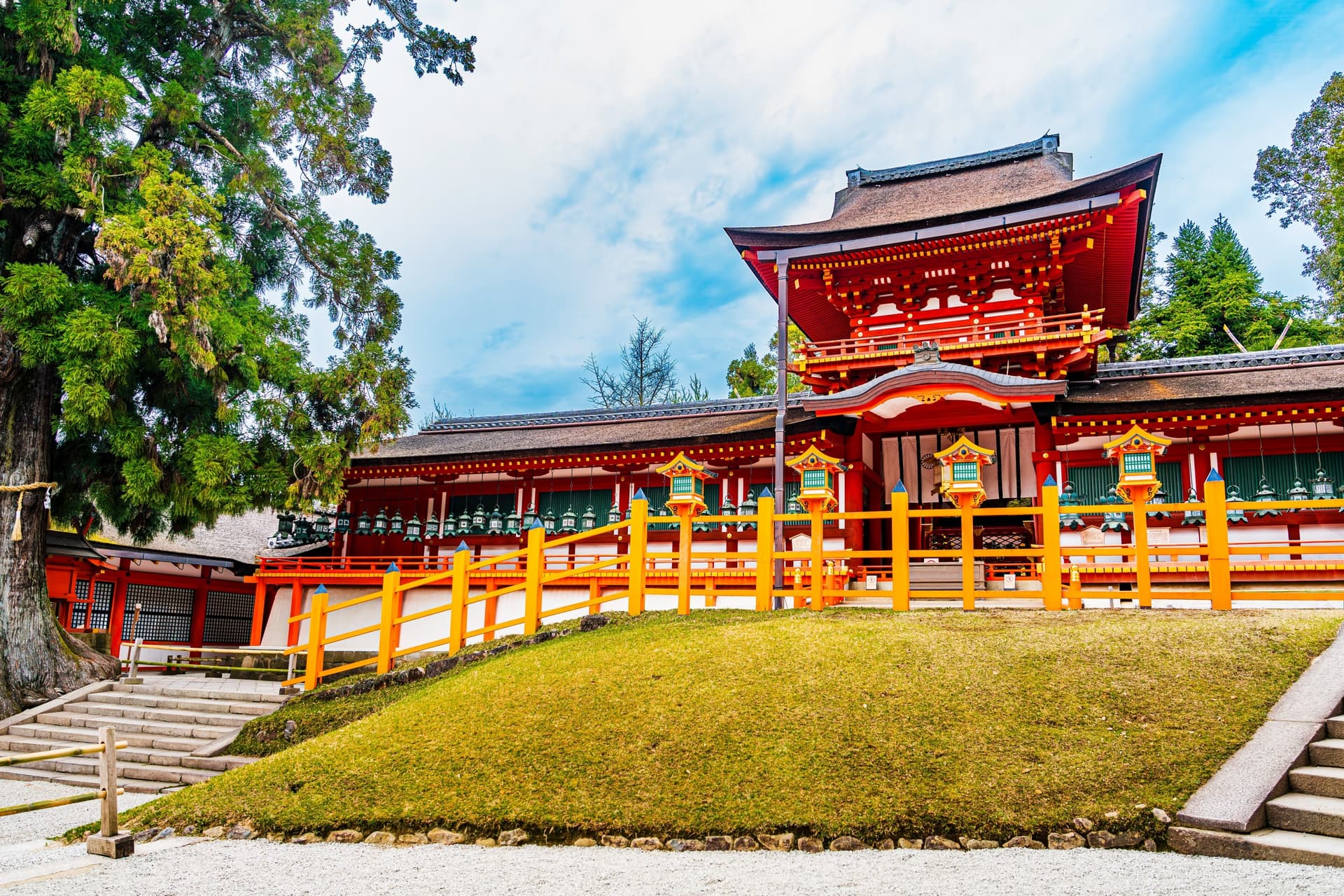
On the slopes of Mount Mikasa in Nara, Kasuga Taisha showcases vermilion pavilions and 3,000 lanterns nestled within a UNESCO-protected sacred forest.
Kamishikimi
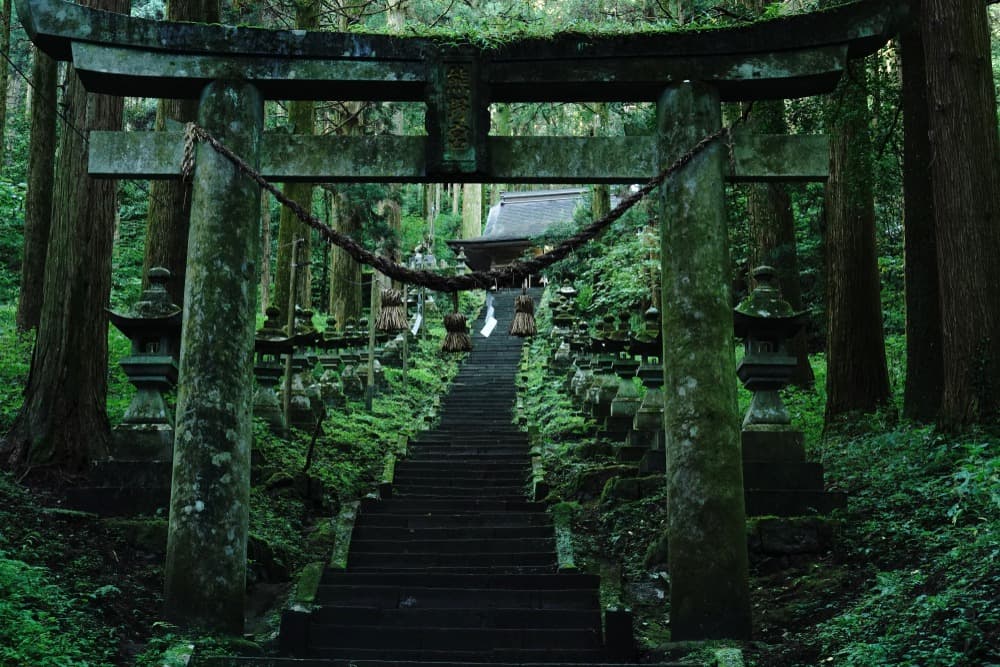
Shinto sanctuary nestled in a cedar forest at Takamori, near Mount Aso: 270 steps, moss-covered torii and legendary Ugeto Iwa cave.
Ise-Jingu Shrine, the Married Rocks of Meoto-Iwa, Ago Bay's pearl farms: everything you need to visit Ise-Shima National Park in Mie Prefecture.
Le Sanctuaire D'Ise
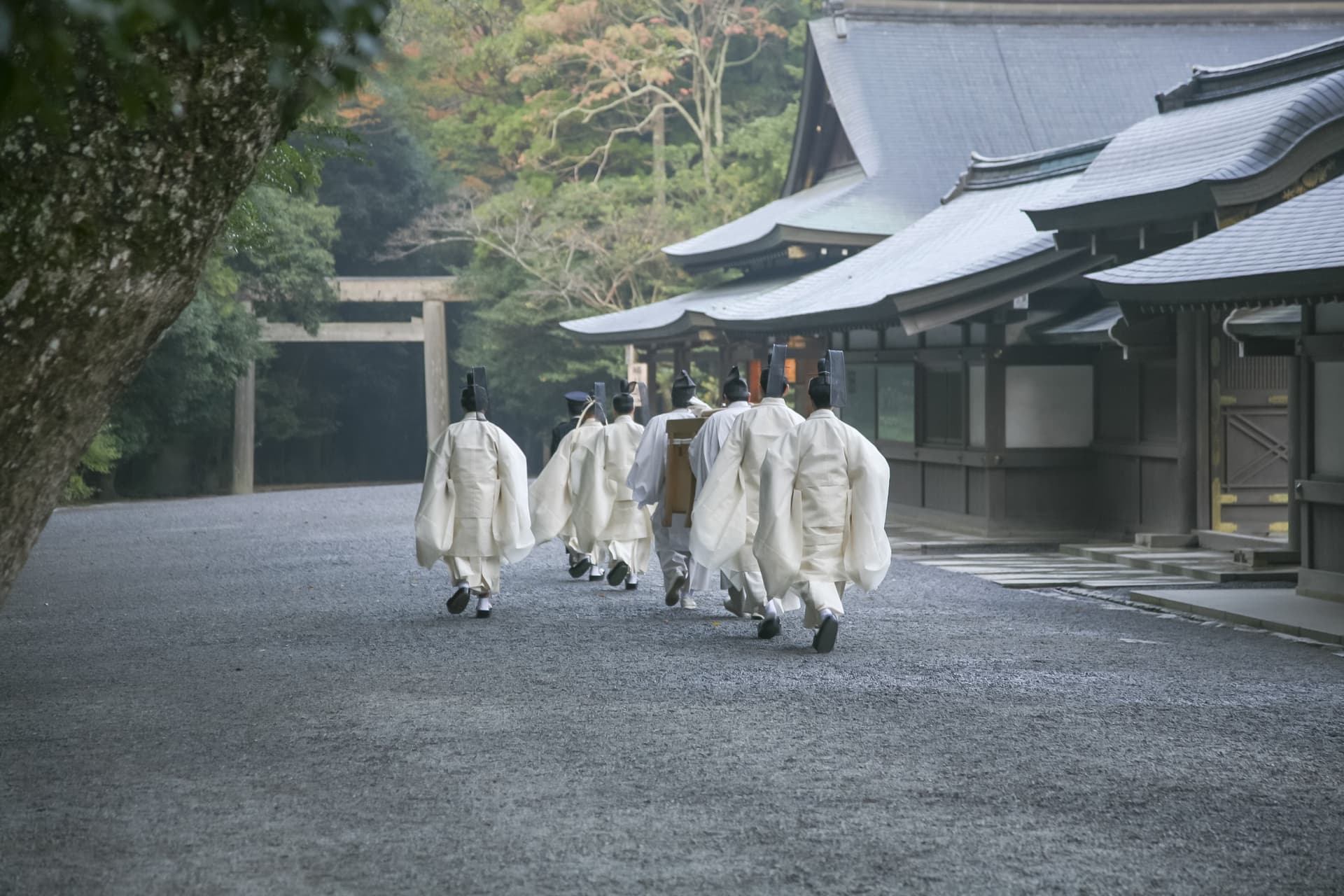
Ise Shrine (Ise-Jingū), located in Mie, is the holiest site of Japanese Shintoism. Rebuilt every twenty years, it houses the Naikū and Gekū sanctuaries.
Kyoto's most historic district, renowned for its geiko and maiko, Gion preserves cobbled streets, ochaya teahouses, temples and one of Japan's oldest festivals.
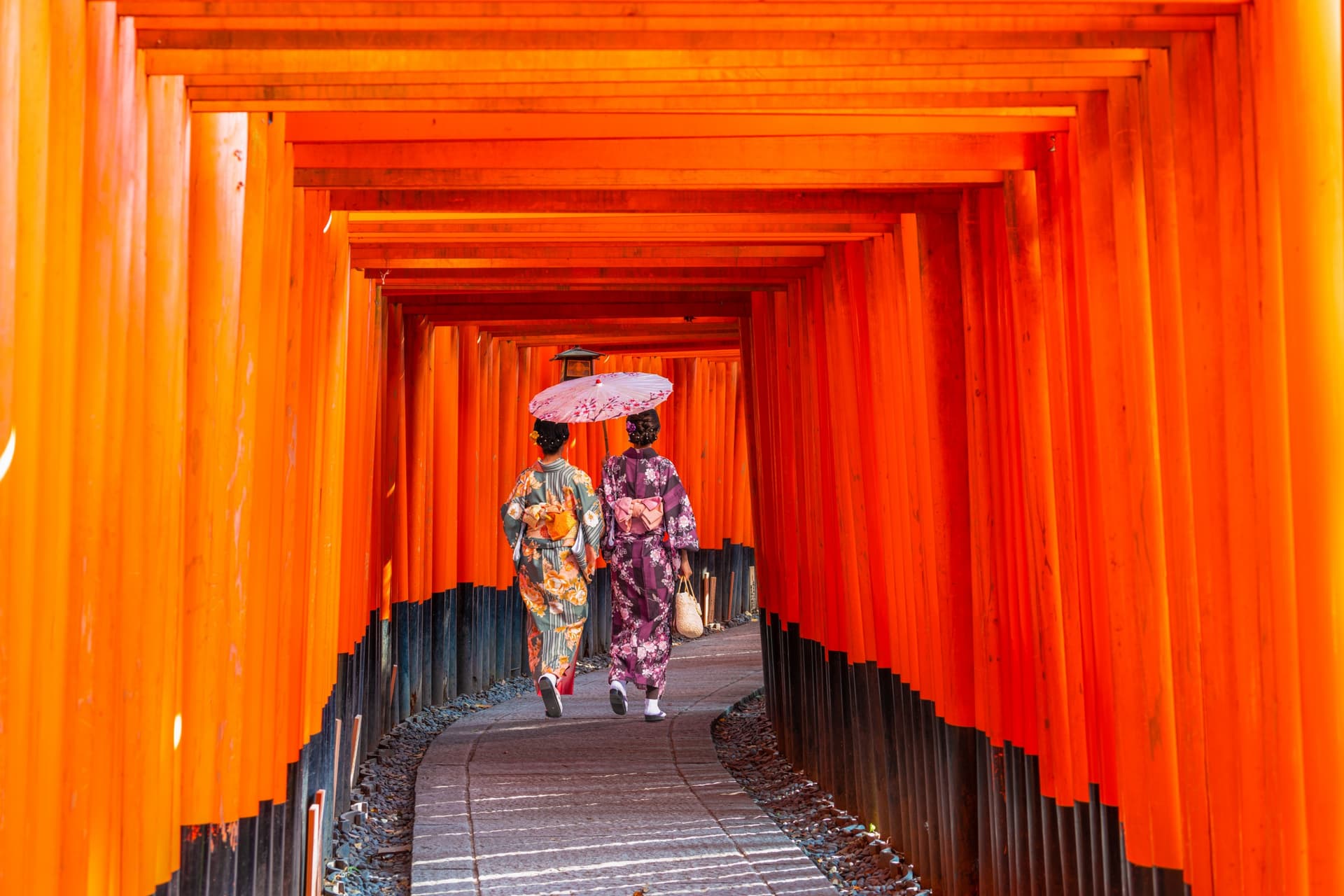
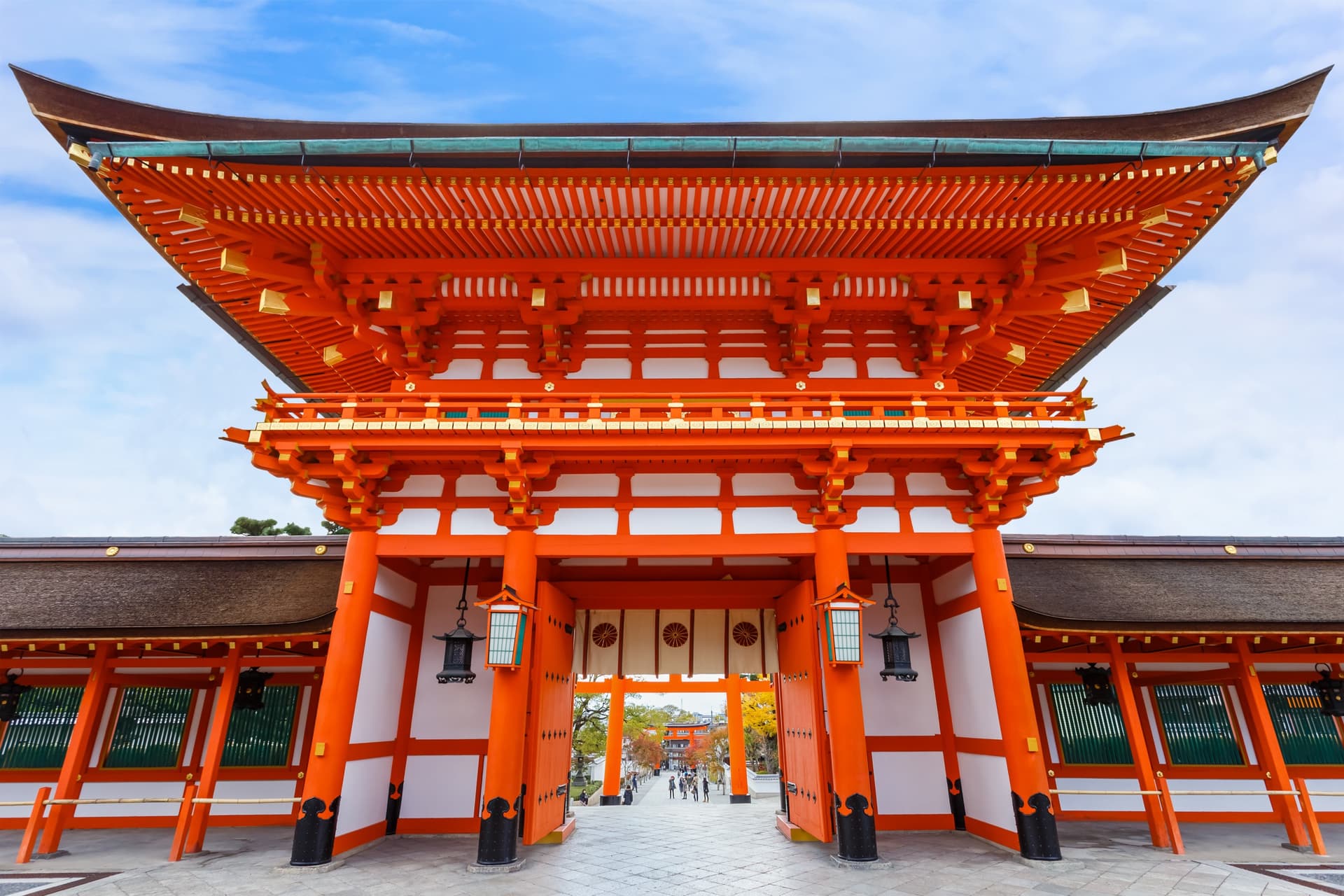
Shinto shrine founded in 711 southeast of Kyoto, famous for its thousands of vermillion torii gates climbing to Mount Inari at 233 meters altitude.
Nicknamed the sanctuary of ten thousand torii, Fushimi Inari-taisha lines its vermillion gates along the forested slope southeast of Kyoto.
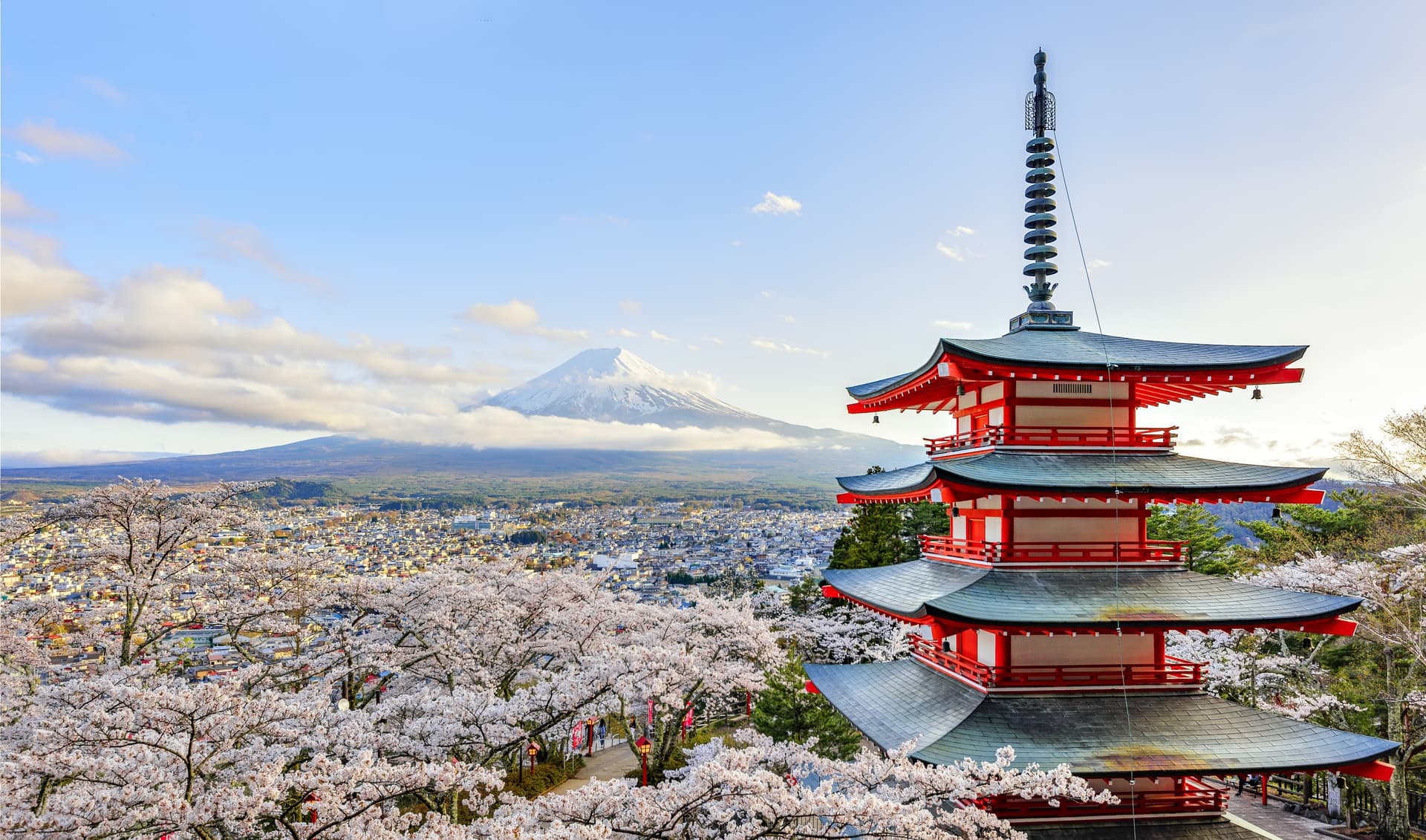
A stratovolcano rising to 3,776 meters and inscribed on the UNESCO World Heritage List, Mount Fuji can be climbed in summer and admired year-round from the lakes and Chureito Pagoda.
Dewa Sanzan
Three sacred mountains south of Tsuruoka: Haguro, Gassan and Yudono, a major centre of Shugendo, blending a national treasure pagoda, shrines and high-altitude hikes.
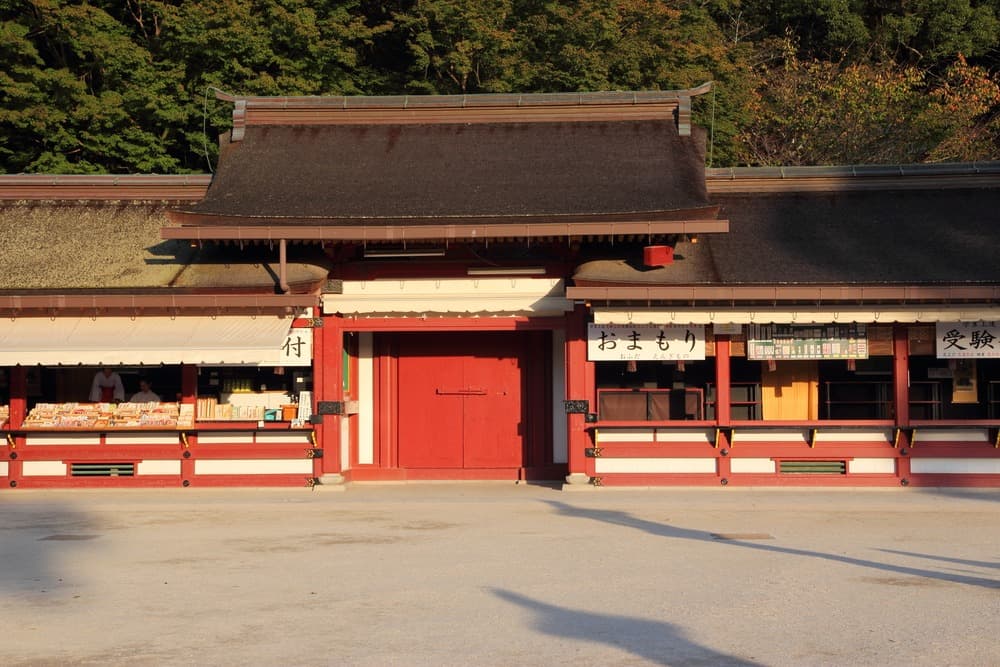
Sanctuaire Dazaifu Temmangu
A Shinto sanctuary founded on the tomb of Sugawara no Michizane, Dazaifu Tenmangu brings together plum blossoms, festivals and museums just 30 minutes from Fukuoka.
Nara
A former imperial capital, Nara is home to 8 UNESCO sites, 1,200 sacred deer, and the world's largest wooden temple. Complete guide to visiting the city.
Miyajima
Just 50 minutes from Hiroshima, Miyajima offers a floating torii gate, Mount Misen, and free-roaming deer. Our complete guide for a successful visit.
18 of 21 results
We use cookies to improve your experience and measure our site's audience. You can choose what you accept. Learn more.