24 articles to prepare your trip
Shukubô are lodgings attached to Japanese Buddhist temples. An immersive night between futon, vegetarian cuisine and zen gardens.
Yamadera
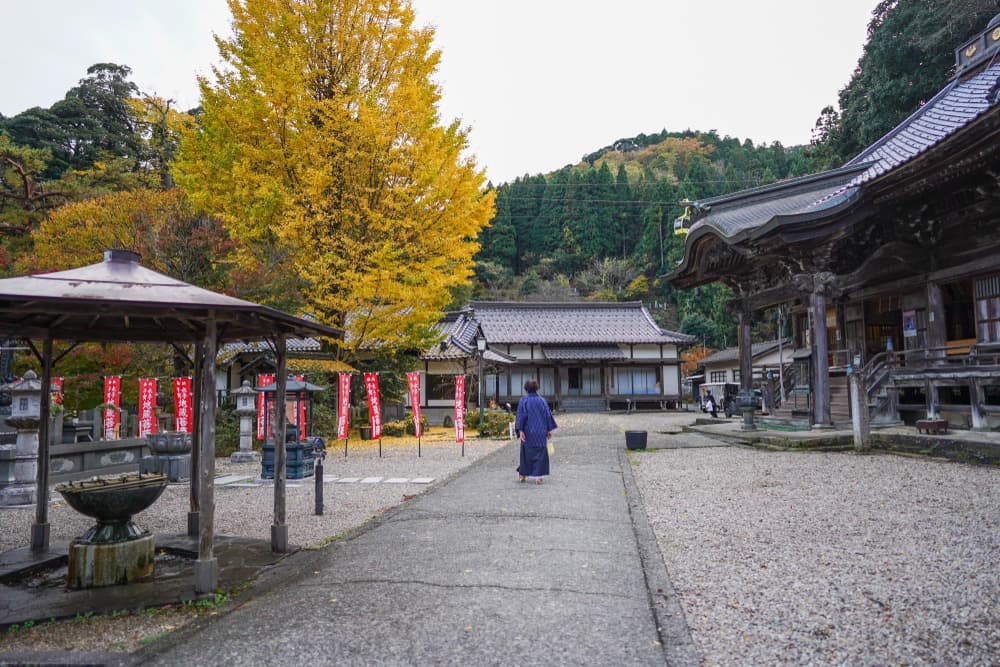
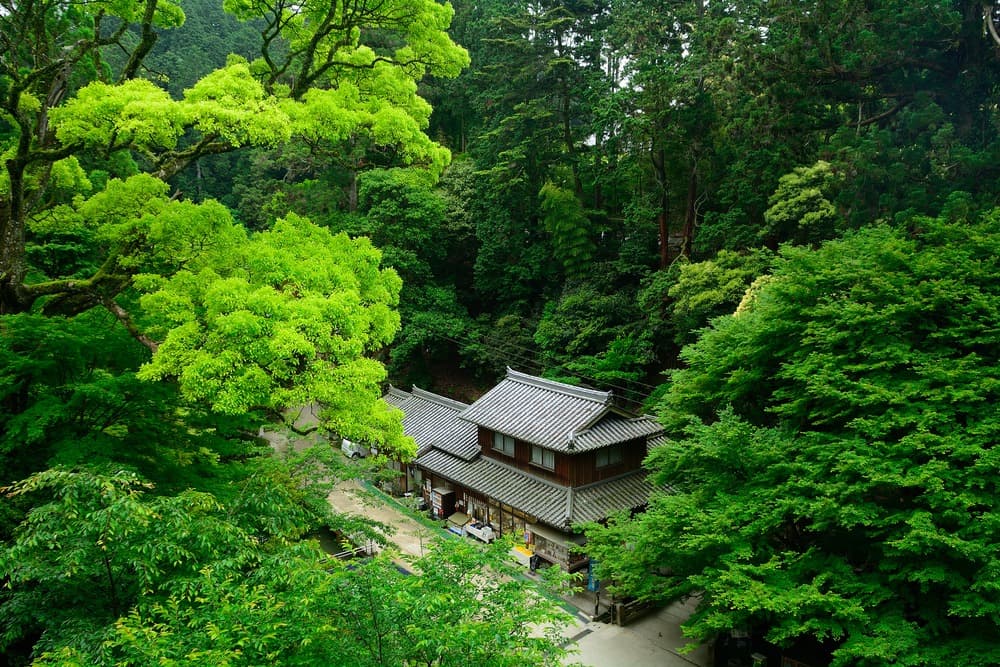
A Buddhist temple founded in 860 on a mountainside near Yamagata, Yamadera rewards visitors with 1,000 steps leading to pavilions clinging to the cliff face.
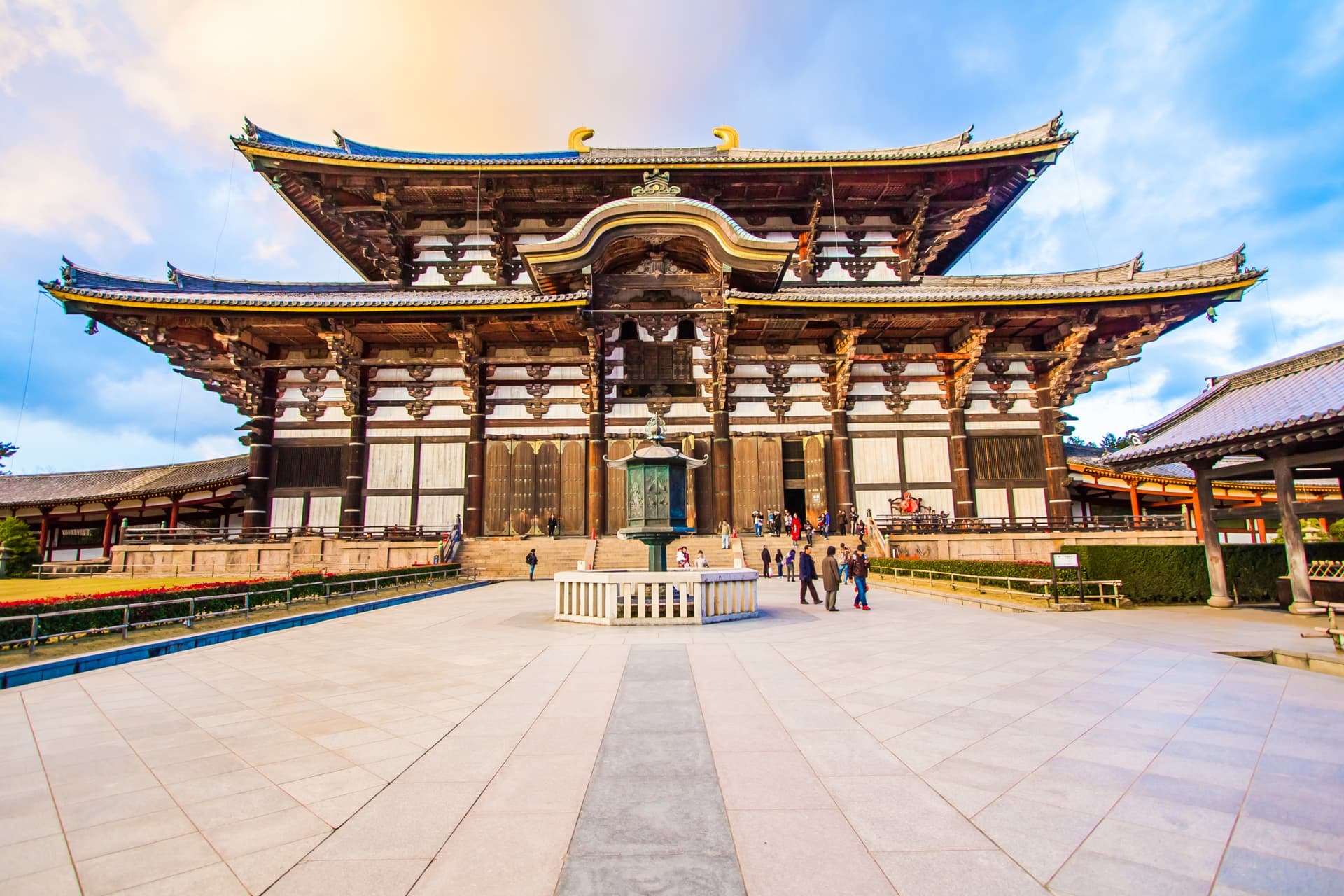
A UNESCO World Heritage site, Tōdai-ji in Nara houses the Daibutsu-den, the world's largest wooden structure, and a monumental bronze statue of Buddha Vairocana.
Temple Rinno
Founded in 766 at the foot of Mount Nantai, Rinno-ji houses three monumental golden Buddhas and the mausoleum of shogun Iemitsu Tokugawa, a UNESCO World Heritage site.
Founded in 738, Osenji Temple overlooks the thermal village of Kinosaki Onsen from Mount Daishi and preserves the spiritual memory of the seven hot springs.
Temple Nanzen
At the foot of the Higashiyama hills, Nanzen-ji ranks among Kyoto's five great Zen temples. The Sanmon gate, dry garden, and red aqueduct stand as its architectural masterpieces.
Kongobu
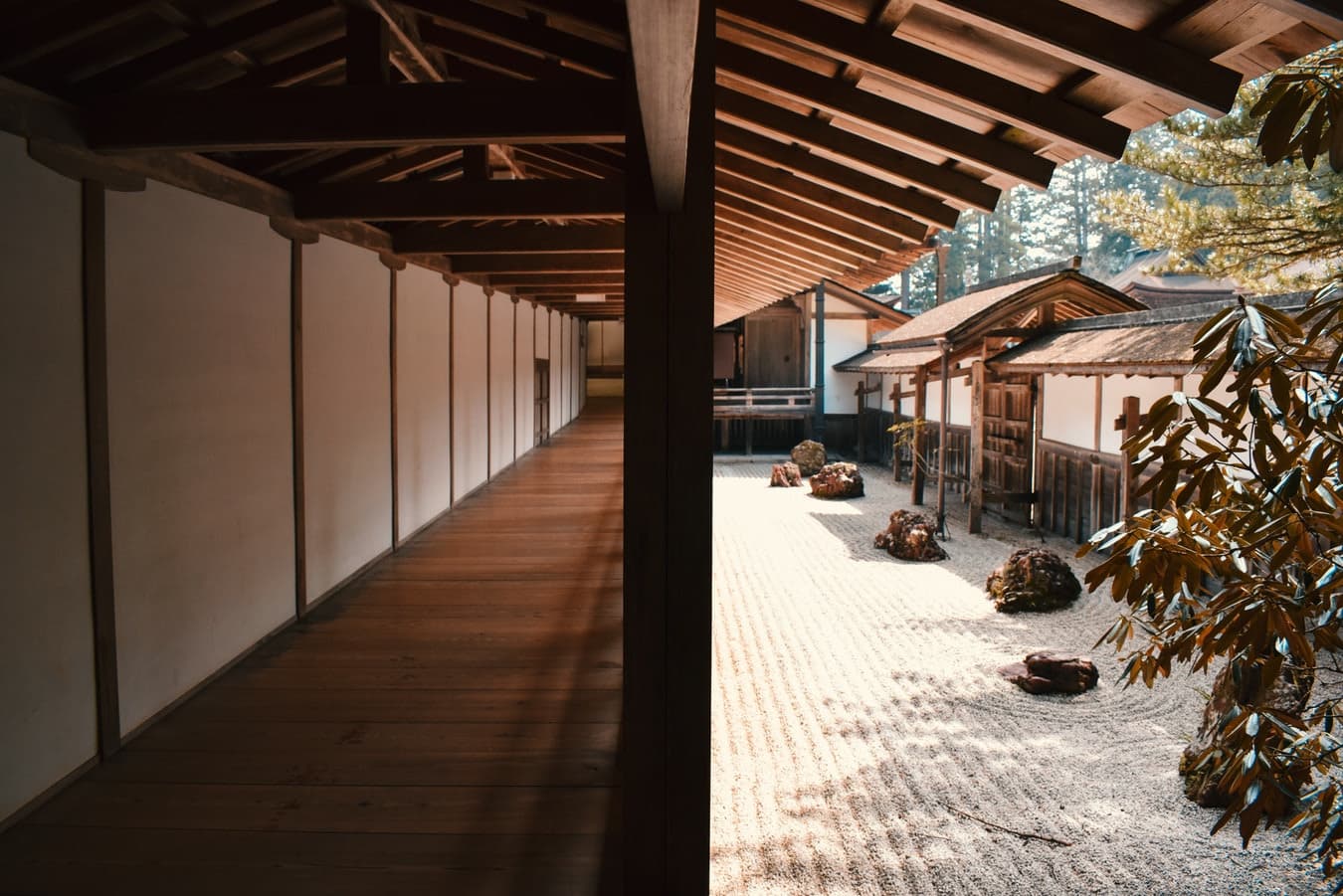
Administrative center of the Shingon Buddhist school at Mount Kōya, Kongōbu-ji is home to the Banryū-tei, Japan's largest dry garden, and UNESCO-listed heritage.
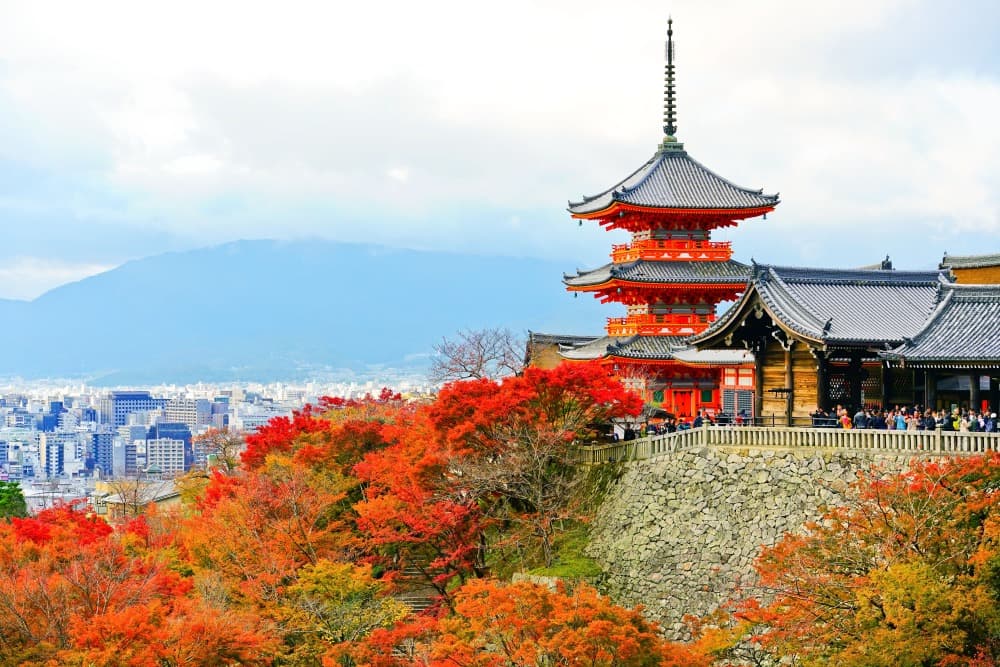
Nestled against the Higashiyama hills, Kiyomizu-dera overlooks Kyoto from its wooden terrace built without nails. History, sites to see and visiting advice.
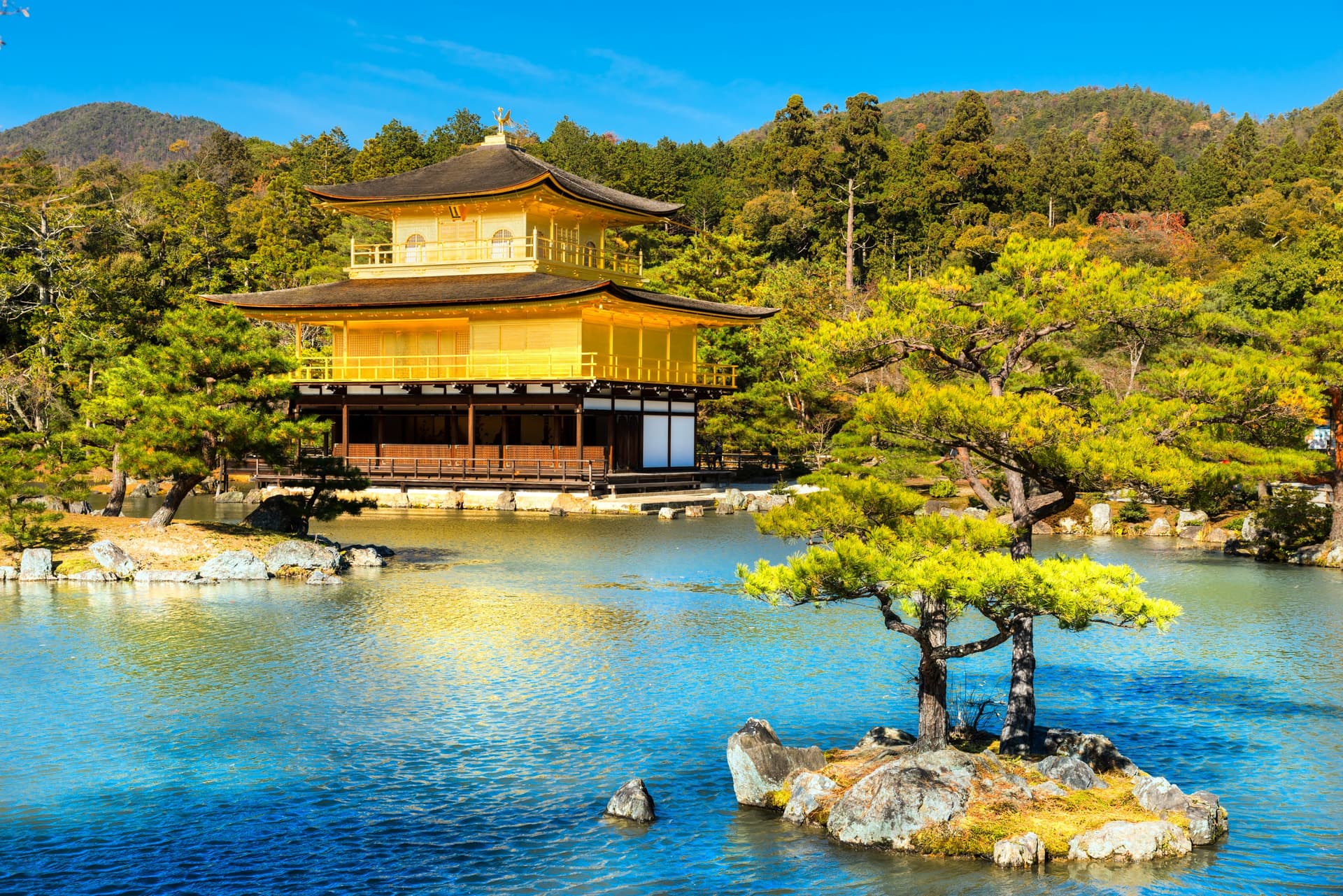
A Zen temple covered in gold leaf in north-west Kyoto, Kinkaku-ji combines unique architecture, strolling gardens and a turbulent history.
Kamishikimi
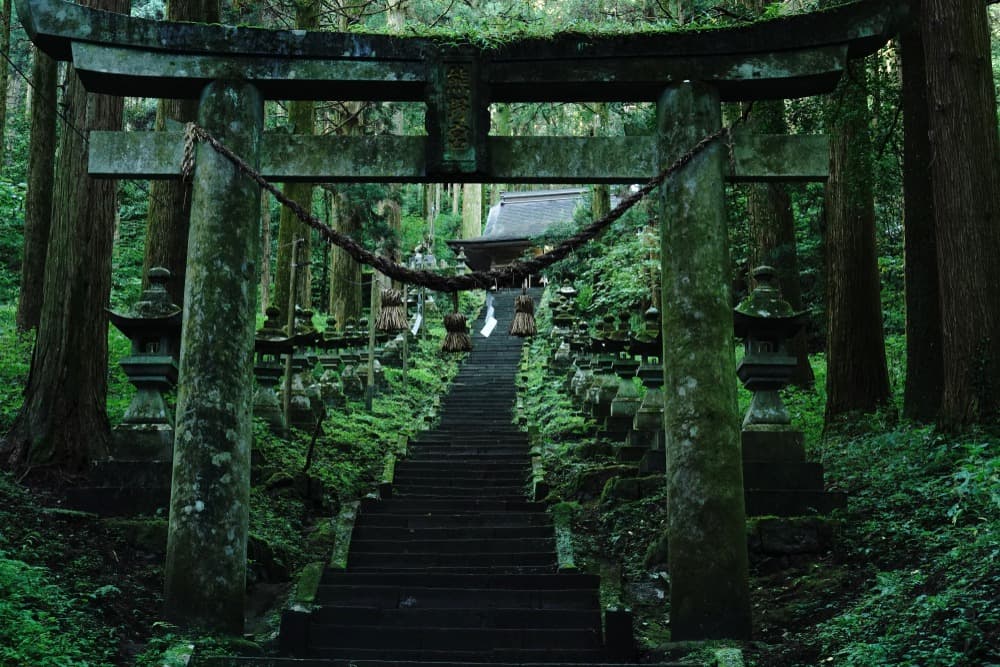
Shinto sanctuary nestled in a cedar forest at Takamori, near Mount Aso: 270 steps, moss-covered torii and legendary Ugeto Iwa cave.
Ise-Jingu Shrine, the Married Rocks of Meoto-Iwa, Ago Bay's pearl farms: everything you need to visit Ise-Shima National Park in Mie Prefecture.
Le Sanctuaire D'Ise
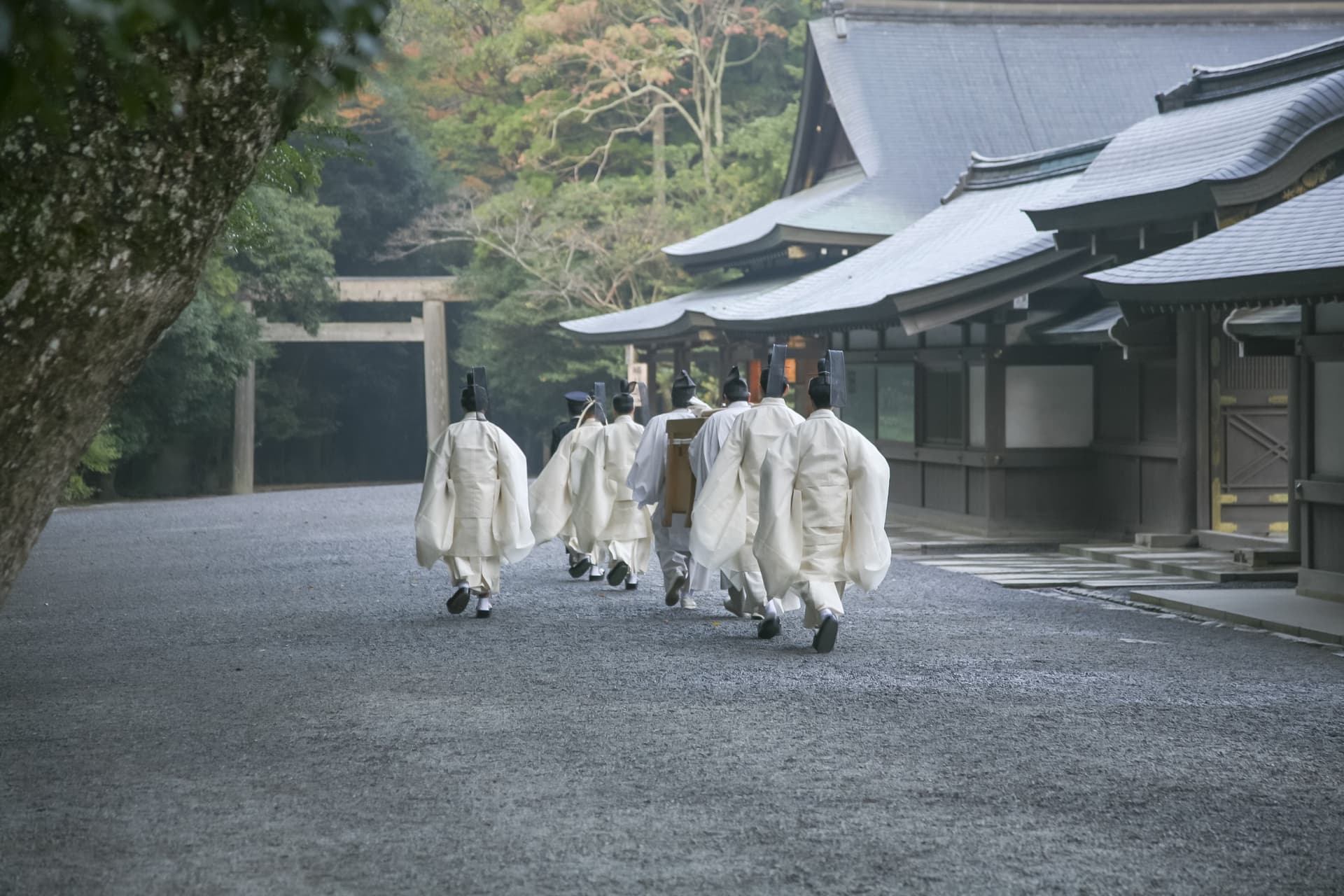
Ise Shrine (Ise-Jingū), located in Mie, is the holiest site of Japanese Shintoism. Rebuilt every twenty years, it houses the Naikū and Gekū sanctuaries.
Le Temple Hase
Perched above Kamakura, Hase-dera Temple houses a 9.18-meter Kannon statue, a carved cave, and sweeping views over the bay.
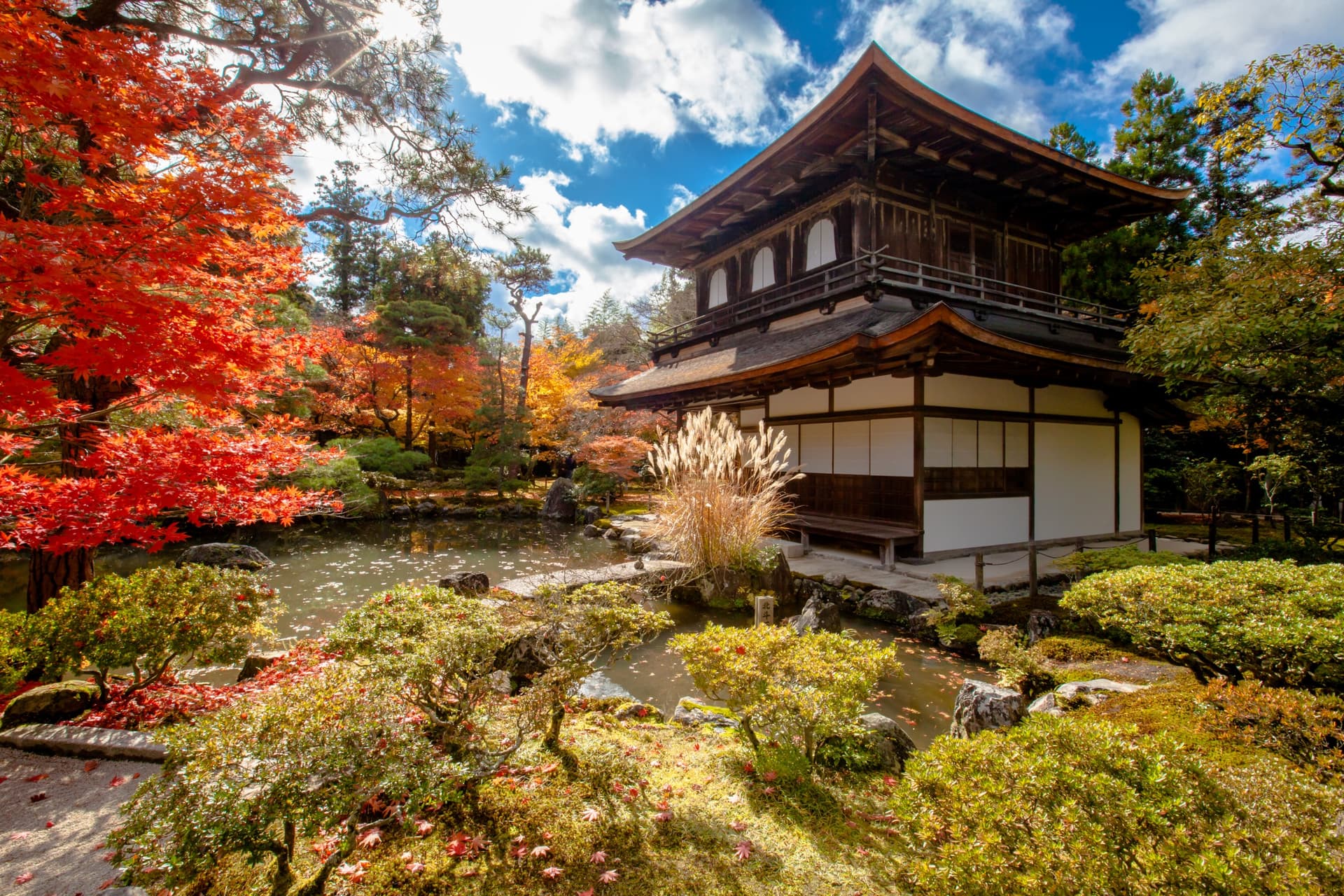
A Zen temple in Kyoto's Higashiyama district, Ginkaku-ji embodies the wabi-sabi aesthetic through its wooden pavilion and landscaped gardens.
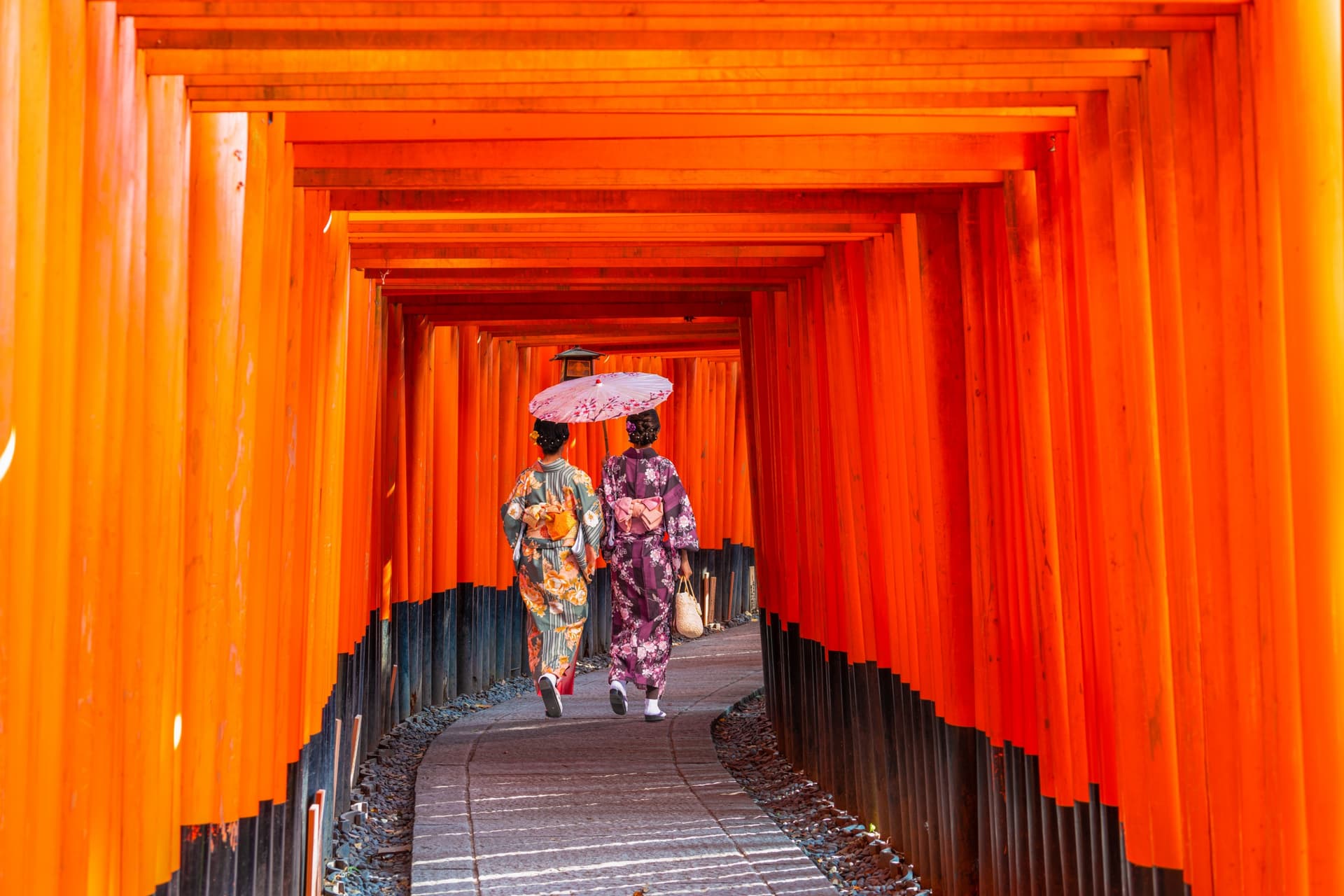
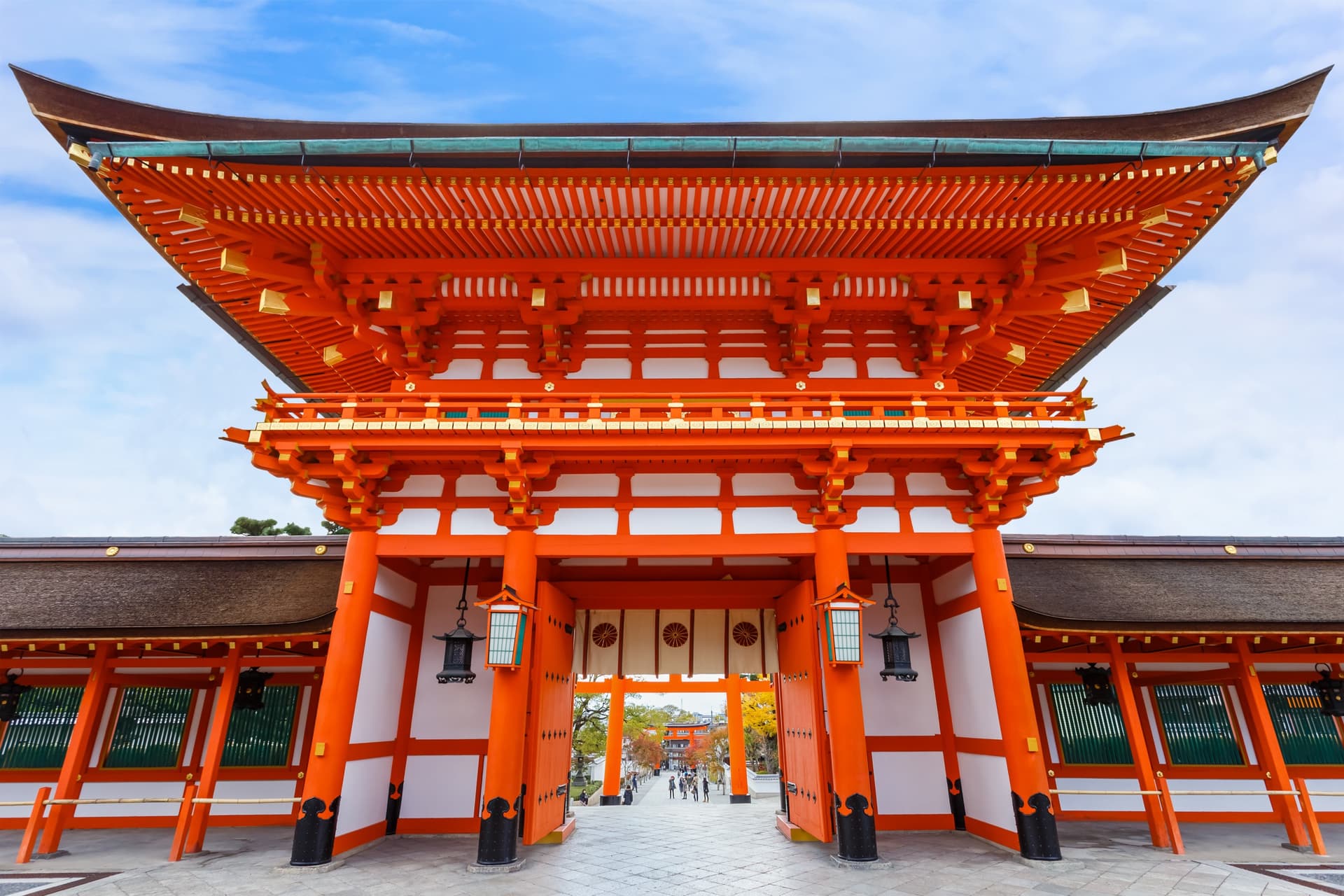
Shinto shrine founded in 711 southeast of Kyoto, famous for its thousands of vermillion torii gates climbing to Mount Inari at 233 meters altitude.
Nicknamed the sanctuary of ten thousand torii, Fushimi Inari-taisha lines its vermillion gates along the forested slope southeast of Kyoto.
Temple Engyo
Tenth-century Buddhist temple perched on Mount Shosha in Himeji, a stage on the Saigoku Kannon pilgrimage and backdrop for The Last Samurai.
Temple Eihei
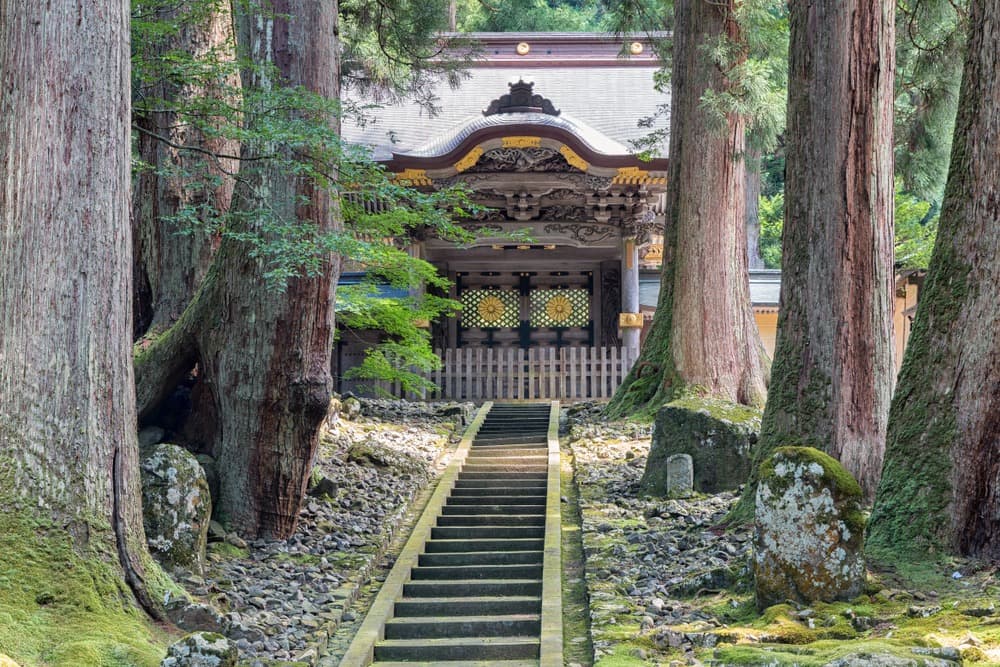
30 minutes from Fukui, Eihei-ji is one of two seats of Japanese Soto Zen: 70 buildings nestled in an ancient cedar forest with zazen initiation programs.
18 of 24 results
We use cookies to improve your experience and measure our site's audience. You can choose what you accept. Learn more.