Japan's Flora
With approximately 4,500 endemic plant species, Japan's flora offers remarkable diversity (3,950 angiosperms, 40 gymnosperms, 500 ferns). About 1,600 angiosperms and gymnosperms originate from Japon.
With approximately 4,500 endemic plant species, Japan's flora offers remarkable diversity (3,950 angiosperms, 40 gymnosperms, 500 ferns). About 1,600 angiosperms and gymnosperms are indeed native to Japon.
Stretching over 3,500 kilometers from north to south, the Japanese archipelago encompasses a wide range of climates, explaining the significant number of plant species found there. Abundant rainfall combined with a temperate climate accounts for the richness of the flora, and the fact that 70% of Japon is covered in forests with foliage that changes color throughout the seasons.
Plants are distributed across five zones that belong to the temperate zone of East Asia:
- A subtropical zone, including the Ryukyu and Ogasawara archipelagos;
- A zone with high temperatures featuring arboreal forest covering most of southern Honshu, Shikoku, and Kyushu, characterized by trees with broad, persistent leaves—specifically two species of oak, shii and kashi;
- A warm zone with broad-leafed deciduous forest covering central and northern Honshu and southern Hokkaido, home to Japanese beech and other common varieties;
- A subalpine zone encompassing central and northern Hokkaido, with representative plants including Sakhalin fir and Yesso spruce;
- An alpine zone in the highlands of central Honshu and central Hokkaido, characterized by alpine species such as komakusa (Dicentra peregrina).
Plants Characteristic of Japon
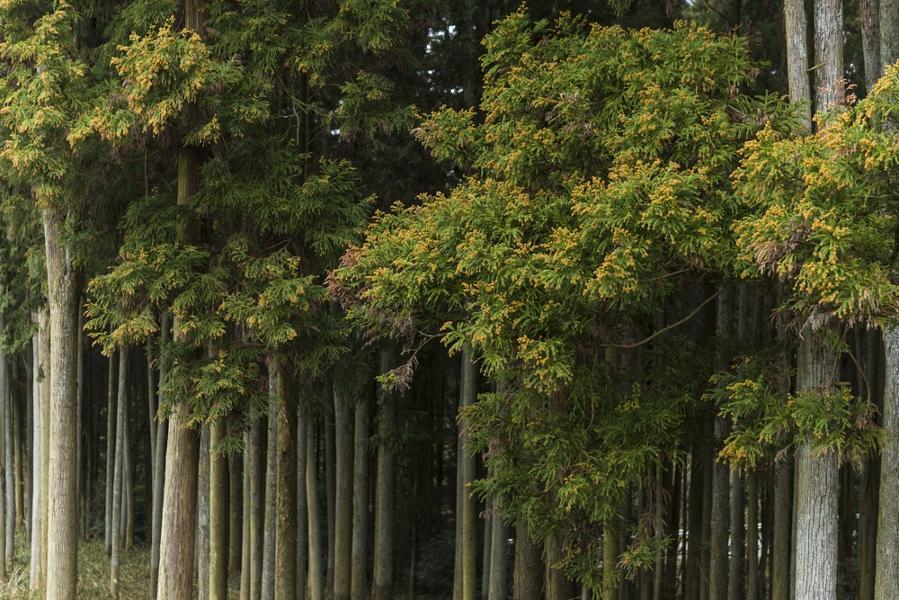
Matsu and sugi—the Japanese pine and cedar respectively—are found throughout the Japanese archipelago, even in warm southern regions, and hold a cherished place in Japanese culture.
Pines often enhance the beauty of landscapes, as at Amanohashidate in Kyoto Prefecture, where over 6,000 pines line a sandy shore. Large pines, reaching heights of up to 40 meters, also serve as windbreaks in coastal regions. Smaller pine species are cultivated as bonsai, ornamental plants, and used as building and furniture materials.
Pines are also regarded as sacred species. In ancient times, people approached nature with reverence, viewing plants and trees as vessels for divine spirits. It was customary to venerate evergreen trees such as pine, cedar, and cypress, believed to house divinities sent from heaven. The tradition still observed today of decorating house entrances with bamboo branches—kadomatsu, literally "pine gate"—at New Year stems from this belief about the proper way to welcome the gods.
Flora in the Daily Life of Japanese People
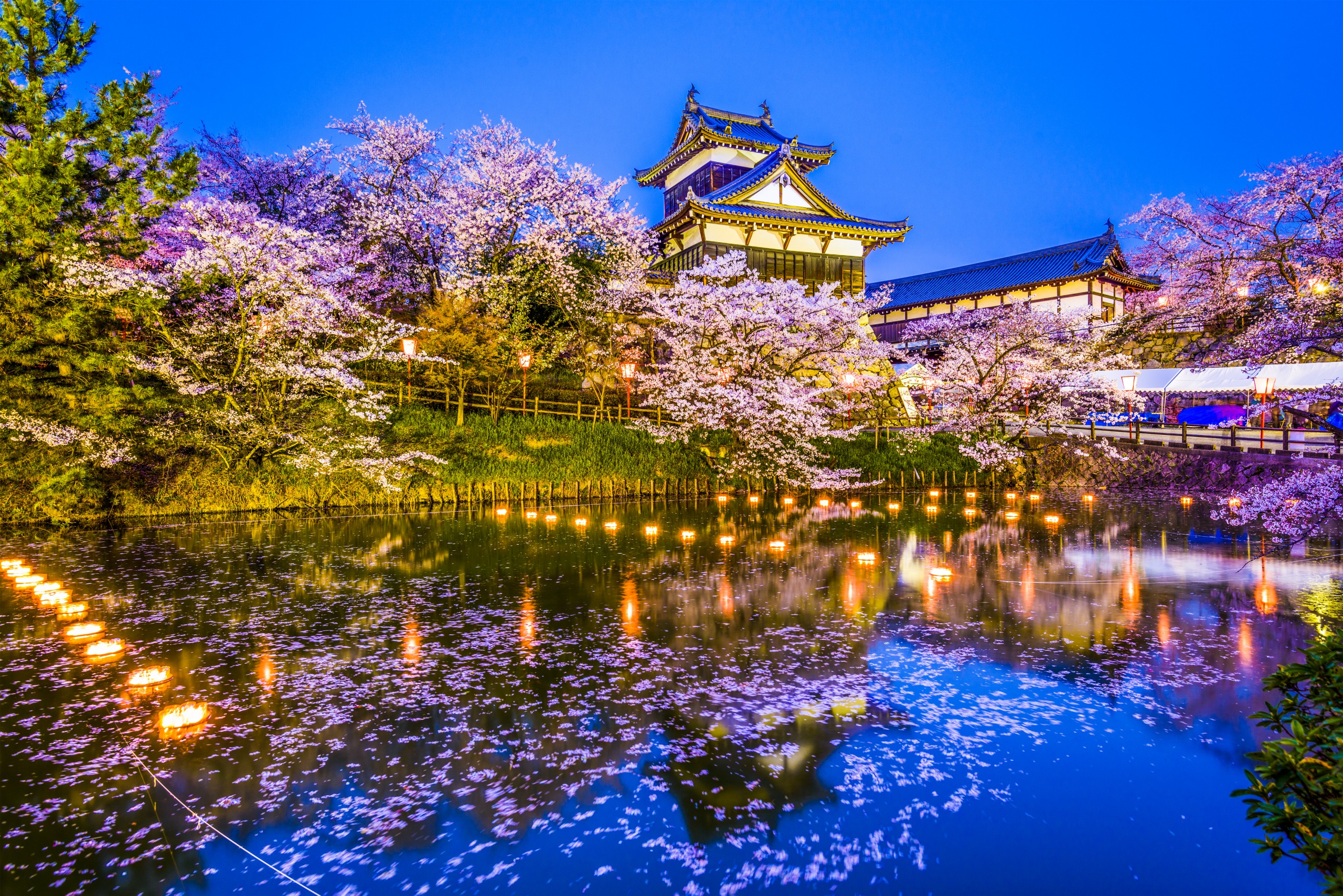
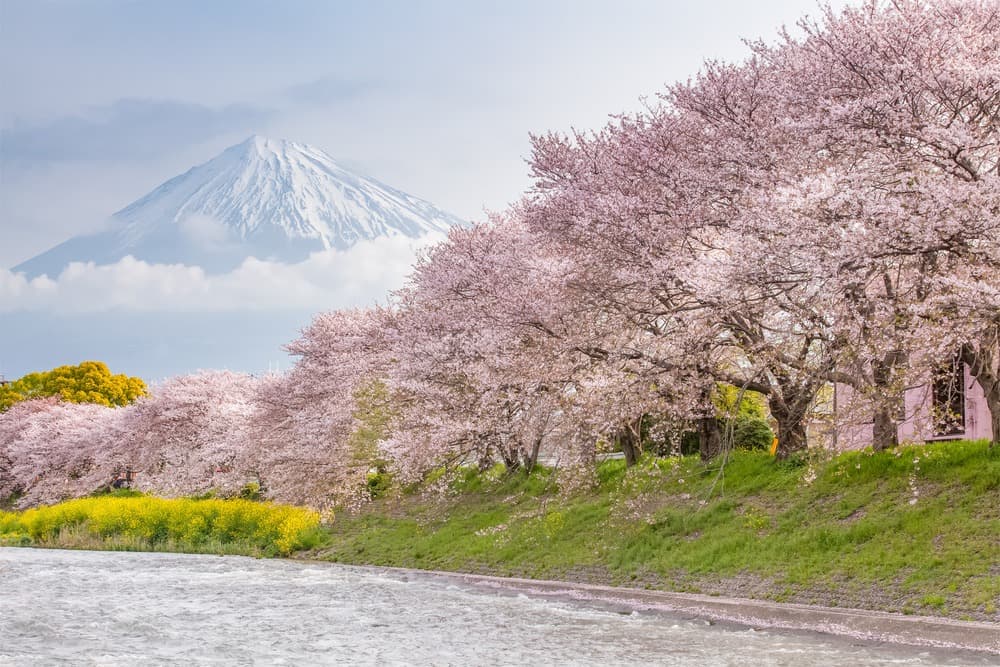
If one plant epitomizes Japon, it is the sakura (cherry blossom). Originating in Japon, sakura has been the most beloved plant of the Japanese since antiquity. Modern Japanese welcome the blossoming of cherry trees in spring as an opportunity for hanami (gatherings to admire flowering cherries), and many occasions, from school and corporate inaugurations to seasonal celebrations, take place during this season. Weather forecasts on television and in print media track the advance of the "cherry blossom front" as it progresses northward from Okinawa to the tip of Hokkaido.
The spectacular transformation of foliage colors in autumn offers another occasion to appreciate nature. It is said that in earlier times hundreds of people danced and made music beneath the trees, but today Japanese city dwellers rush by the thousands, by car or train, in search of autumn colors, particularly the brilliant reds of Japanese maples.
The Health of Flora in Modern Japon
In today's industrialized Japon, plants no longer hold the same representation or importance they once did. Following numerous abuses of nature, careless tree felling, and increased pollution, many people recognized the need to preserve and rehabilitate their natural environment. According to a 1991 survey by the Environmental Agency, 35 species were classified as endangered, 147 as threatened, and 678 as vulnerable. Among threatened species are fujibakama (Eupatorium japonicum), atsumorisou (Cypripedium macranthum), and marimo (Cladophora aegagropila). Plants beloved by the Japanese, such as sakurasou (Primula sieboldii) and murasaki (Lithospermum officinale), fall into the vulnerable species category.