The Craft of Sake Brewing
For master brewers (tôji), producing exceptional sake relies on three fundamental principles: craftsmanship (waza), water quality (mizu), and rice quality (kome). Yet several ingredients play a crucial role in the brewing process.
For master brewers (tôji), the production of exceptional sake relies on three fundamental principles: craftsmanship (waza), water quality (mizu), and rice quality (kome). Yet several ingredients play a crucial role in the brewing process, which we'll explore here.
The Rice
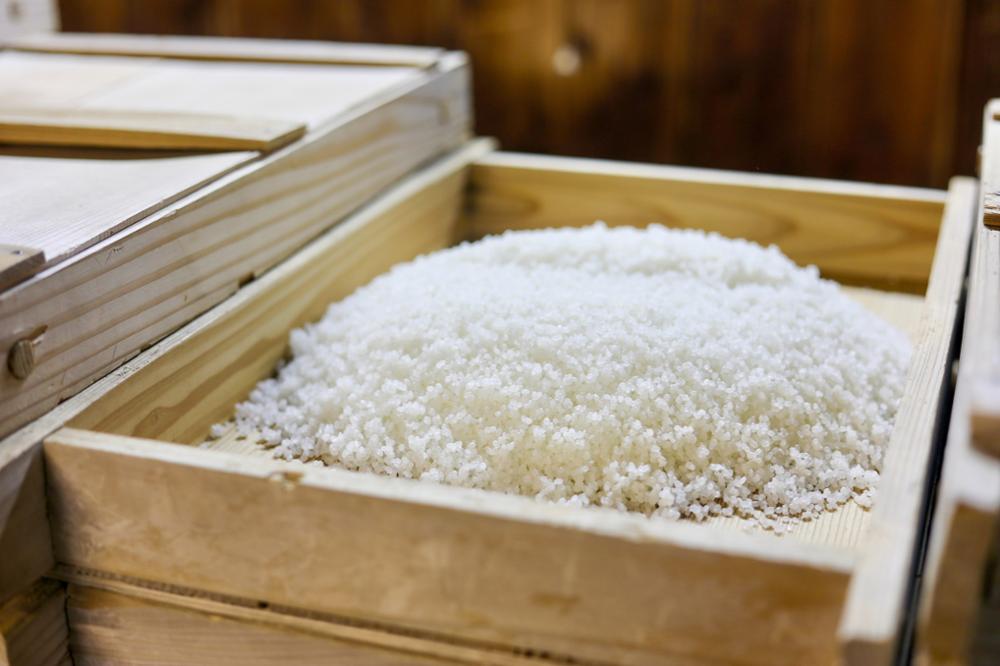
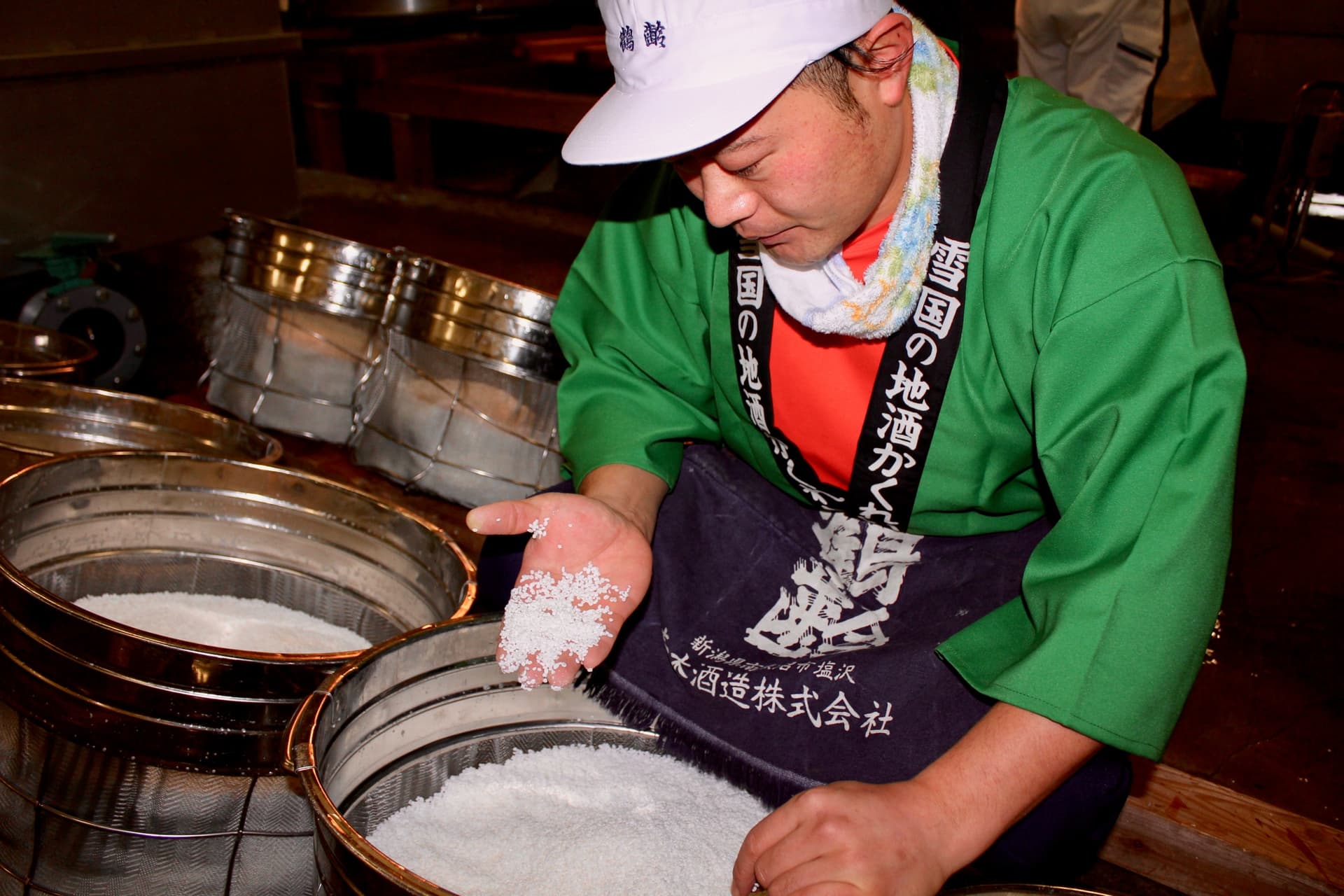
The quality of sake depends directly on the type of rice used. In Japan, Tôji brewers use shuzokutekimai (or Sakamai, the popular term meaning sake-brewing rice), a rice with high starch concentration, distinct from table rice (Shokumai). Several varieties exist, each with distinct flavor characteristics: Gohyakumangoku, Yamadanishiki, Miyamanishiki...
This rice is approximately 25% larger than Shokumai and heavier. At its core (the Shinpaku), lies the starch essential for sake production. Starch consists of glucose molecules bound together, which must be separated to enable fermentation.
Rice is harvested in autumn. It is then polished, washed, soaked, and steamed before the fermentation process, which occurs during winter, begins. The degree of rice polishing (seimaibuai) determines the quality of sake. It should fall between 40 and 70%—the more polished the rice, the superior the sake.
The Water
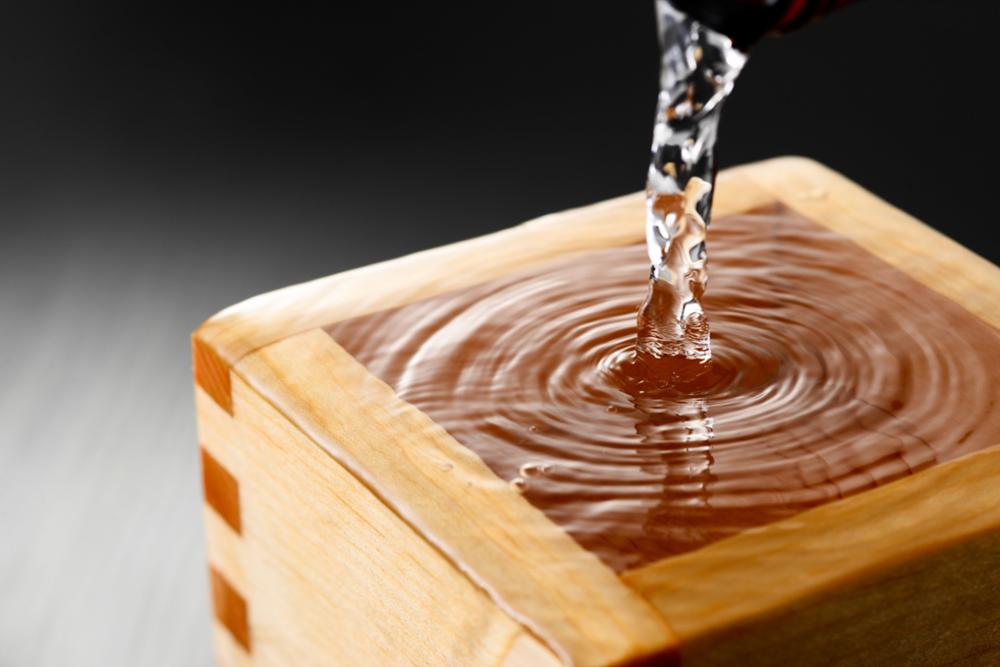
Water is essential in sake production, comprising 80% of the finished product. Breweries source water from natural underground springs, and the finest establishments are always located near exceptional water sources, such as those found in Fushimi (Kyoto Prefecture) and Nada (Hyogo Prefecture).
Hard water (Kosui), rich in potassium and phosphorus, produces sake with rich, lingering aromas, while softer water (Nansui) yields sake that is lighter and more delicate.
Conversely, water high in iron or manganese compromises sake quality.
Koji-Kin
Koji, scientifically known as aspergillus oryzae, is a microscopic unicellular fungus that produces spores secreting glucoamylase, an enzyme that separates starch molecules and converts them to glucose. These glucose molecules subsequently ferment and transform into alcohol through the action of yeast. This process is called saccharification.
Koji comes in powder form, available in various colors—green, yellow, or black—which the Tôji sprinkles over the rice in a dedicated room called the Kojimuro.
Yeast
As discussed in our article on the History of Sake, until the 19th century Tôji exposed fermentation vessels to open air, and fermentation occurred naturally through wild yeasts that settled in the vats.
Today, yeast cultivation and preservation (Sokujo method) has become a specialized discipline, carried out by the Tôji, the Japan Sake Brewers Association, or prefectural research institutes. These diverse yeasts behave differently during fermentation. Some resist alcohol well and produce drier sake by extending the fermentation period.
Some Tôji still use wild yeasts (Kimoto method), honoring tradition by allowing lactic acid bacteria to develop naturally.
From Rice to Sake…
During the fermentation process, which may last 18 to 32 days, rice starch is converted to glucose and then to alcohol. Once filtered and pasteurized, sake is bottled directly, with no added sulfites or other preservatives. It is then left to mature for 3 to 6 months before being marketed and consumed (it is not aged long-term).