Discovering the Izu Archipelago, Tokyo's Hidden Islands
While all travelers know the Izu Peninsula with its beaches and onsen (hot spring resorts), the chain of islands stretching south of the Japanese capital remains far less explored.
While all travelers know the Izu Peninsula with its beaches and onsen (hot spring resorts), the chain of islands stretching south of the Japanese capital remains far less explored. Yet every weekend, hordes of Tokyoites storm the ferries that connect to the Izu Archipelago. Whether hikers, divers, or swimmers, they all seek the tranquility of these small islands.
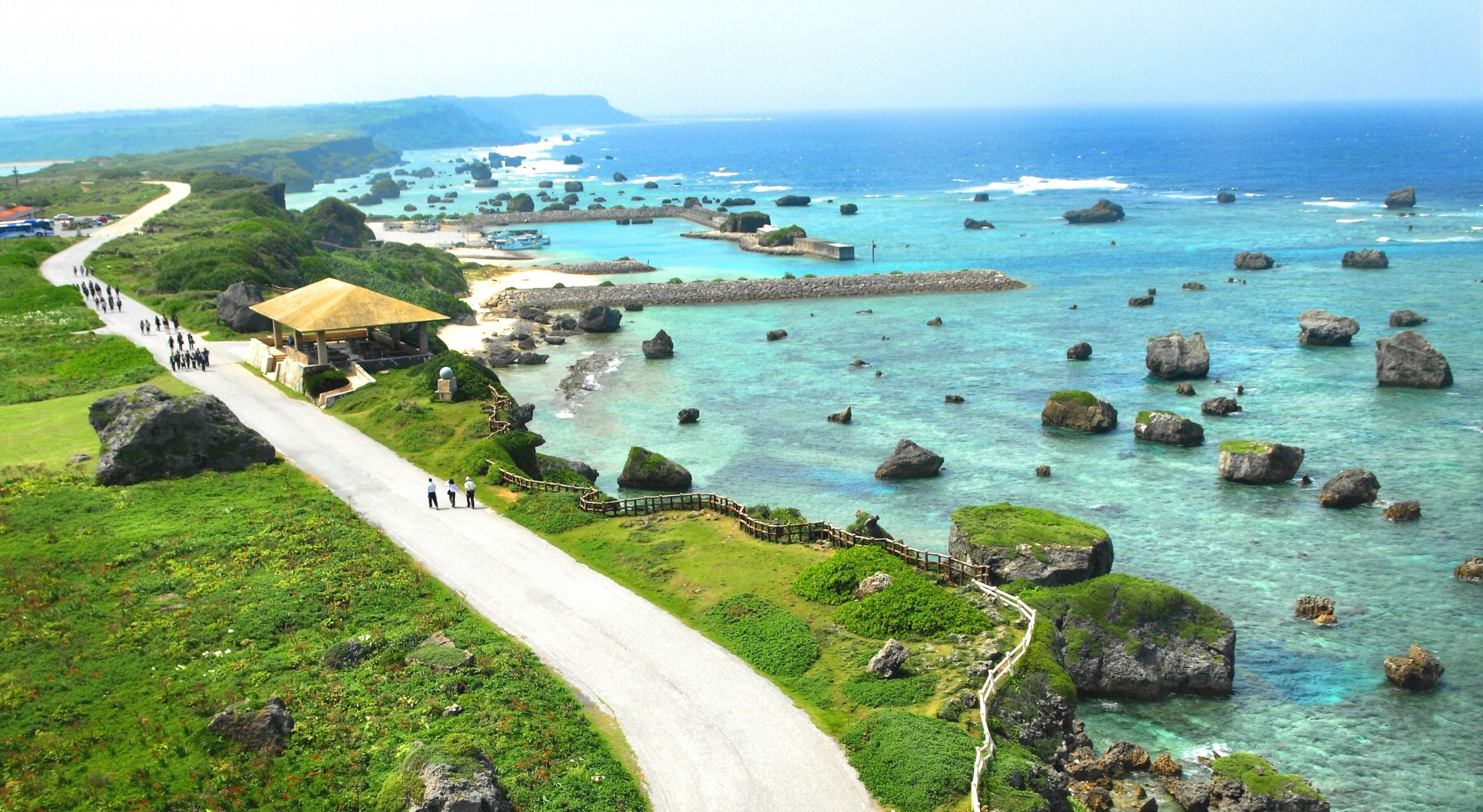
Seven islands and two volcanic islets (Ooshima, Toshima, Niijima, Shikinejima, Kozushima, Miyakejima, Mikurajima, Hachijojima, Aogashima) stretch across the waters off Tokyo. Their distance from the hustle and bustle of the city center—which they remain administratively part of—ranges from a few hours to half a day's navigation.
The largest is Ooshima (91 km²), and also the most visited due to its proximity to Tokyo. Beyond its beaches, visitors can climb the "mountain of lovers." Indeed, according to legend, it was in the crater of Mount Mihara (764m high) that ill-fated lovers are said to have taken their own lives. (1 hour 10 minutes from Tokyo by express boat, 7 hours by regular ferry, and 40 minutes by plane)
Toshima, the smallest of the Izu islands, has no beaches, but it offers a charming draw. The island is known for cultivating camellias. A must-visit during their blooming season from December to February.
Niijima is the most popular of all: its long sandy beaches have made it a dream destination for summer vacationers. Best avoided in summer unless you embrace the crowds in swimming shorts. Apart from a few attractions (like the over-the-top onsen styled as fake Greco-Roman ruins), you should try the hot sand bath (tsunaburo). The sensation of being buried alive and baked in an oven is guaranteed, though the Japanese love it. Some even say it's relaxing. (10 hours by ferry from Tokyo, 45 minutes by plane)
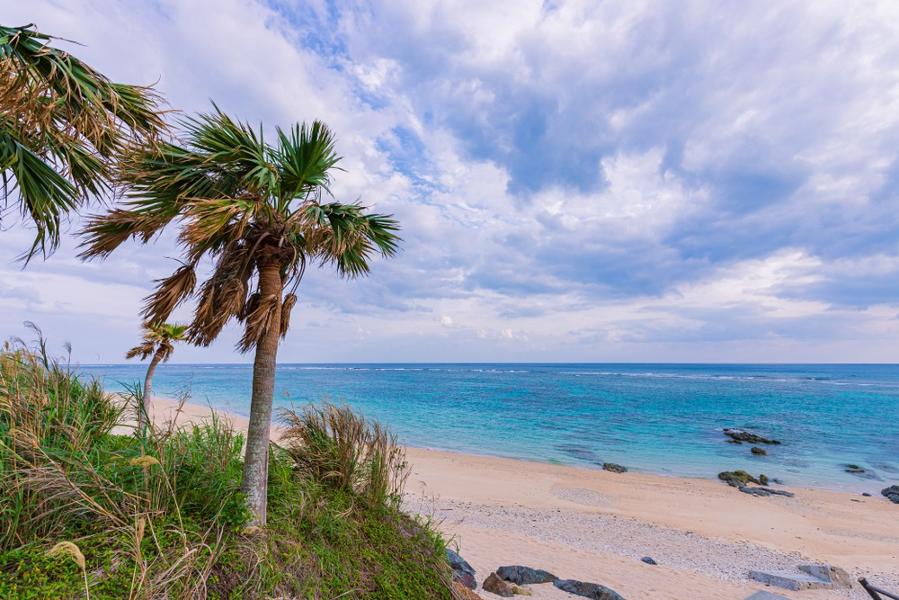
Shikinejima is located just ten minutes from Niijima. Smaller and calmer, it boasts some very beautiful beaches as well as two hot spring sources in the sea.
In 2000, the residents of Miyakejima were evacuated due to the eruption of Mount Oyama before being allowed to return 5 years later. Miyakejima is also the legendary birthplace of Godzilla. During the Edo period, it served as a place of exile for criminals.
The last inhabitants of Miyakejima were evacuated due to eruption risks that declared themselves in 2000. The volcano, however, caused no damage.
Mikurajima is a rock in the middle of the ocean much appreciated by divers and sailors for its abundant dolphins.
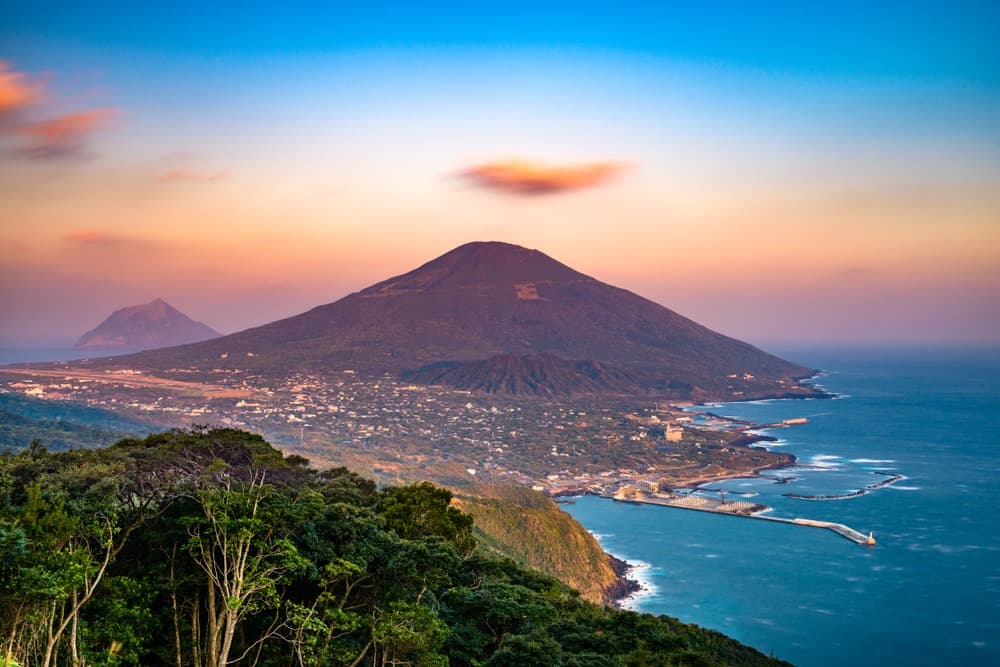
Hachijojima, finally, is dedicated to horticulture. (11 hours from Tokyo, 45 minutes by plane)
Frequently asked questions
From Tokyo, several options are available to you: ferries departing from Takeshiba Port serve the main islands in 7 to 11 hours depending on the destination, while flights from Chofu Airport allow you to reach certain islands such as Niijima or Hachijojima in just 45 minutes.
It depends on your preferences: Ooshima is ideal for a first discovery thanks to its proximity to Tokyo and its volcano. Niijima is perfect for beach lovers (avoid summer to escape the crowds). Mikurajima is a must for swimming with dolphins, and Toshima is worth a detour in winter for its blooming camellias.
Yes! Mikurajima island is renowned for its many wild dolphins and is highly sought after by divers and swimmers wishing to observe them in their natural habitat. Organized excursions are arranged from the island.
Spring (April-May) and autumn (October-November) are the best seasons to enjoy the islands with pleasant weather and fewer tourists. Summer (July-August) is peak season and popular islands like Niijima can be very crowded. Toshima is best visited from December to February for its camellia blooms.
Some islands like Miyakejima are home to active volcanoes: its inhabitants were evacuated in 2000 following the eruption of Mount Oyama. Japanese authorities continuously monitor volcanic activity and inform visitors of at-risk areas. Volcanic hiking remains possible, notably at Ooshima where you can climb Mount Mihara.