Our Japanese Islands Circuit: 7 Must-See Stops
Planning a trip to Japan and unsure which island to choose for your itinerary? Follow us! We'll introduce you to the four main islands of Japan, as well as the islands of Okinawa
Planning a trip to Japan and unsure about which island to choose for your itinerary? Follow us! We'll introduce you to the four main islands of Japan, as well as the islands of Okinawa, Tashirojima and Okunoshima, for unique stops throughout the Japanese archipelago...
Honshū: Japan's Largest Island
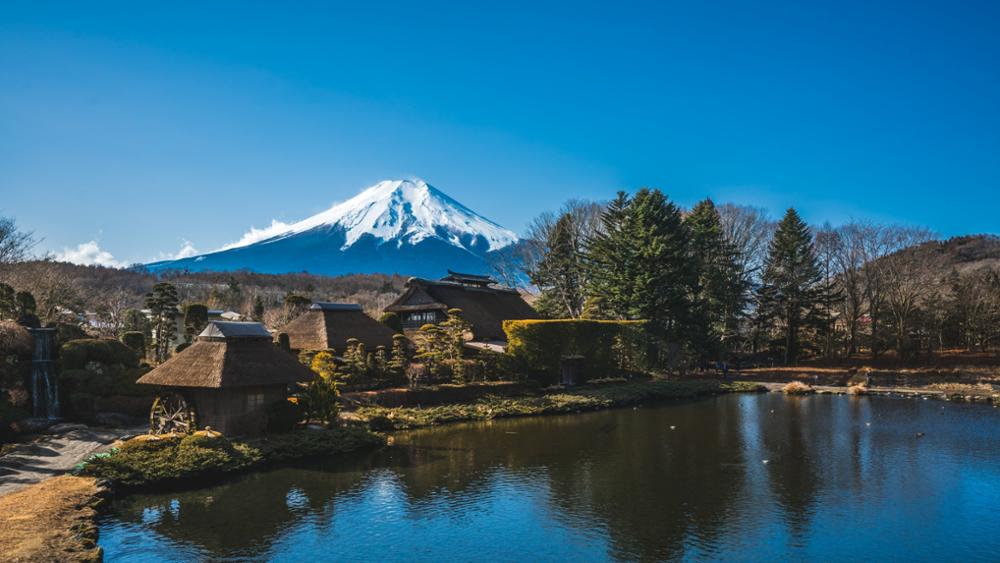
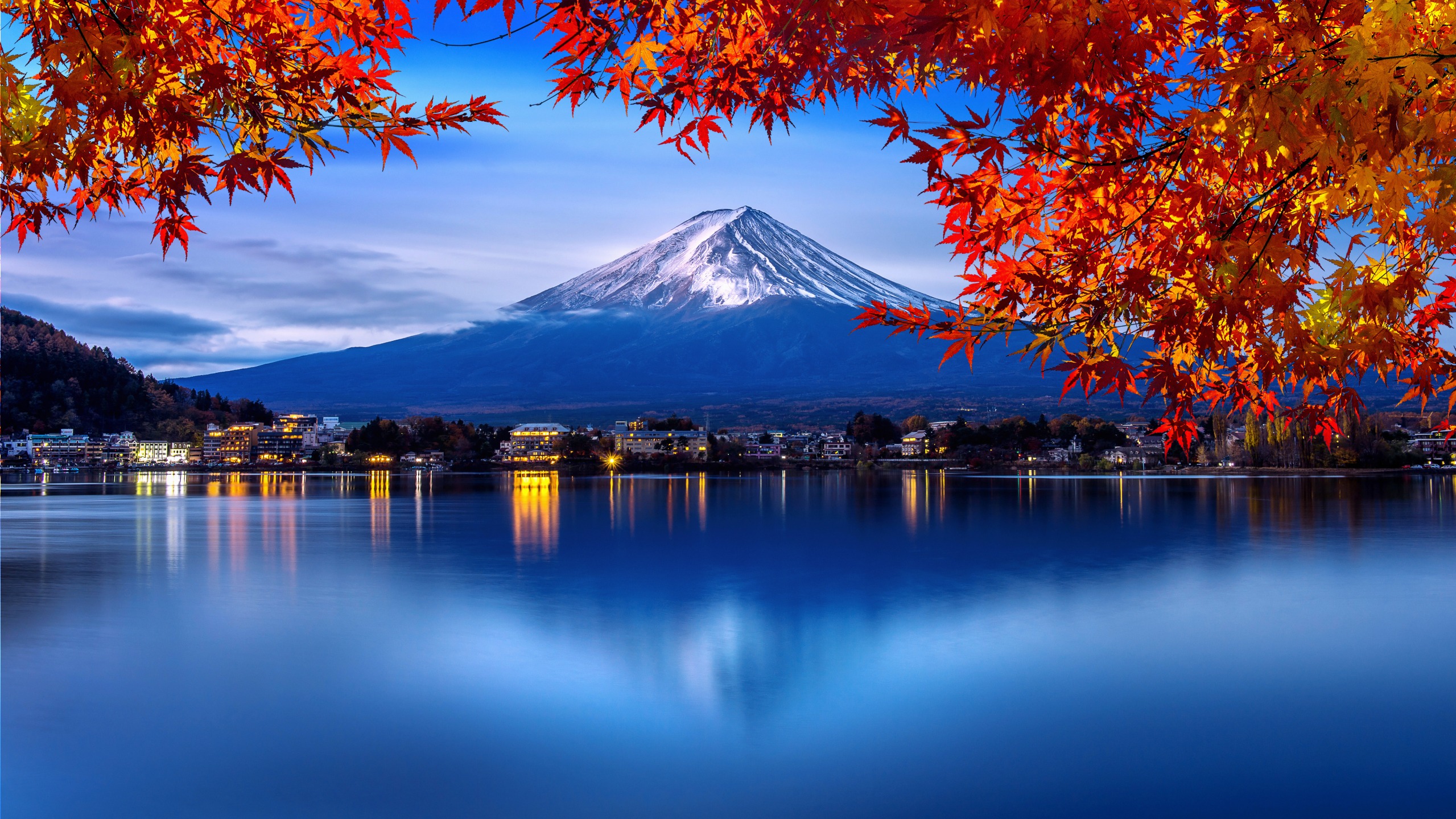
It's impossible to imagine a trip to Japan without visiting Honshū Island. Indeed, Honshū is Japan's main island, the largest in the country and one that everyone knows! You'll find, among other attractions, the unmissable Japanese capital Tokyo not to be missed under any circumstances, but also the charming city of Kyoto, blending modernity with Japanese traditions, nicknamed the city of a thousand temples.
Among the other remarkable sites on Honshū, you can also mention Osaka, Hiroshima, Yokohama, Nara and Nagoya. And don't forget the famous Mount Fuji, the highest mountain in the Land of the Rising Sun, as well as the Japanese Alps which promise incredible experiences in the heart of nature!
Practical Information
Area: 228,000 km² (out of a total archipelago area of 378,000 km²).
Did you know: Honshū Island is the 7th largest island in the world (just after Indonesia's Sumatra).
Hokkaidō: Between Snowy Mountains and Beaches
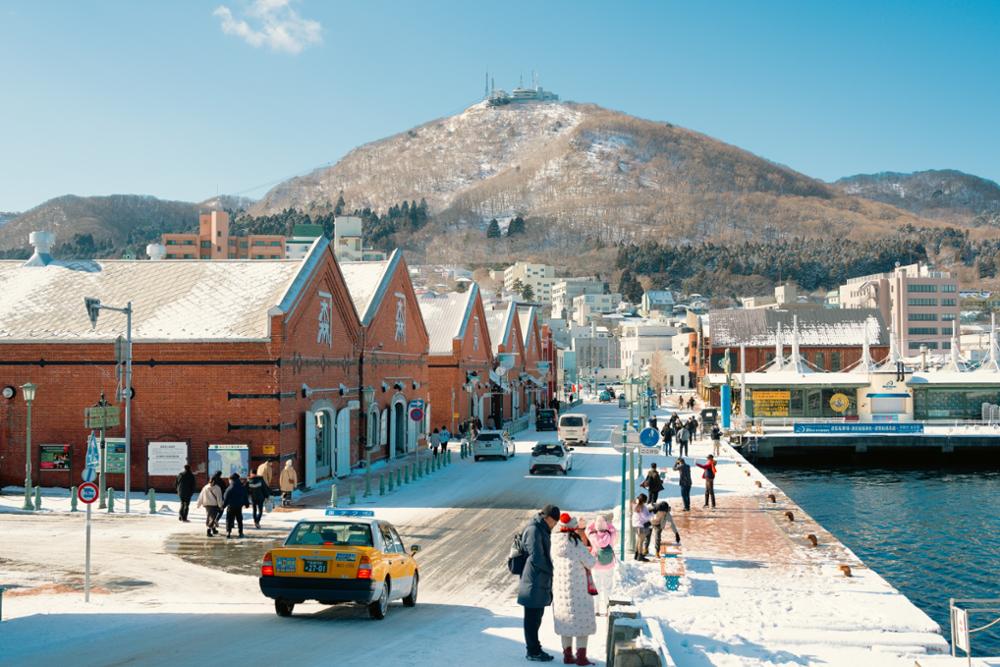
Located at the far north of the Japanese archipelago, Hokkaido Island attracts visitors with its variety of landscapes. Covered in forests across nearly three-quarters of its territory, you'll find sublime natural parks (such as Akan National Park and Shikotsu-Tôya National Park where Mount Yotei will delight hiking enthusiasts) as well as numerous hot springs (like the Onsens in Hell Valley at Noboribetsu).
But what has made the island famous is especially its numerous ski resorts, notably the ski areas of Niseko, Rusutsu, Furano, Sahoro and Tomamu. Lastly, Hokkaido Island is home to some of Japan's finest beach destinations. We particularly love Ranshima Beach, which offers a calm and relaxed atmosphere, perfect for leisurely days!
Practical Information
Area: 83,452 m²
How to get there: there are numerous domestic flights to reach the island (Shin-Chitose Airport), departing from Tokyo-Haneda (1 hour 30 minutes flight time) and Osaka (1 hour 50 minutes).
Kyūshū: The Island of Many Facets
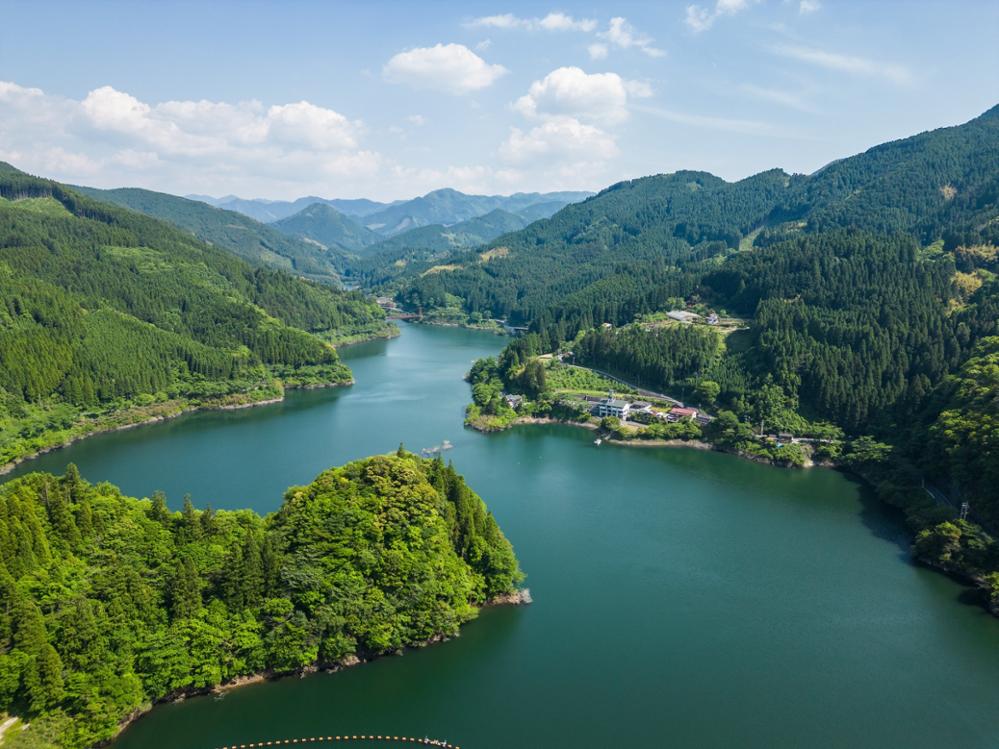
Volcanoes and hot springs, forests and marshes, beaches and coves, modern cities and traditional villages… No doubt about it, Kyūshū Island offers a splendid melting pot of landscapes that truly deserves a visit during a trip to Japan. Among the various volcanoes present on the island, you'll find notably Mount Aso, Japan's largest active volcano, which forms the planet's largest caldera.
During your visit to Kyūshū, don't miss Beppu, the "hot spring capital of Japan" which houses nearly 3,000 hot springs by itself! On the beaches side, don't overlook Tsutsuki Beach on Iki Island, listed among Japan's most beautiful beaches.
Finally, a stay on Kyūshū Island will also be an opportunity to discover traditional Japan and get a glimpse of daily life from the Edo period. For this, head to Kitsuki where you'll find old samurai residences...
Practical Information
Area: 36,782 km²
How to get there: numerous domestic flights land at airports on the island (Nagasaki, Fukuoka and Kagoshima). It's also possible to reach it by train from Shin-Osaka (2 hours travel time) or from Tokyo (5 hours).
Did you know: this is Japan's 3rd largest island; accessible free with the JR Pass.
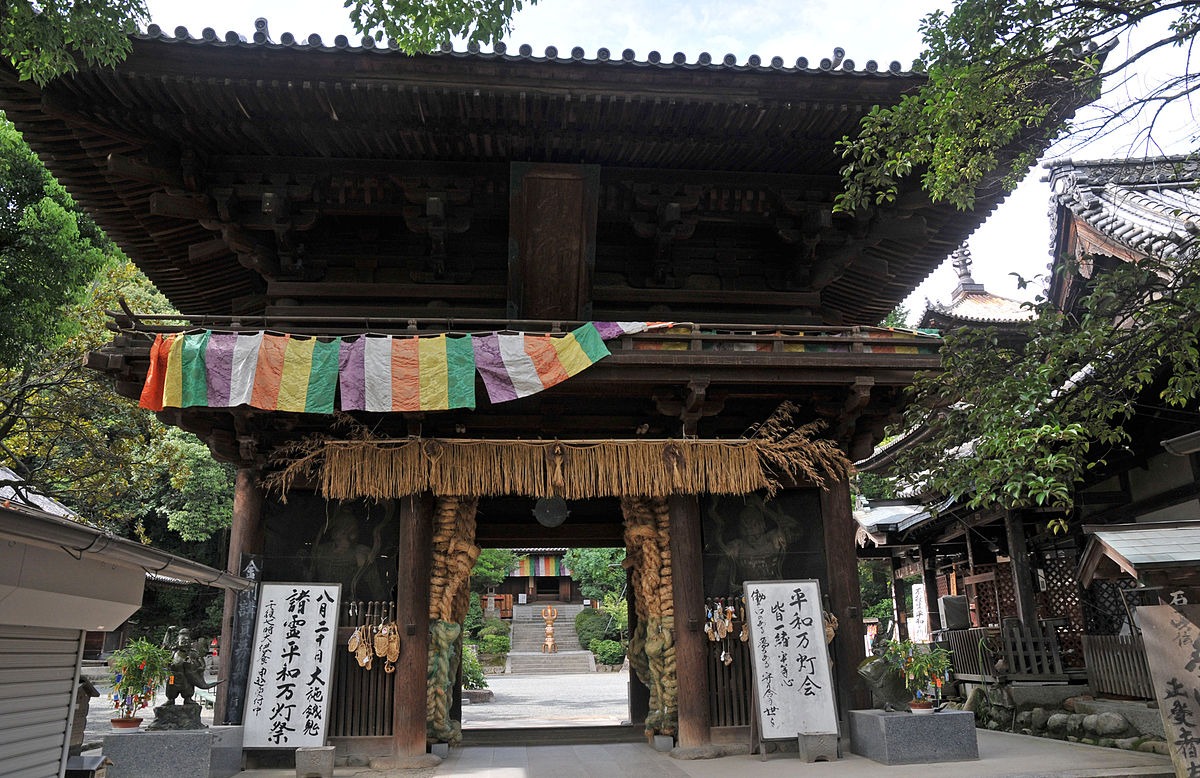
Shikoku: Following in the Footsteps of Japanese Pilgrims
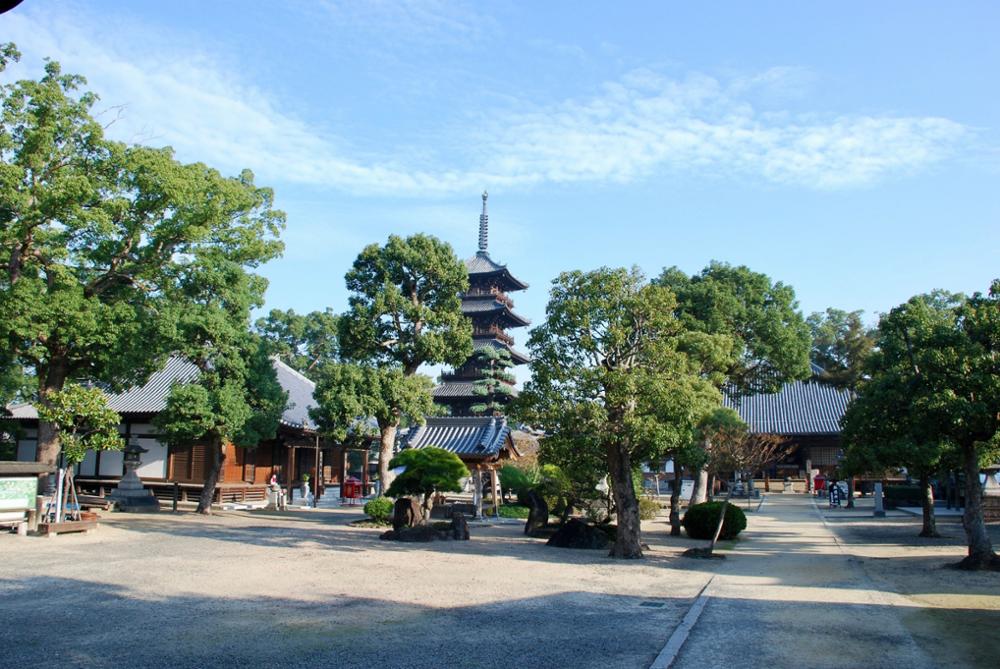
Shikoku is the smallest of Japan's four main islands and one of the most authentic in the country. With its long sandy beaches, mountainous massifs, terraced rice fields, hot springs and picturesque villages, Shikoku is renowned for its exceptionally peaceful atmosphere.
But what makes it special is that every year, for the past 1,200 years, Shikoku Island has attracted many Japanese and foreign tourists who come to undertake Japan's most famous pilgrimage.
Nicknamed the Japanese Compostela, the Shikoku pilgrimage allows you to discover 88 temples and follow in the footsteps of the founder of Shingon Buddhism. It's a wonderful way to learn more about the country's Buddhist heritage!
Practical Information
Area: 18,800 km²
How to get there: there are numerous domestic flights – the island has 4 airports: Takamatsu (north), Kochi (south), Tokushima (east) and Matsuyama (west). It's also possible to reach the island by ferry (from several cities). Finally, bridges also allow access to the island by car, from Honshū.
Did you know: destination accessible free with the JR Pass.
Okinawa: One of Japan's Paradise Islands
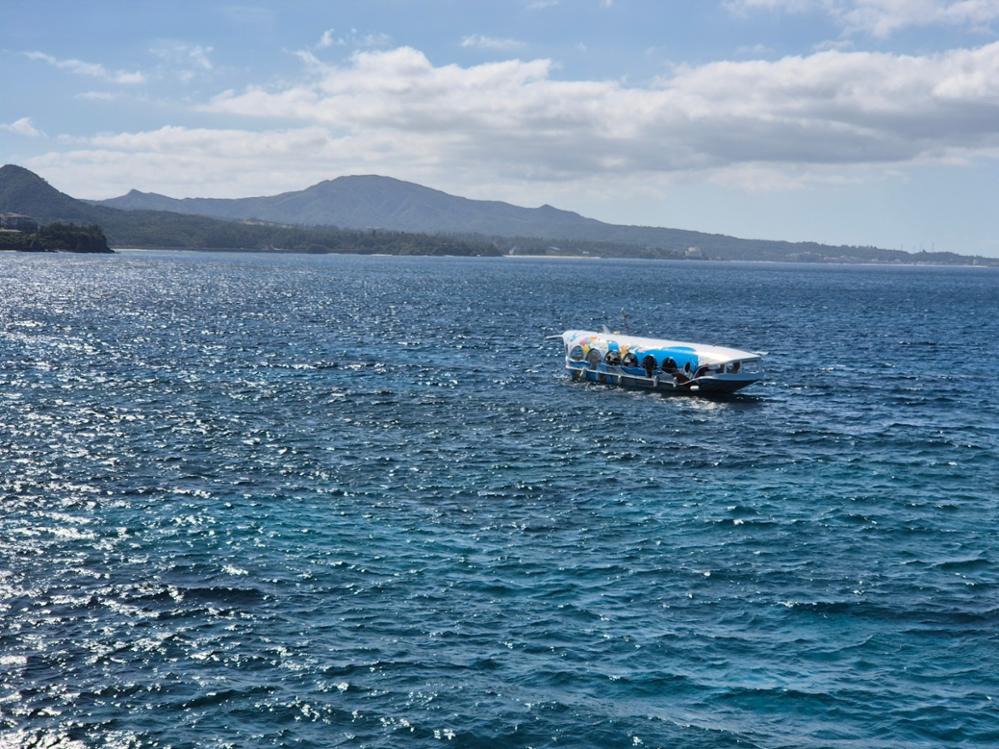
Many travelers don't realize that Japan is home to beaches worthy of the world's most beautiful tropical beaches! So if you're looking for an exotic escape far from the hustle and bustle of Japanese cities, head to the Okinawa Archipelago. Located in the southwest of Japan, the archipelago comprises more than 150 islands, some of which rival the Pacific islands.
On the agenda: white sand beaches, turquoise waters and coral reefs in the most relaxed atmosphere! It's also an opportunity to enjoy scuba diving in Miyako-jima or at the Manta Scramble, where the depths are home to numerous manta rays.
Also note that the island includes nine archaeological sites including Zakimi Castle and the sacred site of Sefa-utaki.
Practical Information
Area: 1,206 km²
Characteristic: main island of the Ryūkyū Archipelago
How to get there: by plane from Naha (there are no direct flights from outside Asia). As a result, you must pass through another city (Fukuoka, Tokyo, Osaka or Nagoya). It's also possible to reach the island via ferry from Tokyo, Kagoshima or Osaka.
Did you know: destination not accessible with the JR Pass.
Tashirojima and Okunoshima: Japan's Unique Islands
The Cat Island
Inhabited by fewer than a hundred people, Tashirojima Island is commonly called the "cat island," because of a feline population that exceeds the human population! Semi-wild, the animals can easily be approached for a pet or a photo.
The largest concentration of cats is located in the village of Nitoda. Considered a symbol of luck and wealth, the cat is a respected animal. Those on Tashirojima are cherished and fed by the residents. The cat island is also worth visiting for:
Its legendary tranquility,
Its small traditional villages,
The Manga island campground (and its mobile homes shaped like cats). You can also admire works by the famous manga author Shotaro Ishinomori (who was planning to settle on the island before his passing).
Hikes into the forest.
Practical Information
Location: belongs to the main island of Honshū
Prefecture: Miyagi
How to get there: take the ferry from the city of Ishinomaki (count approximately 1 hour crossing). Please note: only 3 to 4 departures per day.
Did you know: the island has only two villages — Odomari and Nitoda — connected by small roads and hiking trails.
The Rabbit Island
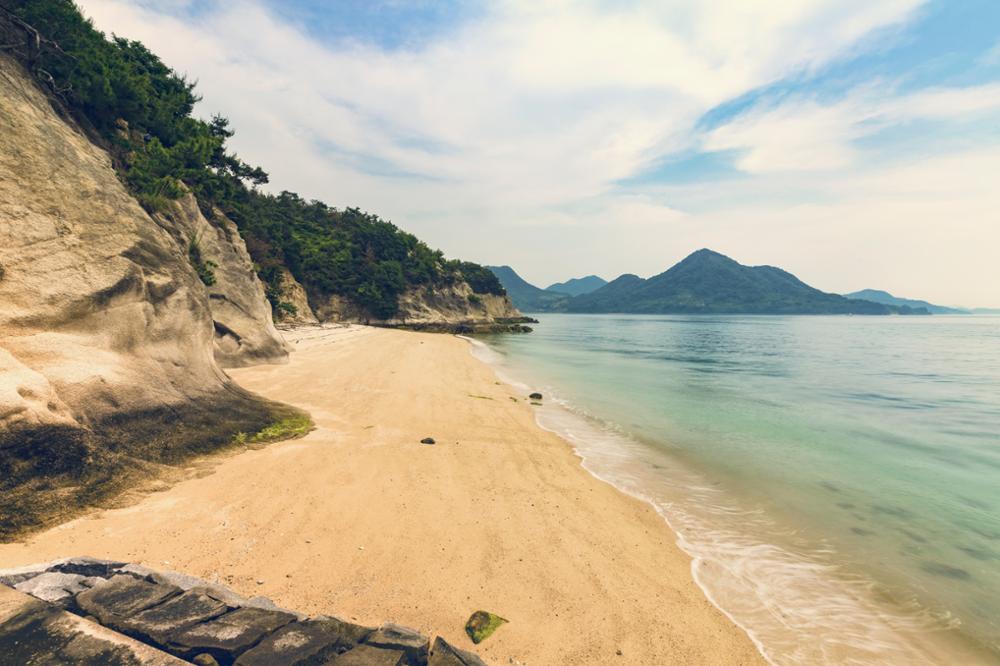
"Rabbit Island" is the nickname given to Okunoshima Island. The island is a former industrial site (and chemical factory) that was requisitioned during World War II to produce weapons.
According to legend, rabbits were used as test subjects during this period before being abandoned on the island after the war, while another theory suggests they were introduced to the island by schoolchildren in the 1970s.
Once there? You'll be able to feed the rabbits (with the only authorized food, sold at the island's dock), and especially see the vestiges of the war factory – whose building was designed in the 1920s.
Practical Information
Belongs to the main island: Honshū
Prefecture: Hiroshima
How to get there: by bus or train from Hiroshima Station. In either case, count approximately 1 hour 30 minutes of travel, then 30 minutes by ferry between the ports of Tadanoumi and Okunoshima.
Japanese Islands: What to Remember
The Japanese archipelago has many islands, with the 4 main islands being Honshu, Hokkaido, Kyushu, and Shikoku. Endowed with numerous tourist attractions, these are unmissable destinations during a trip to Japan.
Other, smaller islands are also worth exploring. Among them, Okinawa Island (and its major city of Naha), as well as much smaller but unique islands, like the cat island or the rabbit island.
Japanese islands are easily accessible, thanks to domestic flights, ferries and trains.
FAQ - All Your Questions
A census of Japanese islands conducted in 1987 counted 6,852 islands in the archipelago, compared to 14,125 in 2023! This significant difference is due to more modern calculation methodology, based on digitized mapping and aerial data. In both cases, islands selected for the census have an area ≥ 100 m2.
Japan is divided into 8 regions and 47 prefectures, spread over 378,000 km2. Regions have somewhat different cultural identities, because of their landscapes, historical past and cultural heritage.
The four main islands of Japan are: Honshū (the main island of the archipelago), Hokkaidō (both region and prefecture), Kyūshū (considered the birthplace of Japanese civilization) and Shikoku (the smallest of the 4 main islands, known for its 88 temples).