The Itchiku Kubota Kimono Art Museum
The Itchiku Kubota Kimono Art Museum
On the shores of Lake Kawaguchi facing Mount Fuji, the Itchiku Kubota Museum showcases the kimonos that revived the lost Tsujigahana dyeing technique.
On the banks of Lake Kawaguchi, facing Mount Fuji, the Itchiku Kubota Kimono Art Museum preserves the masterworks of an artist who devoted his life to resurrecting Tsujigahana, a dyeing technique lost since the Muromachi period. The site, recognized by the Michelin Green Guide, blends textile art, distinctive architecture, and gardens composed by the artist himself.
Why visit the museum
- See up close kimonos dyed using a technique recreated after forty years of experimentation
- Admire the eclectic architecture: limestone and coral façade from Okinawa, entrance gate sculpted from Indian castle doors, a wing inspired by Gaudí
- Wander through a garden of rocks, ponds, and cascades designed by Itchiku Kubota
- Discover a rare collection of Tombodama glass beads from Mesopotamia, some dating back 3,500 years
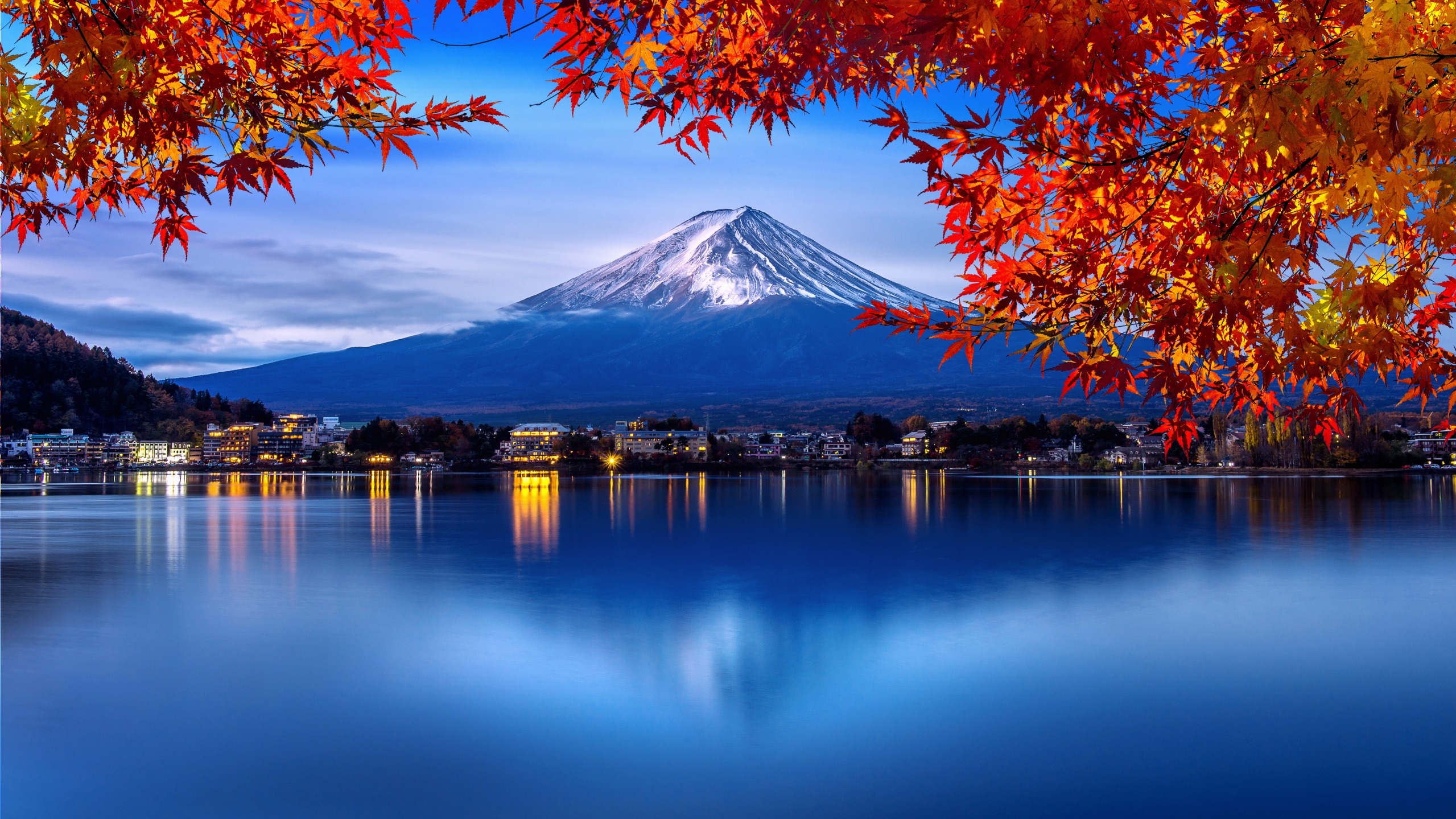
- Enjoy an unobstructed view of Mount Fuji from the site
History and the journey of Itchiku Kubota
Born in Kanda, Tokyo, in 1917, Itchiku Kubota began learning Yuzen dyeing under Kobayashi Kiyoshi at age 14. He simultaneously studied various fabric decoration techniques, landscape painting, and portraiture in the Japanese style.
At 20, he discovered a Tsujigahana piece at the National Museum of Tokyo in Ueno. This encounter proved decisive: he would dedicate the following decades to recreating this lost technique. His career was interrupted by war. Imprisoned in Siberia by the Soviets during World War II, he mounted Noh theatre performances with fellow prisoners to sustain morale—an experience that would profoundly shape his relationship with the stage and costume.
It was not until age 60 that he perfected a complete method, which he named "Itchiku Tsujigahana". His first solo exhibition took place in 1977, followed by presentations in Paris, New York, and London. He was made Chevalier de l'Ordre des Arts et des Lettres in 1990, then appointed Commissioner for Cultural Affairs in 1993. He founded his museum in Yamanashi in 1994 and worked there until his death on April 26, 2003, at age 86.
What you'll see on site
Architecture and gardens
Beyond the main entrance gate, sculpted from doors of Indian castles, a pathway traverses a garden of rocks, ponds, and cascades composed by Itchiku Kubota himself. The main building features a façade of limestone and coral from Okinawa; a new wing, inspired by Gaudí, extends the complex. The pyramidal exhibition hall is supported by ancient timber beams.
The Symphony of Lights
Displayed on rotation, the "Symphony of Lights" was Itchiku Kubota's life project, conceived as a tribute to the grandeur of the Universe. The series was intended to comprise 80 interconnected kimonos forming a continuous frieze of the evolution of time and seasons, with Mount Fuji as a recurring motif. It is divided into two parts: "The Universe" and "The Four Seasons".
Before his death, the artist had completed 5 kimonos for The Universe and 29 for autumn and winter. His son, daughter, and chief apprentice Sakuo Miyahara continue the work within the Itchiku Kobo studio in Tokyo.
Mesopotamian beads, Noh stage, and tea pavilion
In the new wing, a collection of Tombodama glass beads from Mesopotamia is displayed; some pieces date back 3,500 years. A Noh stage has been established in the museum, echoing Kubota's passion for this art form. Performances are held annually, with actors wearing his kimonos as costumes.
The tea pavilion, installed in the artist's former workshop, overlooks the Ryumon waterfall in the garden. A shop offers scarves, bags, and accessories made using the Tsujigahana technique.
Practical information
- Length of visit: allow 1.5 to 2.5 hours to explore the exhibition halls, gardens, and tea pavilion
- Admission fees: moderate entrance fee, with reduced rates for children and groups; additional charge for the glass collection
- Hours: open during daytime hours, closed Tuesdays, extended hours from April to November
- Before your visit: check the official website for rotation schedules of the "Symphony of Lights" and Noh performance dates
When to visit
The site welcomes visitors year-round, though each season offers a different perspective of the gardens. Autumn (mid-October to mid-November) remains the most photogenic period: maple foliage blazes with color, creating an intense contrast against the museum's light stone. Spring, with blossoms around Lake Kawaguchi, and winter, when Mount Fuji is snow-capped and the light is crystalline, are equally rewarding windows. Summer, being more humid, attracts visitors seeking the cool of the highlands.
How to get there
The museum is located in Yamanashi Prefecture, on the shore of Lake Kawaguchi.
- By train from Tokyo: from Shinjuku Station, take the JR Chuo Line to Otsuki, then the private Fuji Kyuko Line (not covered by JR Pass) to Kawaguchiko Station. The Fujisan Tokkyu express train connects Otsuki to Kawaguchiko in approximately 45 minutes.
- By bus: direct services from Shinjuku, as well as from JR stations at Mishima (≈1.5 hours) and Shin-Fuji (≈2.25 hours), both on the JR Tokaido Shinkansen Line.
- From Kawaguchiko to the museum: take the Kawaguchiko Retro Bus (scenic route circling the lake) or a taxi.
Nearby attractions
- Lake Kawaguchi: lake cruises, Kachi Kachi ropeway, lakeside shrines
- Mount Fuji: viewpoints and hiking trails depending on the season
- Historic Nakasendo Road to extend your itinerary through former post towns
- Mount Tsukuba for another iconic mountain north of Tokyo
Frequently asked questions
Frequently asked questions
It is a Japanese dyeing technique that emerged during the Muromachi period and subsequently disappeared. Itchiku Kubota recreated his own version after decades of research, which he named "Itchiku Tsujigahana".
No. Pieces are displayed on rotation. The complete series was intended to comprise 80 kimonos; 5 were completed for "The Universe" and 29 for autumn and winter before the artist's death, with his studio continuing the work.
Partially. The JR Pass covers the JR portion to Otsuki, but not the private Fuji Kyuko Line between Otsuki and Kawaguchiko, which must be paid separately.
Plan for 1.5 to 2.5 hours to explore the exhibition halls, gardens, Noh stage, and tea pavilion.
Autumn, for the garden's colors, and winter, for clear skies and views of snow-capped Mount Fuji, are particularly recommended.
Extend your experience
The museum fits naturally into an itinerary combining the Fuji Five Lakes region, Tokyo, and historic mountain roads. To craft a bespoke journey including this destination, explore our Japan itineraries.
Interested in this visit?
We can include it in your personalised itinerary.