The Gion District
The Gion District
Kyoto's most historic district, renowned for its geiko and maiko, Gion preserves cobbled streets, ochaya teahouses, temples and one of Japan's oldest festivals.
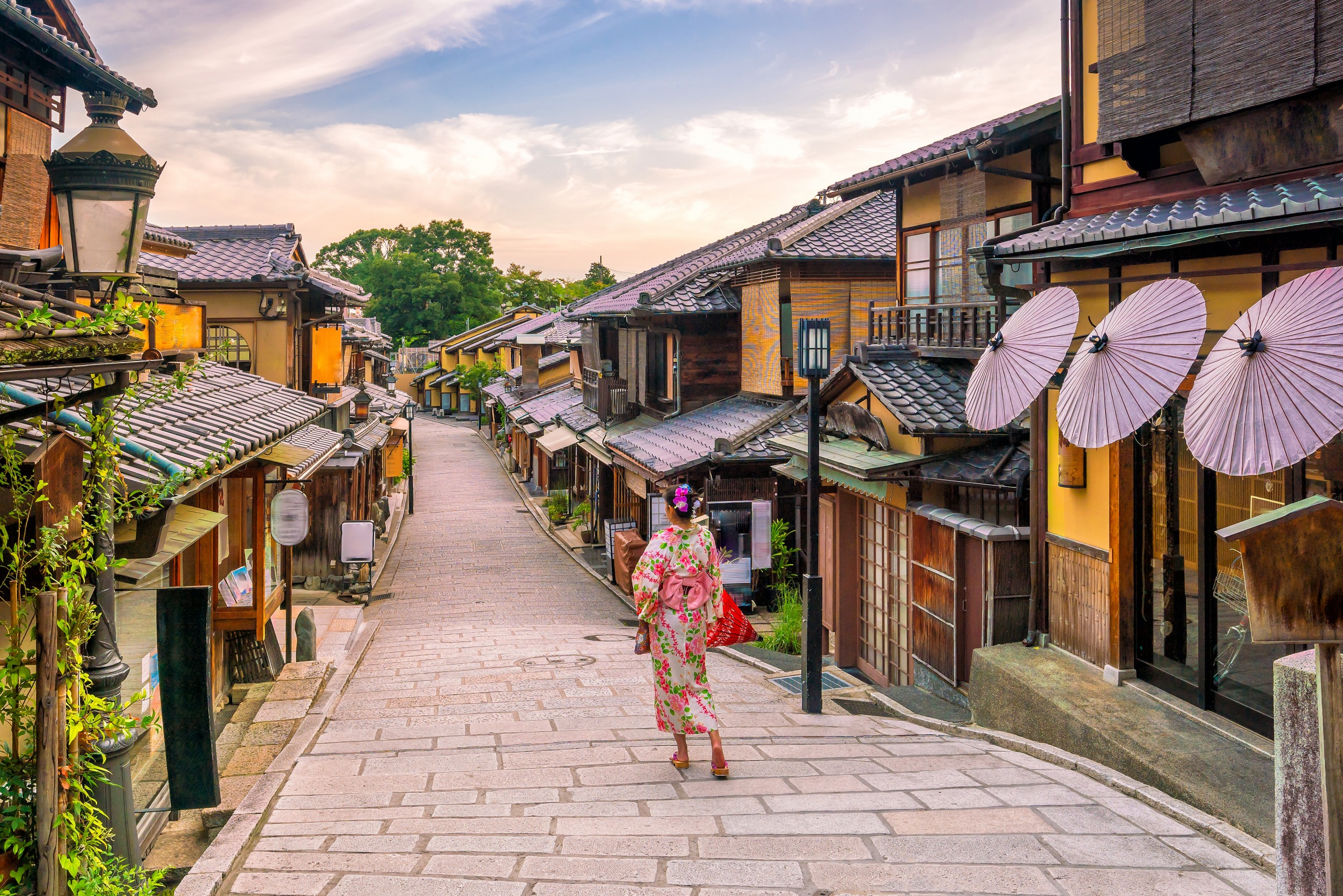
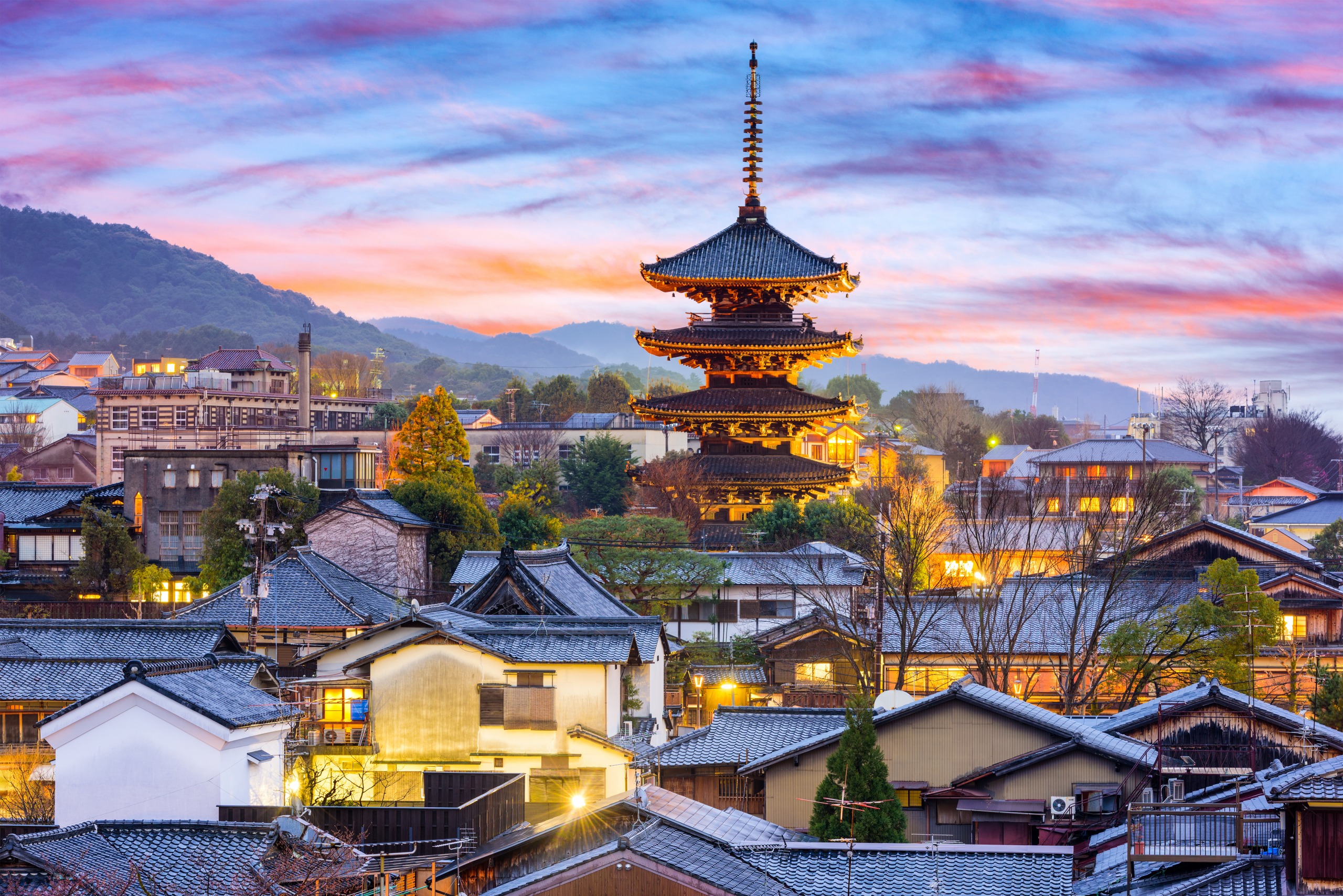
Gion is the most emblematic historic district of Kyoto, known for its geiko (the term for geishas in Kyoto) and their apprentices maiko. Its cobbled streets, wooden houses and teahouses preserve the refined atmosphere of the former imperial capital, blending living heritage with traditional performing arts.
Why visit Gion
Gion is one of the rare Japanese districts where geisha culture remains a daily reality. It features three historic alleyways, two major temples (Yasaka and Kennin-ji), a theatre dedicated to performing arts and one of Japan's oldest festivals. The entire district can be explored on foot and concentrates, over a few hundred metres, several facets of traditional Kyoto: machiya architecture, zen gardens, Shinto shrines and kaiseki gastronomy.
A bit of history
Gion's origins date back to the 8th century, with the founding of the Yasaka shrine (traditionally in 656). The district initially developed to accommodate pilgrims visiting to pray, before transforming into an entertainment hub.
It was during the Edo period (1603-1868) that Gion reached its peak as a pleasure district. Ochaya (teahouses) multiplied and welcomed samurai, wealthy merchants and scholars. Geishas perfected an artistic repertoire blending music, dance and cultured conversation.
Despite modernization during the Meiji era, Gion has preserved its architectural fabric and practices. Today, hundreds of geiko and maiko still work here, and several ochaya transmit centuries-old craftsmanship.
What to see and do
The three historic alleys
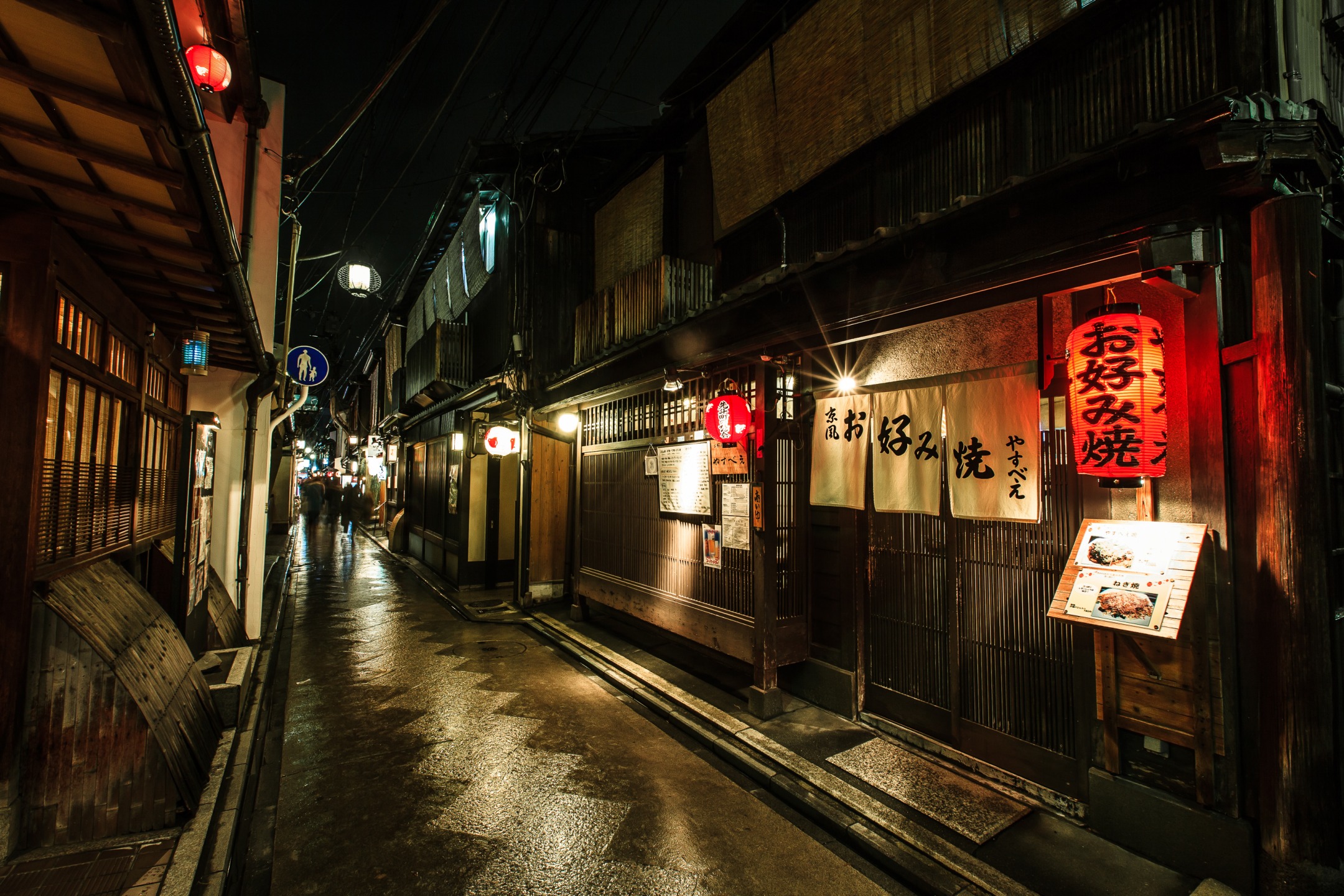
Hanami-koji is the district's emblematic thoroughfare. It stretches approximately 1 km between Shijo Avenue and Kennin-ji temple, lined with machiya (traditional urban townhouses with narrow façades) that house ochaya and restaurants. As dusk falls, paper lanterns light up along the dark wooden façades.
Shirakawa runs alongside a canal lined with weeping willows and crossed by several stone bridges. Wooden terraces of traditional restaurants overlook the water. It's one of Kyoto's most photographed spots in spring, during cherry blossom season.
Pontocho is an alley parallel to the Kamo River, barely two metres wide. It concentrates izakayas and restaurants, from modest establishments to kaiseki fine dining. In summer, yuka terraces are installed above the river, a custom dating back centuries.
Spotting geiko and maiko
Geiko and maiko move between their okiya (residence house) and the ochaya where they work, mainly between 5:30 pm and 6:30 pm. The most favourable area for observation is Hanami-koji-dori, between Shijo-dori and Kennin-ji temple.
To distinguish them: maiko wear colourful kimonos with long, swinging sleeves (furisode), ornate hairstyles and strong white makeup; geiko wear more understated outfits and wig-style hair.
Important: since April 2024, several private alleys in Gion have been closed to the public to protect geishas from photography harassment. Affected streets are marked with signs. On public streets, taking photos without explicit permission is discouraged.
Kennin-ji Temple
Founded in 1202, Kennin-ji is Kyoto's oldest zen temple. The Hōdō pavilion houses a ceiling featuring two dragons, a contemporary work by Koizumi Junsaku created for the temple's 800th anniversary. It also displays a reproduction of the screen "Gods of Wind and Thunder" by Tawaraya Sōtatsu (the original is preserved in Kyoto's National Museum). Zen meditation sessions are occasionally open to the public.
Yasaka Shrine
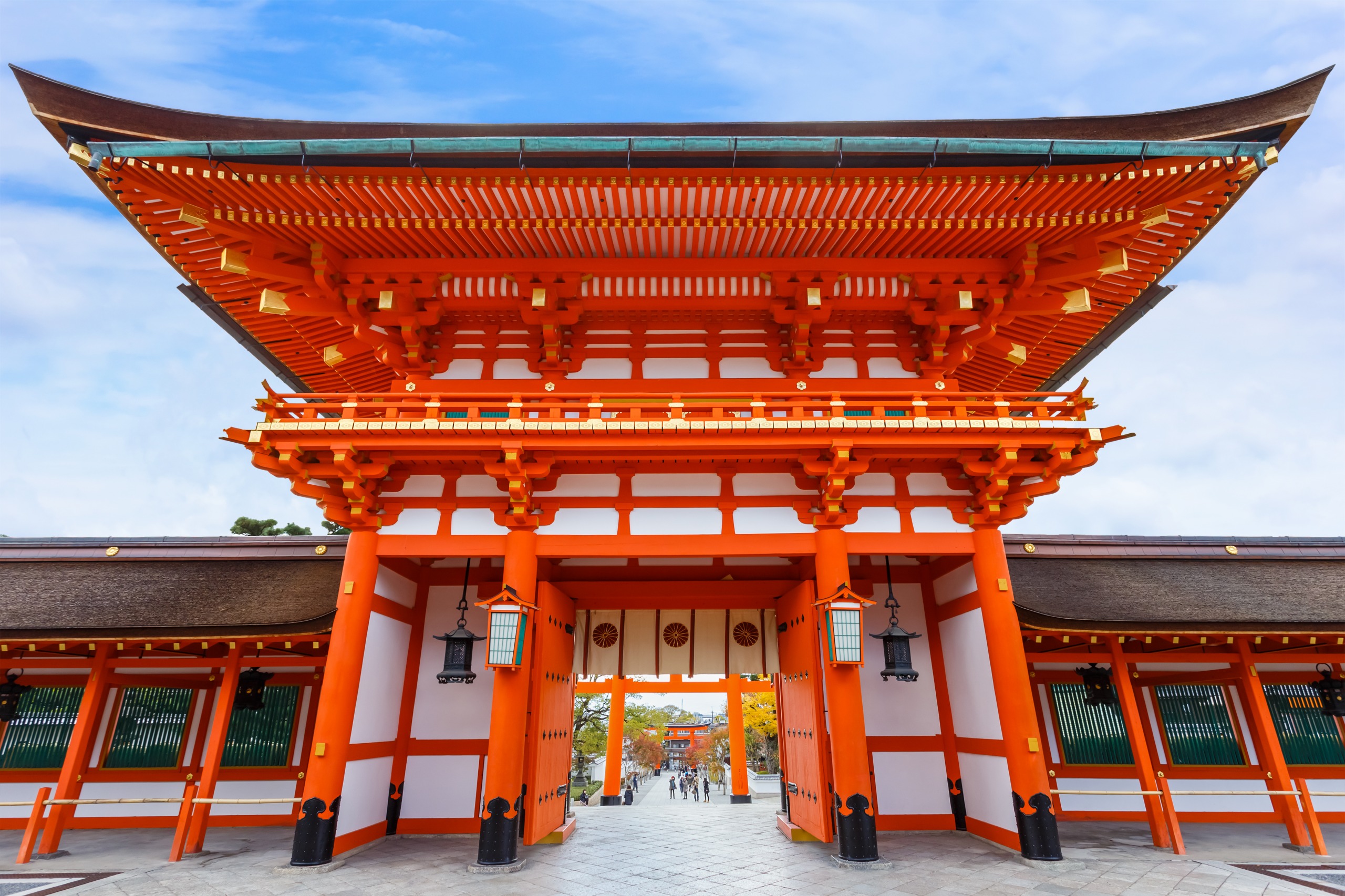
Recognisable by its vermillion lacquered buildings, Yasaka-jinja is dedicated to Susanoo-no-Mikoto, a deity historically invoked against epidemics. The rōmon gate opens onto Shijo-dori. It's also the starting and finishing point of Gion Matsuri.
Gion Corner Theatre
Gion Corner offers an educational programme presenting seven disciplines in approximately 50 minutes: kyomai dance performed by maiko, bunraku puppet theatre, kyogen comic theatre, tea ceremony, ikebana flower arrangement, koto and gagaku. Performances are held in the evening, primarily from April to November (check schedule on site).
When to visit
Gion can be visited year-round, but certain periods are worth targeting:
- July: the Gion Matsuri, over 1,000 years old, is one of Japan's three major festivals. Yamaboko floats parade on July 17th and 24th. During the yoiyama evenings preceding the parades, residents open their homes to display screens and family treasures: this is the byobu matsuri tradition. Visitors can sample chimaki, an edible amulet-shaped sweet.
- Summer (June-August): yuka terraces over the Kamo River are set up in Pontocho.
- April: cherry blossom season along Shirakawa and around Yasaka.
- Evening (year-round): lantern lighting on Hanami-koji and Shirakawa, with a better chance of encountering geiko.
Practical information
- Visit duration: allow 2 to 4 hours for the district alone, half a day to a full day if including Kennin-ji, Yasaka and the Higashiyama surroundings.
- Fees: strolling through the district is free. Yasaka shrine is open to the public. Kennin-ji and Gion Corner charge modest admission fees.
- Etiquette: do not enter private alleys marked as such, do not photograph geishas without permission, do not obstruct ochaya doorways.
- Best photo time: early evening, just before lanterns are lit.
How to get there
From Kyoto Station, bus 206 goes directly to Gion stop (bus 100, the Raku Bus, also serves the Higashiyama area). By train, the Keihan line goes to Gion-Shijo station, a few minutes' walk from Hanami-koji; the Hankyu line serves Kawaramachi station, on the other side of the Kamo River.
See also in the area
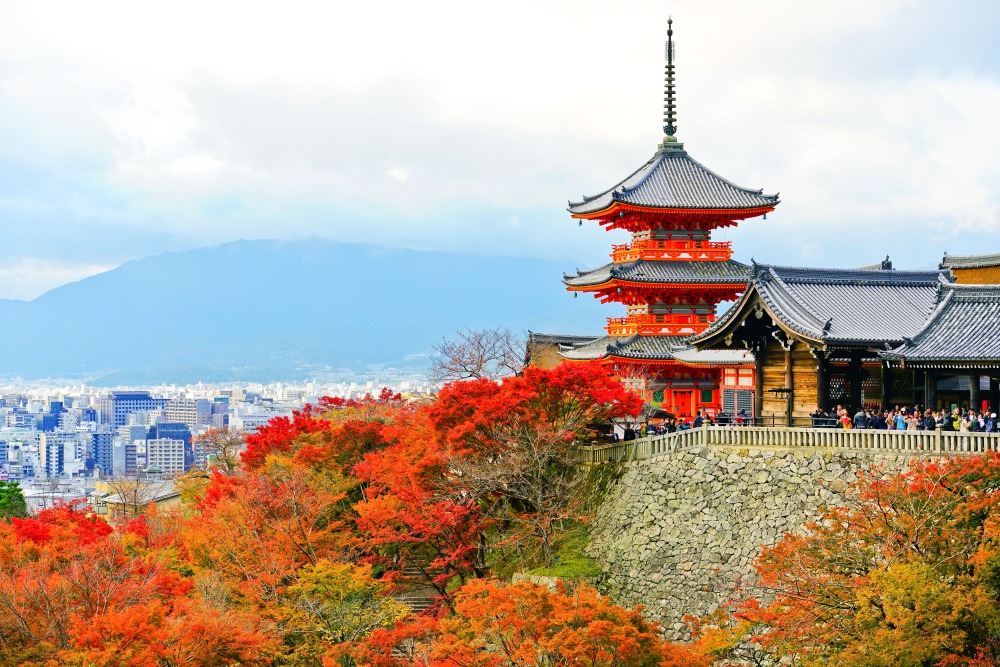
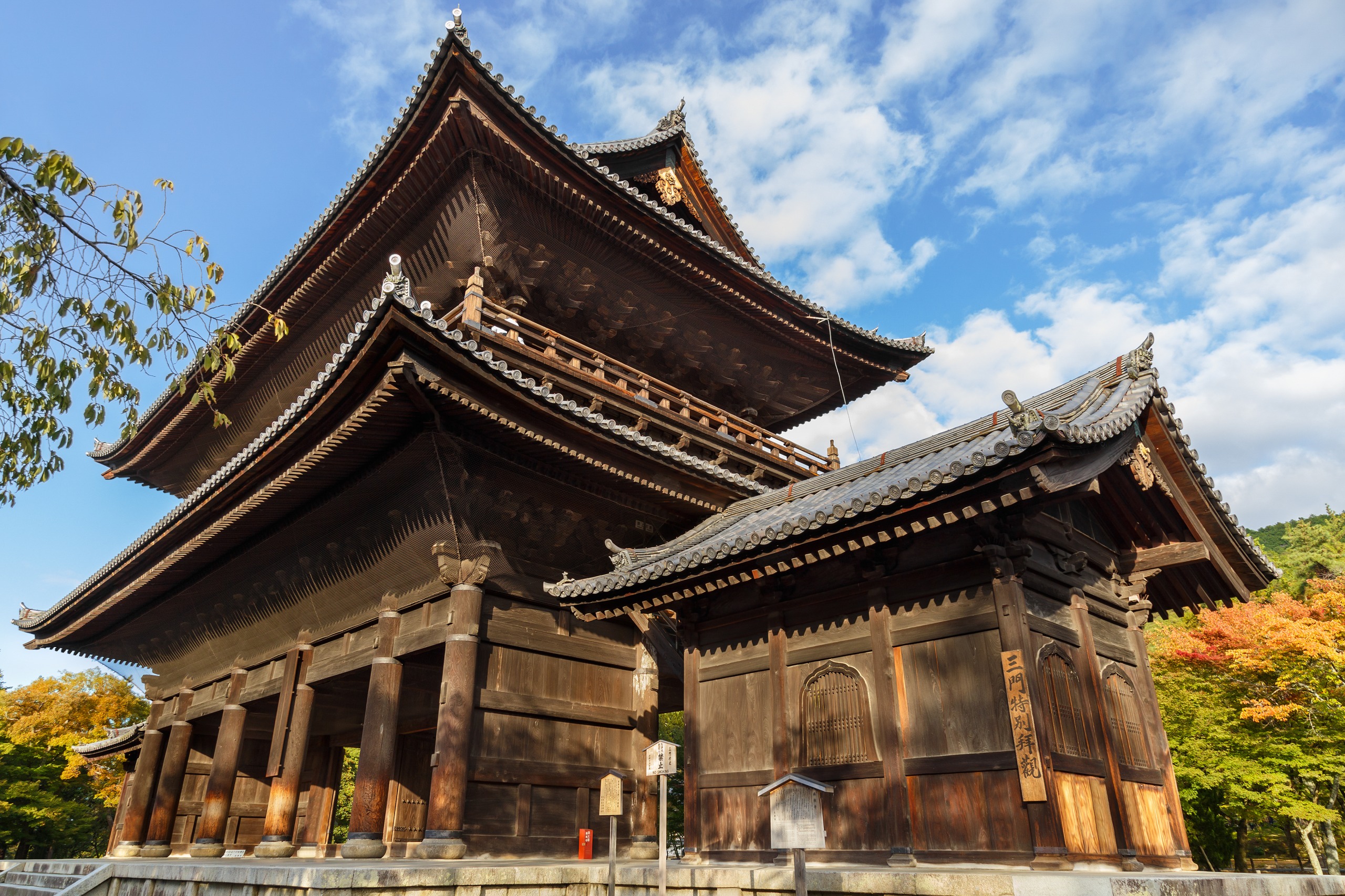
- Nanzen-ji Temple, another major zen temple in Kyoto, accessible by heading north through the Higashiyama district.
- Arashiyama mountain and its bamboo grove, west of the city.
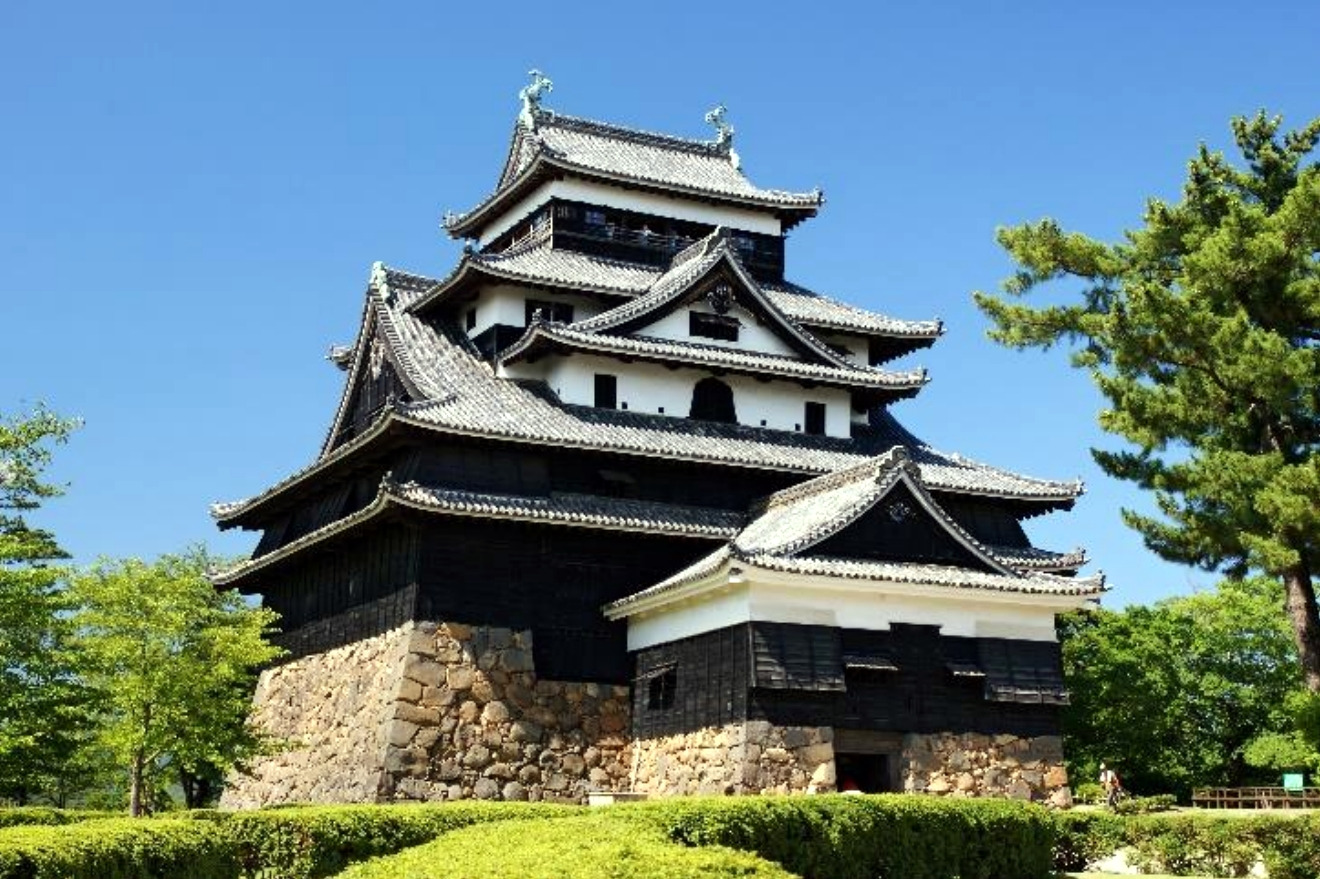
- Himeji Castle, about 1 hour by shinkansen, to extend your route westwards.
- The historic Nakasendo route, to discover other facets of Edo-era Japan.
Frequently asked questions
Frequently asked questions
No, not without explicit permission. Since April 2024, several private alleys in Gion have been closed to the public for this reason. On public streets, photographing a geiko or maiko without their consent is considered disrespectful and may result in a fine.
Between 5:30 pm and 6:30 pm, on Hanami-koji-dori, in the section between Shijo-dori and Kennin-ji temple. This is when they head to their appointments at ochaya.
Ideally both. Daytime allows you to see machiya architecture, Shirakawa and Kennin-ji temple. Late afternoon and early evening offer lantern lighting and the possibility of encountering geiko.
For a traditional ochaya evening, access is conventionally reserved for introduced guests. For an accessible experience, Gion Corner offers short performances open to all, and several agencies organise private or group events with dance, tea and photographs.
Allow 2 to 4 hours to explore the main alleys, and half a day to a full day if including temples and a meal in the district.
Preparing your trip
Gion fits naturally into a stay in Kyoto, to be combined with Higashiyama, the Golden Pavilion and surrounding zen temples. To build a coherent itinerary connecting Tokyo, Kyoto and the Japanese Alps, explore our Japan trips.
Nearby
Interested in this visit?
We can include it in your personalised itinerary.