Engyo-ji Temple
Engyo-ji Temple
Tenth-century Buddhist temple perched on Mount Shosha in Himeji, a stage on the Saigoku Kannon pilgrimage and backdrop for The Last Samurai.
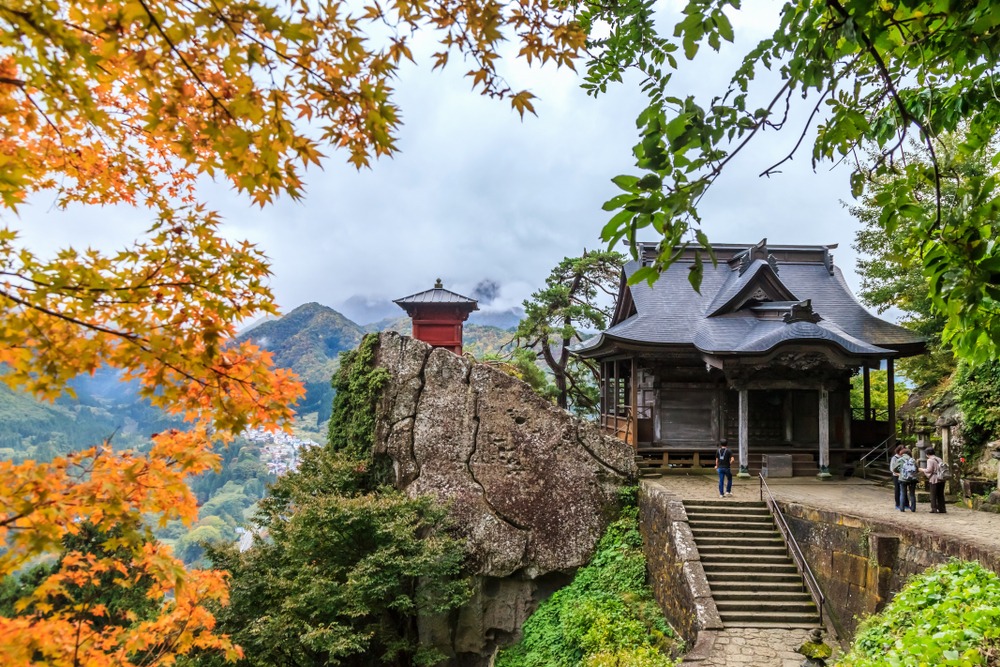
Perched on Mount Shosha at the edge of Himeji, Engyo-ji Temple is one of the principal Buddhist centers of western Kansai. Founded in 960, it houses around twenty buildings scattered throughout an ancient forest, eight of which are designated as Important Cultural Properties of Japan. The site also served as a filming location for the film The Last Samurai with Tom Cruise and the drama Musashi dedicated to swordsman Miyamoto Musashi, which brought it recognition beyond pilgrimage circles.
Why visit Engyo-ji
Unlike Himeji Castle, a photogenic stone monument, Engyo-ji offers a more contemplative experience: a cable car ride followed by a forest walk dotted with statues, wooden halls scattered beneath cedar trees, and the possibility of staying overnight in a shukubo. The complex combines architectural interest (twelfth-century pagoda, medieval halls), religious significance (27th stage of the Saigoku Kannon pilgrimage, which comprises thirty-three stages total), and preserved natural surroundings. It is one of the rare major Japanese temples where, in half a day, you can encounter a Cultural Property statue, a pilgrimage trail, and an international film set all at once.
Temple History
Engyo-ji's foundation rests on legend. In the tenth century, Buddhist monk Shoku retired to Mount Shosha at age 57. He is said to have received a vision of Monju, the bodhisattva of wisdom, who promised purification of body and spirit to anyone who climbed the mountain. To honor this vision, Shoku carved a statue of Nyoirin Kannon from a cherry tree (sakura) and had a great prayer hall, the Maniden, erected. The temple officially opened in 960.
Its reputation spread rapidly. Emperors Kazan and Godaigo came to pray there, and Engyo-ji became the principal monastic training center for western Kansai, integrated into the Saigoku Kannon pilgrimage dedicated to the goddess of mercy. The complex, however, endured several dark periods: three major fires ravaged it (fourteenth century, 1898, 1921), and it likely suffered looting when Toyotomi Hideyoshi established his camp within its grounds during his campaign against the Mori clan in the Chugoku region. A few buildings survive the centuries: the pagoda dates from 1184, the Daikodo (conference hall) from the Middle Ages, the bell tower from the fourteenth century, and the Kongodo from the sixteenth century. The Maniden, burned in 1921, was reconstructed identically in 1933.
What to See On Site
From the cable car station, allow about 15 minutes to walk to the Nio-mon gate, following a path lined with 33 sculptures of Kannon that mark the pilgrimage. An additional quarter hour leads to the Maniden.
The Maniden
A wooden building on stilts set against the slope, the Maniden is the temple's central structure. It houses the statue of Nyoirin Kannon carved by Shoku from a cherry tree, designated as an Important Cultural Property of Japan. The statue is presented to the public only on rare occasions, notably January 18th.
The Plateau of Three Halls
A few minutes from the Maniden, three large wooden halls form a remarkable ensemble:
- Daikodo: conference hall where major religious assemblies were held.
- Jikido: former monks' dining hall, now transformed into a treasure hall.
- Jogyodo: meditation and training hall, housing a statue of Buddha Amida also designated as an Important Cultural Property.
Other Designated Buildings
In total, 8 structures out of the roughly twenty that comprise the complex are inscribed as Important Cultural Properties. The 1184 pagoda, the fourteenth-century bell tower, and the sixteenth-century Kongodo are scattered throughout the primeval forest of Mount Shosha, which adds to their visual appeal.
Staying at the Temple: Shukubo
Engyo-ji offers a shukubo, a monastic lodging open to visitors. The stay typically includes a Zen meditation session at the Jogyodo, instruction in calligraphy at the Cho-do with a monk, and dinner featuring Shonin Ryori, Buddhist vegetarian cuisine. A worthwhile option for those wishing to understand the rhythm of an active temple, rather than a simple visit.
When to Visit
Engyo-ji is open year-round. Two seasons see the bulk of visitor traffic:
- Late March to early April: cherry blossom blooming, directly linked to the temple's founding legend.
- Mid-November to early December: maples and other deciduous trees on Mount Shosha change color, creating a striking contrast with the dark wood of the halls.
Summer is more humid and warm, but the forest canopy makes the visit manageable. Winter is quiet, provided you arrive before the cable car closes in mid-afternoon. Note: the cable car closes for roughly three weeks in December for maintenance — verify this before planning a visit during that period.
Practical Information
- Duration of visit: allow 2 to 3 hours to tour the main halls; longer if you combine with a walk up from the base.
- Admission: moderate entry fee for a simple visit; additional charges for packages including meditation and meals; higher rates for shukubo stays (lodging and full board). Prices vary; check on-site or with Himeji's tourism office.
- Hours: daytime opening, closing in late afternoon (earlier in winter). The timeframe is constrained by cable car hours.
- What to bring: comfortable shoes (sloped trail, uneven paving), modest clothing if entering the halls.
How to Get There
Access is from Himeji Station, which is served by the Shinkansen from Osaka (approximately 20 to 30 minutes depending on the train, free with a JR Pass) or by the Hanshin-Sanyo line, slower but less costly (approximately 1 hour 30 minutes).
From Himeji Station, take Shinki Bus No. 8 heading to Shoshazan Ropeway and get off at the terminal. The cable car then ascends Mount Shosha, where the path to the Nio-mon gate begins. Check the frequency and final departure time on the day itself: arriving in the early afternoon at the latest is a reasonable safety margin.
Nearby Attractions
Engyo-ji combines well with other sites in the region:
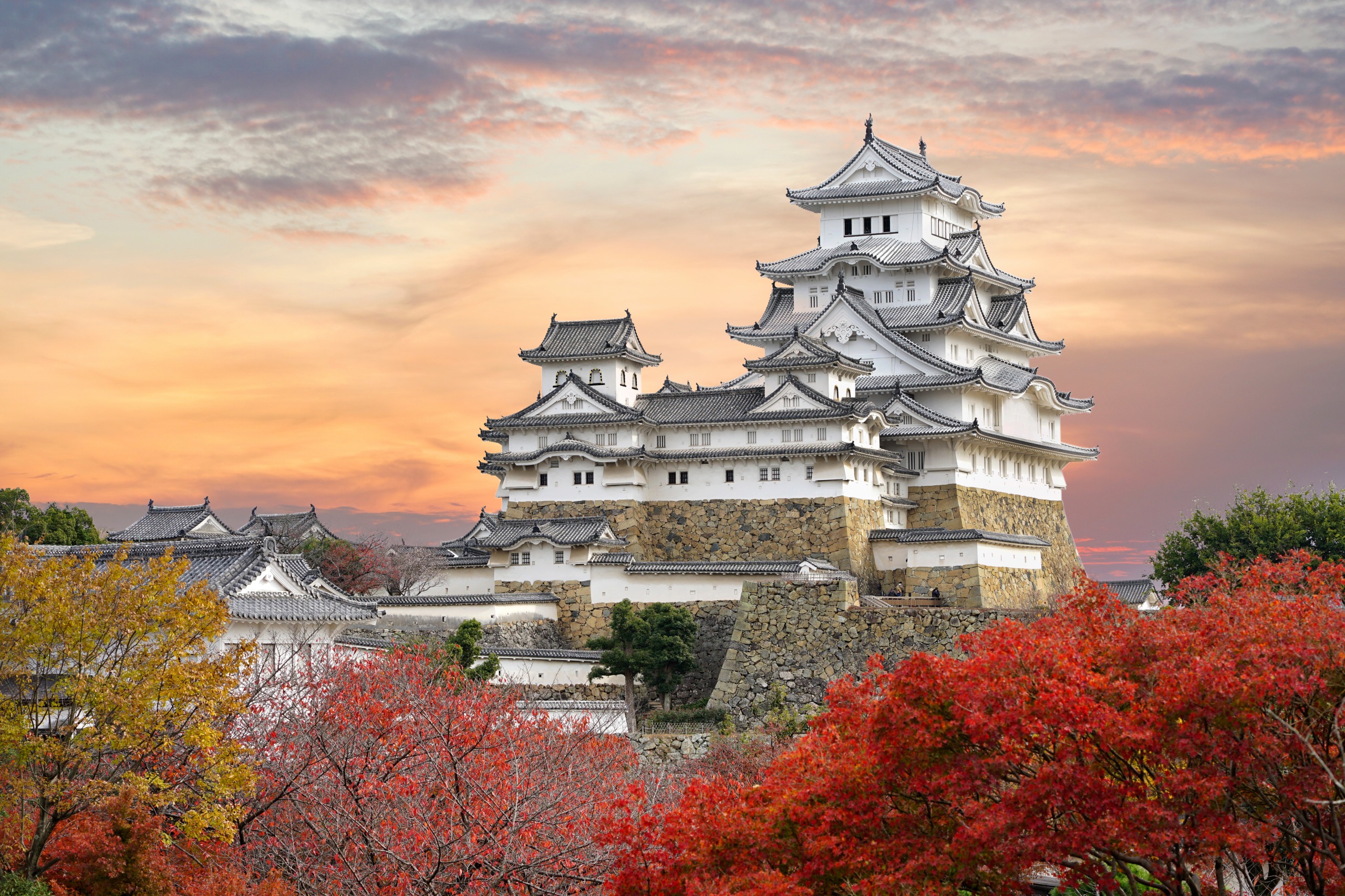
- Himeji Castle: UNESCO-listed white fortress, best visited the same day if you start early.
- Mount Kōya: another major center of Japanese Buddhism, with its own shukubo, accessible from the area.
- Kasuga Taisha in Nara: major Shinto shrine, complementary to a Buddhist visit.
- Ritsurin Garden in Takamatsu: for extending toward Shikoku via the Akashi-Kaikyo Bridge.
Frequently Asked Questions
Frequently asked questions
Allow 2 to 3 hours from cable car arrival, including the walks between halls. With a walk up from the base and a meal on-site, plan for half a day.
Yes, Engyo-ji offers a shukubo (monastic lodging) with vegetarian Shonin Ryori dinner, a meditation session at the Jogyodo, and calligraphy instruction at the Cho-do. Advance booking is recommended.
Yes, but the cable car closes for roughly three weeks in December for maintenance, and opening hours are shortened. Check the exact dates before your visit.
The main statue, carved from a cherry tree by monk Shoku, is presented to the public only on rare occasions, notably January 18th. Outside these dates, it remains in the Maniden but is not visible.
Self-guided visits are entirely possible: signage is clear and the trail is marked by the 33 Kannon statues. An English-speaking guide or a shukubo stay, however, provides access to the site's religious and historical dimensions.
Include Engyo-ji in Your Trip
Engyo-ji fits naturally into an itinerary combining Kyoto, Osaka, Himeji, and Mount Kōya. To design a custom stay and enjoy an overnight in a shukubo, consult our Japan trips.
Interested in this visit?
We can include it in your personalised itinerary.