Beppu
Beppu
In northeastern Kyushu, Beppu boasts the world's second-largest concentration of thermal springs. Jigoku, black sand, ryokans: your practical guide for 2 days.
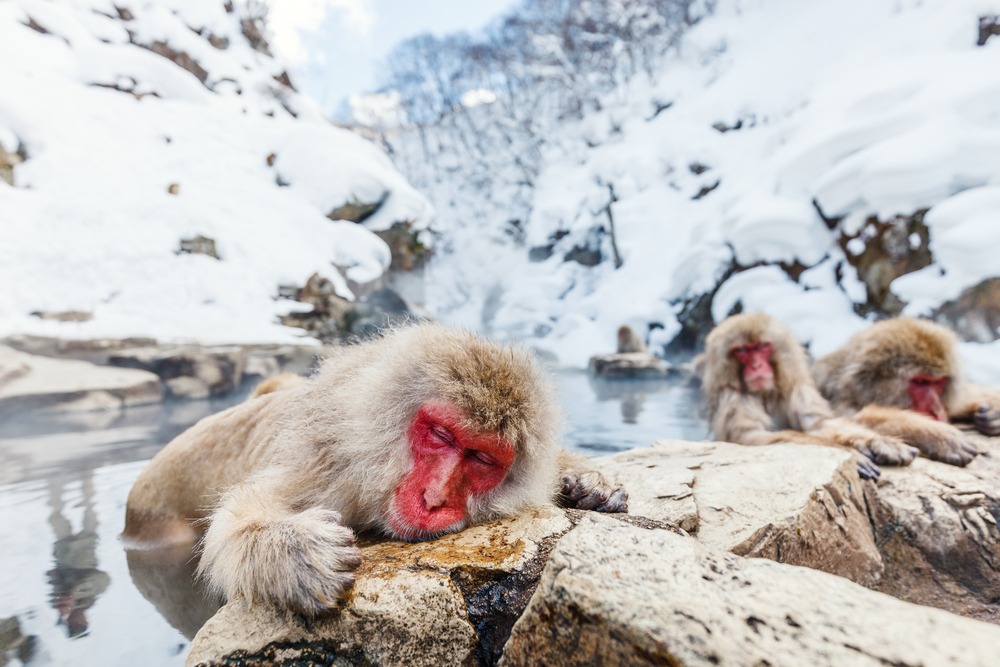
Unwind in a steaming natural hot spring, gazing up at the clear blue sky by day or starlit sky by night, all set within a picturesque landscape sheltered from prying eyes… It's our advice: you absolutely must experience the onsens during your trip to Japan. And for a truly immersive and one-of-a-kind experience, set your sights on Beppu, nicknamed the "city of hells"…
History
The book "Iyonokuni Topography" recounts that the deities Okuninushi and Sukunahikona visited Iyonokuni in ancient times. Sukunahikona fell ill at one point. Grieved, Okuninushi drove a long pipe into the sea at Beppu to draw up therapeutic thermal waters. Sukunahikona was then able to bathe and recover his health.
During the Kamakura era (1185–1333), Yoriyasu Otomo had sanatoriums built in Beppu to allow samurai to treat their war wounds. The thermal resort was equipped with over 1,000 wells during the Meiji era thanks to Kazusa drilling techniques. It experienced renewed development between the 30th and 40th year of the Showa period, following World War II, as Japan's economy flourished.
Discovering Beppu
You'll find a few themed shops and bars in the city center. But when it comes to Beppu, it's all about the onsens first and foremost. The city has over a hundred of them—the world's second-largest concentration of thermal springs.
Immerse yourself in the "hells of Beppu"
Head to the neighborhoods of Kamegawa and Kannawa to discover Beppu's Jigoku, or the hells of Beppu! They earned their name from the infernal springs that feed them. Long ago, residents believed the deities had cursed these places upon seeing water and gas violently spurt from the ground. Once feared locations, these hot springs are now popular retreats and are also used for cooking, crocodile farming, and horticulture in Beppu.
Take a rejuvenating dip in the crystal-blue waters of Umi Jigoku or the "Sea Hell." In the secondary pond, you'll spot large water lilies said to support the weight of a 20-kilogram child. Don't miss the shop selling puddings and steamed eggs either. Oniishibozu Jigoku or the "Hell of the Oniishi Monks" stands out for its grayish mud basins dotted with white circles from bubbling at the surface. Yama Jigoku or the "Mountain Hell" overlooks an unsettling zoo on the way down, while Wani Jigoku or the "Crocodile Hell" houses over 80 species of alligators and crocodiles. Less sinister, Shiraike Jigoku or the "White Lake Hell" features an aquarium inhabited by tropical fish. Finally, there's Kamado Jigoku or the "Cauldron Hell," renowned for its steamed dishes. Be careful when indulging in hand or foot baths in its scalding water.
Beyond the onsens, what else is there?
Besides relaxing baths, Beppu offers delicious cuisine, with many hot specialties cooked using the natural heat from the springs. While eggs are the most common dishes, you can also enjoy seafood, vegetables, sweet potatoes, and pork… Want to relax in a natural setting? Head to Beppu Park, not far from the station. Find peace and quiet amid seasonal flowers and magnificent trees. You can even pack a picnic to enjoy with loved ones. Other worthwhile attractions in Beppu include Kifune Castle, the Yukemuri Observatory, the traditional Myoban Yunosato district, and Mount Tsurumi.
About 25 km from Beppu, the small town of Yufuin looks like it stepped straight out of the animated film "My Neighbor Totoro." A specialty shop there is actually dedicated to Hayao Miyazaki's work, the "Donguri no mori." Keychains, pouches, dolls, and other Totoro-related gadgets are available for fans. Yufuin is also surrounded by incredibly beautiful nature, a paradise for photography enthusiasts.
Climate in Beppu
Located in northeastern Kyushu island, Beppu faces the Seto Inland Sea. Few natural disasters occur in this region. The city enjoys a temperate climate, with relatively mild winters, though frost may occur, and warm summers. Rainfall is significant throughout the year, but sunshine predominates, allowing you to enjoy the hot springs and surrounding nature.
Beppu is served by limited express trains to Oita, Hakata, Hitoyoshi, Miyazaki, and other cities in northern and central Kyushu. If you're flying, you can land at Oita or Fukuoka Airport, then take a shuttle or bus to the city center. Beppu is also accessible by ferry from Yawatahama, Kobe, and Osaka.
Beppu is a city that's pleasant to explore on foot. However, the city can quickly feel sprawling and attractions spread out. Consider combining different transportation methods. Biking is a great option. Some accommodations provide bicycles free of charge to guests for daily use. Beppu has a bike path and most roads are rarely congested.
If you prefer the train, the JR Nippo Line runs through the city, serving stations at various strategic points: Beppu Main Station, Higashi Beppu Station, Beppu Daigaku Station, and Kamegawa. As for buses, there are one- or two-day passes covering trips within the city and even to Yufuin.
What to do in Beppu?
- Tour the Jigoku Meguri of Beppu
- Observe the crocodiles at Wani Jigoku
- Taste steamed eggs cooked naturally by hot springs
- Stroll through Beppu Park
- Visit the Totoro shop in Yufuin, etc.
Want to discover this destination?
Our local advisors design your tailor-made trip.