Hachimantai
Hachimantai
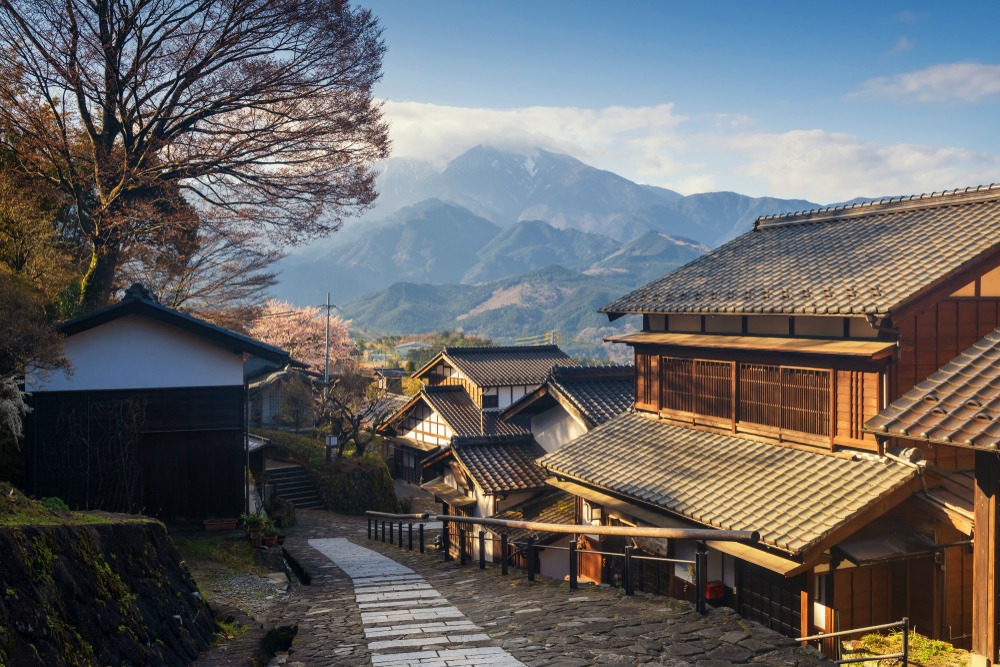
In the heart of Tohoku, the Hachimantai plateau is lined with forty volcanoes, flowering marshes and potent hot springs. A nature-focused Japan, far from the crowds.
The Hachimantai, Iwate and Akita-Komagatake mountains rank among the four dozen volcanoes that give the Hachimantai region, in the north of Honshu island, its nickname of the "Volcano Museum." After a trek through pristine wilderness, soothe your weary limbs in one of the many thermal springs scattered throughout the region.
History
Toward the end of the 8th century, General Sakanoue no Tamuramaro traveled to the Tohoku region in northern Honshu to bring the local populations under the authority of Japan's fiftieth emperor, Kanmu. Legend has it that he fell in love with the landscape. The idea then struck him to designate the place as the abode of the Shinto god of war and protector of Japan, Hachiman, from which the name "Hachimantai" derives.
Hachimantai Today
Hachimantai is part of the Towada-Hachimantai National Park. Tourist routes have been established throughout the region to give visitors access to local marshes, mountains and hot springs.
Hachimantai, a Preserved Destination for Open-Air Enjoyment
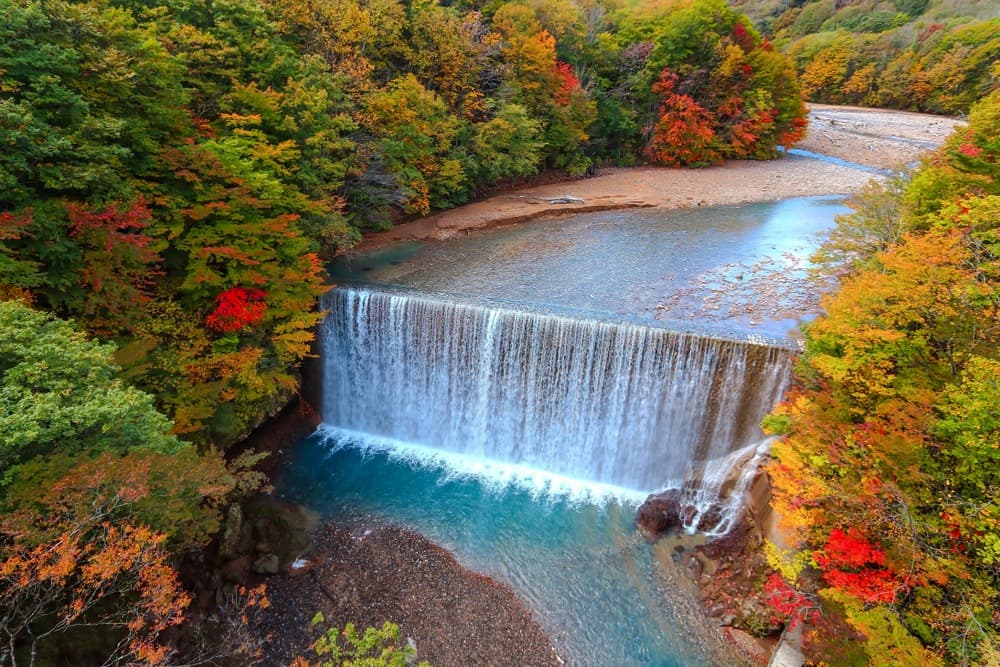
In this remote corner of Tohoku, you can camp and enjoy a variety of outdoor activities. Whether in the forest or in the mountains, nature invites relaxation and escape. Hachimantai is an excellent trekking destination, suitable for both children and adults. In winter, it becomes a skiing hotspot, highly prized for the quality of snow on its slopes. Add to this picturesque landscapes across all four seasons, marked by the vivid colors of alpine flora in spring and scarlet koyo in autumn. At your own pace, discover local flora and fauna through various hiking routes and nature observation trails.
Hiking Ideas in Hachimantai
The Goshogake-Tamagawa Onsen trail takes you on a discovery of flowering marshes and volcanic activity over approximately 4 hours. You successively cross the Onuma hiking path, the Goshogake nature observation trail, the Obayachi wooden boardwalk and the Tamagawa Onsen nature observation trail. It's an easy and quick loop to admire seasonal flowers and autumn koyo, alongside various volcanic phenomena such as gas vapors and bubbling hot springs. Be sure not to miss the opportunity to bathe in Tamagawa's thermal basins. Before starting your adventure, gather all useful information at the Hachimantai visitor center, near Lake Onuma.
The hike to Mount Iwate is also popular with tourists and especially mountaineers. You can choose from seven climbing trails to enjoy different angles and views of the mountain. With the help of a local guide, plan your route in advance, alternating ascents and descents to fully appreciate the scenery. From the summit of Mount Iwate, you'll enjoy a clear view across northern Tohoku. Along the way, Buddha statues will encourage you to complete the ascent.
Another compelling circuit, the trek to Mount Yakeyama immerses you in forests before reaching the volcano. This cross-country route completes in a single day. From Goshogake Onsen, numerous attractions await: the Mosen Pass, characterized by a carpet of bamboo grasses and various shrubs, Onigajo, which owes its creation to solidified lava from the Yakeyama volcano, the crater lake Yunuma which continues to expel volcanic gas to this day, and more. By early summer, blooming Isotsutsuji azaleas and wild roses add a romantic touch to the landscape.
Your Animal Friends
The preserved forests of Hachimantai are home to a rich variety of wildlife, including the Japanese sika deer, stoats, Asian black bears and Japanese martens. While it's not always easy to spot them, footprints and droppings in the fields prove they're never far away. Continue your adventure toward the mountain marshes, around which rare species of alpine flora thrive. Just minutes' walk from a parking area, you can already enjoy the spectacle of nature along an observation trail.
A Japanese-Style Wellness Break
At Hachimantai, the "Toji" culture continues to thrive today. This tradition involves pursuing a thermal cure to heal the body. Numerous onsen provide hot spring treatments to cure various ailments. Warm yourself on a Bedrock, the local sauna, or try Ondol therapy in a room featuring heated flooring.
Climate
Hachimantai experiences a humid continental climate with a short dry season. Precipitation is abundant—both rain and snow—averaging 1,330 mm annually. The average annual temperature reaches 10°C.
The main rail gateway to Hachimantai is Morioka Station. It's connected to Tokyo by the Tohoku Shinkansen, with the journey taking approximately 2.5 hours from the capital. Upon arrival at the station, take a local bus to reach the ski resorts or Mount Hachimantai, less than two hours' drive away.
Car rental allows you to move freely around the Hachimantai plateau. In winter, some ski resorts such as Appi Koggen offer shuttle services to the slopes. The Aspite Line toll road, open from April through November, serves ski areas located between Hachimantai and Akita Prefecture.
What to Do in Hachimantai
- Camp at Goshogake, at the foot of Mount Hachimantai
- Enjoy skiing at Shimokura resort in winter
- Trek to Mount Yakeyama
- Photograph the flowering marshes
- Experience the benefits of a thermal cure at an onsen in Tamagawa, and more
Want to discover this destination?
Our local advisors design your tailor-made trip.