Ise
Ise
Spiritual heart of Japan, Ise is home to the country's most sacred Shinto shrine. Between married rocks, Edo-era alleyways and a thousand-year pilgrimage tradition, here's our complete guide.
Ise, formerly known as Ujiyamada, is a city located in the eastern part of Mie Prefecture, along the Pacific Ocean. It is primarily renowned for its famous sanctuary, designated as Japan's national heritage, and the Ise Pilgrimage Route, also inscribed on the UNESCO World Heritage List. Beyond these treasures, this site is brimming with unmissable sacred wonders.
Your stay will revolve around a city marked by gentle vitality and cultural richness—from educational pursuits to discovering countless hidden gems: museums, festive celebrations, and numerous attractions that defy easy enumeration.
Choose this destination to maximize your experiences. Ise, through its distinctive character, reveals itself as a garden of a thousand secrets. Multiple perspectives unfold in this singular place. Between the warm hospitality of its residents and extraordinary cuisine, the detour is well worth it!
The Historical Past of Ise
Ise was once formed from the names of two respective sanctuaries, Uji and Yamada. Their merger created a village in 1889, which became a city in 1906 and was renamed Ise in 1955 to avoid confusion between the regions. In 2005, the towns of Futami and Obata, as well as the village of Misono, were incorporated into the city.
Ise Today
The city of Ise, spanning a total area of 208.35 km², had a population of 126,880 inhabitants as of July 31, 2008. One can only imagine the steady demographic growth in the years that followed. It was here that Kogakukan University was established, operating under national control between 1940 and the end of World War II. This academic institution specializes in Shinto studies and awards Shinto priesthood licenses.
The city is also known for its highly advanced cutting-edge technology. Moreover, several innovative applications are found in private homes, commercial buildings, are used in the production of Japanese films, and are integrated into the latest vehicles.
Ise Through Its Treasures
Begin your first day with a thorough visit to the Ise Shrine. It comprises two separate sites divided by a sacred forest, with public access strictly controlled and carefully guarded. Located within the city itself and dating back to the year 4, it is the most prized monument for tourists. This sanctuary carefully preserves the Sacred Mirror of the Emperor. Numerous valuables, presumably belonging to the imperial family, have been meticulously maintained.
Continue your journey by admiring the Meoto Iwa, better known as the "married rocks." These are two rocks of different sizes, connected by a Shinto rope called shimenawa, weighing approximately 1 ton.
Immerse yourself in the city's traditions by attending the festive celebrations organized each year. The most striking is undoubtedly the Okihiki Festival, or tree-hauling ceremony. This is a grand celebration in which timber is dragged to the shrine. Other festivities, such as the Miya Fireworks Festival or the Kagurasai ceremony, will further enrich your stay in this destination.
Visit the city's restaurants to discover the most beloved culinary specialties. Would you like to taste Ise lobster (Ise-ebi), Ise udon, or Akafuku, the famous rice cake wrapped in red bean paste? This experience will certainly be worthwhile.
Best Time to Visit Ise
Explicitly stated, the city of Ise experiences a rather varied climate. Generally, the climate is warm and humid subtropical, with significant rainfall throughout the year.
Nevertheless, the ideal period to plan a trip to Ise falls around the months of May, July, August, and October. You'll have the opportunity to choose the most favorable date for your departure.
If you wish to arrive quickly and safely, you should fly from Chubu International Airport.
Moreover, high-speed ferries traverse the region from the airport, allowing travelers to reach Ise from Tsu in 45 minutes. The journey costs 2,470 JPY or approximately €20.48. If you disembark at a port, a local bus takes you to Tsu Station. Then Kintetsu Railway will transport you to Ise in 35 minutes for 620 JPY, approximately €5.14. Additionally, you can benefit from the Kintetsu Rail Pass, which includes unlimited travel for 5 days.
Another interesting option is the coach. Companies such as Willer Express, Seibu, and Mie Kotsu offer competitive services. They also provide overnight services from Tokyo or Yokohama to the city of Ise.
Transportation Options in Ise
Normally, the city of Ise enjoys excellent local transportation services.
Apart from the railway, the coach is the most common and essential vehicle circulating throughout the region.
If you wish to conduct a thorough exploration of the city, the best approach is to rent a car. You'll be able to manage your itinerary at your own pace while enjoying complete escapism in an atmosphere of relaxation.
Attractions in Ise
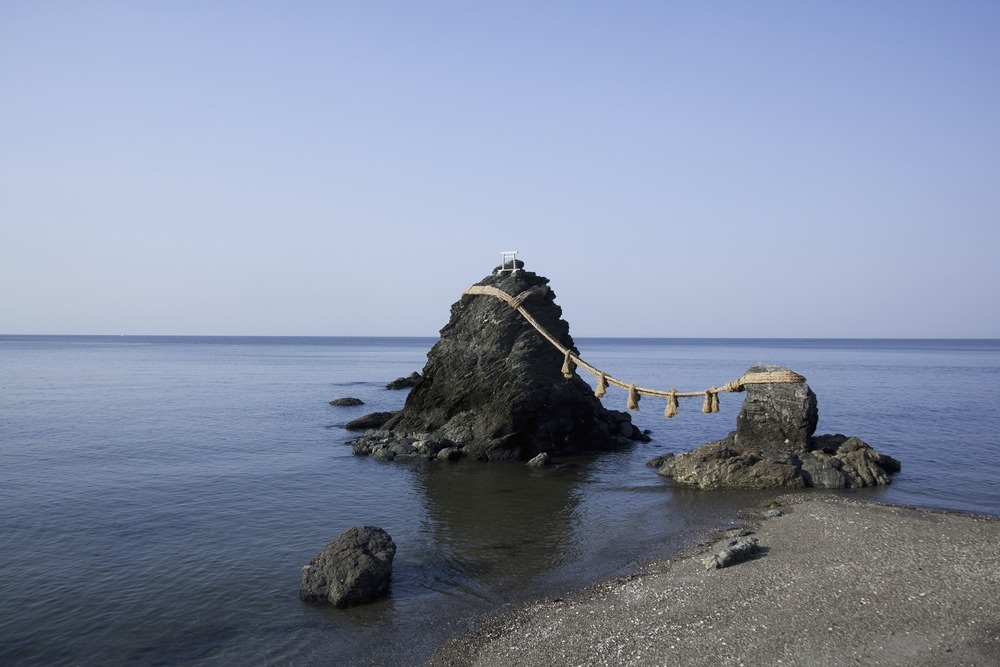
Le parc national d'Ise
Sanctuaire d'Ise-Jingu, rochers mariés de Meoto-Iwa, baie perlière d'Ago : tout pour visiter le parc national d'Ise-Shima dans la préfecture de Mie.
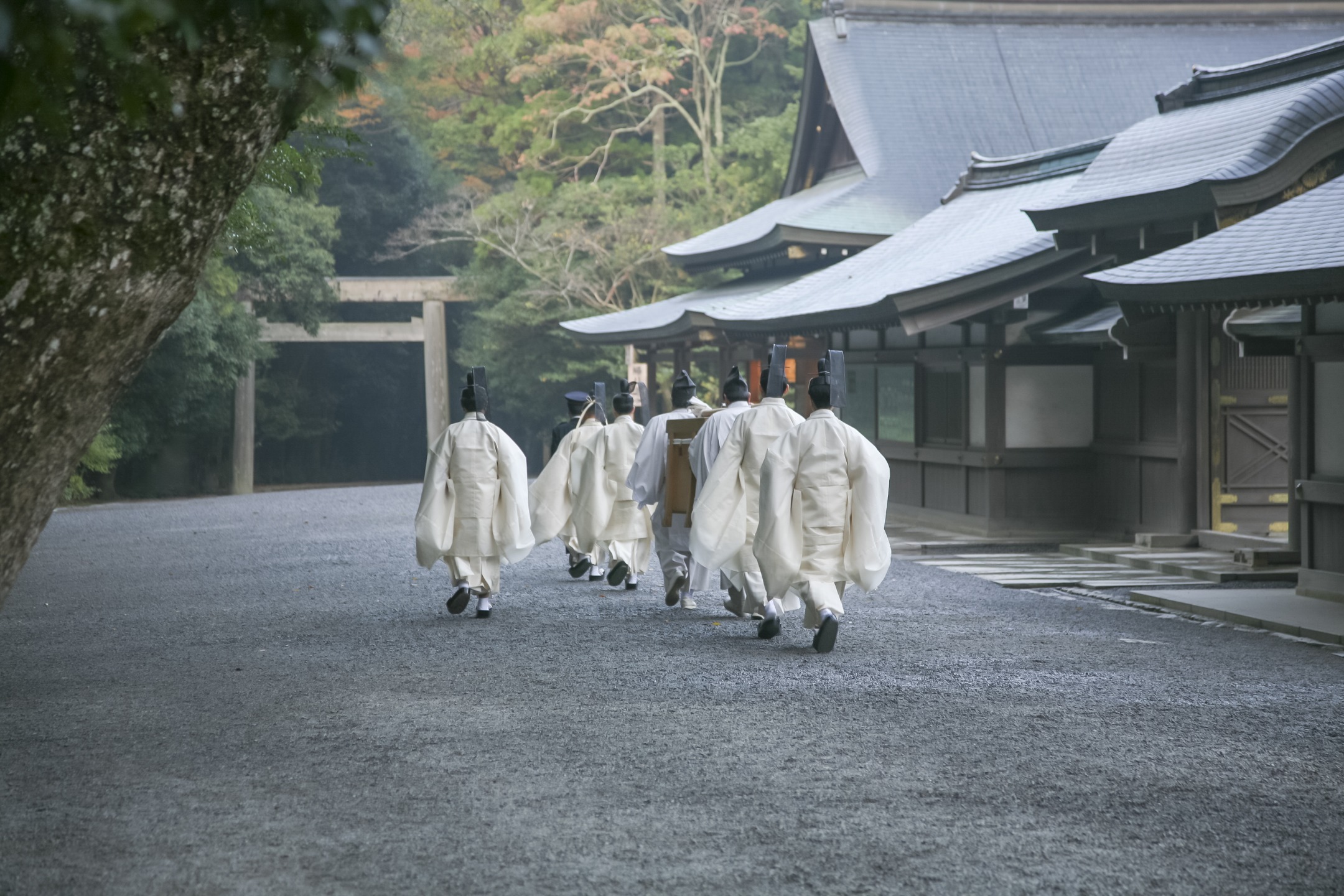
Le sanctuaire d'Ise
Le sanctuaire d'Ise (Ise-Jingū), à Mie, est le plus haut lieu du shintoïsme japonais. Reconstruit tous les vingt ans, il abrite les sanctuaires Naikū et Gekū.
Want to discover this destination?
Our local advisors design your tailor-made trip.