Kamakura
Kamakura
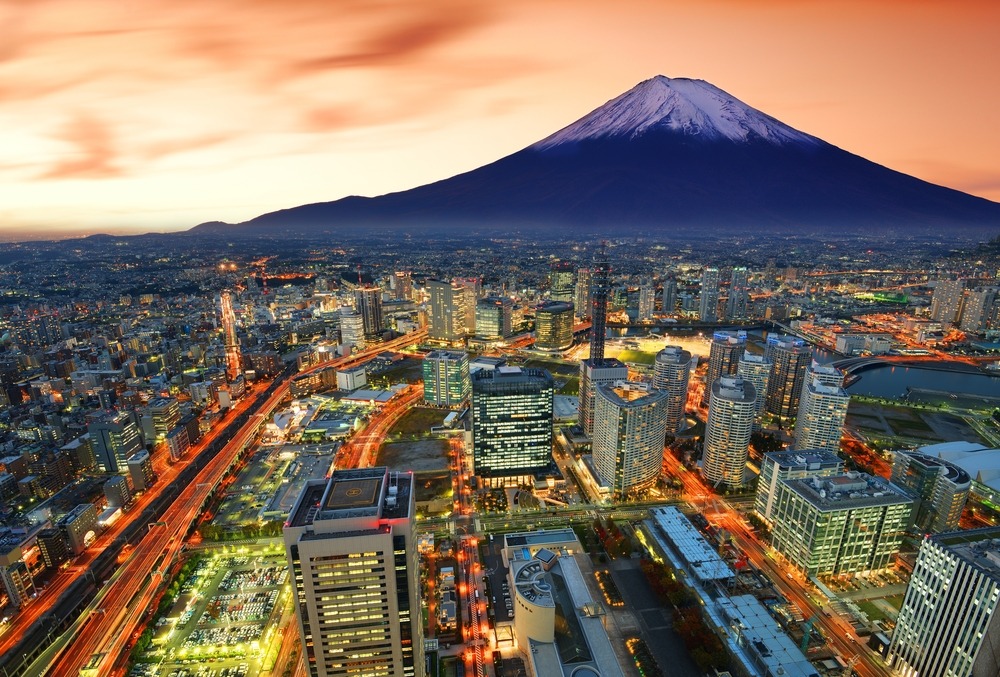
A former shogunal capital just an hour from Tokyo, Kamakura blends Zen temples, a magnificent bronze Great Buddha, surfing beaches and rides on the Enoden railway with Mount Fuji in the distance.
This coastal city nestled in Sagami Bay, roughly fifty kilometers south of Tokyo, offers an atmosphere that is simultaneously epicurean and zen. A magnet for surfers and yoga enthusiasts alike, Japan's former capital showcases some sixty religious monuments scattered between beaches and hills.
History
Kamakura is a city steeped in history. As a former political hub alongside Kyoto and Nara, it was the birthplace of Japan's first military government.
Towards the end of the 12th century, the Kamakura shogunate, led by General Minamoto no Yoritomo, eclipsed the imperial court of Kyoto. From 1192 onwards, Kamakura became the capital of Japan. Following Yoritomo's death, the samurai clan Hojo came to dominate the region. Chinese influence took root in Kamakura through flourishing trade with the Song and Yuan dynasties during the 13th century, particularly in Buddhist philosophy and architecture.
Relinquishing its capital status to Tokyo in the 14th century, Kamakura reverted to a humble fishing village. By the 17th century, the city reinvented itself, flourishing as a temple town before becoming a fashionable seaside retreat for its beaches from the 14th century onwards. Kawabata Yasunari, Nobel Prize for Literature laureate in 1968, composed several of his works in Kamakura.
While the Kamakura shogunate officially ended in 1333, its martial culture—encompassing elements of samurai spirituality, aristocratic tradition, and influences from the Song and Yuan dynasties—continues to permeate contemporary Japanese society.
Today
Its rich history and cultural heritage make Kamakura a destination for discovering Japanese heritage. The city also offers a refreshing escape from Tokyo's intensity, serene and bathed by the waters of Sagami Bay.
A journey through Kamakura inevitably leads to the Daibutsu, a monumental bronze Buddha standing 13 meters tall within Kotoku-in temple. Dating to 1252, this sculpture ranks as Japan's second-largest buddha and can be admired from both outside and within. More intimate in scale, the Hokoku-ji temple perches on the city's heights, boasting a serene bamboo garden visible from the adjoining tea house. Among Kamakura's religious treasures, Jomyo-in temple offers matcha tea tastings in its tranquil tea house, built four centuries ago. The moment of repose extends into its meditative stone garden.
Kamakura's waterfront presents a wealth of marine activities. Zaimokuza and Yuigahama beaches draw the most swimmers. Shallow waters allow children to enjoy the sea safely. In summer, Yuigahama buzzes with youthful energy, lined with ephemeral beach bars and lounges. The quieter Zaimokuza appeals more to families. Beaches are supervised during the summer season, with parasols and loungers available for rent. At Yuigahama, specialized shops rent surfboards and stand-up paddleboards, though specific hours apply to these activities. The Inamuragasaki and Shichirigahama beaches suit surfers better, with powerful waves rolling in year-round. While beloved by athletes, Inamuragasaki equally captivates those seeking stunning vistas—glimpses of Enoshima Island and Mount Fuji on clear days.
With the ocean deeply embedded in Japanese culture, numerous festivals and religious ceremonies unfold on Kamakura's beaches in honor of the sea deity. Around July 1st, marking summer's onset, Kamakura celebrates the Umi-biraki ceremony, or "opening of the sea." An altar is erected on one of the beaches, where Shinto priests, accompanied by flute players and locals, gather to honor the Shinto sea deity Kami and seek protection. Concurrently, the miko—young shrine attendants—perform the sacred Kagura dance.
To carry home a memento of your Kamakura visit, consider the Hatosabure cookies, pigeon-shaped biscuits sold near the station. Don't miss Buddha-shaped cakes available at stalls near Kotoku-in temple either. The filling of sweet red bean paste will surely delight your loved ones back home!
Climate
Kamakura enjoys a temperate climate with an average temperature of 16°C. It boasts beautiful and diverse scenery throughout the year, particularly stunning views over the Pacific Ocean. In June, hydrangeas bloom abundantly in the hills, creating a magnificent tapestry with the sea, city, and Mount Fuji as backdrop.
Kamakura is accessible by train in about an hour from Tokyo. Several railway companies offer affordable tickets and passes to travel between the two cities. With a JR Pass, you can navigate easily to Kamakura on JR lines.
The city is served by three main stations (Kamakura, Ofuna, and Kita-Kamakura), each accommodating multiple rail services departing from the capital:
The JR Yokosuka Line completes the journey in approximately one hour from Tokyo Station.
From Ikebukuro, Shibuya, or Shinjuku stations, the JR Shonan-Shinjuku Line covers the distance in 60 minutes.
Some Kamakura attractions are within walking distance, while others require transport. Buses operate throughout the city and surrounding areas from the station. You can also rent bicycles at various locations.
Attractions in Kamakura
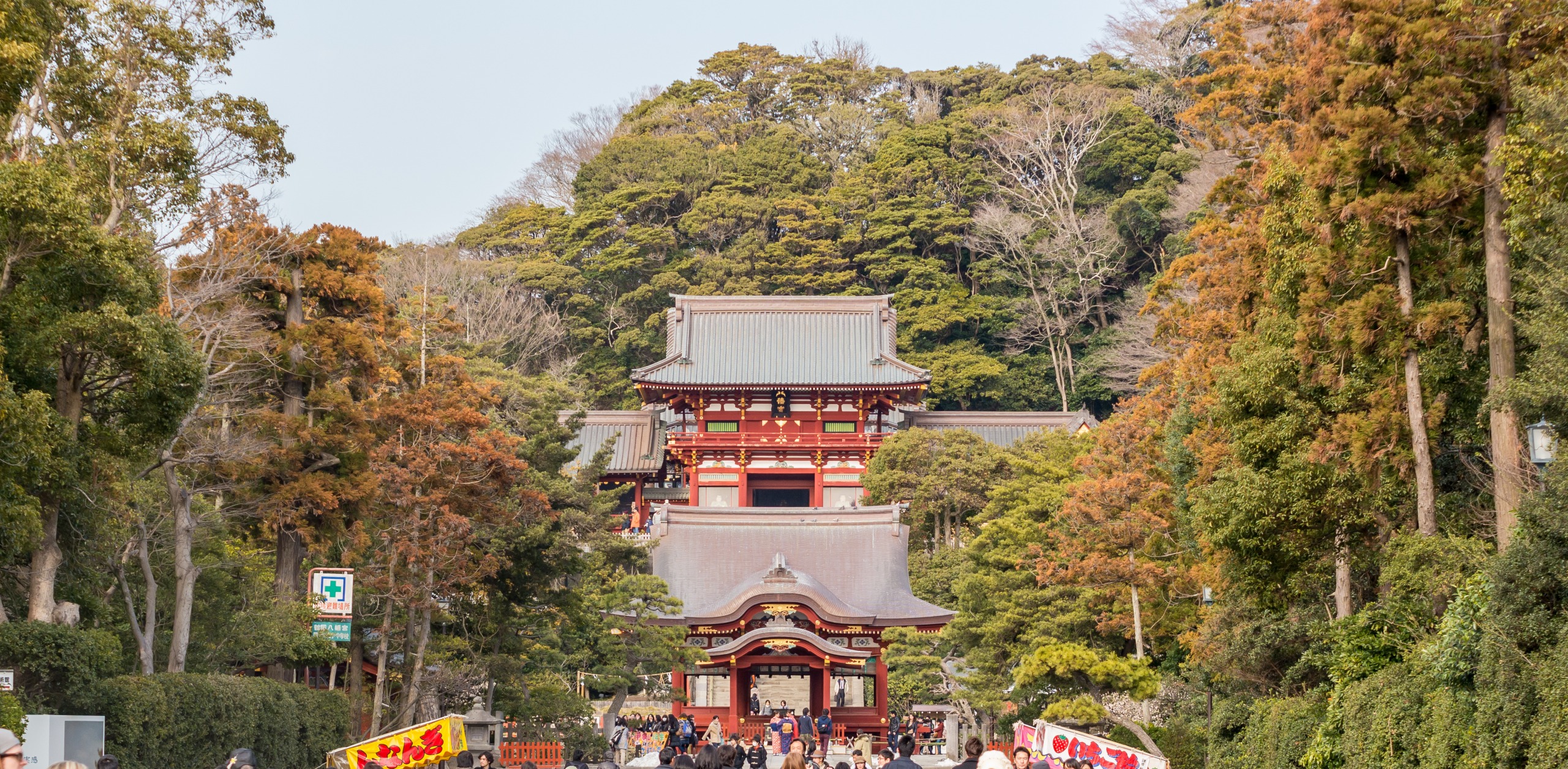
Le Shogunat ou Bakufu
Pendant près de sept siècles, le shogunat ou Bakufu a gouverné le Japon. Histoire, sites à visiter et conseils pour suivre les traces des shoguns.
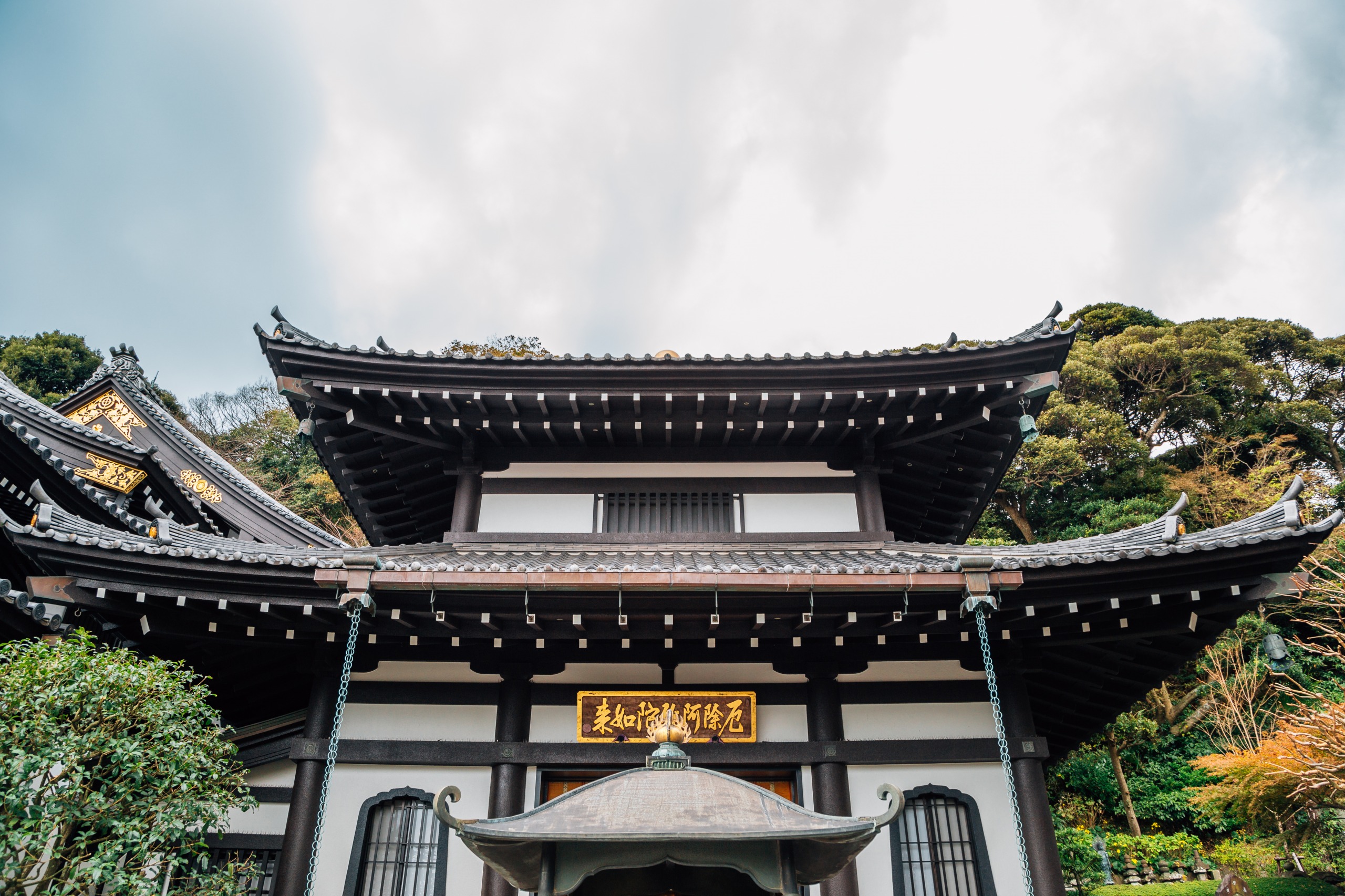
Le temple Hase
Sur les hauteurs de Kamakura, le temple Hase-dera abrite une statue de Kannon de 9,18 m, une grotte sculptée et un panorama sur la baie.
Want to discover this destination?
Our local advisors design your tailor-made trip.