Kumamoto
Kumamoto
Between a beautifully reconstructed castle, the Mount Aso caldera, and the Kurokawa hot springs, Kumamoto reveals an authentic Kyushu steeped in the legacy of the samurai Hosokawa and the legendary Musashi.
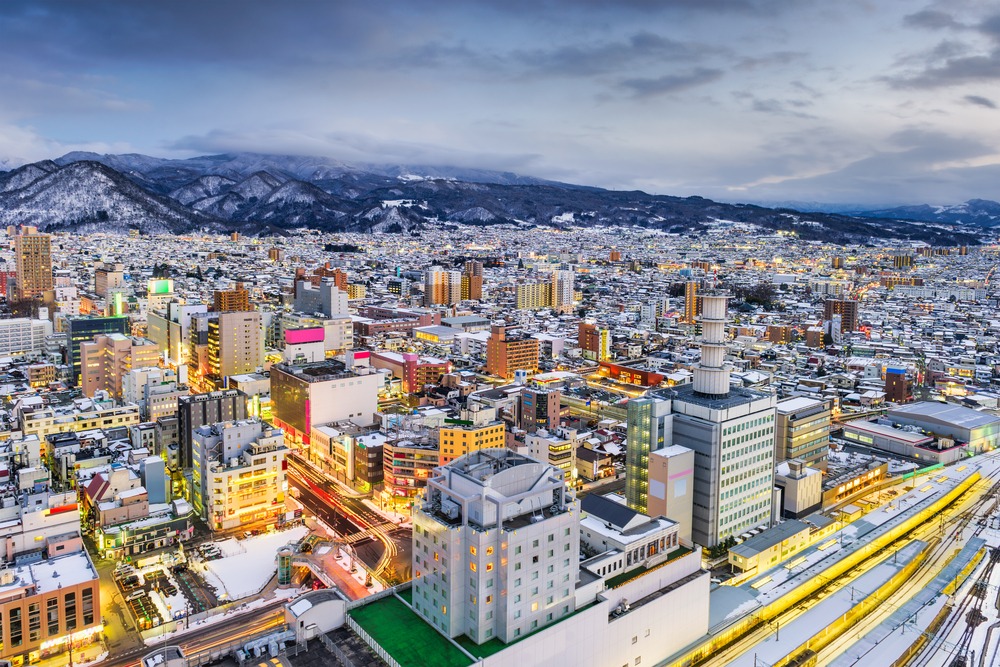
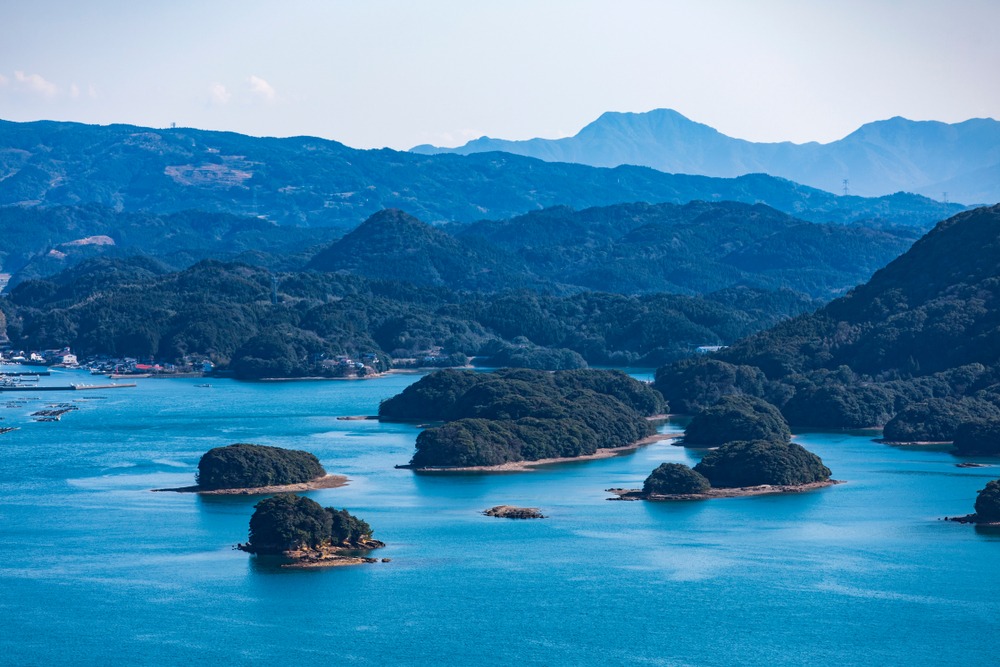
Kumamoto is the capital of the prefecture of the same name, located in the heart of Kyushu island. Nestled midway between Fukuoka and Kagoshima, this city that thrives between mountains and rivers takes pride in its castle, as well as its remarkable surroundings, including the impressive Mount Aso caldera.
History
After receiving the title of daimyo of Higo province in 1588, Kato Kiyomasa transformed Kumamoto Castle into an impregnable fortress, equipping it with numerous innovative defensive structures. Following his death in 1611, his son Kato Tadahiro took control of the city until 1632, when Tokugawa Iemitsu deposed him and transferred power to the Hosokawa clan. Hosokawa Tadatoshi, the third daimyo of Kumamoto domain, became the patron of the legendary samurai Miyamoto Musashi.
Kumamoto, the Land Where the Legendary Samurai Musashi Spent His Final Days
Miyamoto Musashi arrived in the city in 1640 to serve the Hosokawa clan. Beyond perfecting his signature two-sword fighting style (Niten Ichiryu), he studied various artistic disciplines including painting and calligraphy. It was in Kumamoto that Musashi, before his death in 1645, authored "The Book of Five Rings," a work that has become renowned worldwide.
Bombing and Earthquakes: The City Has Not Always Known Peace
During World War II in 1945, aerial raids inflicted severe damage on the city. In April 2016, Kumamoto was struck by a series of violent earthquakes. The main tremor reached a magnitude of 7.3. The human toll was heavy, with homes and monuments devastated, including the castle itself. While daily life has gradually returned to normal, restoration efforts continue to this day.
What to Do in Kumamoto?
1. Visit Kumamoto-jô
Alongside Himeji Castle and Matsumoto Castle, Kumamoto-jô ranks among the three most famous fortresses in the country. Although only its watchtower from 1607 survived the earthquakes, the carefully restored seat of the Hosokawa samurai has regained its full majesty. Visit Kumamoto in spring to witness the spectacular display of cherry blossoms throughout its grounds. Also explore the aristocratic residence established by the Hosokawa on the opposite side of the domain.
2. Immerse Yourself in the Legend of Miyamoto Musashi
The city is home to numerous attractions connected to Miyamoto Musashi's legacy. The most famous is Reigando Cave, where the samurai withdrew to write "The Book of Five Rings." According to legend, Musashi passed away a week after completing his masterpiece. On the cave walls, you'll find a representation of Iwato Kannon, while Reiganji Temple carefully preserves the wooden katana Musashi used in his duel with Kojiro Sasaki. Many Japanese films and television shows continue to immortalize Musashi's myth, including the bestselling manga "Vagabond" by Takehiko Inoue, also the creator of "Slam Dunk."
Near Kumamoto Castle, Sakura no Baba Jousaien invites you to take photos with its team of samurai, ninja, and an empress dressed in 17th-century clothing and armor. Keep in mind, however, that these are not actual samurai, so don't challenge them to a sword duel. Simply enjoy their authentic appearance and entertaining performances. If the opportunity arises, attend a Higo Koryu tea ceremony, or Bushi no cha, which means "the warrior's tea."
3. Stroll Through Suizenji Jojuen Garden
Suizenji Jojuen garden will immerse you in Japanese landscape art. Wander along its winding paths to discover meticulously pruned pines and precisely arranged rocks. At the heart of the garden, a crystalline pond harboring colorful koi carp reflects the surrounding trees, creating a serene atmosphere.
Your walk through Suizenji Jojuen will also reveal majestic cherry trees, a Shinto shrine nestled in the greenery, a miniature representation of Mount Fuji, and a thatched-roof tea pavilion.
4. Discover Honmyo-ji Temple
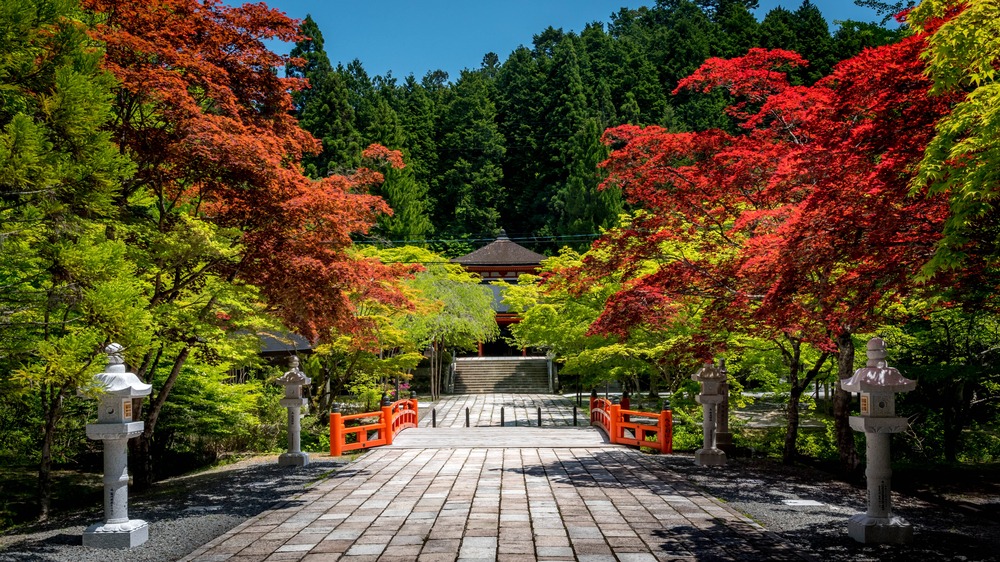
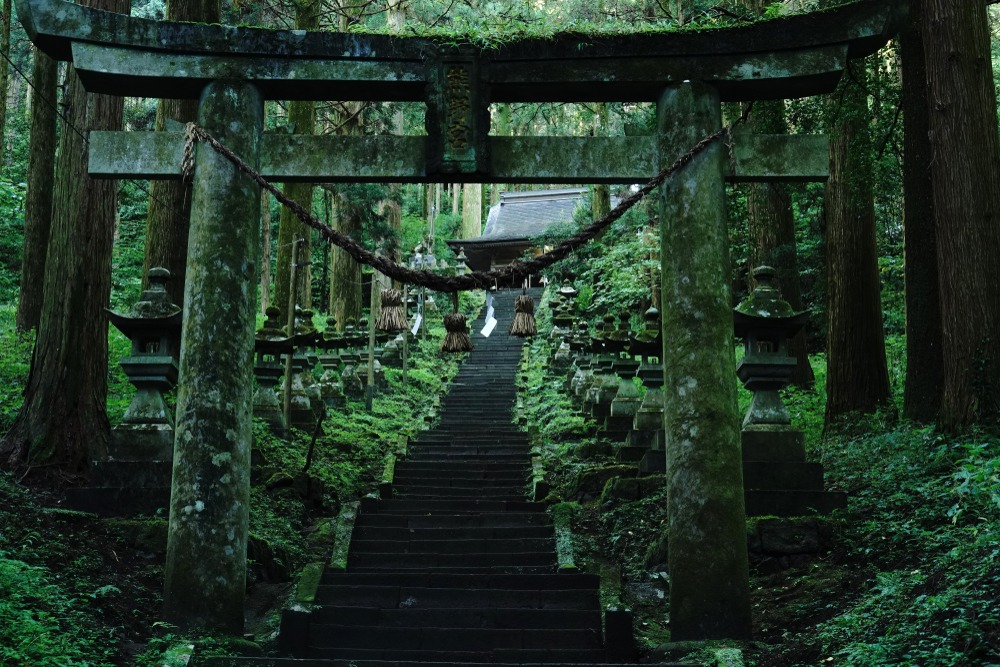
Honmyo-ji Temple, an architectural gem of Kumamoto, stands out for its 176 steps lined with lanterns leading to the tomb of Kato Kiyomasa. This Nichiren Buddhist temple, founded in 1585, captivates with its blend of spirituality and history.
At the summit, you'll enjoy a stunning panorama of the city. The main sanctuary, rebuilt following the 2016 earthquake, houses remarkable artistic treasures.
Every July, the Tonsha-e festival animates the temple. Monks recite the Lotus Sutra throughout the night, perpetuating a centuries-old tradition.
5. Experience the Kumamoto Contemporary Art Museum
The Kumamoto Contemporary Art Museum offers a captivating immersion into contemporary artistic creation. Its permanent collection showcases works by renowned Japanese and international artists such as Yayoi Kusama and James Turrell.
Temporary exhibitions, regularly refreshed, explore diverse themes: digital art, emerging technologies, dialogue between Japanese traditions and modernity, and more.
The museum also organizes interactive workshops allowing visitors to experiment with various artistic techniques. A guided tour will reveal the secrets behind iconic works in the collection.
For photography enthusiasts, don't miss the gallery dedicated to contemporary Japanese photographers.
6. Shopping
Kumamoto's shopping and dining spots concentrate around Kumamoto Station. The Kami-tori and Shimo-tori streets are the principal commercial districts, brimming with shops of all kinds. Shower Street hosts cafés and fashion boutiques that give it the feel of a European street. In the Shin-shigai Sun Road neighborhood, you'll find cinemas.
7. Explore Mount Aso
Mount Aso is an absolute must when visiting the city of Kumamoto. Millions of tourists come every year to behold the snow-capped peaks, columns of fumaroles, and ancestral traditions of Japan's largest active volcano.
The massive Mount Aso encompasses around fifteen volcanic cones reaching an altitude of 1,592 meters. Regardless of season, provided you're properly equipped, the five main peaks offer thrilling hiking circuits within the caldera. Mountain lakes, meadows, and relaxing hot spring stations (Tarutama or Kurokawa) await along the way.
8. Taste Local Cuisine
Kumamoto is equally renowned for its culinary treasures. Karashi renkon, a specialty made from lotus root stuffed with mustard, surprises with its unique flavor. Meat lovers will appreciate basashi, horse sashimi served with ginger and garlic.
Don't miss savoring Kumamoto ramen, recognizable by their creamy pork broth and crispy fried garlic shoots. For an authentic experience, visit an izakaya in the city center where you can enjoy these dishes paired with local sake.
Regional fruits, particularly dekopon mandarins, offer a refreshing sweet note. Finally, taste ikinari dango, a traditional pastry made with sweet potato.
Practical Information
High-speed trains connect Kumamoto to Fukuoka and Kagoshima. You can also travel by plane from major Japon airports and land at Aso Kumamoto Airport, located approximately one hour from the city. Boat cruises are also available from Nagasaki. Long-distance buses serve Kumamoto from Osaka and Kyoto.
Kumamoto has two streetcar lines and a local bus network that connect to most tourist attractions with relative ease. Stations offer various types of day passes to visitors for more economical travel.
How Many Days Do You Need to Visit Kumamoto?
To explore Kumamoto comprehensively, 2 to 3 days are sufficient. This allows you to discover the main attractions, such as Kumamoto Castle, Suizenji Jojuen Garden, and Mount Aso, while experiencing local culture and enjoying regional cuisine. If you wish to deepen your visit with excursions to surrounding areas, plan for up to 4 days.
When to Visit?
The most favorable periods for tourism in Kumamoto span from early April through late May, and from September through November. The rainy season primarily affects June and July.
Want to discover this destination?
Our local advisors design your tailor-made trip.