Matsuyama
Matsuyama
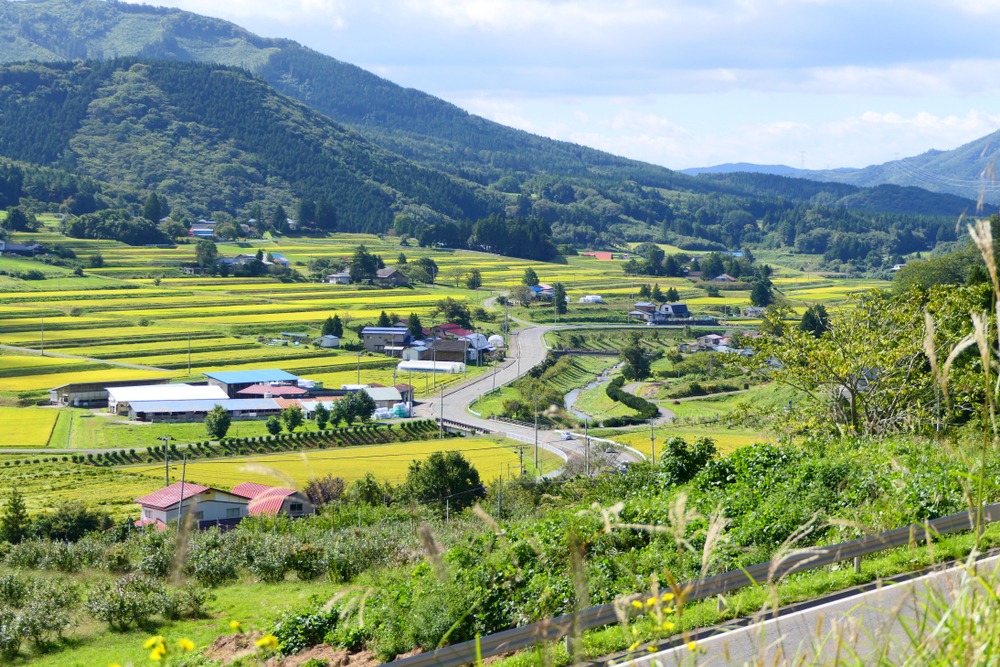
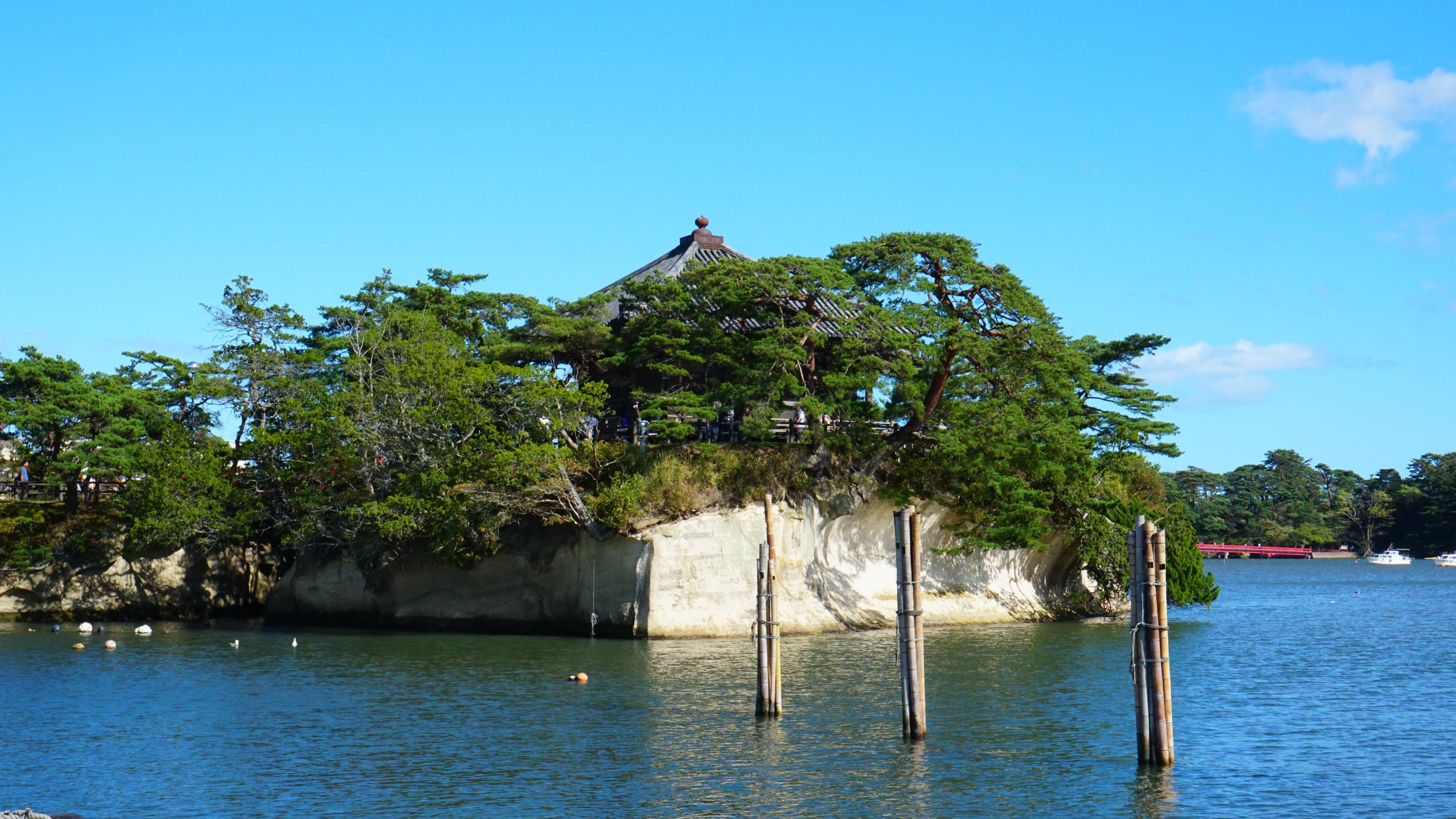
Castles, hot springs, haiku poetry, and a pilgrimage through 88 temples: Matsuyama shares its profound love for Japanese culture on the island of Shikoku.
Castles, hot springs, literature… Matsuyama shares its profound love for Japanese culture in a setting that blends urban energy with rural tranquility on the island of Shikoku.
History
The region gained prominence from the 14th century onward, first with the construction of Dogo fortress by the Kono clan, then with the creation of Matsuyama Castle atop Mount Katsuyama by daimyo Kato Yoshiakira. In 1635, the fortress was taken over by the Matsudaira clan, who ruled the locality until the Meiji Restoration in 1868.
During World War II, American air raids devastated the city of Matsuyama. Since 1966, restoration efforts have been undertaken alongside urban development projects. Today, Matsuyama is the capital of Ehime Prefecture and the largest city on Shikoku.
Discovering Matsuyama
Matsuyama breathes simple living, genuine hospitality, and a deep reverence for its heritage. Thanks to this welcoming atmosphere, immersion into the city's character happens naturally. The streets offer pleasant discovery with warm-hearted locals, while tourist sites promise wonder in every direction. In Matsuyama, you have the opportunity to soak in Japan's oldest hot spring, appreciate the country's literary legacy, explore an authentic castle, and engage in countless other enriching activities.
Visit Matsuyama Castle
Perched on a hilltop, Matsuyama Castle ranks among Japan's twelve remaining authentic castles. From the grounds, you can contemplate the city's fantastic panorama, made even more breathtaking by cherry blossoms in spring. Several cultural activities enhance your visit. Among them, you can don a samurai costume for unique photographs.
Unwind in Japan's Oldest Hot Spring
A visit to Dogo Onsen is essential during your stay in Matsuyama. For over three thousand years, these thermal waters have brought comfort and rejuvenation to their visitors. Members of the imperial family are said to have bathed here. It's the perfect place to experience authentic onsen culture. For film enthusiasts, the hot spring inspired part of the setting in Miyazaki's cult anime masterpiece "Spirited Away." Nearby lies a park where you can stroll, explore the ruins of Yuzuki Castle, and observe a variety of Japanese artwork displayed outdoors.
Don't Miss the Buddhist Temples
Matsuyama is home to eight Buddhist temples that form part of the Shikoku Henro, a pilgrimage route encompassing 88 sacred temples across Shikoku island. Right next to Dogo Onsen stands Ishite-ji temple. Built in honor of Kobo Daishi, the founder of Shingon Buddhism, the monument houses a mysterious labyrinth of tunnels adorned with statues and a wealth of fascinating artifacts. Other notable temples include Enmyo-ji, Taisan-ji, and Hanta-ji.
Immerse Yourself in Matsuyama's Rich Literary Heritage
Matsuyama is the birthplace of Masaoka Shiki, the father of modern haiku, whose life and work are honored at the Shiki Memorial Museum. For those who enjoy poetic challenges, seek out haikus engraved on stones scattered throughout the city, complete with special mailboxes for submitting your own creations.
Matsuyama also serves as the setting for Natsume Soseki's celebrated novel "Botchan," which features prominently in Japan's school curriculum. The book captures the locality during the Meiji Restoration era. Finally, to conclude your literary journey, visit the Saka no Ue no Kumo Museum, which houses an extensive collection of artifacts related to Ryotaro Shiba's novel "Clouds Above the Hill."
When to Visit?
Visit Matsuyama in spring, between March and May, to witness the spectacular cherry blossom season and enjoy mild temperatures during your outings. Autumn, from September to November, is equally rewarding for exploring the city.
As the prefectural capital and largest city on Shikoku, Matsuyama is served by an extensive transport network linking it to different parts of the island and all of Japan. Regular flights connect Haneda Airport in Tokyo and Matsuyama Airport in approximately 1 hour 30 minutes. From Osaka, the flight takes less than an hour.
By train, from Tokyo or Osaka, travel on the Shinkansen to Okayama, then take the JR Seto-Ohashi/Yosan express train to Matsuyama Station. From Hiroshima, ferries deliver you directly to Matsuyama Port.
Matsuyama's compact city center is perfectly navigable on foot. The main tourist attractions are clustered around Dogo Onsen. If you prefer not to walk, public transport includes streetcars, local buses, and vintage steam trains. For more distant destinations, you can take the suburban train. Certain areas of the city are ideal for cycling; rental services are available at the train station, castle, and Matsuyama International Center.
What to Do in Matsuyama?
- Visit one of Japan's twelve remaining authentic castles
- Explore haiku poetry culture
- Rejuvenate in the thermal waters of Dogo Onsen
- Discover the temples of Shikoku Henro
- Cycle through the city, and much more
Attractions in Matsuyama
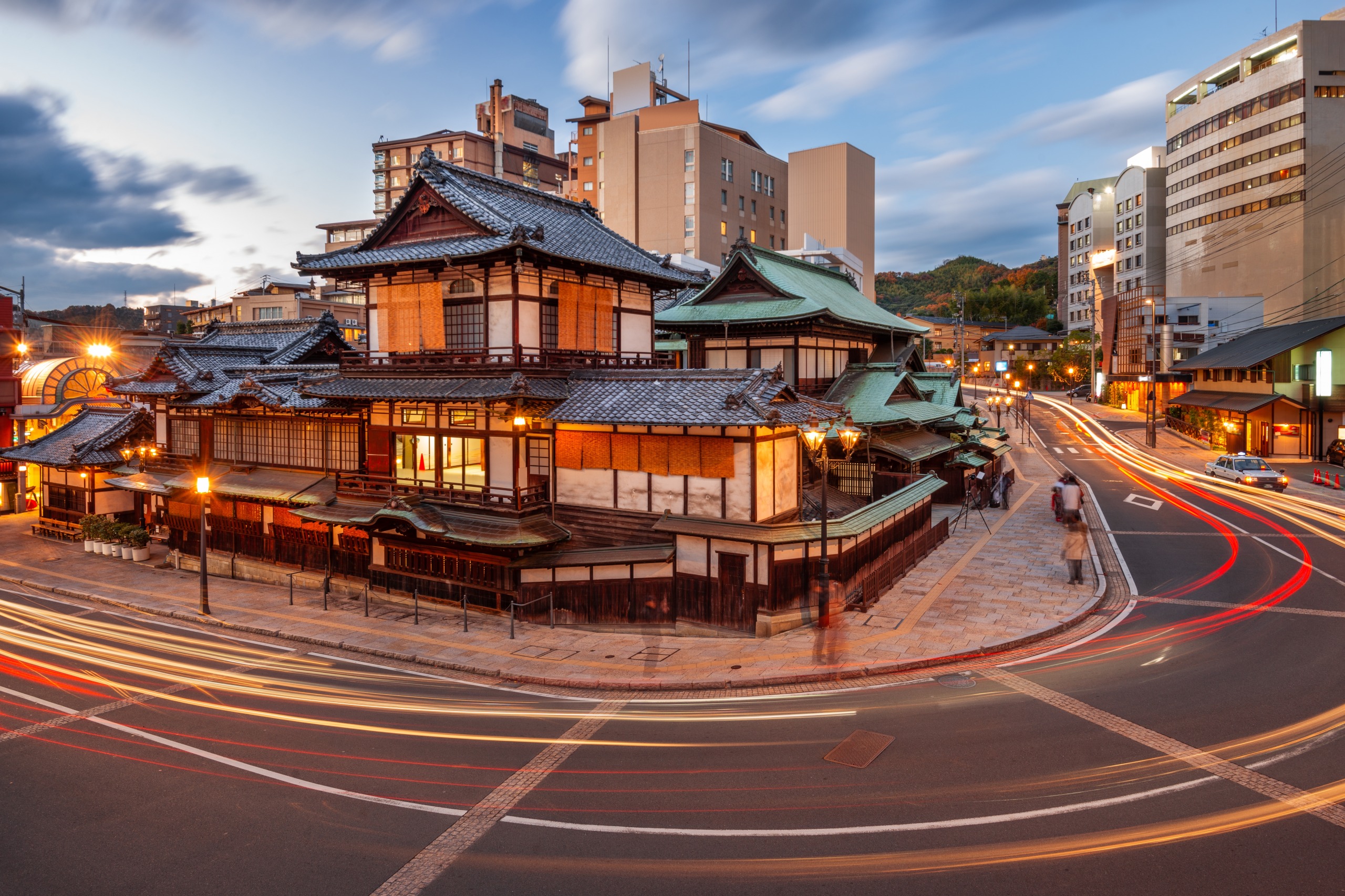
Matsuyama Dogo Onsen
Plus ancienne source thermale du Japon, le Dogo Onsen de Matsuyama réunit bains historiques, architecture Meiji classée et légendes fondatrices.
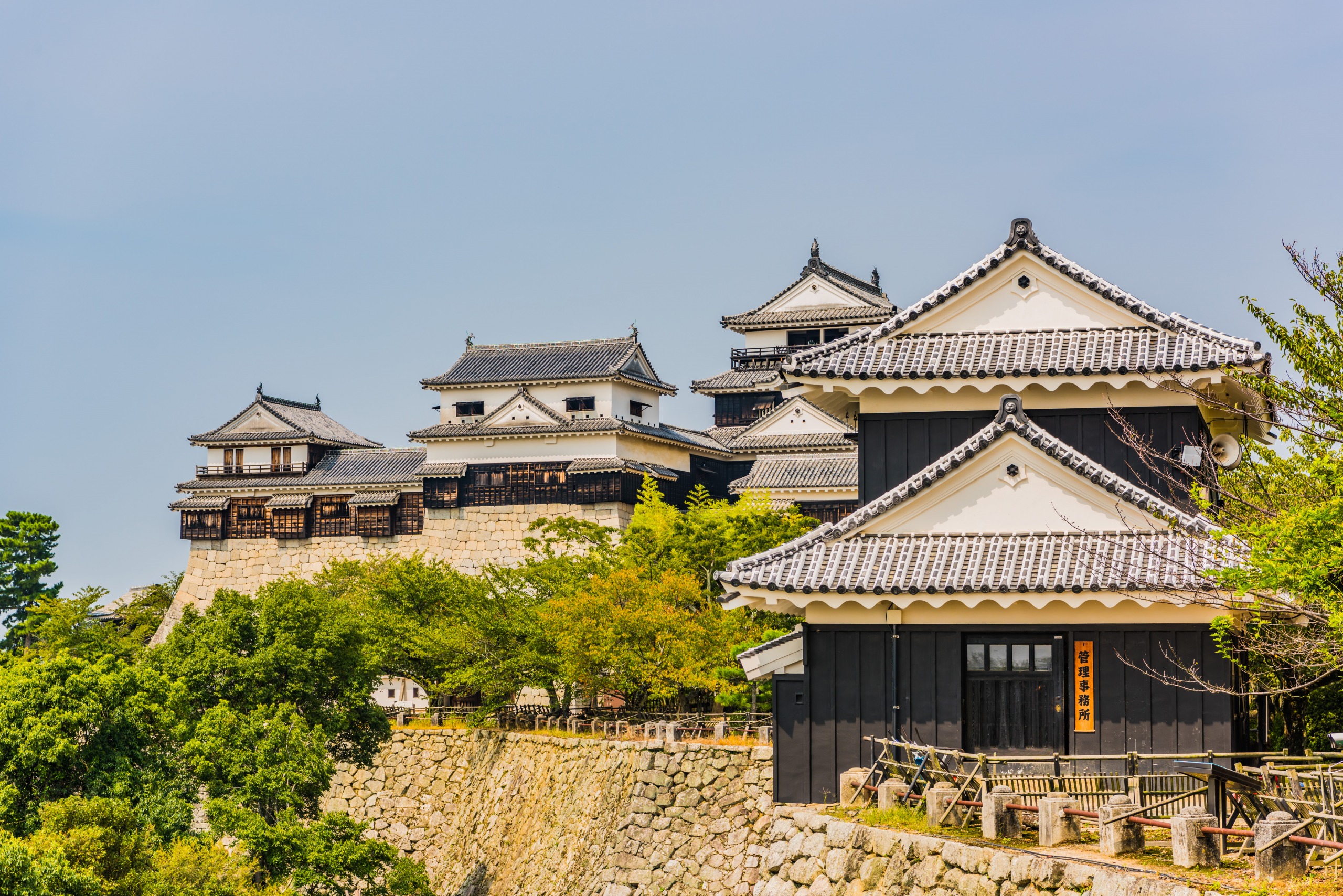
Le Château de Matsuyama
Posé au sommet du mont Katsuyama, le château de Matsuyama est l'un des douze donjons japonais d'origine. Histoire, visite et accès pratique.
Want to discover this destination?
Our local advisors design your tailor-made trip.