Nagano
Nagano
Between an ancient temple, hot springs and the Japanese Alps, Nagano reveals an authentic mountain Japan, just 90 minutes from Tokyo by Shinkansen.
Capital of its namesake prefecture, Nagano is renowned for its history and natural landscapes. It is a major center of Buddhist pilgrimage and also a destination for winter sports in the Japanese Alps.
History
Nagano's history is linked to the Zenkō-ji, one of Japan's oldest Buddhist temples, founded in 644. The region developed as the spiritual significance of this sacred site grew. The steady flow of pilgrims passing through the city contributed to its renown. Nagano was officially established as a "temple-city" on April 1, 1897.
The 1998 Winter Olympics
Nagano hosted the Winter Olympics in 1998. The event propelled the city onto the international stage. Since then, the city has attracted increasing numbers of tourists drawn to skiing and hiking.
What to Do in Nagano?
Hit the Slopes
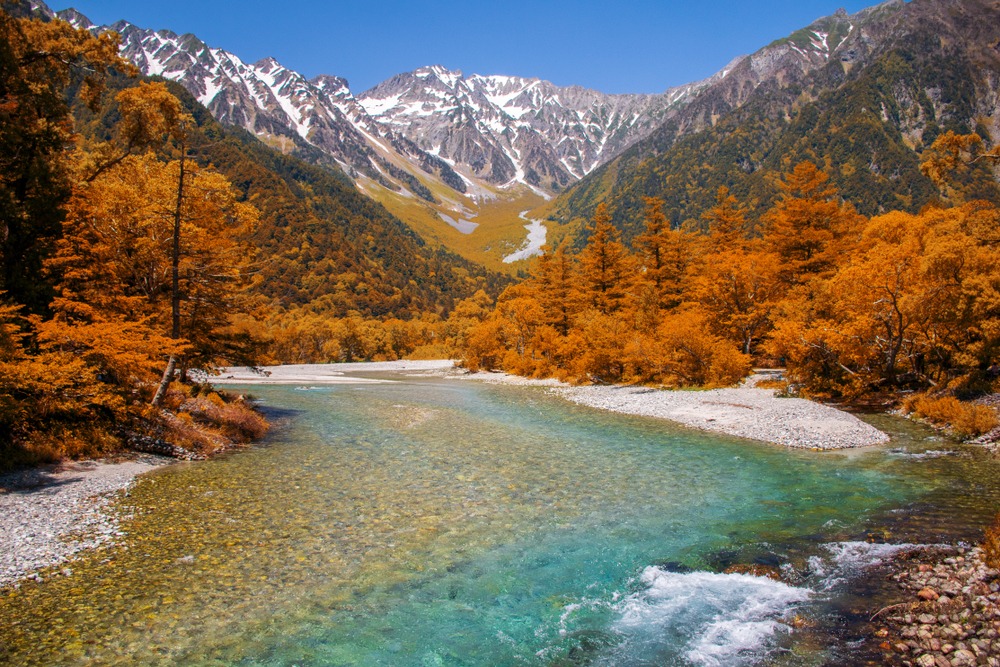
Nagano is a true paradise for skiing enthusiasts and winter sports lovers. The region, straddling the majestic Japanese Alps with peaks reaching 3,000 meters in altitude, is an ideal destination for these activities. Among the most popular resorts is Hakuba Valley, which stands out for its numerous runs suited to all levels, from beginners to experts. The Shiga Kōgen ski resort is equally popular. It features an extensive ski area with slopes for every taste, and breathtaking scenery.
Discover Zenkō-ji Temple
Nagano's appeal extends beyond winter sports. The city is home to attractions well worth visiting. In the city center, you'll find the Zenkō-ji. Among Japan's national treasures, this complex is said to house the very first Buddha statue. It was brought to the city in 552 by Korean missionaries as a gift to the emperor.
A visit to Zenkō-ji Temple is an opportunity to view the Shinano Museum of Art, located nearby in the Kokubun district. Inaugurated in 1989, it showcases works by local artists. One gallery features paintings by landscape artist Kaii Higashiyama. During his stay in Nagano, this artist donated over 1,000 photographs to the prefecture.
Observe Snow Monkeys at Jigokudani Park
An exceptional tourist attraction awaits you a short distance from Nagano: the Jigokudani Snow Monkey Park. Created in 1964, it allows visitors to observe wild Japanese macaques (though accustomed to human presence) bathing in hot springs. The spectacle occurs especially in winter, when the primates descend from the mountains to warm themselves in these thermal springs.
Jigokudani Park gained worldwide fame in 1970 when American magazine Life featured the snow monkeys on its cover.
Visit Togakushi-jinja and its surroundings
Togakushi-jinja is a Shinto complex over 2,000 years old, perched on Mount Togakushi, about an hour's drive north of the city. It comprises 5 shrines: Hokosha, Hinomikosha, Chusha, Kuzuryusha, and Okusha. These sites are scattered across the mountain, separated by distances of roughly 2 km, offering excellent hiking opportunities to appreciate the region's natural beauty.
At the foot of Mount Togakushi lies Lake Kagami-ike, nicknamed the "mirror pond" for the mountain's reflection on its calm surface. It's possible to walk around this body of water.
Other attractions in the Togakushi region include Togakushi Ninja Museum and Ninja Karakuri Yashiki, both dedicated to ninja culture.
Admire Matsushiro Castle
Matsushiro Castle, easily accessible by bus from the city station, is a 16th-century fortress. Former residence of the Sanada clan, it is known for its ramparts, moats, and gardens, and offers insight into feudal Japanese architecture.
Explore the Olympic Facilities
Some of the infrastructure created in the city and its surroundings during the 1998 Winter Olympics has become museums and sports complexes. Such is the case with the M-Wave center, now renamed Minami Nagano Sports Park. Today it serves as an ice skating rink and houses the Nagano Olympic Museum. Here you can view athletes' equipment, watch a 3D film about the Olympics, or try a bobsleigh simulator.
Taste Local Culinary Specialties
The Nagano region is a major producer of buckwheat. Soba noodles, made from this grain, are essential eating here. During your stay in Nagano, don't miss trying oyaki, a buckwheat dough ball filled with vegetables, fruits, and more.
Side Trip to Matsumoto
The city of Matsumoto is just 50.35 km from Nagano. It is primarily known for its castle, built in the 16th century. The main tower of this structure, consisting of 6 stories, is the oldest castle tower still standing in Japan.
When to Visit this Region of Japan?
For those planning to ski in Nagano, the best period falls between December and March, when snow is abundant. For other activities, visit the region in spring (March-May) or autumn (September-November).
The Hokuriku Shinkansen connects Nagano to Tokyo. The journey takes between 80 and 100 minutes. Multiple departures are available daily. The line is covered by the Japan Rail Pass and the JR East Nagano Niigata Area Pass.
At Nagano's bus station, you have access to various buses serving most of the city's tourist attractions. Buses are also available for reaching ski resorts and Mount Togakushi.
Attractions in Nagano
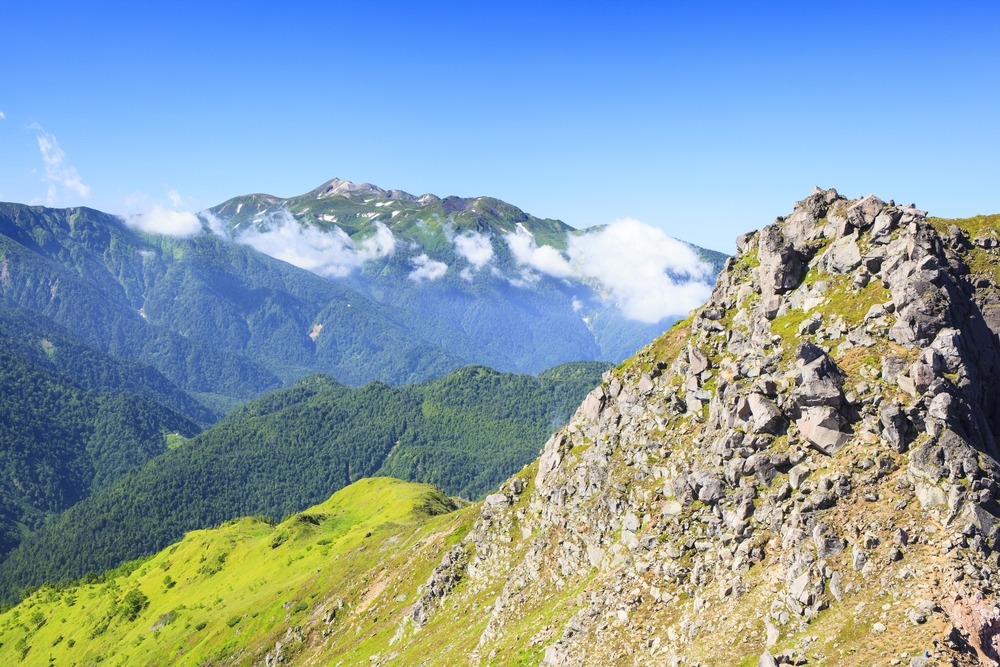
Mont Norikura
Sommet de 3 026 m dans les Alpes japonaises du Nord, le mont Norikura se découvre en bus depuis Tatami-daira : randonnée, ski, mur de neige et sources chaudes.
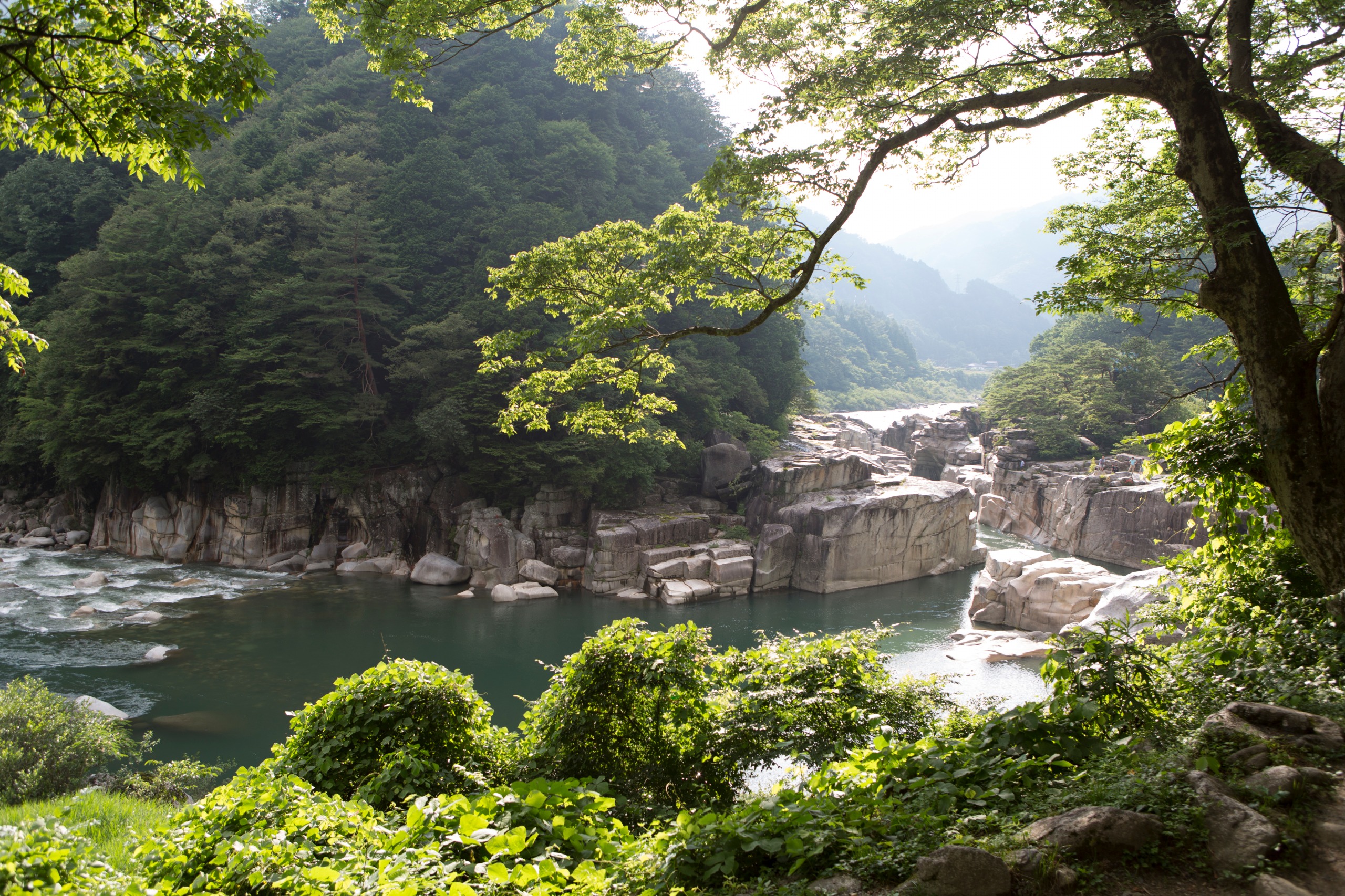
La vallée de Kiso
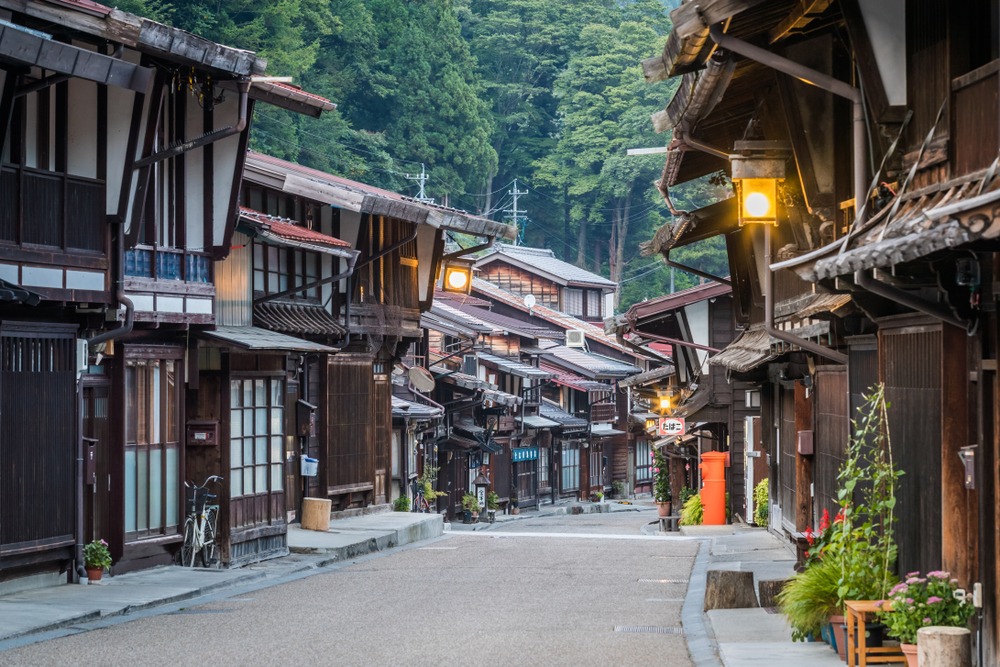
Entre Nagano et Gifu, la vallée de Kiso conserve les villes-étapes de la route Nakasendo (Magome, Tsumago, Narai) et l'une des plus belles marches historiques du Japon.
Want to discover this destination?
Our local advisors design your tailor-made trip.