What to do and where to go in the Japanese Alps: must-see activities
Known for its volcanic archipelagos and island landscapes, Japan is also home to numerous mountain ranges. Among them? "The Japanese Alps"
Known for its volcanic archipelagos and island landscapes, Japan is also home to numerous mountain ranges. Among them? "The Japanese Alps", divided between the Hida Kiso and Akaishi mountains. Hiking trails, cultural visits, skiing, stops in historic villages, relaxation in an onsen: here's what to see and do in the Japanese Alps!
Exploring the mountains of the Japanese Alps
1. Hiking
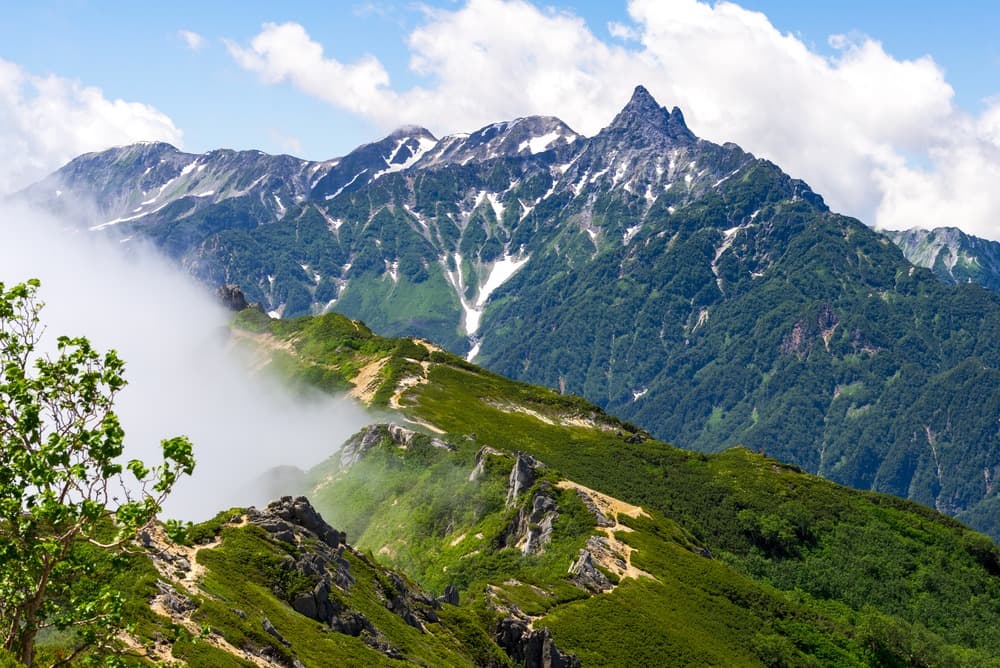
After Mount Fuji (which peaks at 3,776 meters), the Japanese Alps are home to the country's highest summits - with several mountains hovering around 3,000 meters, including:
Kita (Southern Alps, 3,193 m),
Hotaka (Northern Alps, 3,190 m),
Aino (Southern Alps, 3,189 m),
Yari (Northern Alps, 3,180 m).
This vast mountainous territory offers numerous hiking trails, spread across several prefectures. Most of these paths are open to the public once the snow melts and are accessible from April to November.
The Hida Mountains (Northern Alps)
Stretching across the prefectures of Nagano, Toyama, Gifu, and a small part of Niigata, the Hida Mountains are popular with both international visitors and local hikers. Much of the mountainous site was designated Chūbu-Sangaku National Park in 1934. Among its must-see trails:
The Kamikochi valley. Located at approximately 1,500 meters elevation, Kamikochi is easily accessible by bus. A starting point for numerous hiking expeditions, the valley allows you to stroll along the Azusa River for about fifteen kilometers, as well as access several peaks of the Northern Alps. During the summer season, Kamikochi offers stunning green landscapes and mirror-like reflections in the river waters... You're likely to encounter colorful birds and sometimes even monkeys!
Mount Yakedake. Reserved for experienced hikers, climbing Mount Yakedake requires 6 to 7 hours of hiking and excellent physical fitness - with a positive elevation gain of 900 m. Once at the summit, you'll enjoy a sublime panoramic view (and smell sulfur). Why? Yakedake is an active volcano, nicknamed the "burning mountain"!
The Kiso Mountains (Central Alps)
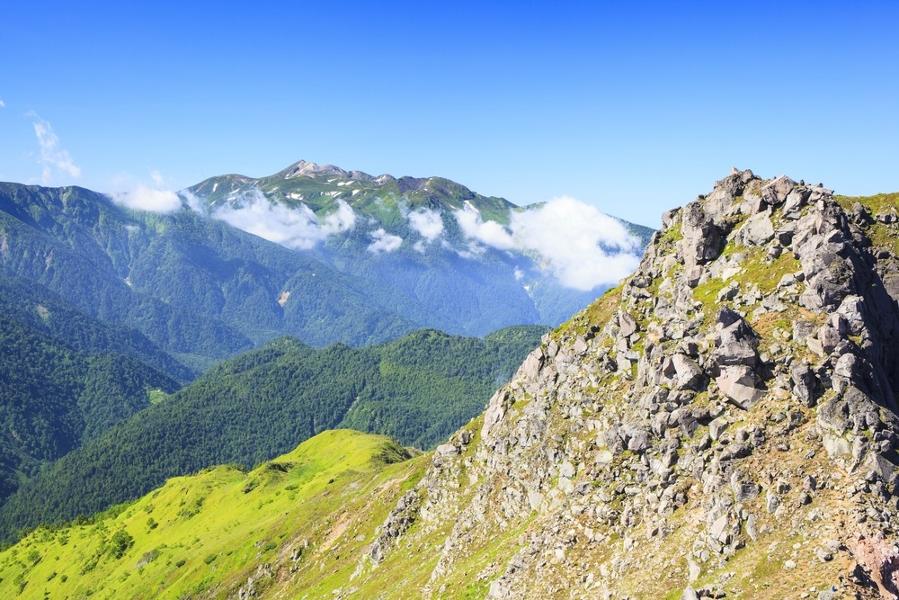
Shared between the prefectures of Gifu and Nagano, the Kiso Mountains are prized for their wild beauty, but also for the many historic sites dotting their territories - small picturesque villages preserved almost intact since the Edo period, when samurai and merchants traveled the Nakasendo road.
To reach the traditional villages of Magome and Tsumago, you can take a relatively easy hiking trail. Stretching about ten kilometers, this route can be completed in 2 to 3 hours of hiking, depending on your pace. During the walk, you'll see a waterfall.
Akaishi Mountains (Southern Alps)
Dotted with several lakes and rivers, the Southern Alps span the prefectures of Yamanashi, Shizuoka, and Nagano.
One of the most popular hikes in the Akaishi Mountains is climbing Mount Kita. Japan's second-highest peak, it requires regular hiking practice and good physical fitness (since the ascent requires nearly 8 hours of hiking).
During your hike, you'll traverse several forested zones before reaching a final rocky area, then the summit - with its spectacular views of the valley and other peaks…
2. Skiing
Tateyama Sanroku
Located southeast of Toyama City, Tateyama Sanroku is the largest ski area in the Hokuriku region and the Japanese Alps. Divided between the Raicho Valley and the Gokurakuzaka Valley, the resort is popular for its numerous slopes (intermediate and advanced levels). On fine days, you can also enjoy paragliding and zip-lining!
Takasu Snow Park and Dynaland
Gifu Prefecture is home to Takasu Snow Park (known for its many activities, such as snowshoeing, rafting, snowmobiling, etc.). The site is connected to Dynaland ski resort via chairlifts and runs. Together, the two areas feature 32 slopes and 43 km of skiable terrain!
Note that six resorts (Takasu Snow Park, Dynaland, Hirugano Kogen Ski Resort, Washigatake Ski Resort, White PIA, and Gujo Vacance Mura Ski Resort) form the "Takasu Mountains". A special pass allows you to move freely between the sites.
Shiga Kogen
Shiga Kogen ski resort is located in the mountains of Yamanouchi, in Nagano Prefecture. In addition to being one of Japan's largest ski areas, it's known for its famous Snow Monkey Park - where groups of macaques warm themselves in hot springs! Shiga Kogen was designated a "biosphere reserve" by UNESCO due to its significant biodiversity.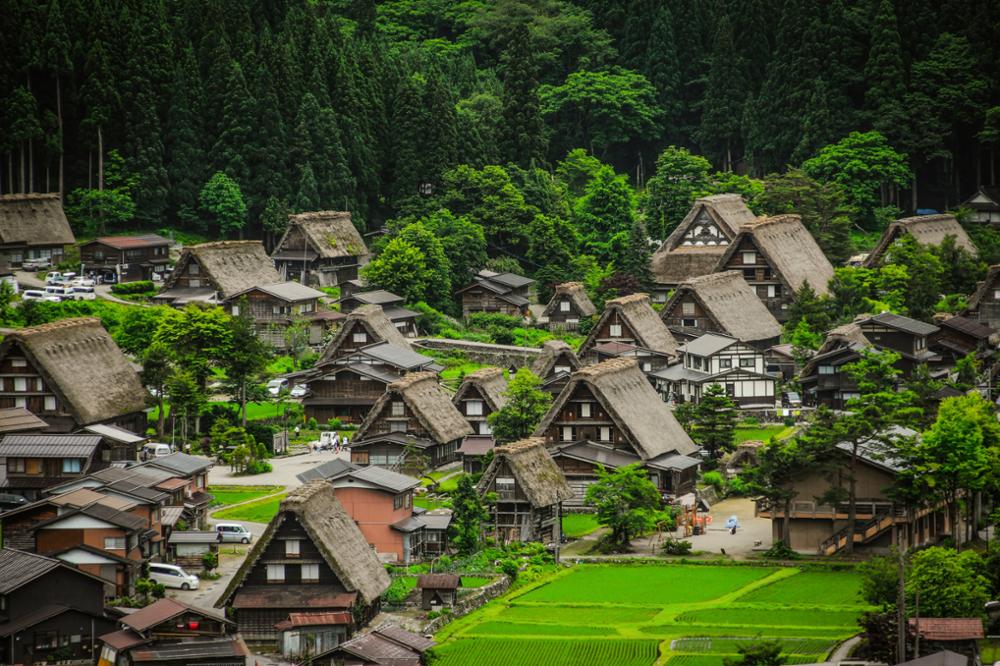
Visiting the historic villages of the Japanese Alps
Located in central Japan, the historic villages of Shirakawa-go and Gokayama are famous for their traditional Gassho-style houses. Built between the end of the Edo period (1600-1868) and the Meiji era (1868-1912), these little cottages are made of wood, straw, cordage, and thatched roofs. This exceptional heritage has been inscribed on the UNESCO World Heritage List since 1995.
Shirakawa-gō
Nestled in a valley in Gifu Prefecture, Shirakawa-go will enchant you with its ancient atmosphere… Classified as a UNESCO World Heritage cultural site since 1995, this charming traditional village has 114 gassho houses. These thatched-roof cottages owe their name to the shape of their steep roofs, which resemble "hands joined in prayer" - gassho in Japanese.
Gokayama
Nestled in the heart of the forest, Gokayama is a cluster of villages located in the Shokawa Valley. Unlike the houses of Shirakawa-go, the dwellings here are inhabited. Local residents will be delighted to introduce you to traditional craftsmanship. You can notably learn the art of Washi (the traditional "Japanese paper" made with intertwined mulberry fibers).
Hida Furukawa
Twenty-five minutes by bus from Takayama stands the town of Hida Furukawa. Dating from the Edo period, this charming town showcases wooden buildings centuries old.
Woodworking is intimately linked to the town, as it is a traditional craft passed down through generations. Local carpenters are renowned for their craftsmanship throughout the country. The town's buildings are also recognizable by their white-walled storehouses and canals, where enormous koi carp swim.
Mid-April, the town hosts the Furukawa Matsuri each year. The festival (split into three major celebrations) allows you to witness ancestral customs and parades, such as koshi daiko - where about a hundred men play drums. This festival is classified as an intangible cultural asset of Japan.
Enjoying Onsens
Onsens are hot water baths from volcanic hot springs. Their temperature always exceeds 25°C (and can reach up to 50°C)! Appreciated for their relaxing benefits, they are also renowned for their minerals and therapeutic properties. These relaxation areas have separate spaces for women and men. A word of advice? Don't be shy, as nudity is mandatory!
Shibu Onsen
Nestled in the mountains of Nagano, the Shibu Onsen thermal center features nine public baths. Whether tiled or wooden, they'll offer you calm and relaxation in a dreamlike environment… Indeed, the resort is appreciated for its historic buildings with pre-war charm.
Shirahone Onsen
Approximately 50 kilometers from Takayama City, you'll find Shirahone Onsen at the foot of Mount Norikura. This hot spring town has about a dozen inns (ryokans) renowned for their onsens (indoor or outdoor). Note that the pools are however open to all visitors. The most spectacular? The famous milky bath with blue reflections!
Besshô Onsen
Considered the oldest onsen, Besshô Onsen's baths are renowned for their "peach skin" effect and healing properties. According to legend, samurai once came here to bathe to heal their wounds... The Besshô Onsen resort is also popular for its three magnificent temples (Anrakuj, Kitamuki Kannon, and Jorakuji).
Gero Onsen
Gero is a region located in Gifu Prefecture. Renowned for its hot waters, Gero Onsen has attracted medical attention and medical hydrology research facilities have been established there. This splendid resort features eight Ashiyu (public foot baths).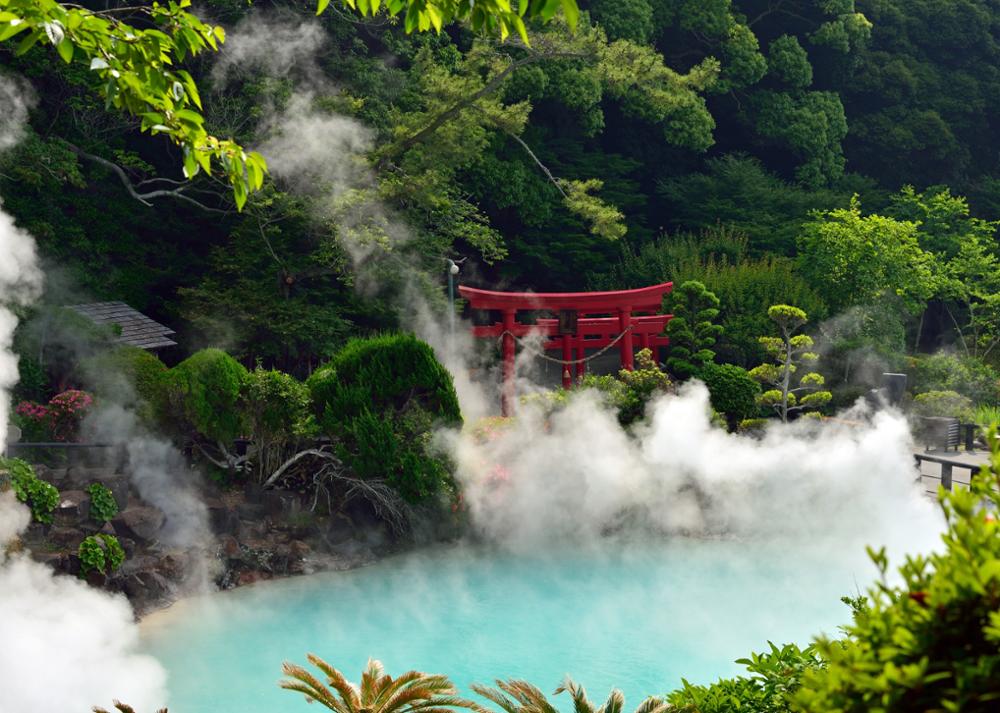
Taking the Tateyama Kurobe Alpine Route
Located in the northern Japanese Alps, the Tateyama Kurobe Alpine Route is an iconic road that connects the prefectures of Toyama and Nagano. This itinerary crosses the sacred mountain of Tateyama (also called Mount Tate) and allows you to ascend to Murodo Station, located at 2,450 m altitude.
Its peculiarity? This 37-kilometer road, only accessible by bus, tram, or on foot by land, can also be crossed by cable car! The Tateyama Kurobe Alpine Route is furthermore dotted with several landmark sites, including:
The Shōmyō waterfall (or Japan's largest waterfall),
The Bijodaira virgin forest (which is home to millennium-old trees and about sixty ornithological species),
The Midagahara marshland,
The Yuki no ōtani; a snow corridor (carved by bulldozers to clear the road) that can reach up to 20 meters high. This section, depending on weather conditions, is only visible from mid-April to late September.
Making cultural stops in Japan's mountains
Matsumoto Castle
Built between 1593 and 1594, Matsumoto Castle is located in Matsumoto City, approximately 50 kilometers south of Nagano. Considered one of Japan's oldest castles, the structure is classified as a national treasure.
Towering six stories and surrounded by five keeps, the castle is recognizable by its black facades, earning it the nickname "Black Raven". Visiting it allows you to admire its ancestral woodwork, as well as a superb panoramic view of the Japanese Alps.
In spring, the castle also becomes an unmissable observation spot to witness the bloom of sakuras - Japanese cherry blossoms. The castle is open for visits every day from 8:30 a.m. to 5:00 p.m. (count €5/adult and €2/child from 6 to 15 years old).
Daio Wasabi Farm
Just 30 minutes from Matsumoto, in the city of Azumino, discover Daio Wasabi, or the country's largest wasabi field!
Spanning 15 hectares, the site allows you to discover all stages of wasabi production - a plant found essentially in Japan and whose grinding of sinigrin, present in its composition, causes its pungent flavor.
This family farm, active since 1917, offers pedestrian tours of the plantations, as well as small boat rides, which allow you to observe the crops from the Sai River. Note that these tours (free and without reservation) are conducted in Japanese, however sketches allow you to understand the essentials.
Following the visit? You'll have the opportunity to taste unusual wasabi-based products, such as chocolate, beer, or ice cream! The farm opens its doors to the public every day from 9 a.m. to 5 p.m. Address: 3640 Hotaka, Azumino City, Nagano.
What to see and do in the Japanese Alps in 6 days: sample itinerary
Thanks to its rich heritage and vast territory (the Japanese Alps divide Honshu Island in two over 200 km long!), this mountain range can be the subject of numerous itineraries. To help you plan your route, here's a 6-day itinerary idea (adjustable), designed on a basis of landmark stops.
Matsumoto (1 day)
Located at the foot of the Japanese Alps (in Nagano Prefecture), this city is a gateway to the Hida Mountains (Northern Alps). An opportunity to visit its old traditional streets and its famous eponymous castle - located 15 minutes walk from the station.
Kamikochi (1 day)
Less than 2 hours by bus from Matsumoto (from the station, heading towards Takayama), discover this forested valley, located along the Azusa River. In spring and summer, the valley is covered with a thick blanket of greenery.
A starting point for numerous hiking trails, Kamikochi is also a protected area, classified as a cultural heritage of Japan! Note that the park is closed in winter.
Narai-juku (1 day)
From Matsumoto Station, head to Narai-juku to discover this charming little samurai village. It once counted among the 69 way stations of the famous Nakasendo road - the only "central mountain road" that connected Tokyo and Kyoto during the Edo period (1603-1863). You'll see lovely traditional houses and inns of yesteryear.
Takayama (2 days)
Via the JR Chuo line, head towards Nagoya, then to Takayama via the Hida Limited Express train. This latter journey, approximately 3 hours, crosses the Japanese Alps and offers spectacular views throughout the journey!
Nicknamed Little Kyoto (due to its grid-like streets, similar to those of its big sister), Takayama offers a journey into the past, thanks to its cottages and the traditional Yoshijima house - designated an important cultural asset of Japanese heritage.
The city also has a local market, a folk art museum (Kusakabe Mingeikan), and a superb shrine. Twice a year (in April and October), the city hosts the eponymous festival, which celebrates local culture. An opportunity to witness processions and traditional songs… Depending on your schedule, a third day in town may be necessary.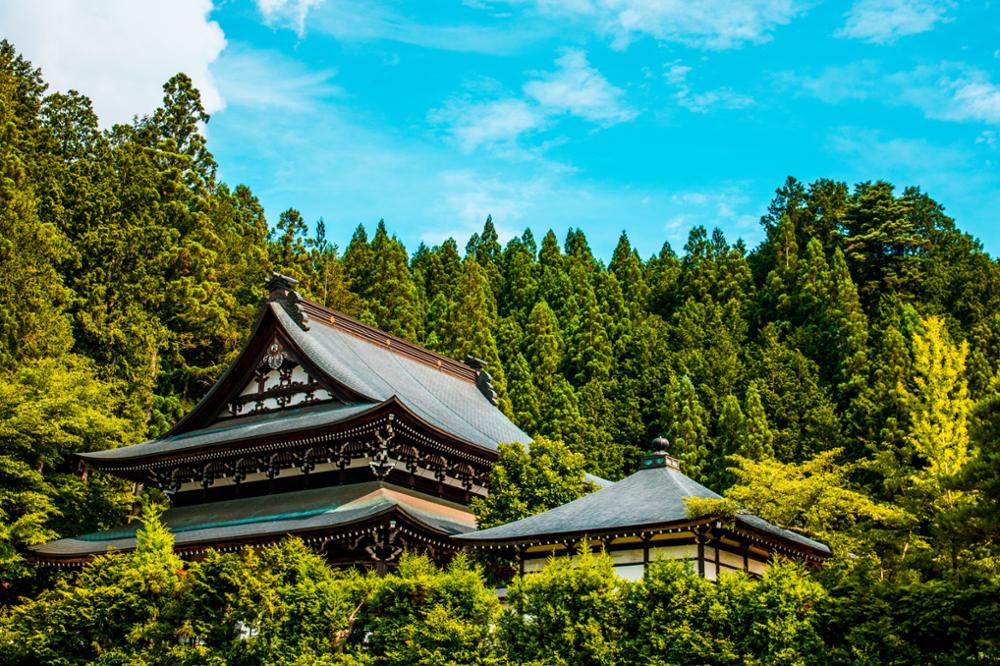
Shirakawa-go (1 day)
Approximately 1.5 hours by bus from Takayama, discover the superb historic village of Shirakawa-go, classified as a UNESCO World Heritage site.
Useful information for a stop in the Japanese Alps Location The Japanese Alps are located in central Honshū (the main island of the archipelago). They are divided into three mountain ranges: the Hida Mountains (Northern Alps), the Kiso Mountains (Central Alps), and the Akaishi Mountains (Southern Alps). Access The Japanese Alps are accessible from the cities of: ● Tokyo (via the Hokuriku Shinkansen to Nagano, or via JR Chuo to Matsumoto), 1.5 or 4 hours depending on the destination. ● Kyoto (via the Tokaido Shinkansen to Takayama - although the city is not part of the Japanese Alps, it is one of the main gateways to access them), 2 or 4 hours depending on the route. ● Osaka (via the Hokuriku Shinkansen to Kanazawa), 2.5 hours. Activities Hiking, skiing, cultural and heritage visits, visits to historic villages, onsens. When to visit The best time to visit these mountain ranges depends on the type of activities: ● Spring: cherry blossom bloom (the bloom is later than at lower altitudes, due to cooler temperatures, around April-May). ● Autumn: witness the reddening of mountain landscapes ● Summer: hiking ● Winter: skiing, stunning snowy landscapes (ideal for enjoying onsens, although these hot baths are accessible and pleasant in all seasons). |
Frequently asked questions
How many days should I plan for visiting the Japanese Alps?
The Japanese Alps span a large territory. To enjoy their landscapes and numerous activities (cultural, heritage, or sports-related), at least 5 days on site are recommended. Depending on the program and travel, you may need to add extra days to plan a route that matches travel times (trains and buses).
When should I visit the Japanese Alps?
The Japanese Alps can be visited in all seasons. The choice of timing depends on the activities you're planning (hiking, skiing, park visits, etc.). For cherry blossom bloom, aim for the second half of April. Also note that while the ski season runs from April to December: each resort has its own opening dates, depending on its location (and snowfall).
Why are they called the Japanese Alps?
Due to their topography (configuration, terrain, etc.), the Japanese Alps resemble the European Alps. This mountain range owes its nickname to British mining engineer William Gowland, who first named it that in his Guide to Japan, published in 1881. The expression later entered common usage during the twentieth century.
Where should I stay in the Japanese Alps?
Various types of accommodations can be booked in the Japanese Alps. Traditional ryokan, hotel, onsen establishments: you'll surely find lodging suited to your budget. However, be aware that some destinations (like Takayama) are very touristy. It's therefore advisable to book well in advance.
Frequently asked questions
The JR Pass covers part of the journeys to the Japanese Alps, notably the Shinkansen from Tokyo or Osaka to Nagano. However, some regional trains such as the Hida Limited Express (to Takayama) are not included in the standard pass. It is recommended to check the covered lines and consider a dedicated regional pass, such as the Takayama-Matsumoto Area Tourist Pass, to optimize your transport budget.
Yes, it is absolutely possible to visit the Japanese Alps without a car. Main destinations (Matsumoto, Takayama, Nagano, Shirakawa-go) are accessible by train or bus. Bus lines also connect Kamikochi, Shirakawa-go, and the Tateyama Kurobe Alpine Route. However, for more remote areas or certain ski resorts, car rental may prove useful, especially in winter.
The best season for hiking in the Japanese Alps extends from July to October. In summer (July-August), the trails are clear and vegetation is lush. In autumn (September-October), landscapes are dressed in flaming colors. Warning: most high-altitude trails are closed from October to May due to snowfall. Always check trail conditions before departing.
Yes, the vast majority of onsens in the Japanese Alps welcome foreign travelers. You must however respect local conduct rules: wash thoroughly before entering the bath, do not wear a swimsuit (nudity is required), and do not immerse hair or towels in the water. Some establishments may refuse people with tattoos; it is advised to check in advance.
The Japanese Alps are divided into three distinct ranges. The Northern Alps (Hida Mountains) are the most frequented and are home to Kamikochi and Chūbu-Sangaku National Park. The Central Alps (Kiso Mountains) are renowned for their Edo-period historic villages, such as Magome and Tsumago. The Southern Alps (Akaishi Mountains) are the most wild and host Mount Kita, Japan's second-highest peak at 3,193 meters.