Nagoya
Nagoya
Japan's 4th largest city, Nagoya blends a shogunal castle, ancient shrine, the Osu district and the birthplace of Toyota. An ideal stop between Tokyo and Kyoto.
Ranked as Japan's 4th largest city after Tokyo, Yokohama and Osaka, Nagoya emerges as the capital and largest city of Aichi Prefecture, situated on Honshu Island. It is precisely located in the Tokai region and brings together the communities of Kyoto, Kobe and Osaka.
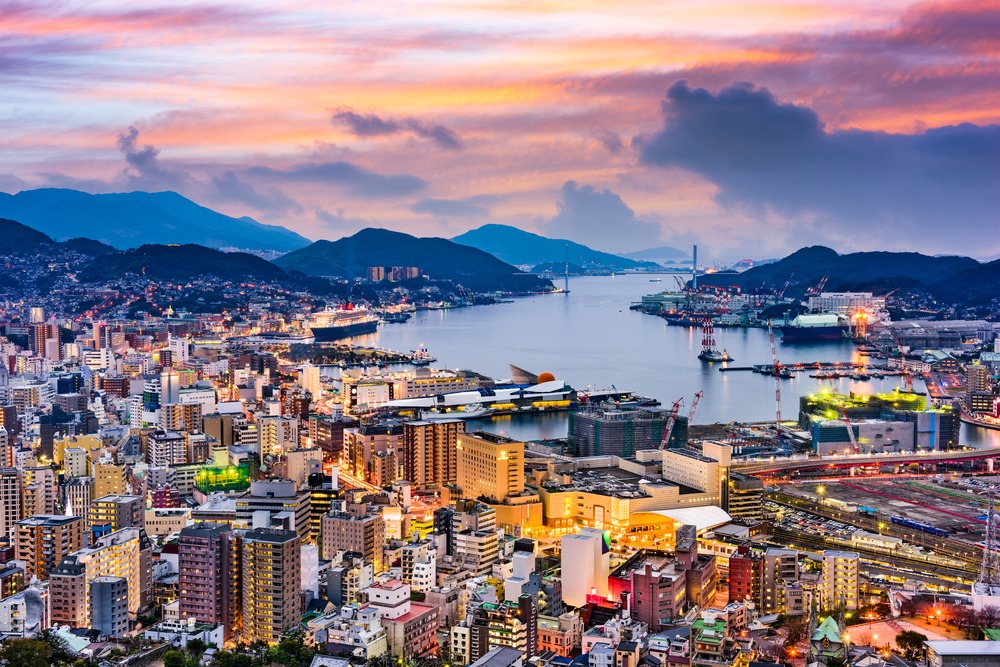
Nagoya stands out for its famous castle, countless temples and museums, its parks, its exceptional landscape through an intense and lively nightlife, and above all, highly advanced electronics technology.
Enjoy a unique stay in Nagoya by sampling its cuisine or attending the city's festive events. Its captivating charm will surely seduce you at first glance.
History of Nagoya
Nagoya owes its name to an ancient manor called Nagono, built in the region in the 12th century. For 2 centuries, inhabitants referred to this new name. Following an accented pronunciation derived from Chinese characters, Nagono gradually transformed into Nagoya.
Subsequently, Nagoya acquired an important place in Japan's history by participating in the unification of the country under a single government. The dominance of the Tokugawa shogunate proved decisive, and the country had to submit to this regime for 250 years, during which the famous Nagoya Castle was constructed.
Japan opened to the world during the Meiji era while Nagoya experienced genuine growth in the industrial sector. This allowed the city to maintain close ties with the rest of the country, ultimately enabling easy export of its products. In the 1920s, Toyota Motor Corporation emerged, initially as a textile loom manufacturing company. It later turned to automobile production in 1930. The metropolis is also known for its foundries, heavy industry exports and machinery.
During World War II, much of Nagoya's manufacturing was redirected toward military artillery production, causing the inevitable destruction of the city through successive bombings.
Nagoya Today
Now a modern metropolis with strong demographic growth, Nagoya is considered one of Japan's greatest economic pillars. Indeed, it houses the main domestic and international headquarters of the automotive industry, including Toyota Motor Corporation, Suzuki Motor, Yamaha, Honda Motor, Mitsubishi Motors, Brother Industries, Noritake, NGK Insulators, Olympus Optical and others. This expansion has enabled Nagoya to maintain its financial independence.
A flourishing structure has allowed the integration of foreign communities, hosting wealthy Brazilian immigrants of Japanese descent: the Nikkei. These communities promote smooth local economic growth that continues, to this day, to thrive.
What to Do in Nagoya?
Thanks to a constantly prosperous economy, Nagoya multiplies its attractions through cultural diversity. It is brimming with invaluable treasures, yet it remains overlooked by many travel guides. This sprawling urban jungle may not have Kyoto's cultural appeal or Tokyo's or Osaka's extravagant energy, but it will surprise you.
Visit Nagoya Station
Completely renovated in the early 2000s, Nagoya Station features 2 towers overlooking the city, rising to 250 m in height. One houses the Marriott Hotel, while offices occupy the other. From the top floor, you'll enjoy a magnificent view of the entire city, the castle and the Japanese Alps.
A Quick Visit to Nagoya Castle
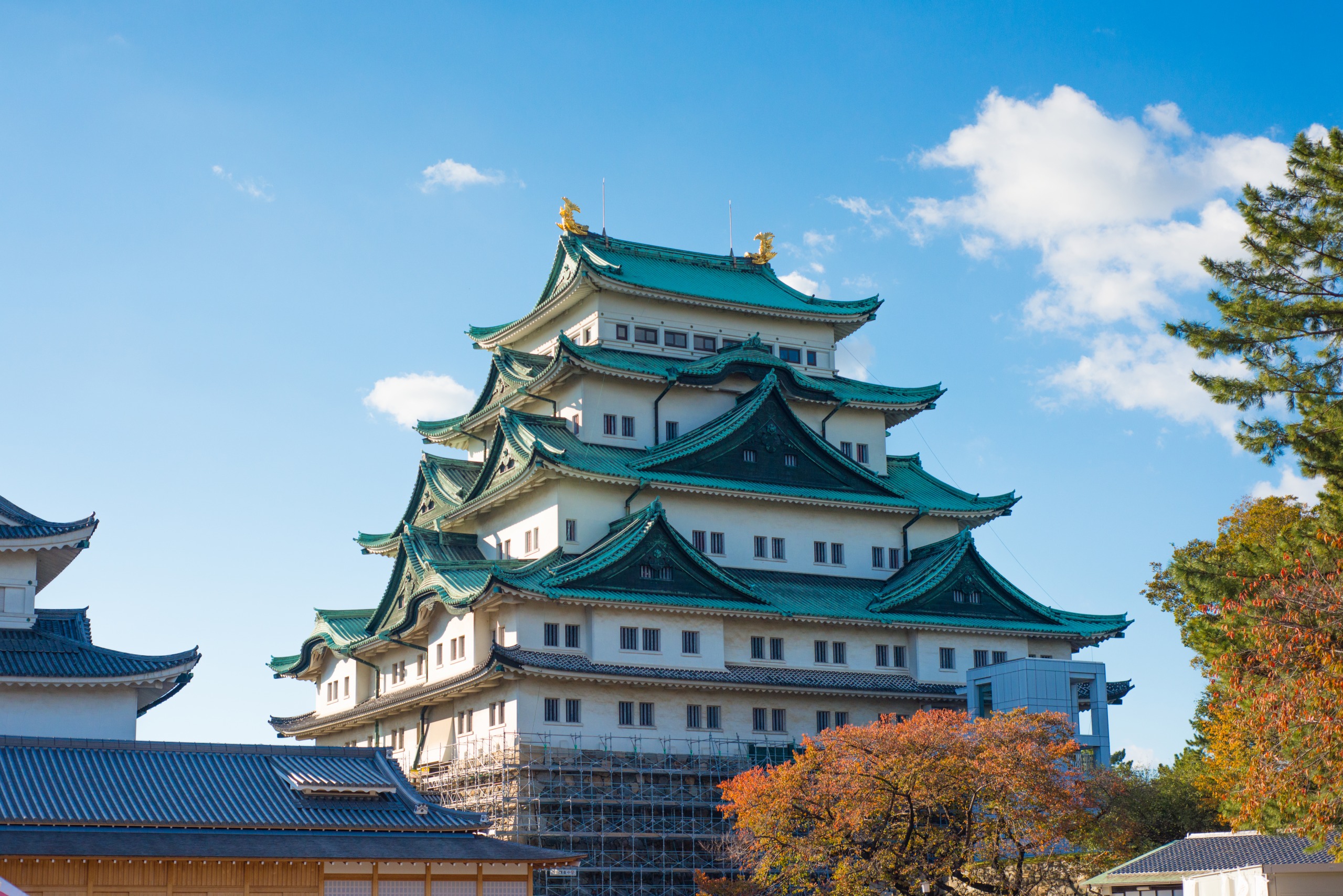
An emblematic monument of the city, Nagoya Castle is undoubtedly an essential visit. It stands out for the two golden carp perched on its roof. Its interior is now converted into a museum. Its architecture has retained a typical appearance dating from the Edo period. From the top floor, there's an unobstructed view over the entire city. Its traditional gardens provide an excellent contrast to the modern appearance of the landscape. Exploration is done through guided tours. During cherry blossom season, the flowering gardens lend a completely different character to the castle and are sure to enchant you.
A Detour to the Toyota Museum of Industry and Technology
As mentioned earlier, this museum documents the stages of Nagoya's industrial development, from textile looms to automobile manufacturing. Textile looms and brand vehicles are displayed in a vast hall. The museum features a modernist design with a video library, restaurant, café and gift shop. The site is also equipped with access for people with reduced mobility.
The Arako-Kannon Temple
This monument houses the oldest Tahoto pagoda, dating back approximately 472 years.
Nagoya Television Tower
It's one of the main attractions in the city not to miss during your stay in Nagoya. Built in 1954 and rising to 180 m in height, you'll enjoy an absolutely breathtaking view over Hisaya-odori Park and Sakae.
Oasis 21
Oasis 21 is one of Nagoya's most iconic monuments. This modern structure primarily underground is topped by an oval glass roof filled with water, creating a striking visual effect and helping to cool the commercial area above. In addition to shops, this site hosts restaurants, a bus terminal and a tourist information point. It is located near Nagoya Television Tower.
Sakae
Located in the Naka-ku ward and considered the city center, Sakae is undoubtedly the most commercial and lively area in the city, featuring large department stores, restaurants, numerous shops and bars.
Enjoy a relaxing atmosphere while attending Nagoya's traditional theater. Also take advantage of a green space at Meijo Park, ideal for jogging, strolling and relaxation.
Moreover, various events are held throughout the city, such as sumo tournaments, the summer Osu festival, the World Cosplay Summit and the Nagoya Castle summer night festival.
The metropolis is home to a baseball complex, Nagoya Dome. The national team, the Chunichi Dragons, plays in the Central League of professional baseball.
Its cuisine is among the most appreciated, both by locals and visitors. Taste the misokatsu, shrimp tempura, kishimen and hitsumabushi. The city is also renowned for uiro, the famous traditional pastry made from rice flour.
Where to Go Out in the Evening in Nagoya?
To experience Nagoya's nightlife, the Sakae district is a must with its many bars and nightclubs. You can also enjoy bar visits with locals to discover residents' favorite spots.
For a more immersive experience, explore the city's antique shops in the evening and discover another, more traditional side of Nagoya.
For panorama enthusiasts, head to the top of Nagoya Tower. The view of the illuminated city is breathtaking.
Finally, if you're in Nagoya in summer, don't miss the Nagoya Castle festival. During this period, the castle gardens are illuminated by magnificent lanterns and the atmosphere is festive.
The Climate in This Part of Japan
Nagoya and the region experience quite varied climatic conditions. The city is known for its extremely hot and humid summers, with temperatures reaching up to 30°C. There is still a window for planning a stay in Nagoya. The best periods are notably in May, August and October.
From Tokyo
The Tokaido Shinkansen line, which connects Tokyo and Kyoto, passes through Nagoya. From Tokyo Station, the journey takes 1 hour 40 minutes. By bus, it takes about 5 hours.
From Ise
Direct rapid trains "Mie" (kaisoku) take approximately 90 minutes to reach Nagoya from Ise (Iseshi Station). The line is covered by the Japan Rail Pass. However, pass holders must pay a supplement of 520 yen, as this line uses non-JR tracks.
From Paris
There are connecting flights between Paris and Nagoya (Chubu Centrair Airport). The journey takes between 14h45 and 16h10.
Transportation in Nagoya
With the city boasting an excellent road network, it's easy to move freely throughout Nagoya. More specifically, how do you get around?
First, Nagoya has 5 highly efficient subway lines. These are the Sakuradori, Meijo, Meiko, Higashiyama and Tsurumai lines. The subways operate continuously, with intervals of just a few minutes. Tickets cost between 200 and 320 JPY. A one-day pass is available between 600 and 850 JPY. On weekends and public holidays, you can get the Donichi-Ecco-Kipu ticket for unlimited trips at 600 JPY. Some subway stations offer Wi-Fi.
Bus is also the most common means of transport in Nagoya. The city has an efficient network.
Another reliable option for getting around the city is taxi. The minimum fare is 480 JPY. This is a very convenient and practical option for traveling through Nagoya.
Want to discover this destination?
Our local advisors design your tailor-made trip.